How to Choose the Best Grass Turf for Your Project?
Choosing the right Grass Turf can make or break your outdoor project. This decision can affect aesthetics, maintenance, and long-term durability. Quality turf enhances the visual appeal of your space while providing a functional area for activities.
Many factors influence your choice of Grass Turf. Consider your climate, soil type, and usage. Certain types thrive better in specific conditions. For instance, some grasses withstand heavy foot traffic, while others prefer a milder environment. Think about the maintenance requirements too. Some grasses need frequent mowing, while others are low-maintenance.
Reflect on what your project truly needs. Picking the wrong Grass Turf can lead to disappointment. Take your time to research available options. Consult with experts or local suppliers for tailored advice. Making a well-informed decision is crucial for the success of your landscape project. Your choice should align with your lifestyle and goals, ensuring a beautiful and functional outdoor space for years.
Understanding Different Types of Grass Turf Available on the Market
Choosing the right grass turf can be daunting. Understanding the types available is crucial. Different grass varieties suit different climates and uses. For instance, Kentucky bluegrass thrives in cool climates but struggles in heat. Conversely, Bermuda grass excels in warm regions, tolerating drought well.
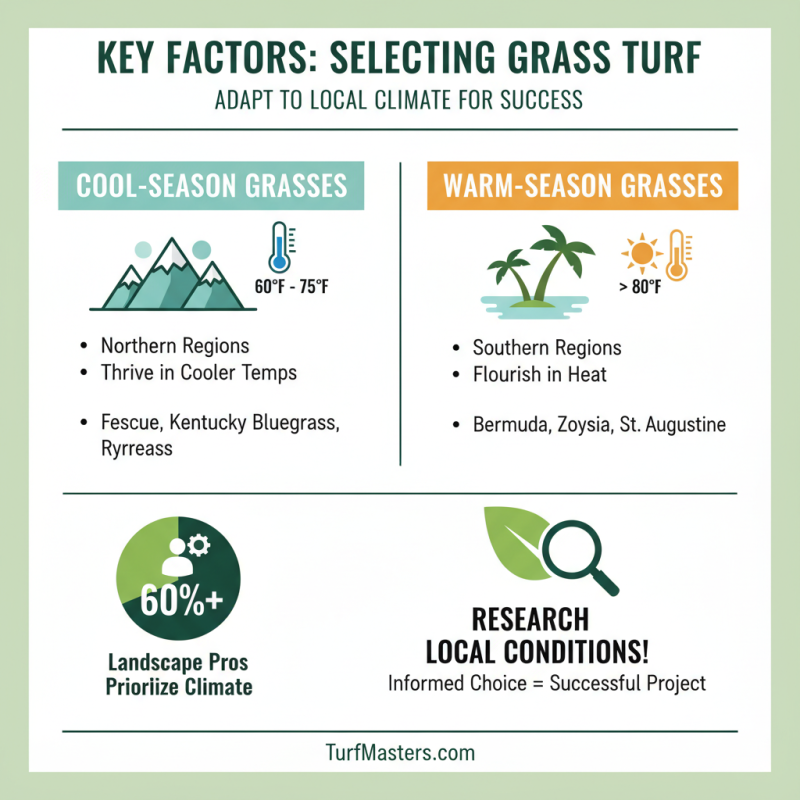
There are two main categories: cool-season and warm-season grasses. Cool-season grasses, like tall fescue, grow best in spring and fall. They often have deep roots and can withstand cold temperatures. On the flip side, warm-season grasses, such as zoysia, flourish during summer months. They tend to require more water and sun, making them less suitable for shady areas.
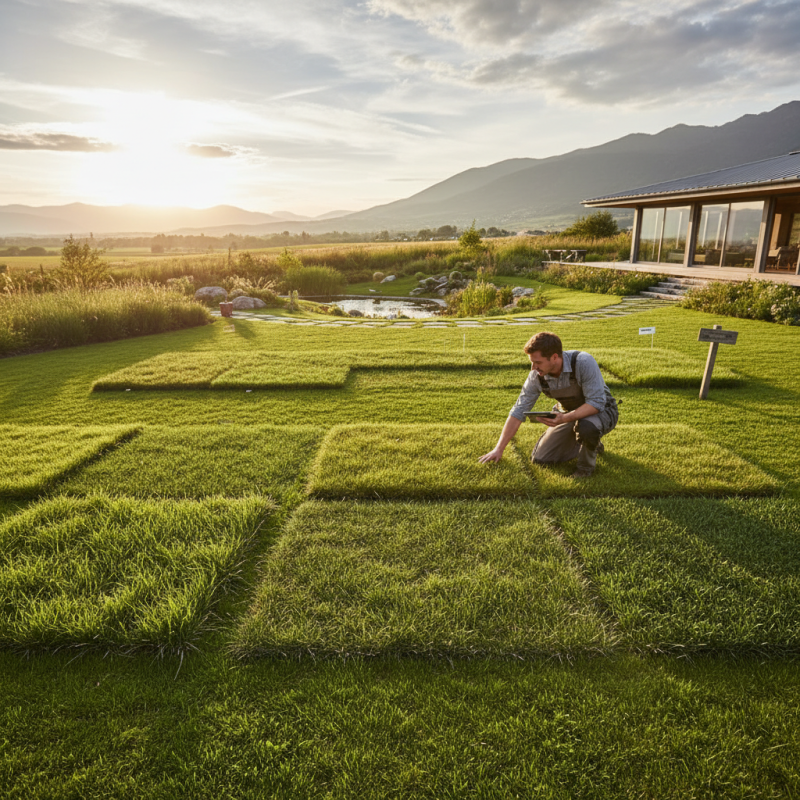
Selecting turf also involves considering your project’s specific needs. For high-traffic areas, durable varieties are essential. You may discover that some grasses look great but aren’t practical. An experiment might reveal how a certain type fails to establish well in your yard. Often, trial and error leads to the best solutions. Make detailed observations about your soil quality and sunlight before making a decision.
Evaluating Your Project's Specific Requirements for Grass Turf
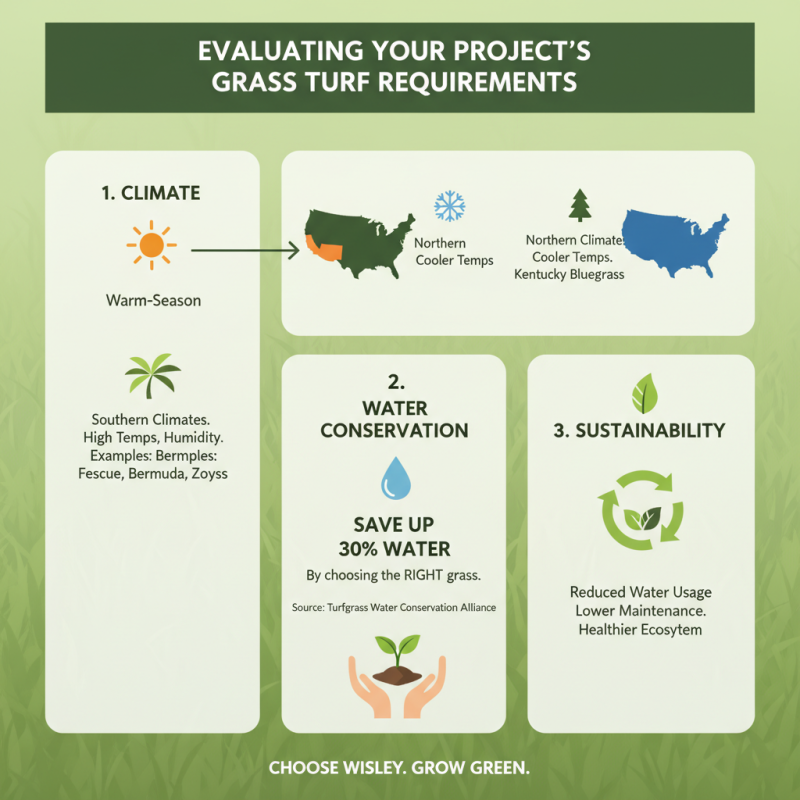
When evaluating your project's specific requirements for grass turf, several factors come into play. Understanding climate is essential. Different grasses thrive in varying temperatures and humidity levels. For instance, warm-season grasses flourish in southern climates, whereas cool-season varieties are best suited for northern areas. According to the Turfgrass Water Conservation Alliance, choosing the right grass can save up to 30% more water, an important consideration for sustainability.
Soil quality is another critical factor. Conducting a soil test helps gauge pH levels, nutrient content, and drainage properties. The results will guide you in selecting the most suitable turf type. The University of Georgia reports that improving soil health can increase turf density and resilience. Additionally, if your project has high foot traffic, consider durable grass varieties that can withstand wear.
Lastly, assess maintenance needs. Some grasses require more care than others. A study by the American Society of Agronomy indicates that low-maintenance turf can reduce long-term costs and labor. However, lower maintenance often means higher initial costs for certain varieties. Balance these needs based on your project's budget and long-term vision. Identifying these specific requirements allows for a more informed decision, enhancing the success of your grass turf project.
Key Factors to Consider When Selecting Grass Turf
Choosing the right grass turf can significantly impact the success of your project. Understanding key factors ensures you make an informed decision. Climate is crucial. For example, cool-season grasses thrive in northern areas with temperatures averaging between 60°F and 75°F. Conversely, warm-season grasses flourish in southern regions where temperatures exceed 80°F. Over 60% of landscape professionals emphasize adapting grass to local climates.
Soil quality plays a vital role too. Testing your soil helps you understand pH and nutrient levels. Grass varieties have different requirements. Some prefer sandy loam, while others thrive in clay. Experts recommend adding organic matter to enhance soil structure. In fact, a report from the Turfgrass Producers International indicates that well-prepared soil increases turf establishment rates by 50%.
Maintenance requirements are another critical aspect. Some grasses need regular mowing and watering, while others are more drought-resistant. For instance, fine fescue is low-maintenance, making it ideal for busy homeowners. The balance between appearance and upkeep influences many decisions. Remember, even the best turf can struggle if not properly maintained. These factors shape the foundation of your project, ensuring it meets your expectations.
Comparing Costs and Maintenance Needs of Various Grass Turfs
When selecting grass turf for your project, consider the costs and maintenance needs carefully. Studies show that natural grass typically requires more upkeep than synthetic options. Natural grass can cost around $0.50 to $3.00 per square foot, while synthetic turf ranges from $5.00 to $20.00 annually per square foot. While synthetic turf has higher initial costs, it can significantly reduce ongoing maintenance expenses.
Maintenance is another crucial factor. Natural grass demands regular mowing, watering, and fertilizing. Estimates suggest that homeowners spend about 50 hours annually on maintenance. In contrast, synthetic turf needs minimal upkeep. Most artificial lawns only require occasional brushing and rinsing. This difference in care can lead to savings of up to 60% over time.
Visibility of wear can be an issue with synthetic grass. Some homeowners notice fading and compacting over time. It may also provide a different feel compared to natural grass, affecting aesthetics. Therefore, it's essential to weigh these factors when choosing the right turf for your project. The decision ultimately hinges on balancing costs against long-term maintenance and visual preference.
Sourcing and Installing Grass Turf: Best Practices and Tips
When sourcing and installing grass turf, proper planning is essential. Data from the Turfgrass Producers International suggests that turf lawns can save up to 30% more water compared to traditional lawns once established. Sourcing high-quality turf is crucial, as it impacts the longevity and look of your lawn. Buyers should consider factors such as climate, sunlight, and soil type when making a selection. Local suppliers often provide varieties best suited for your region's conditions.
Installation practices can also dramatically influence the outcome. A report from the USDA indicates that improper installation can lead to up to 25% turf loss in the first year. It is important to assess the existing soil quality. Testing pH and nutrient levels should inform any necessary amendments before laying the turf. Also, ensuring proper drainage can prevent issues like root rot. Furthermore, many installers overlook the importance of rolling the turf after installation. This step helps eliminate air pockets, ensuring better root contact and establishment. These details matter for long-term success.
How to Choose the Best Grass Turf for Your Project
| Criteria |
Description |
Best For |
Installation Tips |
| Type of Grass |
Choosing between cool-season and warm-season grasses |
Climate Suitability |
Research local climate conditions before selection |
| Grass Maintenance Level |
Low, medium, or high maintenance requirements |
User Commitment |
Assess your willingness to care for the lawn |
| Durability |
Resilience against wear and tear |
High Traffic Areas |
Choose tougher grass types for heavy usage |
| Soil Type |
Compatibility with local soil conditions |
Soil Preparation |
Test soil pH and amend as necessary |
| Budget |
Cost per square foot for turf |
Financial Planning |
Get multiple quotes for better pricing |
| Aesthetic Appeal |
Color and texture preferences |
Visual Design |
Visit local yards for inspiration |