2026 Best Artificial Turf Grass Options for Your Lawn?
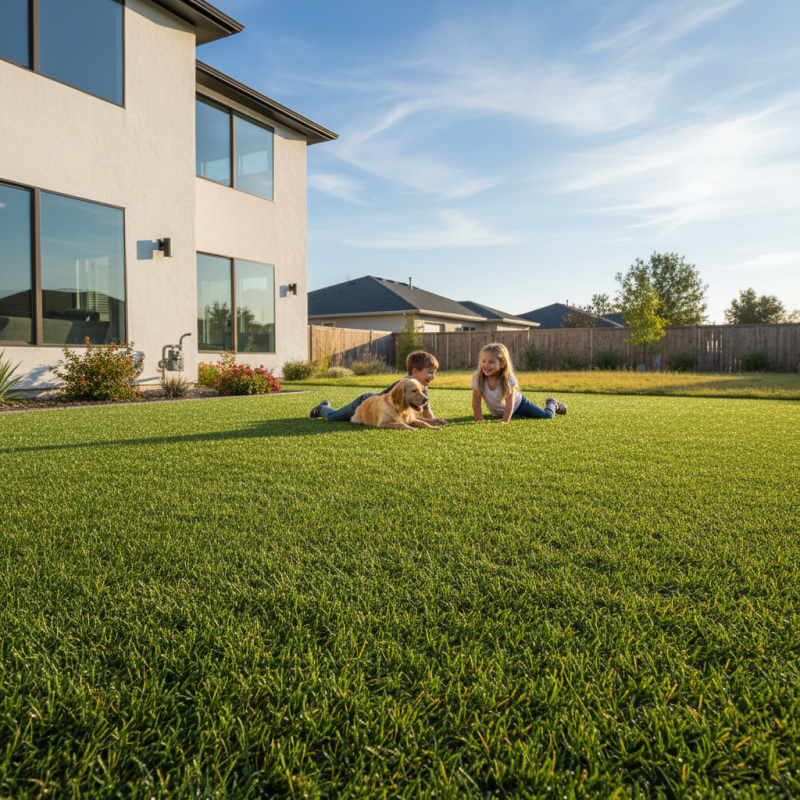
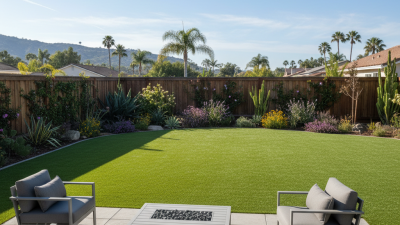
When considering a beautiful lawn, many homeowners turn to Artificial Turf Grass. This option offers a lush appearance without the constant upkeep of natural grass. It stands out for its durability and low maintenance needs. Yet, not all Artificial Turf Grass products are the same.
In 2026, we see various options on the market. Some mimic the feel of natural grass better than others. Others may look vibrant but may not withstand heavy foot traffic. Quality varies significantly; some turf can fade quickly under direct sunlight. This makes researching essential.
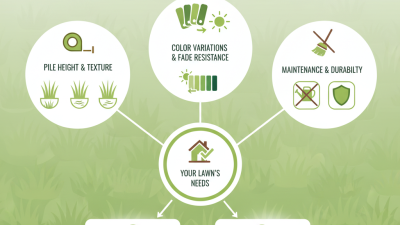
Homeowners often overlook the environmental impact too. While Artificial Turf Grass saves water, its production raises concerns. Choosing the right product is vital for both aesthetics and sustainability. Reflecting on your unique lawn needs will lead to the best choices.
2026 Trends in Artificial Turf Grass for Residential Lawns
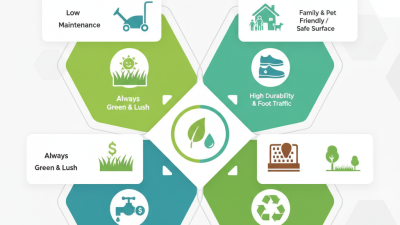
Artificial turf is evolving. In 2026, we see new trends transforming residential lawns. Homeowners seek more than just green grass. They want low maintenance, durability, and eco-friendliness. These are the driving forces behind the latest innovations.
One exciting trend is the use of recycled materials. Many manufacturers now incorporate sustainable sources into their products. This leads to less environmental impact. However, some concerns linger about durability and how well they perform under extreme weather. Homeowners need to weigh these factors carefully.
Color variations are also gaining popularity. Gone are the days of uniform green patches. Now, homeowners want a mix of shades. This design choice adds depth and realism. Yet, some users might struggle with maintenance. Choosing the wrong turf color may lead to fading issues. It’s essential to consider the local climate and sunlight exposure.
Key Factors to Consider When Selecting Artificial Turf Grass
When selecting artificial turf grass, several key factors should be considered carefully.
First, think about the blade height. Taller blades can provide a more realistic look, while shorter blades are easier to maintain.
The color variety also matters. A mix of greens often mimics natural grass better.
Another important aspect is the pile density. Denser turf feels softer and looks fuller. However, it can be pricier.
Take note of the infill material as well. Some infills hold heat, affecting comfort. Others support cushioning but can complicate cleaning.
Don’t forget about drainage. Good drainage keeps your lawn functional in wet weather. Poor drainage leads to puddles and muddy patches.
Installation quality is crucial too. Sometimes, a DIY approach might miss subtle nuances. This can impact the overall look and longevity.
Consider these details before making a decision. They can significantly affect your satisfaction with the end result.
Comparative Analysis of Popular Synthetic Turf Brands in 2026
When choosing the best artificial turf options in 2026, it's essential to explore various factors. Many brands offer different textures, durability, and price points. Some might look vibrant and lush but wear out quickly. Others focus on sustainability, using recycled materials. The key is to match your needs with the right option.
Tips: Consider your regional climate. Some turfs perform better in extreme heat, while others resist colder temperatures. Look for warranties that reflect the quality and longevity of the turf.
Color and feel matter too. You want a lawn that looks realistic. Some turfs include a mix of hues to mimic natural grass. This attention to detail can have a significant impact on aesthetics.
However, remember, not all synthetic grass feels the same underfoot.
While evaluating brands, think about maintenance requirements. Some turf options may need regular brushing to avoid matting. Others claim to be low-maintenance yet still require some care. Understanding realistic upkeep can help prevent future frustrations.
Environmental Impacts of Artificial Turf: Sustainability Considerations
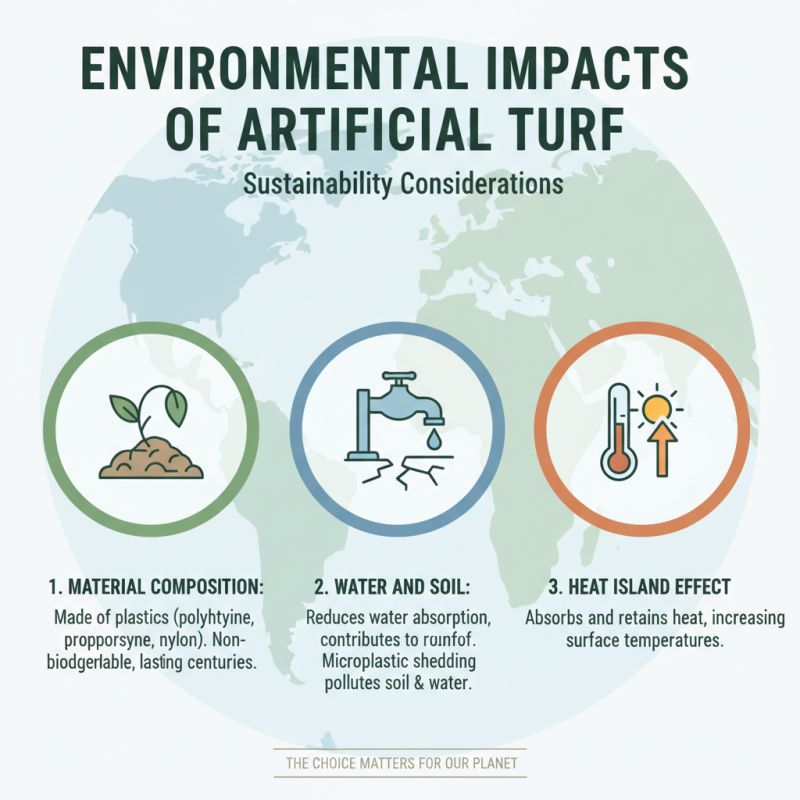
Artificial turf has gained popularity in many homes due to its low maintenance and aesthetic appeal. However, it raises important environmental concerns. Most artificial turfs are made from synthetic materials like plastic. These materials can take centuries to decompose. As more homeowners choose this option, the long-term effects on ecosystems are becoming concerning.
One significant issue is heat retention. Artificial grass can reach high temperatures under direct sunlight. This contributes to urban heat islands, affecting local climates. Additionally, when it rains, pollutants can wash off the surface, entering drainage systems. This can harm local water bodies and wildlife. Furthermore, the production of synthetic turf involves considerable energy and resources, which may not be sustainable.
There are also social implications to consider. Communities may face pressure to conform to aesthetic expectations set by artificial turf. This pressure can overshadow the value of natural habitats and biodiversity. It's important to reflect on our choices. Are we prioritizing convenience over ecological benefits? By considering sustainability, we can make more informed decisions about our lawns and the environment.
Installation and Maintenance Costs of Artificial Turf Options in 2026
In 2026, the installation costs for artificial turf grass have shown a notable increase. Reports indicate that average installation prices range between $5 to $15 per square foot. Factors influencing these costs include labor rates, materials, and site preparation. Homeowners should prepare for varying expenses based on the complexity of their lawn design.
Maintenance costs also reflect changes. Annual upkeep for artificial turf averages around $150 to $400. This includes cleaning, infill replenishment, and occasional repairs. While no watering or mowing is required, maintaining the aesthetic appeal can add up. Over time, the initial savings on water bills may not offset these maintenance expenses.
Selecting the right type of artificial grass is crucial. Some options may appear cheaper upfront but require more frequent maintenance. Investing in high-quality materials may mitigate long-term costs. Information from industry studies suggests that homeowners often overlook hidden expenses associated with lower-quality options, necessitating careful consideration before installation.