2026 Top Trends in Artificial Soccer Grass for Global Buyers?
The world of sports has seen remarkable innovations, particularly in the realm of artificial soccer grass. As technology evolves, so do the trends shaping this essential component of many fields. Buyers need to stay informed about the latest developments to make sound decisions.
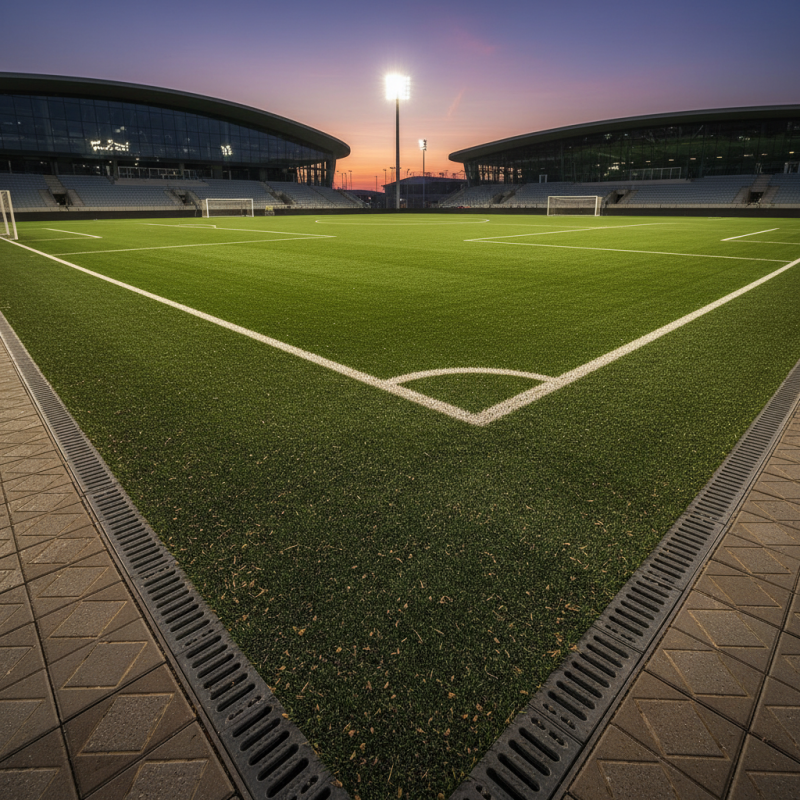
Artificial soccer grass is no longer just a simple alternative to natural turf. It now boasts advanced features that enhance performance. New textures and types of infill contribute to better player safety and longevity of the surface. Factors like drainage and weather resistance are key considerations for global buyers.
Yet, with advancements come challenges. Some options may overpromise while others can underperform, leading to wasted investment. Buyers must critically evaluate their choices, weighing benefits against potential drawbacks. Staying updated on industry trends will help make informed decisions for the future.
Emerging Materials and Technologies in Artificial Soccer Grass
In 2026, artificial soccer grass is evolving rapidly. The emphasis is on new materials and technologies that enhance performance. For instance, researchers are exploring polyethylene alternatives. These materials offer better durability, reducing wear during games. They also help maintain a natural look and feel, crucial for players and fans alike.
Nanotechnology is playing a significant role too. It improves grass fibers' resistance to weather conditions. The result? Longer-lasting, resilient surfaces. Additionally, advancements in infill technologies are promising. New infill materials can support better drainage and increase player safety. This technology minimizes injuries and enhances overall playing experience.
While these trends are promising, they raise questions. Are these materials environmentally friendly? Sustainability is a growing concern. Finding a balance between performance and eco-friendliness is challenging. Stakeholders need to reflect on these issues as they invest in new technologies.
Sustainability Trends Shaping the Future of Artificial Soccer Grass
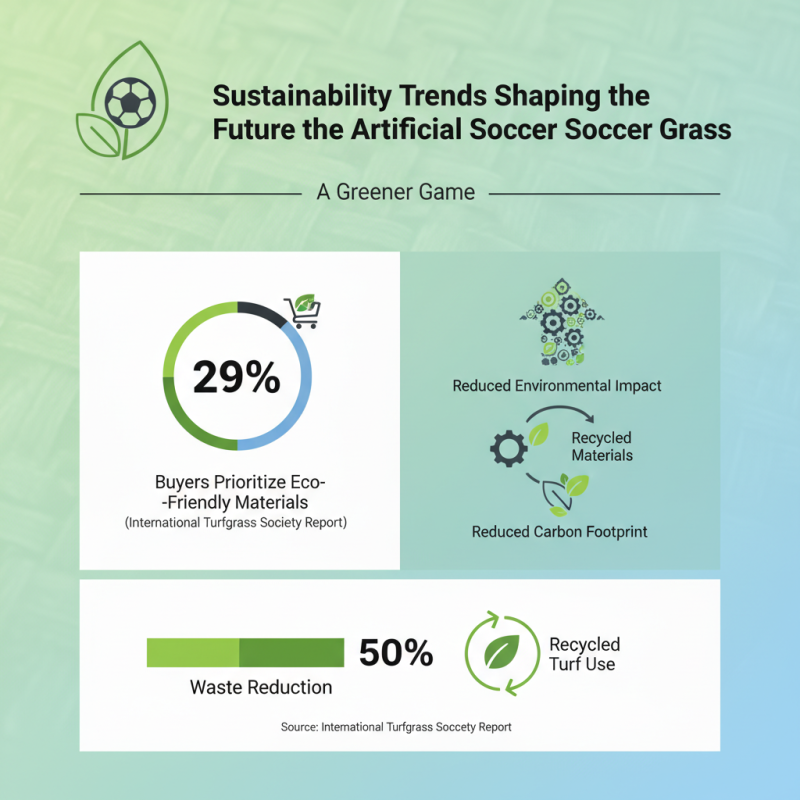
Artificial soccer grass is evolving rapidly, driven by sustainability trends. According to a recent report by the International Turfgrass Society, 29% of buyers prioritize eco-friendly materials in their purchases. This shift highlights an increasing demand for products that reduce environmental impact. Manufacturers are innovating with recycled materials, reducing carbon footprints. Reports project that the use of recycled turf can decrease waste by up to 50%.
Incorporating sustainable practices isn’t just ethical; it can also be economical. The market for sustainable artificial grass is projected to grow by 12% annually. Thus, stakeholders are looking for value-centric solutions, balancing cost and eco-friendliness. Yet, complexities arise. Not all recycled materials offer the same performance standards. Buyers must consider durability alongside sustainability.
Tips: Regular maintenance prolongs the life of artificial grass. Engage professionals to ensure the longevity of your investment. Also, explore grants or incentives that support sustainable choices in sports facilities. How you choose impacts more than just your budget; it influences the environment too.
Customization Options for Different Playing Conditions and Terrain
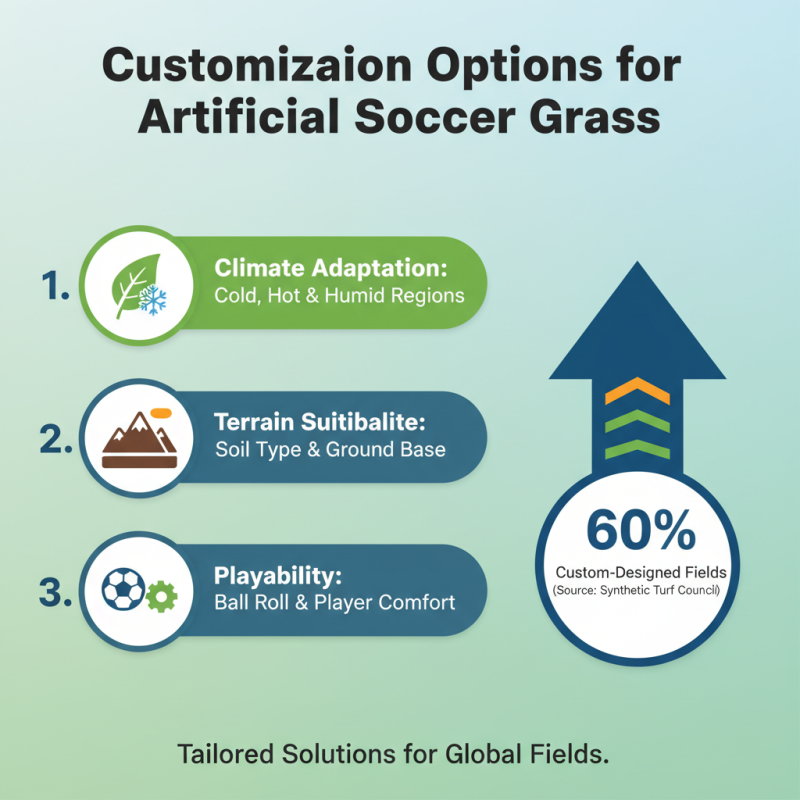
The demand for artificial soccer grass is rising globally. As buyers consider options, customization becomes crucial. Different playing conditions and terrain require tailored solutions. For instance, a report by the Synthetic Turf Council indicates that 60% of soccer fields now feature custom-designed synthetic grass. This customization addresses unique climate and soil issues present in diverse regions.
For hard terrains, a thicker blade is preferable. It provides better shock absorption and durability. On softer grounds, lighter turf with improved drainage is essential. This prevents water retention, which could damage the field. In colder climates, players benefit from grass designed to withstand frost and provide better traction. Yet, selecting the right grass can be overwhelming. Buyers must weigh factors like maintenance needs and longevity versus upfront costs.
Many suppliers offer testing and sampling. However, these options can sometimes lack comprehensive guidance. Moreover, a study published by the American Sports Builders Association highlights that nearly 30% of buyers regret their initial turf choices. This reflects the importance of adequate research before making decisions. Creating the ideal soccer field involves more than aesthetics; it demands thoughtful consideration of the playing conditions.
Economic Factors Influencing Market Demand for Soccer Turf
The economic landscape significantly shapes the demand for artificial soccer grass. Factors like construction costs, labor rates, and raw material prices play a crucial role. In regions where football is a major sport, the investment in quality turf increases. However, budget constraints can hinder purchases, leading to a disparity in turf quality across different markets.
Market trends indicate a growing interest in sustainable materials. Buyers are increasingly concerned about environmental impact. This shift could drive prices up as manufacturers adopt eco-friendly practices. On the other hand, cheaper alternatives may proliferate. This could result in lower quality turf, affecting durability and performance.
Another consideration is the health of the global economy. Economic downturns can lead to reluctance in spending on luxury items like artificial turf. As facilities seek cost-effective solutions, the quality may be compromised. Understanding these economic factors is vital for buyers who want to make informed decisions.
Global Innovations in Installation and Maintenance Practices
As artificial soccer grass gains popularity, innovative installation and maintenance practices emerge. These methodologies aim to enhance performance and longevity while reducing costs. For buyers worldwide, understanding these advancements is critical.
One notable trend involves the use of advanced infill materials. These materials not only improve player safety but also enhance the grass's resilience. However, the challenge lies in the correct application. Improper installation can lead to uneven surfaces, which affects gameplay. Moreover, maintenance practices are evolving. Regular brushing and cleaning, combined with new technologies, help maintain optimal conditions. Still, many underestimate the need for routine upkeep.
Sustainable practices also play a role in this field. Some companies are exploring eco-friendly options for grass production. Buyers should question the environmental impact of these materials. Not all innovations may be beneficial, and accountability remains an issue. Continuous reflection on these trends will guide buyers toward informed decisions.