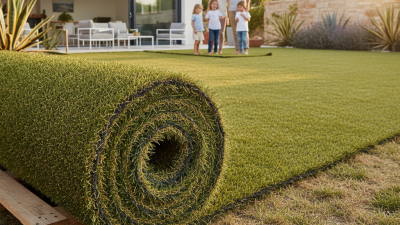
2026 Top Artificial Grass Turf Options for Buyers Worldwide?
As the demand for high-quality landscapes increases, the choice of Artificial Grass Turf has never been more critical for buyers worldwide. Leading industry expert John Miller emphasizes, "The right turf can transform an ordinary space into an extraordinary one." With a myriad of options available, selecting the best turf becomes a crucial decision for homeowners and businesses alike.
Artificial Grass Turf offers numerous benefits, including low maintenance and year-round aesthetic appeal. This material replicates natural grass, creating vibrant green spaces regardless of weather conditions. However, not all turfs are created equal. Some may degrade quickly or lack necessary features like UV resistance. It's essential to research and evaluate products carefully.
Buyers face the challenge of sifting through various brands and materials. Understanding the differences, such as durability and price, requires time and diligence. Mistakes can lead to dissatisfaction and additional costs. Adequate knowledge can guide buyers toward sustainable choices that meet their needs. In this article, we will explore the top Artificial Grass Turf options for 2026 to assist buyers in making informed decisions.
Overview of the Artificial Grass Turf Market in 2026
The artificial grass turf market in 2026 is expected to explode with new innovations. Many buyers are looking for alternatives to traditional grass. The appeal lies in low maintenance and environmental benefits. Properties like durability and are hot topics among consumers.
As more individuals and businesses embrace eco-friendly practices, artificial turf appeals to a wider audience. Customers will seek options that mimic natural grass appearances. Color variations and texture will play significant roles in buyer preferences. Sustainability features, such as recycled materials, are becoming essential.
Despite these advancements, challenges remain. Some concerns about heat retention and drainage solutions exist. Not all products perform equally in diverse climates. Consumers may find it hard to navigate choices. Therefore, research is crucial when considering an investment in artificial turf. Understanding long-term effects is necessary for informed decisions.
Key Features to Consider When Choosing Artificial Grass Turf
Choosing artificial grass turf requires careful consideration of key features. Look for durability, as the turf must withstand heavy foot traffic. High-quality materials can extend the lifespan significantly. Consider the blade height, which affects the visual appeal and functionality. Shorter blades may mimic natural grass more closely, while taller options can offer a lush look.
Another important aspect is the infill material. This can enhance stability and comfort underfoot. Some infills can retain heat, making surfaces uncomfortably warm in sunny conditions. Drainage is also crucial. Good drainage prevents water pooling, which can lead to odors and mold growth. Always check for warranties, as these can indicate a manufacturer's confidence in their product.
While many options exist, it’s essential to reflect on your specific needs. Personal preferences in texture and color play a role. The decision can feel overwhelming at times. Prioritize features that suit your lifestyle and environment. Ultimately, aim for a balance between aesthetics and functionality.
Top Brands and Manufacturers of Artificial Grass Turf Worldwide
Choosing the right artificial grass turf is crucial for various applications, from home lawns to sports fields. The market is filled with options, making it essential to identify reputable brands and manufacturers. When selecting artificial grass, consider the quality of materials and the types of fibers used. High-quality turf should mimic the look and feel of natural grass.
Tips: Check reviews and ratings before making a decision. User feedback offers insights into durability and performance.
Several leading manufacturers prioritize eco-friendly practices. These companies implement sustainable production methods and source recycled materials. Furthermore, some offer warranties, ensuring long-term reliability for buyers. Exploring different brands is vital for finding the perfect fit for your needs.
Tips: Compare prices among different manufacturers. It can help identify the best-value options.
While researching options, remember that not all artificial grass is created equal. Some may fade quickly or show wear and tear after minimal use. Pay attention to these factors during your selection process. User experiences can guide you toward more durable choices.
2026 Top Artificial Grass Turf Options Worldwide
Comparison of Prices and Quality Among Different Turf Options
When considering artificial grass options, price and quality play crucial roles. According to a report from the Synthetic Turf Council, the average installation cost of artificial turf ranges from $5 to $20 per square foot. This price varies based on materials, installation complexity, and regional economic factors. Premium options often utilize advanced technology for durability and realism, which can slightly raise the initial investment.
Quality assessments usually focus on the tuft height, fiber type, and drainage capabilities. For instance, grass with a tuft height of 1.5 inches or more tends to provide a natural look. Meanwhile, yarn made from polyethylene is often noted for its softness and resilience. It’s important to note that cheaper options might save money upfront but can lead to higher maintenance costs over time due to shorter lifespans.
A recent survey indicated that 42% of buyers felt overwhelmed by choices. They found it hard to balance cost with quality. Brands and manufacturers often claim to offer the best products, but detractors point out inconsistencies in performance. The need for rigorous testing and unbiased reviews remains essential, as not all turf meets advertised standards. This reflects a need for buyers to conduct thorough research before making decisions.
Sustainability and Environmental Impact of Artificial Grass Turf
The use of artificial grass turf has expanded significantly in recent years. Many buyers are now considering its sustainability and environmental impact. While it offers a lush, green appearance year-round, concerns exist regarding its production and disposal.
Artificial grass is often made from synthetic materials, which are derived from petroleum. This raises questions about resource depletion and carbon emissions during manufacturing. The longevity of artificial turf is one positive aspect; it can last for many years without the need for water or fertilizers. However, when it reaches the end of its life cycle, disposal becomes a critical issue. Many products are not biodegradable and can contribute to landfill problems.
Some companies are now exploring recyclable materials for creating artificial grass. This shift shows promise in reducing the environmental footprint of turf production. However, not all options in the market prioritize sustainability. Buyers should thoroughly research products and seek out transparent companies committed to eco-friendly practices. Making informed choices can lead to better outcomes for the environment and support a more sustainable future.