Best Artificial Grass Roll Options for Your Project Needs?
When embarking on a landscaping project, choosing the right Artificial Grass Roll is crucial. According to a recent industry report by the International Turfgrass Society, the global market for artificial grass is expected to grow by 15% annually through 2025. This growth reflects increasing interest in sustainable landscaping solutions. Expert Jason Blake, a renowned authority on artificial turf, states, "Quality artificial grass rolls can drastically enhance outdoor aesthetics while minimizing water usage."
Artificial Grass Roll options vary not only in color and texture but also in purpose. Homeowners, schools, and sports facilities all have unique requirements. The diverse applications of artificial grass reveal its versatility. Many consumers struggle with selecting the best product for their needs. Understanding these nuances is essential for making informed decisions.
Yet, the landscape can become overwhelming. With so many choices, it's vital to consider factors like durability and maintenance. Some products may look appealing but underperform in real-world conditions. Investing time in research ensures that you choose an artificial grass roll that meets your specific project goals. Balancing beauty with functionality is key to achieving excellent results.
Top Factors to Consider When Choosing Artificial Grass Rolls
When selecting artificial grass rolls, there are several key factors to consider. One crucial element is the pile height. Reports indicate that a height between 1.5 to 2 inches offers a realistic feel. Shorter grass may look tidy but can lack the aesthetic appeal many seek. A taller option provides comfort, but it may require more maintenance to keep it looking fresh.
Another factor is the fiber material. The industry predominantly uses polyethylene and polypropylene. Polyethylene is softer and often preferred for residential use. Conversely, polypropylene is more durable, making it ideal for high-traffic areas. According to industry data, durability can vary significantly, with some products lasting over 15 years. Selecting the right material not only influences longevity but also impacts the overall look and feel of the grass.
Lastly, consider the backing material. A sturdy backing improves stability and drainage, which is essential for outdoor applications. Some reports emphasize that poor drainage can lead to mold and mildew, reducing the lifespan of the product. Investing in high-quality backing can save time and money in the long run, despite the initial higher cost. Make choices that align with your project needs and environment.
Comparison of Different Types of Artificial Grass Materials
When choosing artificial grass, it’s essential to understand the materials available. Different types offer various benefits and drawbacks. For instance, polyethylene is a popular choice for residential lawns. It provides a soft texture and vibrant color that closely resembles natural grass. However, it may not be as durable in high-traffic areas.
On the other hand, polypropylene is a more economical option, making it suitable for temporary installations. It also has a lighter weight, which can simplify transportation and installation. Nonetheless, its lifespan tends to be shorter compared to other materials. This variability can lead to additional costs for frequent replacements.
Nylon grass stands out for its exceptional resilience and ability to withstand heavy use, which makes it ideal for sports fields. Yet, its higher price tag might deter some homeowners from using it. In the end, the choice of artificial grass should align with the specific needs of your project. Understanding the characteristics of each material will help in making an informed decision.
Comparison of Different Types of Artificial Grass Materials
Benefits of Using Artificial Grass for Various Projects
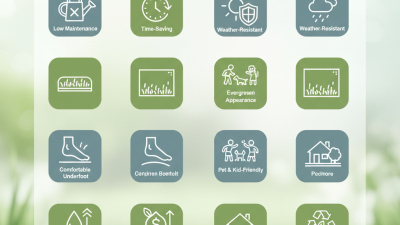
Artificial grass has gained popularity for various projects due to its numerous benefits. One of the main advantages is its low maintenance requirements. Unlike natural grass, artificial turf does not need regular mowing or watering. This makes it an excellent option for busy homeowners or commercial establishments. Additionally, there’s no need to apply pesticides or fertilizers, reducing environmental impact.
Another benefit is its durability. Artificial grass is designed to withstand heavy foot traffic, making it ideal for playgrounds and sports fields. It retains its vibrant color and shape throughout the year. This durability can lead to long-term cost savings, as replacements are less frequent. Moreover, it offers a safe surface for children and pets, minimizing the risk of injuries from falls.
However, there are some aspects to consider. The initial installation cost can be higher than natural grass. Some may argue that synthetic materials do not provide the same ecological benefits as real grass. It’s important to weigh these factors when deciding on artificial turf. Reflecting on personal and project needs can lead to a more informed choice.
Best Artificial Grass Roll Options for Your Project Needs
| Type of Grass |
Pile Height (inches) |
Density (tufts per square meter) |
UV Resistance (hours) |
Warranty (years) |
Applications |
| Luxury Synthetic Turf |
1.5 |
18,000 |
3,000 |
10 |
Residential lawns, Play areas |
| Commercial Grade Turf |
1.25 |
16,000 |
3,500 |
8 |
Sports fields, Parks |
| Pet-Friendly Grass |
1.5 |
20,000 |
3,000 |
7 |
Dog runs, Playgrounds |
| Short Pile Turf |
0.75 |
14,000 |
2,000 |
5 |
Rooftops, Balconies |
| Playground Grass |
2 |
22,000 |
4,000 |
10 |
Children's parks, Schools |
Installation Tips for Artificial Grass Rolls
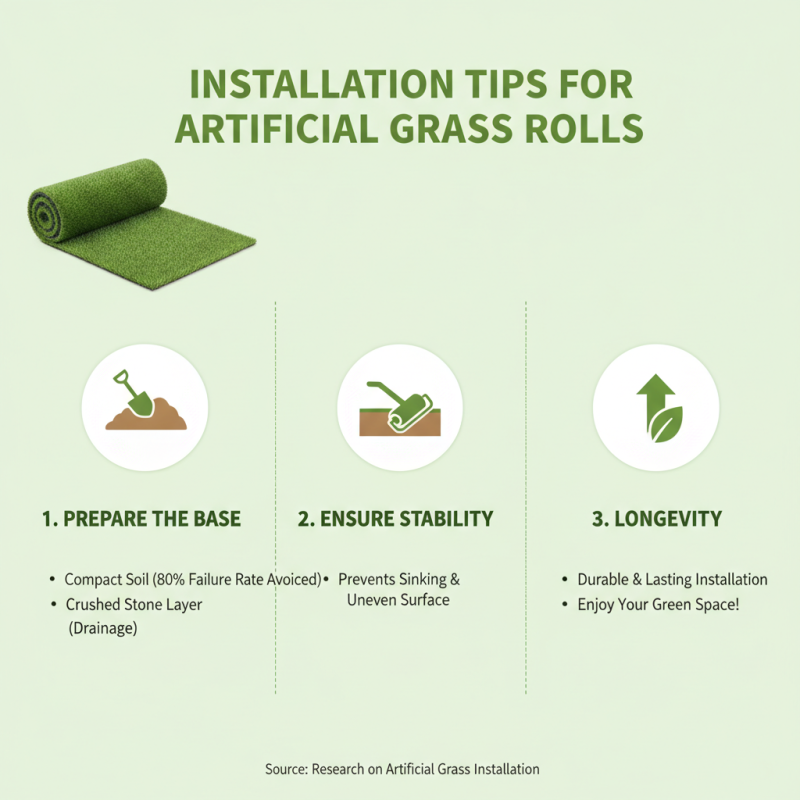
When installing artificial grass rolls, preparation is essential. A well-prepared base ensures longevity and stability. Research indicates that about 80% of installation failures stem from improper groundwork. Compact the soil properly to avoid future sinking. Use a layer of crushed stone to aid drainage.
The choice of infill can impact performance. Options include rubber, sand, or a blend. Each has its pros and cons. For instance, rubber provides better cushioning but may retain heat. Grass with a higher pile height often looks lush, yet it might require more maintenance over time. It's crucial to think about these factors before installation.
Don't overlook the importance of seams. They should be secure to prevent weed growth. A professional study shows that seams, if improperly installed, can reduce the lifespan of your grass by up to 30%. Patience during the cutting and joining process pays off. Quality installation can enhance appearance and performance. It's about getting it right the first time, as corrections can be costly.
Maintenance and Care for Artificial Grass Surfaces
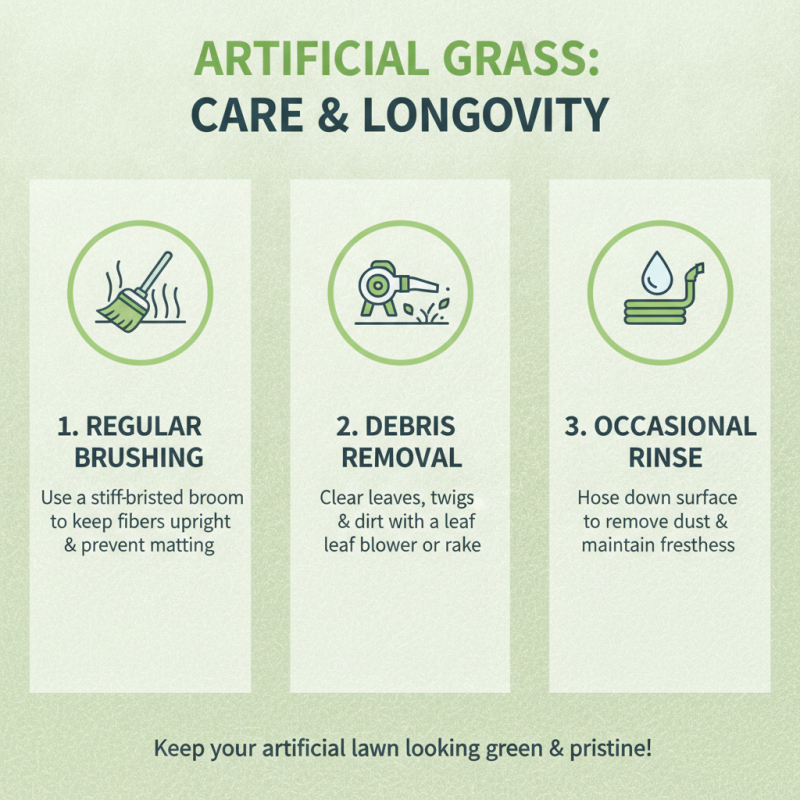
Maintaining artificial grass surfaces is essential for longevity. Regular brushing is needed to keep the fibers upright. A stiff-bristled broom works well for this task. It helps to prevent matting and keeps your lawn looking lush. Removing debris like leaves or twigs is critical. Use a leaf blower or a rake to clear the surface.
Cleaning your artificial grass involves rinsing it with water. This removes dirt and prevents odors. If you notice stains, a mixture of water and mild soap can help. Apply it gently to avoid damaging the fibers. After cleaning, let the grass dry fully to avoid mold growth. It’s normal for grass to show wear over time. Some areas might need extra care and attention.
Check for any damage regularly. Loose seams or curling edges should be fixed promptly. Ignoring these issues can lead to bigger problems later. Overall, with regular maintenance, artificial grass can remain vibrant and inviting. However, every installation is unique. Tailor your care routine to fit your specific lawn's needs.