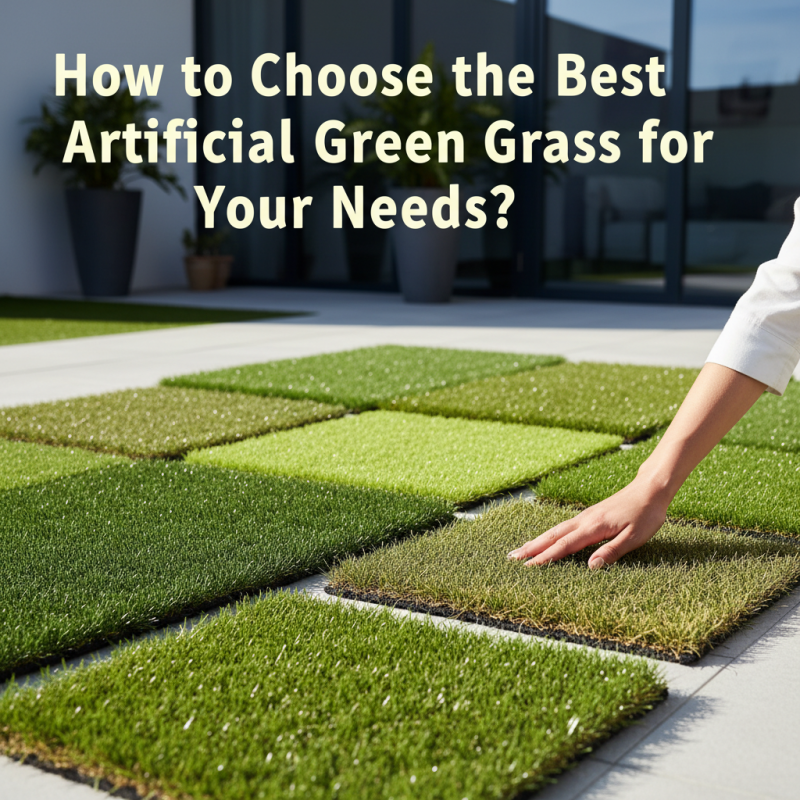
How to Choose the Best Artificial Green Grass for Your Needs?
Choosing the best artificial green grass for your needs requires careful consideration. The global artificial turf market is projected to reach $5.4 billion by 2025, showcasing its growing popularity. Many homeowners and businesses opt for "Artificial Green Grass" for its aesthetic appeal and low maintenance. Yet, not all products are created equal.
Understanding the variations in quality and materials is essential. Some artificial grasses use advanced technology for UV protection, while others may fade quickly under sunlight. Research indicates that premium-quality artificial grass can last up to 20 years. This creates value for those investing long term.
However, factors like surface texture and color can impact comfort and appearance. Customers often struggle to choose the right product, highlighting the need for better information. Gaining insights into this market can lead to more satisfying choices. Consider both your immediate needs and long-term goals when making a decision.
Factors to Consider When Choosing Artificial Green Grass
Choosing the right artificial green grass requires careful consideration of several factors. One vital aspect is the intended usage. Are you looking for a lawn for pets, children, or sports? Each application has different requirements. For instance, if pets will use the space, select turf designed for durability and easy cleaning.
Another factor is the grass's pile height. A taller pile offers a more lush and realistic look but may not be suitable for high-traffic areas. Shorter piles, on the other hand, are more durable and easier to maintain. Be mindful of the resilience of the grass, especially in climates with extreme weather conditions.
Tips: When evaluating options, check the shock absorption and drainage features. These aspects are crucial if the turf will be exposed to heavy rainfall or vigorous play. Also, consider the UV stability. Quality turf should resist fading even under strong sunlight.
Understanding infill materials is also essential. Some types provide better support and cushioning. Others might retain heat, making the surface uncomfortable in hot weather. It’s good to reflect on how these materials will perform in your specific setting. Always seek samples and visual guides to compare textures and colors. This can prevent regrets later on.
Types of Artificial Grass Available for Different Uses
When selecting artificial grass, understanding the types available is crucial. Various options cater to specific needs. For sports fields, high-durability turf is essential. It withstands heavy use and provides a consistent playing surface. Some products mimic natural grass well, while others focus on sturdiness.
For landscaping, aesthetic appeal matters. Soft, lush grass can enhance curb appeal. Consider color and blade texture. Different shades, from bright green to earthy tones, suit distinct environments. Pet-friendly alternatives are available, designed to resist wear and tear. Many of these also incorporate drainage features, beneficial for hygiene.
However, choosing the right type can be overwhelming. Many consumers feel lost amid choices. Research and expert advice can simplify the process. Reflect on your needs and space constraints. Evaluate how much traffic the area receives. Identify the ideal grass type that harmonizes with your lifestyle. This way, you ensure that your choice meets both aesthetic and practical requirements.
Evaluating Quality and Durability in Artificial Grass Products
When selecting artificial green grass, evaluating quality and durability is crucial. Industry studies show that high-quality artificial grass can last over 15 years with proper care. Manufacturers focus on UV resistance, weather durability, and drainage capabilities. Look for products with a strong backing that can withstand various climates and foot traffic. A grass blade height of 30-40 mm is ideal for a natural appearance.
Tips for quality assessment: Check for a warranty. A robust warranty often indicates confidence in the product’s durability. Also, assess the density of the grass. Denser blades offer more durability and better aesthetic appeal. Some reports suggest that a fiber density of over 10,000 stitches per square meter is a good benchmark to consider.
While evaluating these aspects, consider your specific needs. Some grass types are designed for heavy traffic areas, while others suit backyard aesthetics. Reflect on whether the product will hold up under your intended use. Understanding the balance between cost and quality is important. A cheaper product might save money now but could require early replacement.
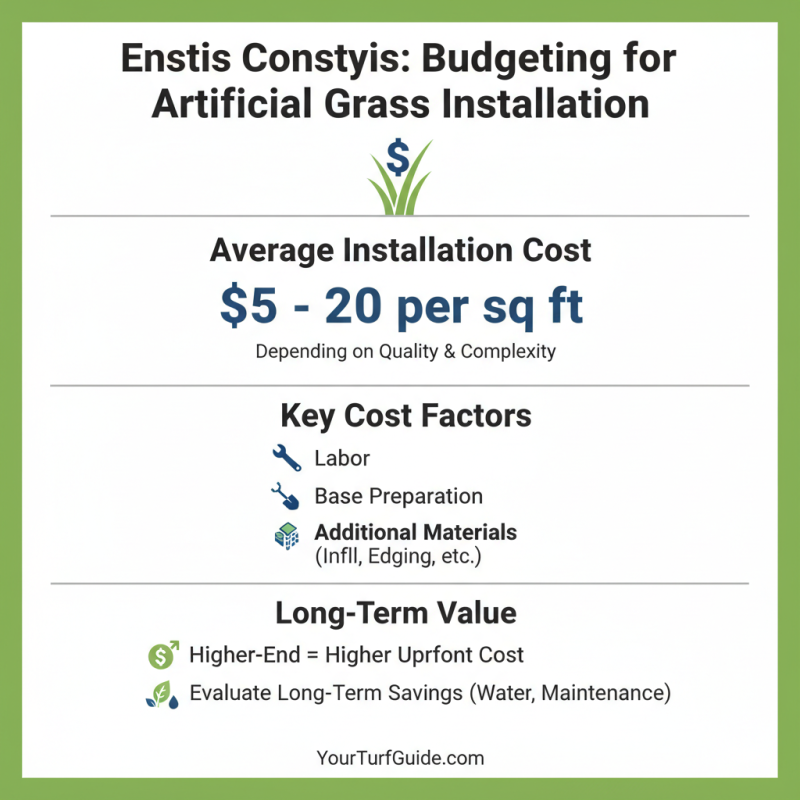
Cost Analysis: Budgeting for Artificial Grass Installation
When considering artificial grass, a cost analysis is crucial. The average installation cost ranges from $5 to $20 per square foot, depending on quality and complexity. Higher-end products may seem appealing but require a closer look at long-term expenses. Installation can include labor, base preparation, and additional materials, which add up quickly.
Budgeting for artificial grass should account for all these factors. A report from the Synthetic Turf Council notes that upfront costs could lead to savings over time. For instance, artificial grass eliminates the need for water, fertilizers, and lawn maintenance equipment. These savings can offset initial expenses, sometimes recouping costs in as little as five years.
However, there are pitfalls to avoid. Not every product offers the same durability or aesthetic appeal. Cheaper options may lead to dissatisfaction over time. Ensuring proper installation is vital; subpar work can lead to premature wear or poor drainage. Researching and considering expert opinions can help navigate these challenges.
Maintenance Requirements for Different Artificial Grass Options
When considering artificial grass, maintenance is a key factor. Different options come with varying upkeep requirements. Some types require minimal maintenance, while others need regular attention. Knowing these needs helps in making the best choice for your space.
For low-maintenance options, consider grass that is UV-resistant and designed to withstand wear and tear. This type of grass often requires brushing to maintain its appearance. Aim to clean it periodically to prevent dirt buildup. Regular rinsing can keep it fresh, especially after heavy rain.
Higher-end options may require more intensive care. They often have a more realistic look but may need more frequent brushing and grooming. Tips for upkeep include checking for weeds, which sometimes grow through seams. Additionally, look for any signs of wear. Keep an eye on the edges to ensure they remain secure. A proactive approach can help extend the life of your investment.
Maintenance Requirements for Different Artificial Grass Options