Top 10 Benefits of Artificial Soccer Grass for Your Field
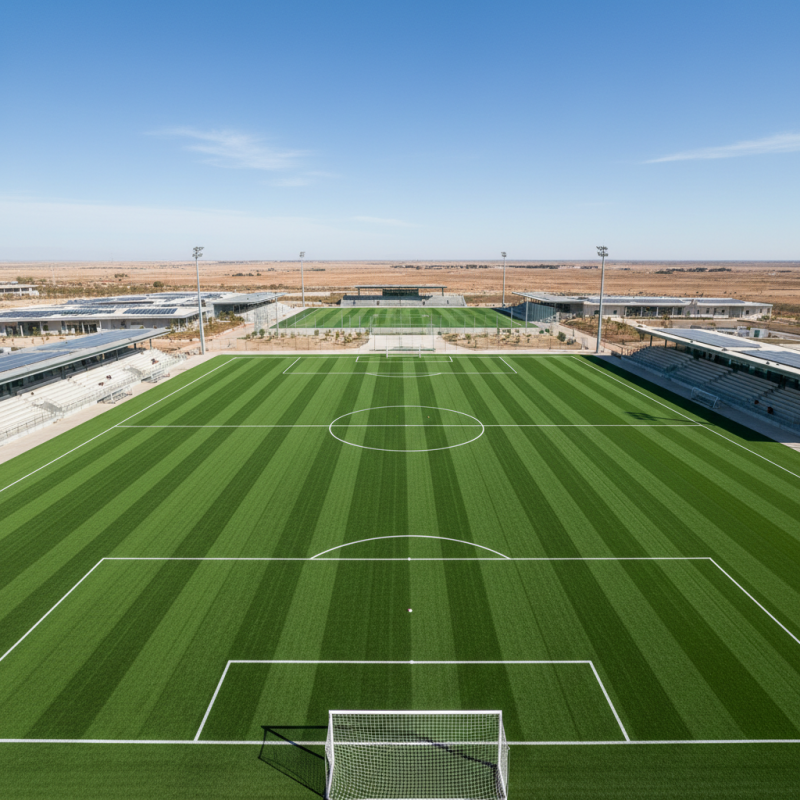
Artificial Soccer Grass has revolutionized the way we think about sports fields. Its durability and low maintenance needs have made it a popular choice for many clubs and schools. Players enjoy its consistent playing surface, which enhances their performance and reduces the risk of injuries.
One major advantage is the eco-friendliness of artificial grass. It requires no water, eliminating the need for irrigation. This can lead to significant savings for facilities. Additionally, the vibrant appearance of artificial soccer grass can attract more players and spectators to the field.
Despite these benefits, some may reflect on a few drawbacks. The initial installation cost can be high. However, the long-term savings on maintenance and water make it a worthwhile investment. Understanding these factors is essential for making informed decisions about field management.
Benefits of Reduced Maintenance Costs with Artificial Soccer Grass
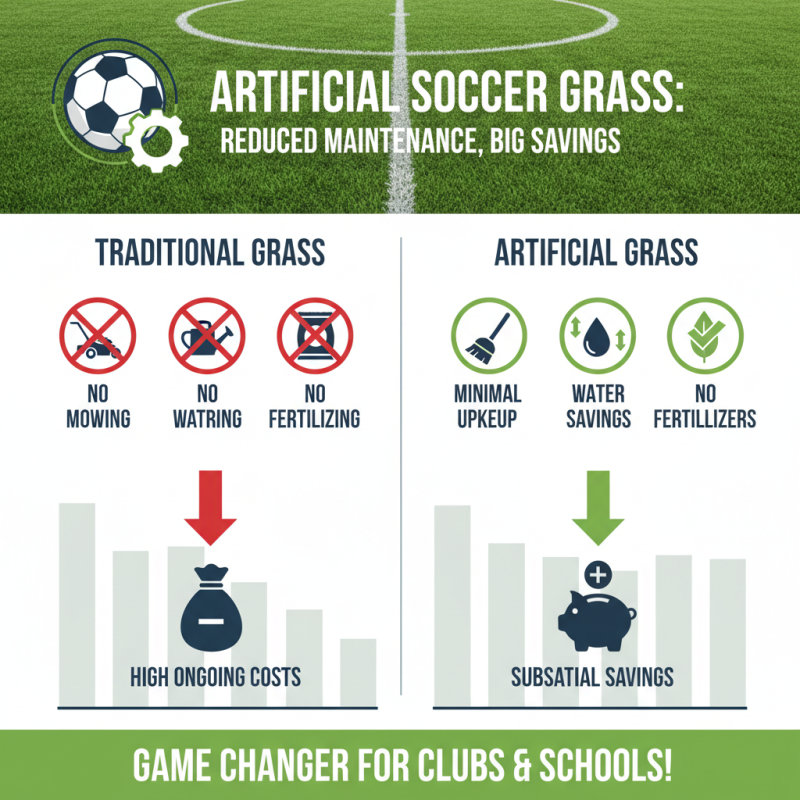
Artificial soccer grass is a game changer for any sports field. One of its most significant benefits is the reduction in maintenance costs. Traditional grass requires regular mowing, fertilizing, and watering. This can add up quickly over time. In contrast, artificial grass necessitates minimal upkeep. It doesn’t need watering or heavy fertilizers. This can lead to substantial savings for clubs and schools.
Consider this: with artificial grass, the need for irrigation drops significantly. This is vital in areas where water conservation is essential. Additionally, the durability of artificial grass means fewer replacements are needed. It can withstand harsh weather conditions and heavy foot traffic. Clubs can save on not just labor costs but also equipment costs, as less maintenance means fewer tools are required.
Tip: Plan regular inspections to ensure the artificial surface remains in good condition. While it requires less upkeep, occasional checks for damage or wear can prevent larger expenses later on. Another tip: engage with experts for installation. Professional installation can ensure the longevity and effectiveness of your turf, maximizing your investment.
Enhanced Playability: Consistent Surface All Year Round
Artificial soccer grass has transformed the way we engage with the sport. One standout benefit is its ability to provide a consistent surface throughout the year. Whether it's a rainy day or a sunny afternoon, players can always expect the same reliable playing field. This uniformity allows athletes to hone their skills without worrying about unpredictable ground conditions.
Moreover, the durability of synthetic turf reduces maintenance costs significantly. Traditional grass often requires regular upkeep, including mowing, watering, and fertilization. Artificial grass, on the other hand, stands resilient against wear and tear. This means teams can focus more on practice and games, rather than field maintenance. However, it's essential to choose the right type of synthetic grass and ensure proper installation.
While artificial grass enhances playability, some players might miss the feel of natural grass. The sensation of playing on real turf can be different, and this aspect often sparks debate among purists. Players have varying opinions on surface types, reflecting personal preferences and experiences. Balancing innovation with tradition remains a key conversation in the world of soccer.
Improved Player Safety with Artificial Turf Solutions
Player safety is a crucial concern in sports, especially on soccer fields. Artificial soccer grass offers numerous safety benefits. Studies indicate that synthetic turf reduces the risk of injuries significantly. A report by the American Journal of Sports Medicine found that players experienced 37% fewer injuries on artificial turf compared to natural grass.
One particular aspect of artificial turf is its consistent playing surface. This consistency helps prevent ankle sprains and other common injuries. When players run on smooth, even terrain, the likelihood of slipping decreases. In contrast, natural grass can become uneven and muddy, increasing the chance of falls.
Moreover, many artificial grass materials are designed to provide better shock absorption. This quality can soften impacts during play. According to the International Turfgrass Society, modern synthetic fields can reduce impact forces by up to 50%. This reduction is crucial for preventing long-term injuries, especially for young athletes. However, it is essential to monitor turf conditions regularly. Over time, wear and tear can affect performance and safety. Maintaining the quality of the turf is vital as its surface can deteriorate.
Top 10 Benefits of Artificial Soccer Grass for Your Field
This bar chart illustrates the top 10 benefits of artificial soccer grass, showcasing the improved player safety and various advantages it brings to soccer fields. Each benefit is represented by a percentage indicating its significance.
Environmental Advantages of Using Synthetic Grass in Soccer Fields
The use of synthetic grass in soccer fields presents significant environmental advantages. Unlike natural grass, artificial turf requires no fertilizers or pesticides. These chemicals often harm local ecosystems. By choosing synthetic options, fields can reduce chemical runoff that pollutes nearby water sources. This can lead to healthier habitats for local wildlife.
Water conservation is another key benefit. Soccer fields made of synthetic grass don't need regular watering. This feature is crucial in drought-prone areas. Natural grass consumes thousands of gallons of water each week. In contrast, artificial turf helps mitigate the water crisis.
Maintaining synthetic grass is also eco-friendly. Mowing and trimming are eliminated, which reduces carbon emissions from lawn equipment. With fewer maintenance needs, communities can focus on more sustainable practices. However, synthetic grass has its drawbacks, such as heat retention during sunny days. This can affect player comfort. Awareness of these concerns can lead to thoughtful implementation.
Top 10 Benefits of Artificial Soccer Grass for Your Field - Environmental Advantages of Using Synthetic Grass in Soccer Fields
| Benefit |
Description |
| Water Conservation |
Artificial grass eliminates the need for regular watering, saving thousands of gallons of water annually. |
| Reduced Chemical Use |
Synthetic fields do not require fertilizers, pesticides or herbicides, reducing chemical runoff into the environment. |
| Durability |
Artificial grass is designed to withstand heavy use and various weather conditions without degrading. |
| Increased Playability |
Synthetic fields provide a consistent playing surface, allowing for improved game performance. |
| Less Maintenance |
Artificial grass requires minimal upkeep compared to natural grass, reducing the environmental impact associated with maintenance. |
| Year-Round Use |
Synthetic fields can be used in various weather conditions, enabling year-round play without delays from turf conditions. |
| Safety |
Modern synthetic turf is designed with safety features that reduce the risk of injuries compared to natural grass. |
| Cost-Effectiveness |
While the initial installation is higher, the long-term savings on water, maintenance, and repairs make it cost-effective. |
| Aesthetic Appeal |
Synthetic grass maintains its vibrant color and uniform appearance all year round, enhancing the look of the field. |
| Environmental Impact |
Using artificial grass can contribute to reducing carbon footprints by minimizing water usage and chemical dependency. |
Longevity and Durability of Artificial Soccer Grass Compared to Natural Grass
Artificial soccer grass has gained popularity due to its longevity and durability compared to natural grass. Studies show that artificial turf can last 10 to 15 years, while natural grass requires frequent maintenance and lasts only a few years in high-use areas. According to a report by the Synthetic Turf Council, maintenance costs for natural grass fields can reach up to $25,000 annually. This contrasts sharply with the lower upkeep needs of artificial turf.
Artificial fields resist wear and tear better, especially under heavy foot traffic. A 2019 report indicated that artificial fields can endure over 3,000 hours of play each year, whereas natural grass may only manage 800 hours before showing signs of stress. Additionally, artificial turf remains green and intact regardless of weather conditions, eliminating the need for the rest periods that natural grass necessitates.
Tip: Consider the climate in your area when choosing between artificial and natural grass. Extreme weather can affect the longevity of natural grasses. Another point to ponder is the potential for heat retention in artificial turf. In warmer climates, it might lead to higher surface temperatures. Tip: Regular maintenance, such as infill replenishment, can enhance the performance of artificial grass. Overall, while artificial soccer grass comes with clear durability benefits, it is crucial to weigh these factors against potential downsides when making a decision.