The Ultimate Guide to Landscaping Artificial Grass for a Perfect Outdoor Oasis
In recent years, the demand for
Landscaping Artificial Grass
has surged, reflecting a broader shift towards sustainable and low-maintenance outdoor solutions.
According to a report by Grand View Research, the artificial turf market is projected to reach
$5.4 billion by 2025, driven by increasing awareness
of water conservation and landscaping aesthetics. This trend highlights a growing recognition of
the benefits that synthetic turf offers, including reduced water usage by up to
70%
compared to natural grass and minimal maintenance requirements.
As homeowners and landscape professionals seek to create the perfect outdoor oasis, understanding
the nuances of
Landscaping Artificial Grass
becomes essential. This ultimate guide aims to provide invaluable tips and insights to help you
navigate the profound benefits and practical applications of artificial grass, ensuring a beautiful,
durable, and eco-friendly landscape.
10 Essential Tips for Choosing the Right Artificial Grass for Your Garden
When choosing the right artificial grass for your garden, there are several essential factors to consider that can significantly impact both aesthetics and functionality. According to a report by the Synthetic Turf Council, the synthetic turf market was valued at approximately $2.9 billion in 2020 and is projected to grow at a CAGR of 6.6% through 2027. This booming industry reflects a growing preference for sustainable landscaping solutions that require less maintenance than natural grass.
One critical tip is to assess the type of infill used in the artificial grass. Infill materials can affect the durability and comfort of the grass underfoot. For example, silica sand is commonly used for its drainage properties, while rubber infill provides added cushioning. Furthermore, consider the grass's fiber quality and density; options like polyethylene and nylon offer enhanced resilience and appearance. Lastly, be sure to check for UV stabilization features, as products with UV protection can prevent color fading and ensure the grass maintains its lush appearance over time. These informed choices will help you achieve the perfect outdoor oasis that not only looks great but also stands the test of time.
5 Key Steps to Prepare Your Lawn for Artificial Turf Installation
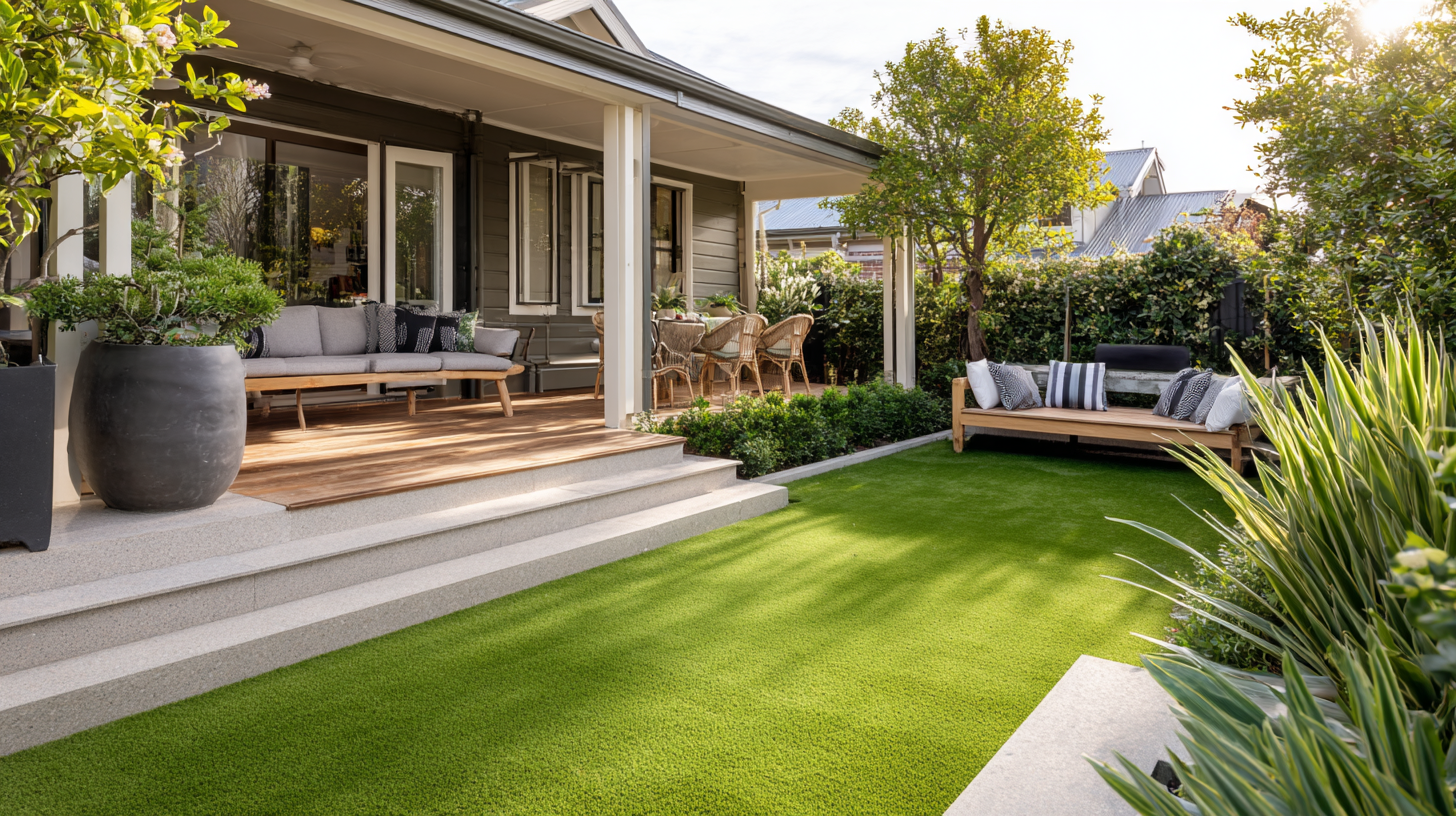
Preparing your lawn for the installation of artificial grass is essential to achieving a perfect outdoor oasis. Here are five key steps that can help ensure a smooth transition to your new landscape.
First, assess your existing lawn condition. Remove any debris, dead grass, or weeds. A clean foundation is crucial for proper drainage and a seamless look once the artificial turf is laid down. Next, level the ground; fill in any low spots and compact the soil to create an even surface. This prevents sagging or uneven areas in your new turf.
**Tips:** Ensure irrigation systems are properly adjusted or removed as artificial grass does not require watering. Additionally, consider installing a weed barrier fabric before laying down the turf; this will help prevent any pesky weeds from poking through in the future. Finally, once the turf is installed, regular maintenance such as brushing and cleaning will keep it looking vibrant and fresh for years to come.
By following these steps, you can effectively prepare your lawn, ensuring that your artificial grass installation looks stunning and serves your outdoor space beautifully.
7 Creative Landscaping Ideas to Enhance Your Artificial Grass Oasis
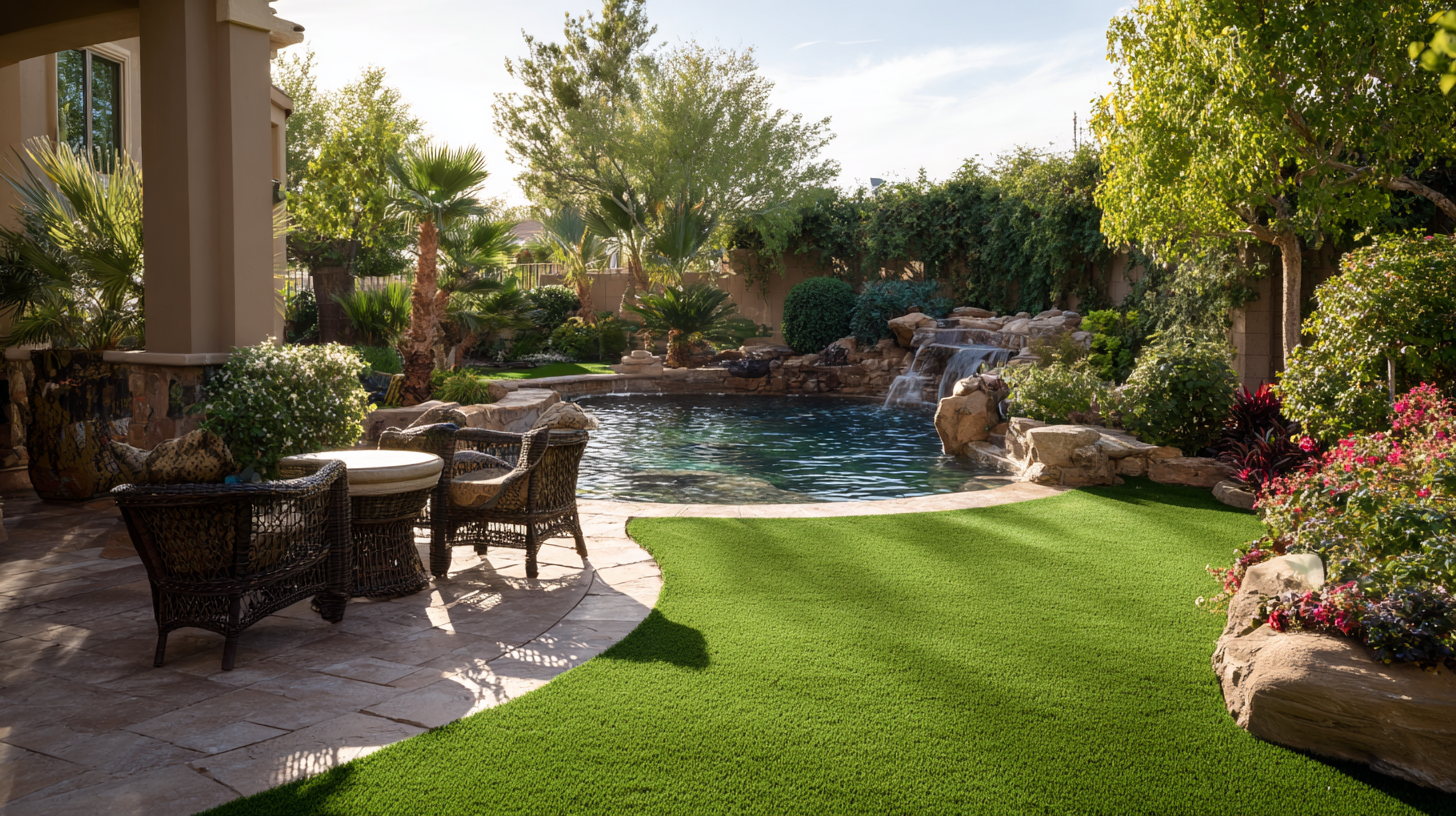
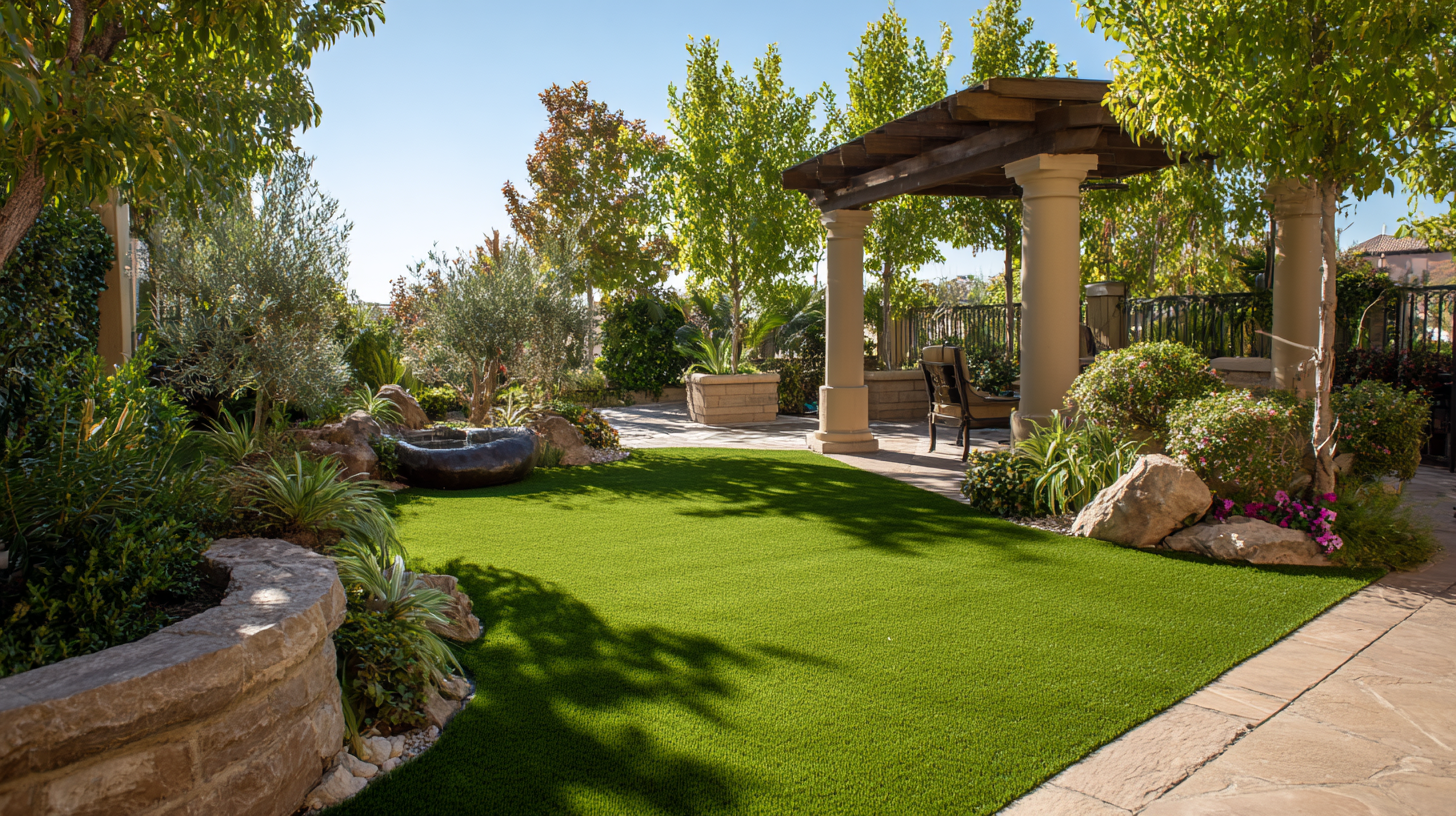
Transforming your outdoor space into an artificial grass oasis can be enhanced with creative landscaping ideas that bring life and texture to your garden. One effective approach is to incorporate vibrant flower beds around the perimeter of your artificial grass area. Choose native plants that thrive in your climate, allowing for a beautiful contrast with the lush green of the grass while attracting local wildlife such as butterflies and birds.
Another innovative idea is to add decorative pathways using stones or pavers that lead through your oasis. These pathways not only provide a functional route but also create visual interest and can segment different areas of your garden. Additionally, consider incorporating raised garden beds or vertical planters filled with herbs and colorful plants. This not only adds height and dimension but also ensures easy access for maintenance and harvesting, turning your outdoor space into a functional and picturesque retreat.
The Ultimate Guide to Landscaping Artificial Grass for a Perfect Outdoor Oasis - 7 Creative Landscaping Ideas to Enhance Your Artificial Grass Oasis
| Idea |
Description |
Benefits |
Estimated Cost |
| Decorative Gravel Borders |
Use colorful gravel to outline your artificial grass area. |
Enhances visual appeal, reduces weeds. |
$200 - $500 |
| Flower Beds |
Integrate flower beds around the artificial turf. |
Adds color and fragrance. |
$300 - $800 |
| Pathways |
Create stone or paver pathways through the grass. |
Guides movement, adds contrast. |
$500 - $1500 |
| Outdoor Furniture |
Incorporate stylish furniture for relaxation. |
Increases usability, enhances comfort. |
$700 - $2000 |
| Water Features |
Install fountains or ponds for tranquility. |
Creates ambiance, attracts wildlife. |
$1000 - $5000 |
| Lighting |
Utilize solar or LED lights to highlight features. |
Enhances safety and aesthetics at night. |
$300 - $1200 |
| Garden Art |
Include sculptures or decorative items. |
Personalizes space, sparks conversation. |
$100 - $2000 |
12 Maintenance Hacks for Keeping Your Artificial Lawn Looking Fresh
Keeping your artificial lawn looking fresh and vibrant requires a bit of dedication, but with the right maintenance hacks, you can achieve a stunning outdoor space. One essential tip is to regularly brush your artificial grass. Using a stiff-bristled broom or a specialized rake, gently lift the blades to prevent matting and maintain an upright appearance. This simple step not only revives the grass's appearance but also ensures that any debris is easily removed.
Another crucial maintenance hack is managing pet waste effectively. If you have pets, promptly removing solid waste is important to prevent odors and staining. Rinse the area with water to dilute any residues, and consider using a pet-friendly enzymatic cleaner to break down any organic matter. Additionally, applying a layer of infill can help absorb odors and give your lawn a more natural look, keeping it fresh year-round.
Lastly, avoid using harsh chemicals for cleaning, as they can damage the fibers of your artificial grass. Instead, opt for mild soap and water for routine clean-ups. Regularly inspecting your lawn for debris and fixing any damaged seams or edges will also contribute to maintaining its pristine condition. By implementing these simple yet effective hacks, your artificial lawn can remain a perfect oasis for your outdoor enjoyment.
3 Common Mistakes to Avoid When Installing Artificial Grass in Your Yard
When installing artificial grass in your yard, avoiding common pitfalls is essential to ensure a successful transformation into a lush outdoor oasis. One prevalent mistake homeowners make is failing to properly prepare the soil beneath the artificial turf. According to the Synthetic Turf Council, inadequate ground preparation can lead to drainage issues and result in uneven surfaces, which can compromise the longevity and appearance of your landscaping. It’s crucial to remove any existing grass, rocks, or debris and ensure a smooth, leveled base to facilitate proper drainage and support the grass structure.
Another common mistake is neglecting the importance of choosing the right type of artificial grass suitable for the intended use. Varying types of synthetic turf are designed for different functions, such as heavy foot traffic versus aesthetic appeal. The American Society for Testing and Materials emphasizes the necessity of selecting grass with appropriate pile height and density for your specific needs. For instance, a higher pile height may provide a more realistic look but could also be less durable in high-traffic areas. Therefore, conducting thorough research or consulting with a professional can optimize your choice, ensuring that the installed grass not only enhances your yard's beauty but also withstands the test of time.