Transform Your Space with Innovative Vertical Green Wall Designs for Modern Living
In recent years, the concept of Vertical Green Walls has emerged as a transformative solution in modern living spaces, redefining urban aesthetics and promoting sustainability. According to a report by the International Society of Horticultural Science, vertical gardens can reduce indoor air pollution by up to 60%, making them a vital addition to contemporary architecture. Furthermore, a study published in the Journal of Urban Ecology reveals that integrating green walls can lower energy consumption for heating and cooling by approximately 30%, showcasing their potential for eco-friendly living. As urbanization continues to rise, the demand for innovative designs that enhance both visually and environmentally the spaces we inhabit is more pressing than ever. Embracing Vertical Green Walls not only elevates the decor of residential and commercial properties but also contributes significantly to a healthier urban ecosystem.
Understanding the Concept of Vertical Green Walls in Modern Decor
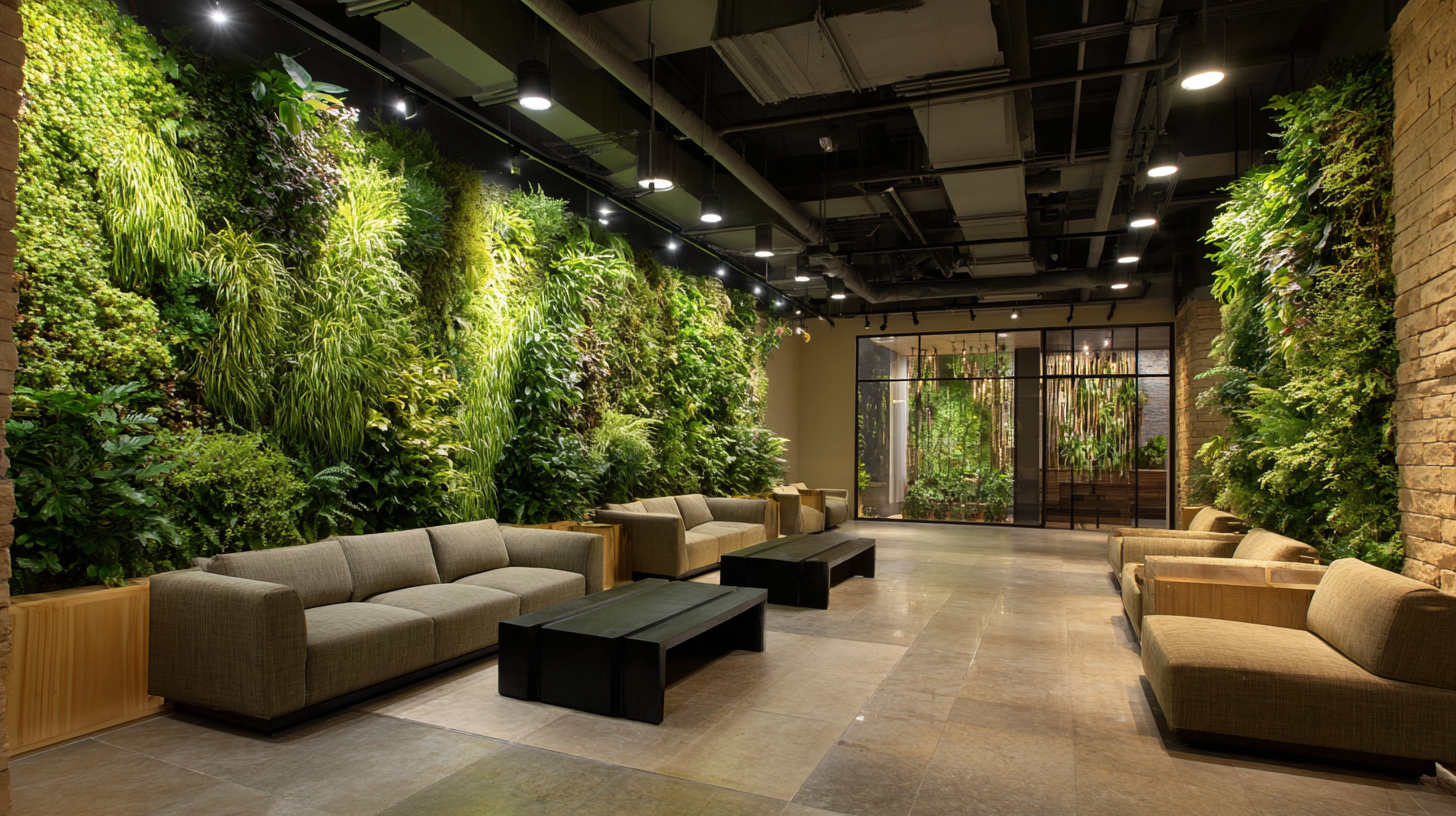
Vertical green walls are rapidly gaining traction in modern decor, becoming a staple in innovative design that merges aesthetics with functionality. These living walls not only enhance the visual appeal of a space but also contribute to improved air quality and a sense of tranquility. With the global wall art market projected to grow significantly, incorporating vertical gardens into interiors presents a unique opportunity to elevate environments while aligning with sustainable practices.
**Tips:** When designing your vertical green wall, consider the types of plants that thrive indoors. Opt for species that require low maintenance and can adapt to varying light conditions. Additionally, think about the layout; arranging plants in a manner that plays with colors and textures can create a stunning focal point in any room.
In the realm of modern decor, vertical green walls serve as a bridge between nature and design. They encourage a connection to the outdoors, adding life to indoor spaces that might otherwise feel sterile. With awards like the Modern Decor International Media Awards highlighting innovative design, it’s clear that the trend of vertical gardens reflects a broader shift towards embracing greenery in our homes and workplaces.
**Tips:** Utilize smart irrigation systems to ensure your green wall remains hydrated without excessive effort. This technology not only saves time but also helps maintain the health and vitality of your plants.
Transform Your Space with Innovative Vertical Green Wall Designs
This chart showcases the popularity of vertical green walls in modern decor based on various aspects such as aesthetic appeal, air quality improvement, and space utilization. Understanding these dimensions can help you appreciate the impact of vertical green walls in your living spaces.
Choosing the Right Plants for Your Vertical Green Wall Design
When designing a vertical green wall, selecting the right plants is crucial to ensure both aesthetic appeal and environmental benefits. According to a report by the World Green Building Council, incorporating greenery into urban spaces can improve air quality by up to 30% and reduce the urban heat island effect. Therefore, it's essential to choose plants that thrive in vertical systems while providing these ecological advantages.
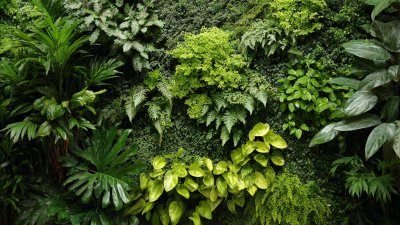
Opt for plants such as ferns, philodendrons, and succulents, which are known for their hardiness and ability to adapt to varying light conditions. Studies from the American Society of Landscape Architects highlight that plants like the snake plant and pothos not only purify indoor air but also require minimal maintenance, making them ideal for modern living. Additionally, integrating a mix of flowering plants can enhance the visual landscape, providing seasonal color that elevates the overall aesthetic of the space. By carefully selecting the right species, homeowners can create a vibrant and sustainable vertical garden that enhances their living environment.
Step-by-Step Guide to Installing a Vertical Green Wall at Home
Installing a vertical green wall at home can transform your living space into a lush oasis. The first step involves selecting the right location. Aim for a spot that receives adequate sunlight, typically near a window or a well-lit area. Once you've determined the ideal position, it's essential to choose appropriate plants that thrive vertically. Opt for low-maintenance varieties like ferns, succulents, or herbs, depending on the light and humidity conditions of your home.
Next, you will need to decide on the structure of your vertical garden. There are various options, from wall-mounted planters to modular grids or pocket systems. Ensure that the chosen structure allows for proper drainage and airflow to keep your plants healthy. After assembling your green wall, carefully arrange your plants in a way that provides visual interest and balance. Remember to plan for regular maintenance, including watering and pruning, to keep your vertical garden thriving. Embrace the beauty of nature within your home as you enjoy the benefits of cleaner air and an inspiring design.

Creative Layout Ideas for Enhancing Space with Green Walls
Vertical green walls are becoming a staple in modern interior design, not only for their aesthetic appeal but also for their environmental benefits. According to a 2022 report by the Green Building Council, incorporating vertical gardens can improve air quality and reduce indoor pollution by up to 30%. These innovative designs allow homeowners to transform their living spaces into lush havens, enhancing the mood and providing a natural touch to urban environments.
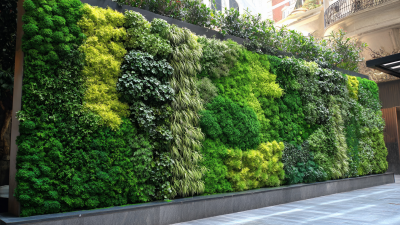
When planning a vertical garden, consider creative layout ideas that maximize space while ensuring the greenery thrives. For instance, using modular planting systems can allow for customized arrangements and easy maintenance. Additionally, utilizing various plant species with different textures and colors can create visual interest and depth.
**Tips:** Start small with easy-to-care-for plants such as succulents or ferns, and gradually expand as you gain confidence. Ensure proper lighting and irrigation; installing a drip irrigation system can simplify care and help maintain the health of your green wall. Lastly, remember to consider the wall's orientation to select the right plants suited for either sunlit or shaded areas.
Transform Your Space with Innovative Vertical Green Wall Designs for Modern Living
| Design Element |
Description |
Benefits |
Ideal Space |
| Modular Grid System |
A flexible wall panel system allowing for various plant arrangements. |
Customizable and easy to install, creating dynamic aesthetics. |
Living Rooms, Offices |
| Hydroponic Wall |
A wall embedded with hydroponic systems for growing plants without soil. |
Water-efficient, ideal for urban settings where space is limited. |
Kitchens, Balconies |
| Living Art Installation |
A structured design featuring plants arranged artistically on a wall. |
Creates a focal point, enhancing the visual appeal of the space. |
Entryways, Galleries |
| Vertical Terrariums |
Glass containers mounted on walls with various plants inside. |
Low maintenance and adds a unique sculptural element. |
Living Rooms, Offices |
| Seasonal Plant Rotation |
Incorporating seasonal plants into green wall designs for variety. |
Keeps the design fresh and lively throughout the year. |
Patios, Sunrooms |
Maintenance Tips for Sustaining Your Vertical Garden Long-Term
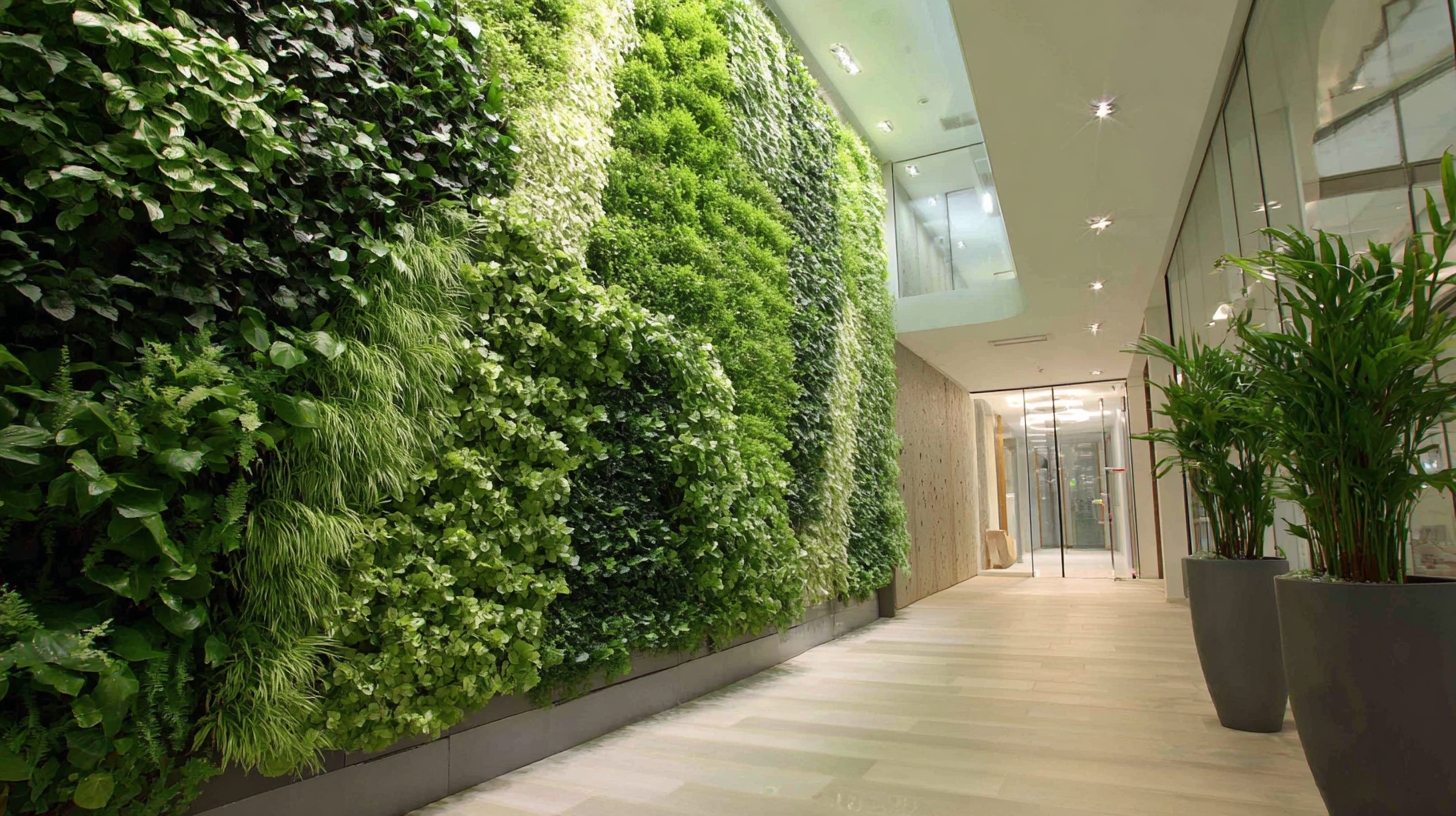 Creating a sustainable vertical garden requires attention to maintenance to ensure it thrives in a modern living space. Regular watering is crucial, as vertical gardens can dry out faster than traditional gardens. Implementing a drip irrigation system can simplify the process and keep plants hydrated consistently. Additionally, it's important to monitor the moisture level of the growing medium, as overwatering can be just as detrimental as underwatering. Using a moisture meter can help in determining the right balance.
Fertilization is another key element in sustaining the health of a vertical garden. Incorporating slow-release fertilizers or organic compost can provide the necessary nutrients that plants need to flourish. It's advisable to fertilize during the growing season and to choose plants that have similar nutrient requirements to simplify care. Finally, regular pruning and deadheading will not only promote a bushier growth but also prevent diseases by eliminating dead or dying foliage. Keeping an eye out for pests and addressing any issues quickly will further ensure the longevity of your vertical garden, making it a sustainable green feature in your modern living space.