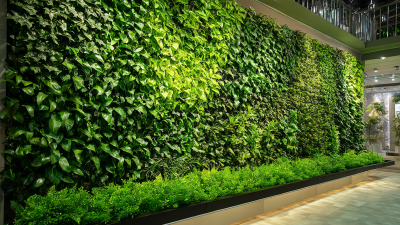
Transform Your Space with Stunning Plant Grass Walls for a Sustainable Lifestyle
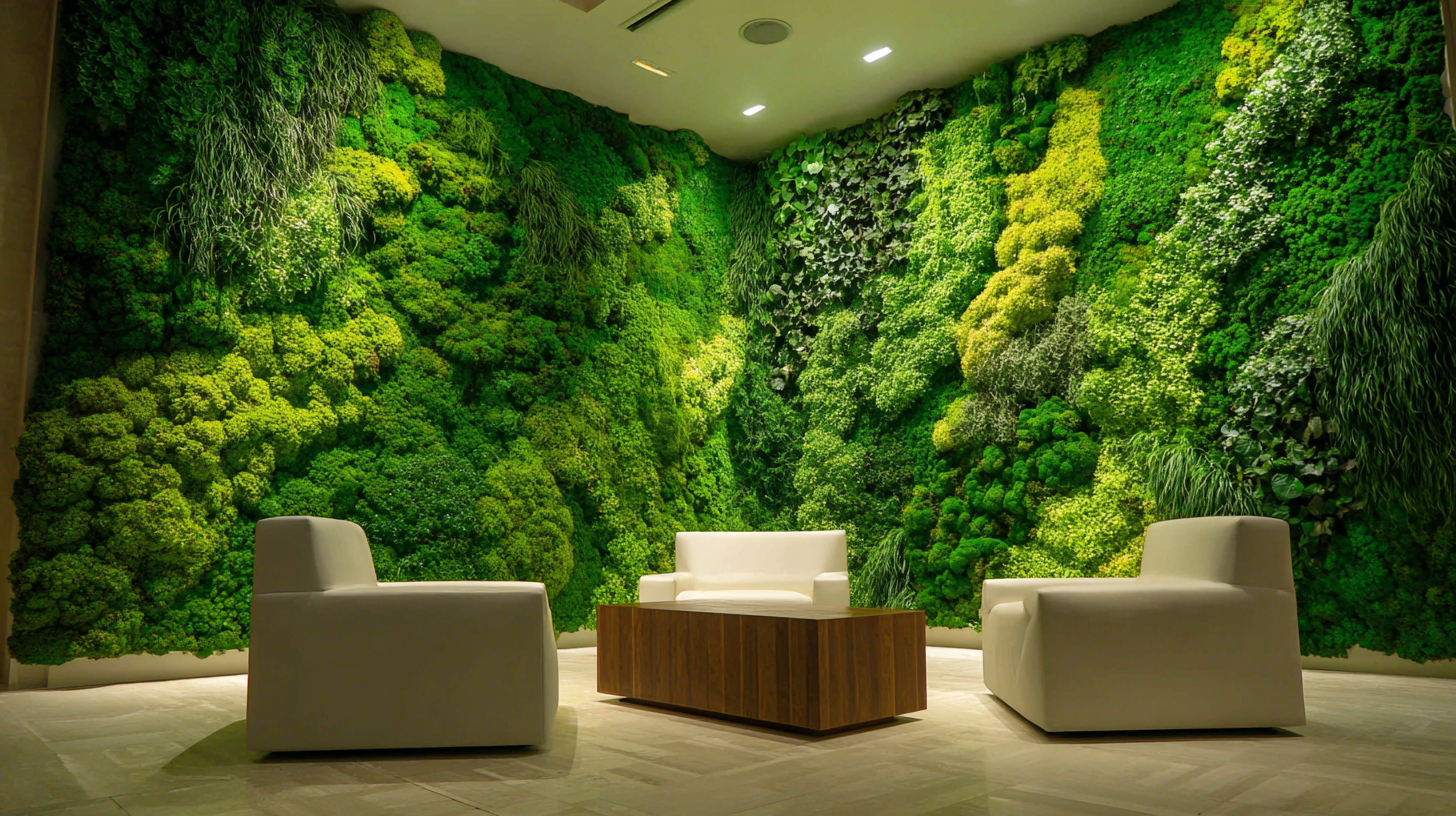
Transforming your living environment into a sustainable oasis has never been easier, thanks to the innovative use of Plant Grass Walls. These stunning vertical gardens not only enhance the aesthetic appeal of your space but also promote a healthier lifestyle by improving air quality and providing a calming, natural atmosphere. As people increasingly seek ways to harmonize their interiors with nature, Plant Grass Walls emerge as the perfect solution to achieve both beauty and eco-friendliness.
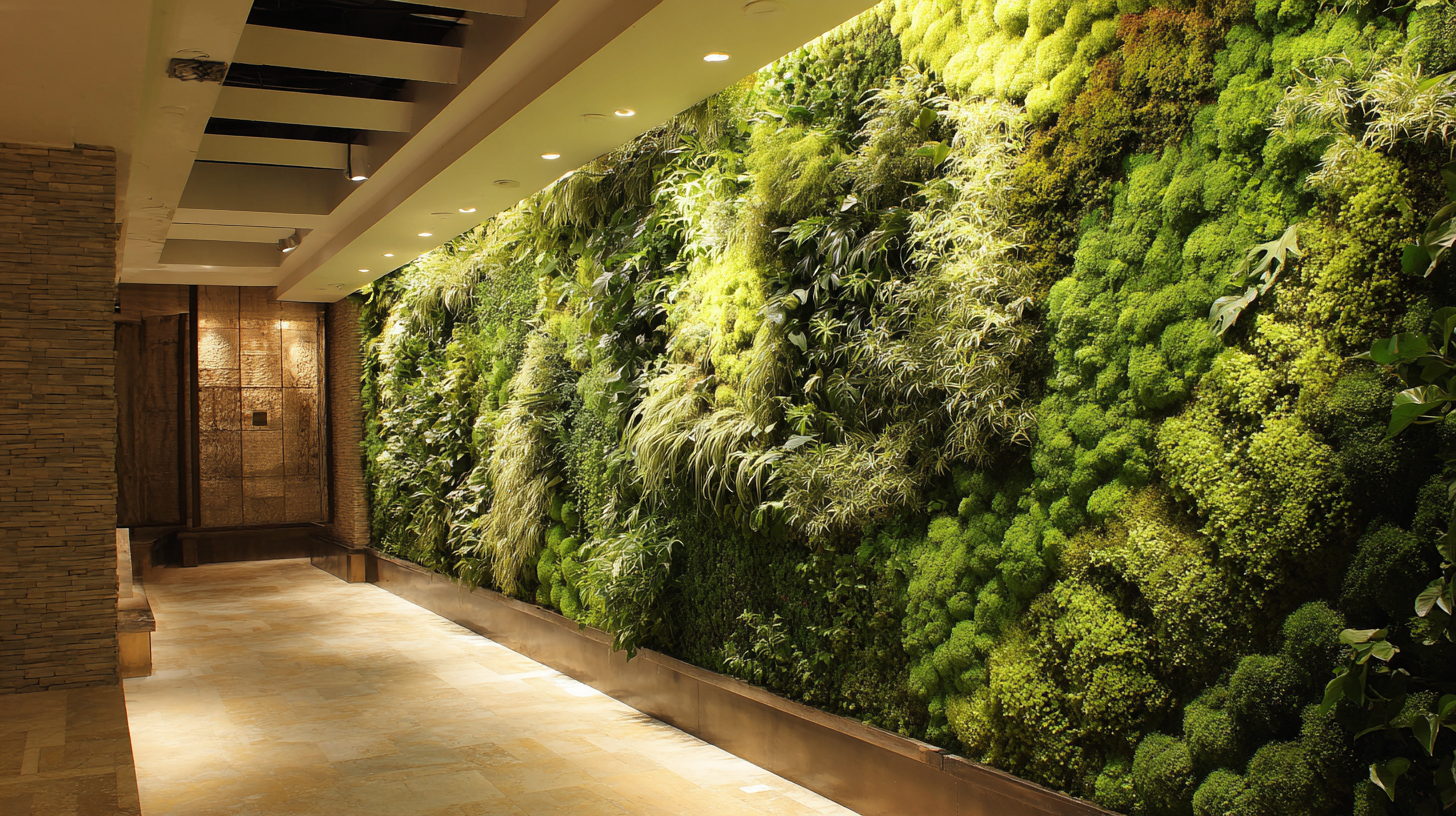
In recent years, the trend of incorporating green elements into our indoor spaces has gained momentum, motivated by a collective desire for sustainable living. Plant Grass Walls serve as an inspiration for this movement, allowing individuals to create vibrant, lush landscapes right within their homes or offices. Featuring a variety of plant species, these walls act as natural air purifiers and insulators, thus improving energy efficiency while reducing noise levels.
Ultimately, integrating Plant Grass Walls into your space not only transforms its appearance but also fosters a
deeper connection with the environment. By embracing this eco-conscious design choice, you can contribute to a more sustainable lifestyle while enjoying the numerous benefits that come with bringing nature indoors.
Understanding the Benefits of Plant Grass Walls for Sustainable Living
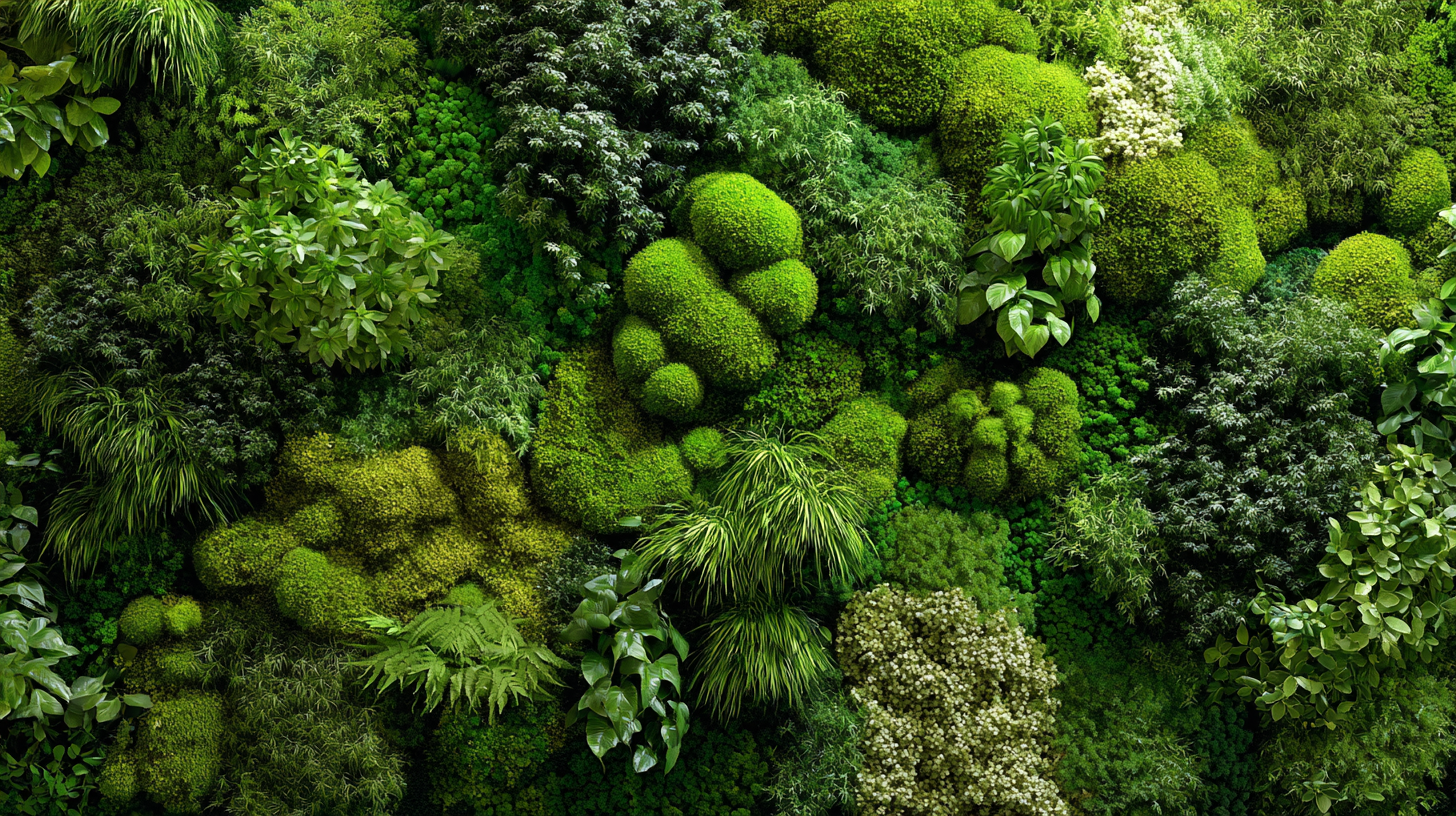 Plant grass walls are revolutionizing the concept of sustainable living by blending aesthetics with environmental benefits. One significant advantage of these vertical gardens is their ability to improve air quality. By incorporating a variety of plants, these walls naturally filter pollutants and carbon dioxide, releasing oxygen into the atmosphere. This process not only enhances indoor air quality but also contributes to a healthier living environment, reducing allergies and respiratory issues.
Moreover, plant grass walls play a crucial role in temperature regulation. They act as insulators, reducing the need for artificial heating and cooling systems. This energy efficiency leads to lower utility bills and a smaller carbon footprint. Additionally, the presence of greenery has been shown to reduce stress and increase overall well-being, promoting a tranquil atmosphere within homes and workplaces. By integrating plant grass walls into our spaces, we not only create a visually stunning environment but also embrace a lifestyle that prioritizes sustainability and wellness.
Essential Materials for Creating Your Own Plant Grass Wall
Creating a plant grass wall is a fantastic way to enhance your living space while promoting a sustainable lifestyle. To get started, you’ll need essential materials that will ensure a successful installation. First, sturdy wooden panels or a trellis frame serve as the backbone of your grass wall, providing the necessary support for the plants to thrive. Ensure that the wood is treated to withstand moisture, as this will prolong the life of your installation.
Next, select a variety of grass and plant species that suit your aesthetic and environmental conditions. Choosing native plants not only enhances biodiversity but also requires less maintenance. You will also need soil, preferably a high-quality, well-draining mix, to provide nourishment for your plants.
For added convenience, consider using a modular planting system that simplifies the assembly process and allows for easy rearrangement of plants. Additionally, irrigation tools, such as drip lines or a simple watering can, will help you maintain the wall’s health without excessive water usage. With these materials in hand, you can transform your space into a vibrant green oasis, contributing to a healthier planet.
Step-by-Step Guide to Designing a Stunning Grass Wall at Home
Creating a stunning grass wall at home is an eco-friendly way to enhance your space while promoting a healthier lifestyle. Start by selecting the right wall area that receives sufficient light and is easily accessible for maintenance. Choose a sturdy backing material like plywood or metal mesh to support the grass. Consider different types of grass or moss that thrive in indoor environments, ensuring that you select species suitable for your climate and the lighting conditions of your space.
Once you have prepared your materials, it's time to design your grass wall. Begin by sketching a layout that reflects your personal style, whether you prefer geometric patterns or organic designs. Attach the backing to the wall using screws or adhesive, and carefully plant the grass in the designated spaces. Regularly water and nurture your grass wall to ensure it stays vibrant and healthy. With a little creativity and effort, you can transform any room into a green oasis that not only beautifies your environment but also contributes to a sustainable lifestyle.
Transform Your Space with Stunning Plant Grass Walls for a Sustainable Lifestyle
| Dimension |
Description |
Benefits |
Maintenance Tips |
| Size |
Customizable to fit any wall space |
Enhances aesthetic appeal |
Regular watering and light maintenance |
| Material |
Natural grass plants, soil, and organic support |
Eco-friendly and sustainable |
Use organic fertilizers and pesticides |
| Location |
Indoor or outdoor settings |
Improves air quality and ambiance |
Monitor for pests and mold |
| Cost |
Varies based on size and materials |
Cost-effective over time due to energy savings |
Invest in quality materials to minimize replacements |
| Style |
Modern, rustic, or tropical themes |
Personalizes living spaces |
Use variety of plants for diverse looks |
Maintenance Tips for Ensuring Longevity of Your Grass Wall
Creating a stunning plant grass wall not only enhances your space aesthetically but also promotes a sustainable lifestyle by improving air quality and providing natural insulation. However, to ensure the longevity of your grass wall, proper maintenance is crucial. Regularly check for signs of wear and ensure that the plants are getting adequate sunlight and water. Incorporating a well-draining system can prevent root rot, while periodic trimming will keep the grass looking fresh and vibrant.
Additionally, consider the choice between natural and artificial options for your grass wall. While natural grass requires consistent care, advanced artificial grass products can offer a low-maintenance alternative that maintains a lively appearance without the hassle of watering or mowing. Whichever option you choose, investing time in proper maintenance practices will ultimately enhance the beauty and lifespan of your grass wall, allowing you to enjoy its benefits for many years to come.
Exploring the Environmental Impact of Indoor Vertical Gardens on Air Quality
Indoor vertical gardens, or green walls, have emerged as a transformative element in sustainable living, significantly enhancing air quality. A study published by the National Center for Biotechnology Information found that indoor plants can reduce volatile organic compounds (VOCs) by 50-90% in just a few hours. This remarkable ability to purify air is vital in urban settings where indoor air pollution poses serious health risks. By incorporating a plant grass wall into your indoor space, you're not just creating an aesthetic focal point; you're investing in a healthier environment for yourself and your family.
Moreover, vertical gardens contribute to increased humidity levels, which can combat dryness in indoor air. According to a report from the World Health Organization, adequate humidity can help reduce respiratory issues and create a more comfortable living environment. Beyond their health benefits, these green installations act as natural insulators, helping to regulate indoor temperatures and potentially lowering energy consumption. As sustainable communities strive for greener lifestyles, integrating plant walls offers an innovative solution to enhance both air quality and environmental consciousness in our homes.