Transform Your Space: The Ultimate Guide to Choosing the Best Green Wall Plants
In recent years, the concept of incorporating Green Wall Plants into indoor and outdoor spaces has gained significant traction, not only for their aesthetic appeal but also for their numerous environmental benefits. A report by the National Institute of Health states that green walls can improve air quality by reducing pollutants and increasing humidity levels, making spaces healthier for occupants.
Additionally, according to a survey conducted by the Green Building Council, 78% of architects and designers are increasingly considering biophilic design elements, including vertical gardens, to enhance the well-being of building inhabitants. Selecting the right Green Wall Plants is crucial, as it can greatly impact the sustainability and visual impact of your space. This guide aims to equip you with essential tips and insights for choosing the most suitable green wall plants to transform your environment into a thriving, green oasis.
Choosing the Right Green Wall Plants for Your Space
Choosing the right green wall plants for your space can significantly enhance the aesthetics and atmosphere of your environment. When selecting plants, consider the light conditions of the area. For instance, bright, indirect light can support a variety of species, such as pothos and spider plants, which thrive in such settings. Conversely, for low-light environments, opting for resilient plants like ferns or peace lilies can ensure that your green wall remains lush and vibrant without requiring excessive maintenance.
Additionally, it's crucial to think about the overall theme and purpose of your space when choosing green wall plants. If the goal is to create a calming ambiance, consider incorporating a mix of soft-textured plants like philodendrons and string of hearts. On the other hand, a more modern and sleek look can be achieved with succulents and air plants, which require less water and can be arranged in various visually appealing patterns. By carefully selecting plants that harmonize with both the lighting and aesthetic of your space, you can create a stunning green wall that elevates your interior design.
Top 5 Easy-to-Maintain Green Wall Plants for Beginners
Creating a green wall can transform an ordinary space into a vibrant oasis, and for beginners, selecting the right plants is crucial. Here are five easy-to-maintain green wall plants that thrive in various settings.
First on the list is the Pothos, known for its hardy nature and adaptability. With its heart-shaped leaves, it not only purifies the air but also thrives in different lighting conditions, making it perfect for beginners. Following closely is the Spider Plant, which is equally forgiving and produces “baby” plants that can be propagated easily. Its unique appearance adds an interesting element to any vertical garden.
Another excellent option is the Philodendron, celebrated for its lush foliage and resilience. Its climbing ability allows it to elegantly cascade down a wall. For those who prefer something floral, consider the String of Hearts; its trailing vines and purple-hued leaves will bring charm and beauty to your space. Lastly, the ZZ Plant is almost indestructible, requiring minimal light and water, making it ideal for busy individuals. With these selections, your green wall can flourish with minimal effort.
Top 5 Easy-to-Maintain Green Wall Plants for Beginners
Tips for Selecting Green Wall Plants Based on Light Conditions
Creating a vibrant green wall can transform any space, making it not only more visually appealing but also improving air quality. One of the key factors to consider when choosing plants for your green wall is the light conditions of the area.
Different plants have varying light requirements, and understanding these needs is crucial for ensuring your wall thrives.
When selecting plants, assess the amount of natural light your wall receives throughout the day. For low-light areas, consider shade-tolerant varieties such as
pothos, ferns, or peace lilies. These plants can flourish even with minimal sunlight, offering lush greenery without the need for bright conditions. Conversely, if your space boasts abundant light, opt for sun-loving plants like
succulents, cacti, or herbaceous flowering plants that require more sunlight to thrive.
Additionally, remember to rotate your plants occasionally if they seem to lean towards the light source. This simple act encourages even growth and keeps your green wall looking lively. By carefully considering light conditions, you can choose the best plants for your green wall, ensuring a
beautiful and sustainable indoor garden.
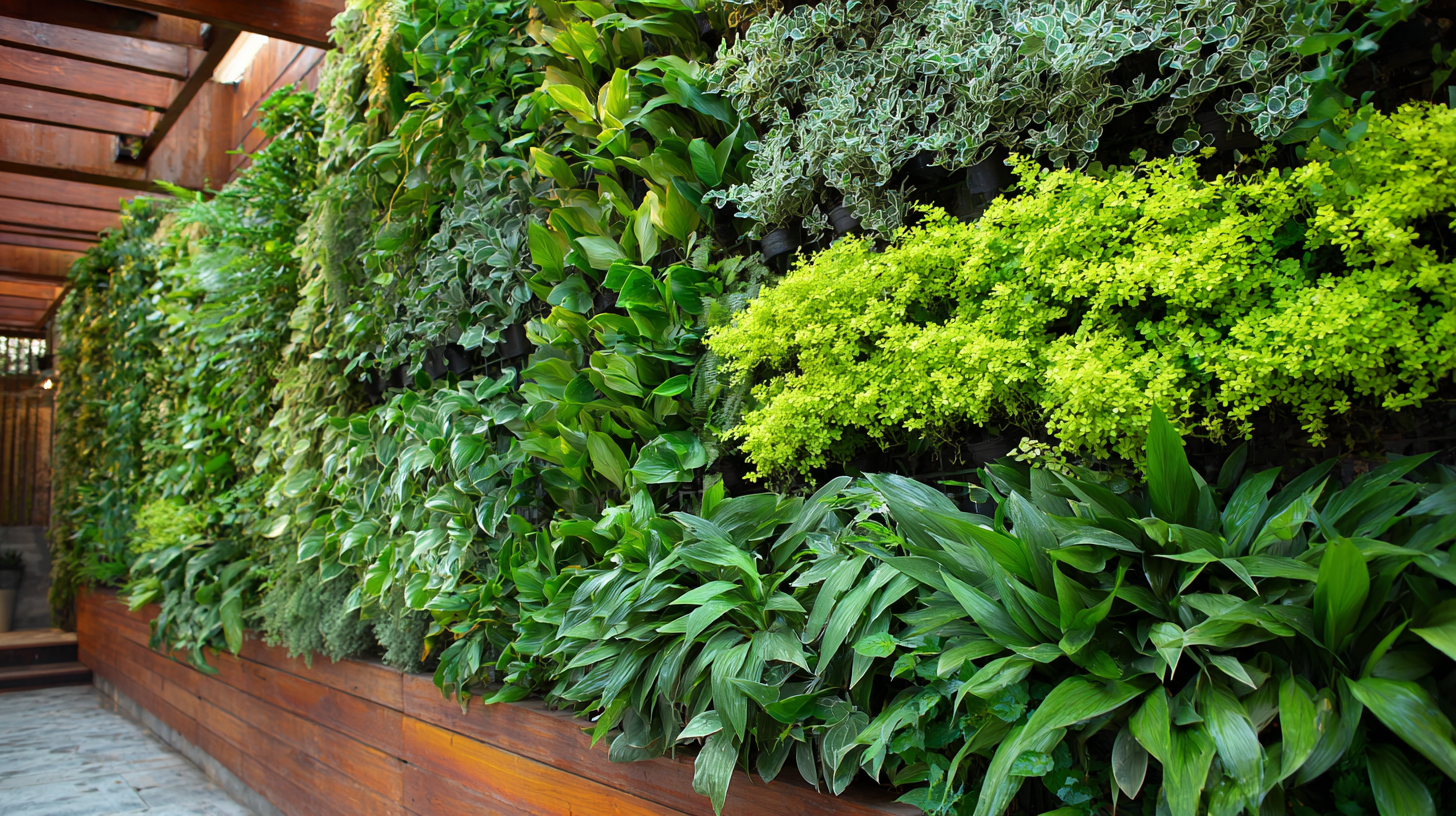
Creating a Balanced Aesthetic: Color and Texture Tips for Green Walls
When designing a green wall, achieving a balanced aesthetic requires careful consideration of both color and texture. The interplay of vibrant greens with other colors can create a visually striking feature in your space. For instance, incorporating plants with variegated leaves or those that produce flowers can infuse your wall with pops of color, breaking up the uniformity of green. Consider using shades of red or purple through plants like purple heart or bromeliads to provide contrast, which helps to draw the eye and create focal points within the design.
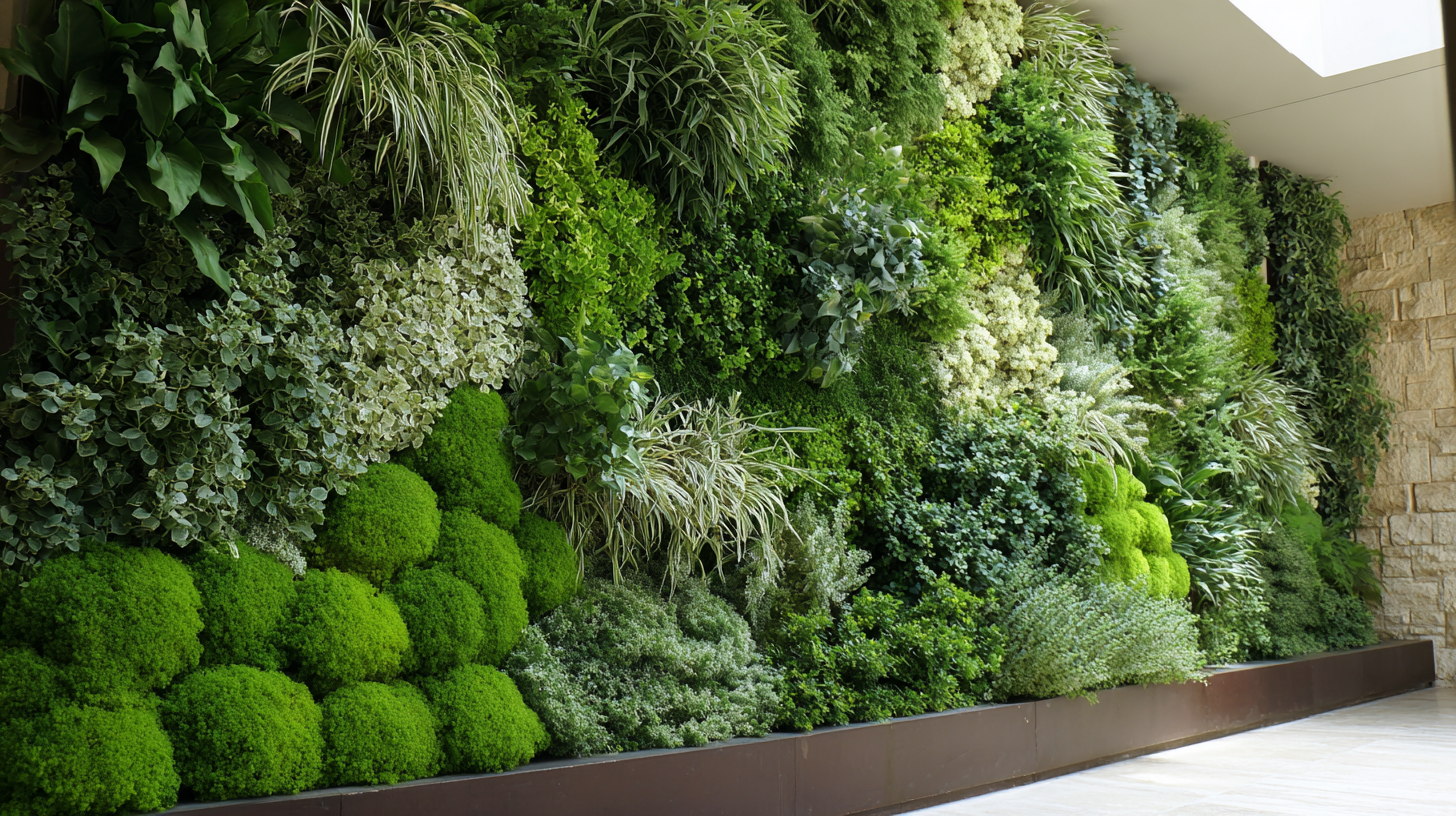
Texture is equally important in enhancing the visual appeal of a green wall. Mixing plants with different leaf shapes and sizes can create depth and interest. For example, combining broad-leaved plants such as philodendrons with fine-textured foliage like ferns can yield a lush, layered look. Additionally, the use of trailing plants like ivy or string of pearls can add a dynamic element as they cascade over the edges, softening the overall structure. By thoughtfully selecting a blend of colors and textures, you can transform your green wall into a captivating and harmonious focal point within your environment.
Essential Care Tips to Ensure the Longevity of Your Green Wall Plants
Creating a lush green wall can transform any space, but to ensure your plants thrive, understanding their care requirements is essential. First, consider light conditions; most green wall plants, such as ferns and pothos, prefer indirect light. Placing your wall in a well-lit area that avoids direct sunlight can prevent leaf burn while promoting healthy growth.
Watering is crucial for maintaining vibrant green walls. It's important to establish a routine, checking the moisture level of the soil to avoid over or underwatering. Remember that different plants have varying needs; for instance, succulents require less water compared to tropical plants. A general tip is to water your plants when the top inch of soil feels dry to the touch, ensuring you promote healthy root development.
Additionally, regular fertilization can enhance the vitality of your green wall. Using a balanced, water-soluble fertilizer every few weeks during the growing season will provide essential nutrients. It’s also beneficial to periodically check for pests and diseases, as early detection can prevent more significant issues down the line. With the right care, your green wall will flourish and become an eye-catching feature in your space.
Transform Your Space: The Ultimate Guide to Choosing the Best Green Wall Plants - Essential Care Tips to Ensure the Longevity of Your Green Wall Plants
| Plant Name |
Light Requirements |
Watering Frequency |
Humidity Needs |
Recommended Fertilizer |
Common Pests |
| Philodendron |
Low to medium light |
Every 1-2 weeks |
Moderate humidity |
Balanced liquid fertilizer |
Spider mites, aphids |
| Pothos |
Low to bright indirect light |
Every 1-2 weeks |
Low to moderate humidity |
Balanced fertilizer every month |
Mealybugs, scale |
| Ferns |
Indirect light |
Weekly |
High humidity |
Diluted liquid fertilizer |
Aphids, whiteflies |
| Succulents |
Bright direct light |
Every 2-3 weeks |
Low humidity |
Cactus or succulent fertilizer |
Mealybugs, aphids |
| Spider Plant |
Indirect light |
Every 1-2 weeks |
Moderate humidity |
Liquid houseplant fertilizer |
Spider mites, aphids |