Transform Your Backyard: The Environmental Benefits of Grass Turf for Sustainable Living
As more homeowners seek sustainable living solutions, the transition to
Grass Turf in backyards offers significant
environmental benefits that are hard to ignore. According to a report by the
Environmental Protection Agency (EPA), lawns made from natural grass can help filter
pollutants and reduce urban heat by up to
10°F, providing a crucial temperature regulation function in our
increasingly urbanized environments. Moreover, research from the
Turfgrass Water Conservation Alliance indicates that grass turfs can improve
water retention and reduce runoff, thereby minimizing the risk of flooding while enhancing local biodiversity.
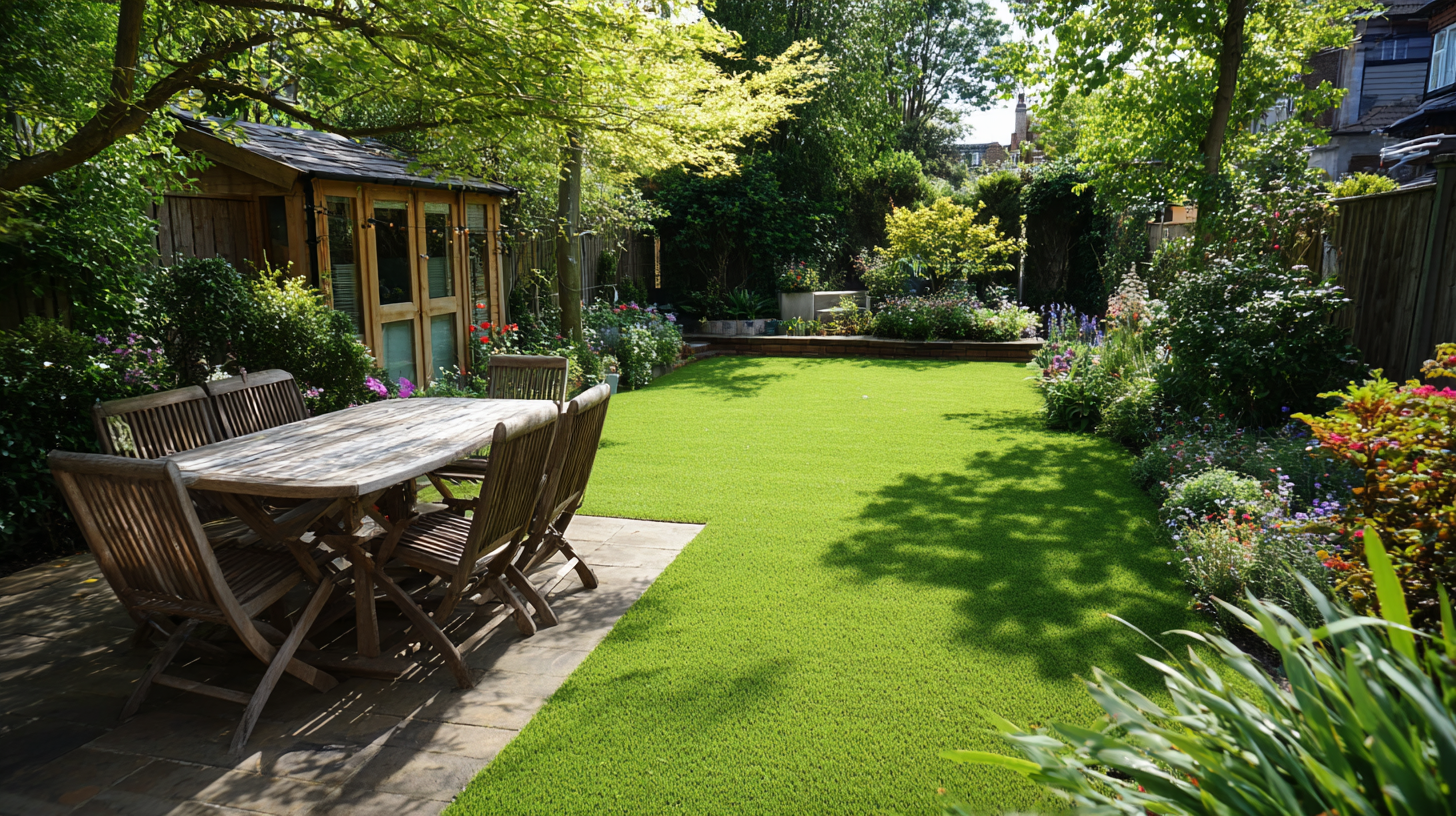
Additionally, the American Society of Agronomy highlights that well-maintained
grass turf plays a vital role in carbon sequestration, capturing and
storing atmospheric carbon dioxide effectively. By transforming backyards into
green sanctuaries filled with Grass Turf, homeowners not only beautify
their outdoor spaces but also contribute significantly to ecological health, showcasing that sustainable living can
be both practical and aesthetically pleasing.
Understanding Grass Turf and Its Role in Sustainable Living
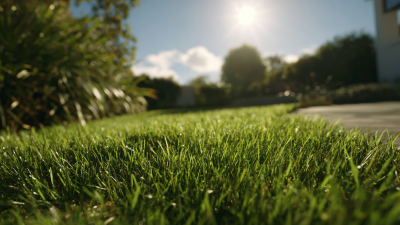
Grass turf is gaining recognition as an eco-friendly alternative for outdoor spaces, playing a significant role in promoting sustainable living. Unlike traditional lawns, which may require harmful chemicals for maintenance, grass turf offers a natural solution that can help conserve water and reduce pesticide usage. By creating a vibrant green landscape, grass turf enhances biodiversity, attracting beneficial insects and native wildlife, contributing to healthier ecosystems.
Moreover, grass turf aids in carbon sequestration, absorbing carbon dioxide from the atmosphere and mitigating climate change effects. Its ability to retain moisture and prevent soil erosion makes it advantageous for urban environments, where rainwater runoff can lead to pollution. As communities seek greener alternatives, understanding the multifaceted benefits of grass turf encourages homeowners to embrace sustainable landscaping practices, ultimately fostering a greater sense of environmental responsibility and stewardship.
Environmental Benefits of Grass Turf for Sustainable Living
Key Environmental Benefits of Implementing Grass Turf
Implementing grass turf in your backyard can significantly contribute to a more sustainable living environment. One of the primary environmental benefits is its ability to reduce urban heat. Grass turf absorbs sunlight and helps cool the surrounding area, mitigating the 'heat island' effect common in densely populated regions. As a natural insulator, turf encourages cooler outdoor temperatures, which can lead to reduced energy consumption for air conditioning in adjacent buildings.
Moreover, grass turf plays an essential role in promoting biodiversity. It serves as a habitat for various insects and small wildlife, contributing to a thriving ecosystem in residential areas. The vegetation helps filter pollutants from the air and water, improving overall environmental health. By enhancing soil stability and reducing erosion, turf also aids in water conservation, allowing rainwater to penetrate the ground rather than running off, which reduces the strain on stormwater systems. These benefits underscore why grass turf is a valuable addition to sustainable backyard transformations.
Transform Your Backyard: The Environmental Benefits of Grass Turf for Sustainable Living - Key Environmental Benefits of Implementing Grass Turf
| Environmental Benefit |
Description |
Impact |
| Air Quality Improvement |
Grass turf absorbs CO2 and releases oxygen, contributing to cleaner air. |
Reduces air pollution by helping to mitigate carbon footprint. |
| Soil Erosion Control |
Grass roots hold soil in place, preventing erosion. |
Protects waterways and maintains land integrity. |
| Temperature Regulation |
Grass turf helps keep areas cooler by providing shade and evapotranspiration. |
Reduces urban heat island effect. |
| Biodiversity Support |
Provides habitats for various wildlife, insects, and pollinators. |
Promotes a balanced ecosystem. |
| Water Management |
Grass helps absorb rainwater, reducing runoff and enhancing groundwater recharge. |
Contributes to sustainable water management practices. |
Tips for Choosing the Right Grass Turf for Your Backyard
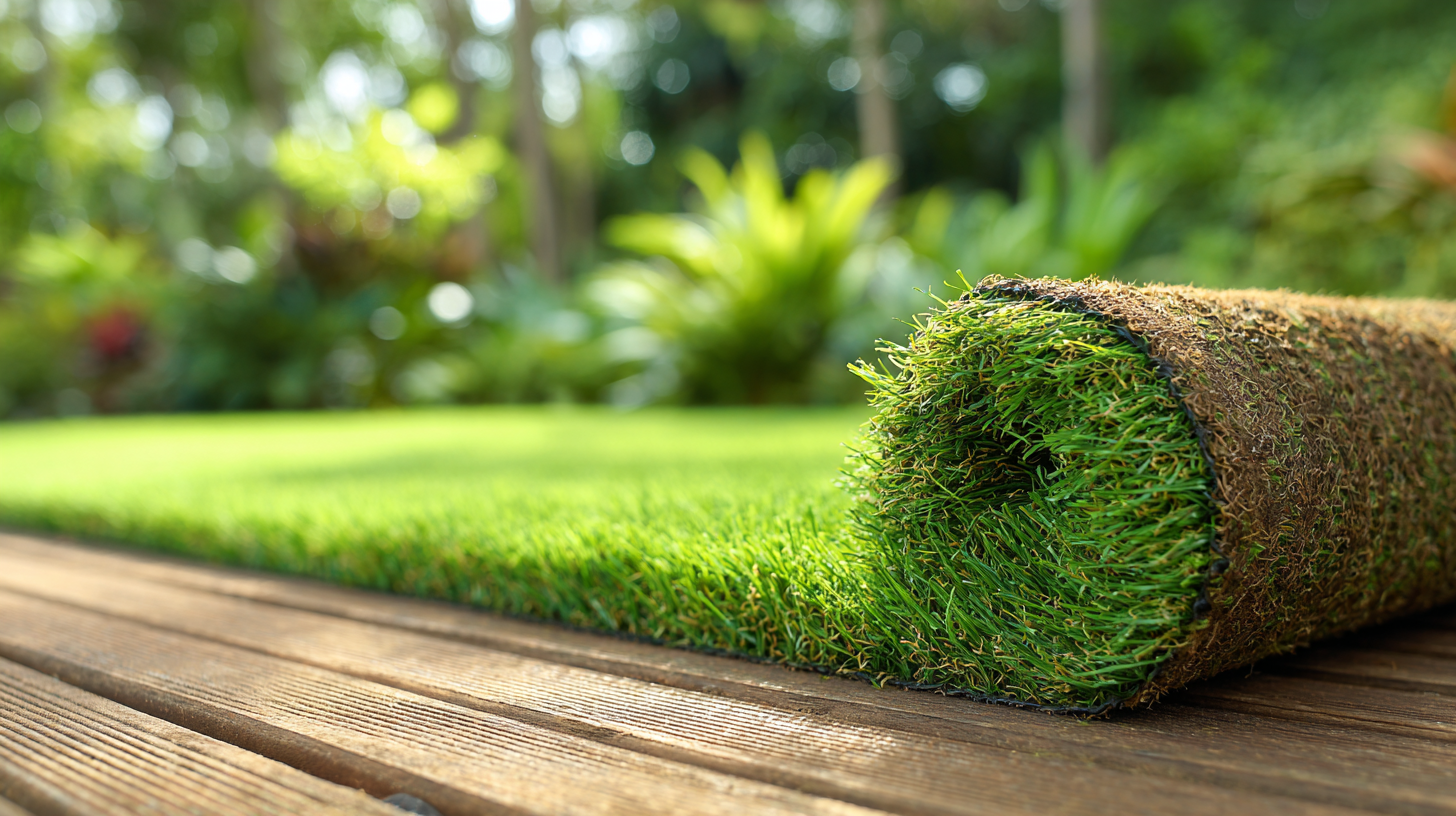
When transforming your backyard, one crucial aspect to consider is the choice of grass turf, which can significantly enhance both aesthetics and sustainability. According to the Sustainable Lawn and Landscape program, choosing the right grass can decrease water usage by up to 50% compared to traditional lawns. Additionally, certain grass types, like fescue or zoysia, are known for their drought resistance, making them perfect for regions prone to dry spells. This is particularly important as we embrace outdoor activities, such as BBQs in the sunny weather, by providing a lush, inviting space that supports environmental preservation.
When selecting grass turf, it's essential to consider factors such as climate, soil type, and intended use of the area. Research from the American Society of Landscape Architects indicates that the right turf can reduce heat absorption and improve air quality, contributing towards a healthier backyard ecosystem. For instance, cool-season grasses thrive in cooler temperatures, while warm-season grasses excel in sunny environments hot enough for summer gatherings. By making informed decisions based on climate compatibility and environmental benefits, not only do you enhance your backyard for leisure activities, but you also promote sustainable living practices that benefit the planet.
Maintenance Practices to Maximize Sustainability of Grass Turf
To maximize the sustainability of grass turf in your backyard, proper maintenance practices are essential.
Regular mowing is not only crucial for aesthetic purposes but also contributes to the health of the turf.
According to the Lawn Institute,
keeping grass at a height of around 3 inches encourages deeper root growth and reduces the need for water by up to 30%.
In turn, this promotes a healthier lawn that can better withstand drought conditions, ultimately supporting environmental conservation efforts.

Additionally, utilizing organic lawn care inputs can significantly enhance the sustainability of your turf.
A study by the Environmental Protection Agency highlights that lawns treated with organic fertilizers can reduce runoff pollution by up to 50%,
preventing harmful chemicals from leaching into local waterways. Aerating your lawn once a year allows for improved water absorption and root development, making it more resilient to pests and diseases while fostering biodiversity in the soil.
Implementing these practices not only ensures a lush, green landscape but also plays a pivotal role in promoting an eco-friendly environment.
Transforming Your Space: Designing a Eco-Friendly Backyard with Grass Turf
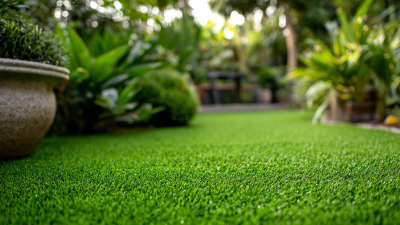
Designing an eco-friendly backyard with grass turf can significantly enhance the sustainability of your outdoor space. Grass turf offers a host of environmental benefits, including improved air quality, reduced soil erosion, and increased biodiversity. By replacing concrete or gravel surfaces with a lush grass lawn, homeowners can create a cooler microclimate in their yards, reducing the need for air conditioning during hot summer months. Furthermore, grass turf acts as a natural filter, capturing carbon dioxide and releasing oxygen, which contributes to a healthier atmosphere.
Incorporating grass turf into your backyard design also fosters a habitat for local wildlife. It encourages the presence of various species, from pollinators like bees and butterflies to small birds and beneficial insects. To create an eco-friendly backyard, you should consider native grass species that require less water and maintenance, thereby conserving resources. Additionally, combining grass turf with native plants and pollinator gardens promotes biodiversity and enhances the beauty of your outdoor space while supporting local ecosystems. By opting for grass turf, you are not only transforming your backyard but also making a positive impact on the environment.