Transform Your Backyard: The Ultimate Benefits of Outdoor Artificial Grass for Eco-Friendly Living
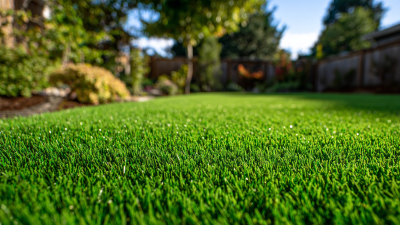
As the movement towards eco-friendly living continues to gain momentum, homeowners are increasingly seeking sustainable alternatives that enhance outdoor spaces while minimizing environmental impact. One such innovation is Outdoor Artificial Grass, which has emerged as a popular choice for transforming backyards into vibrant, green retreats without the need for traditional lawn maintenance. According to a report by the Synthetic Turf Council, the adoption of artificial grass can reduce water consumption by up to 70% compared to natural grass, significantly conserving this precious resource, particularly in drought-prone areas. Furthermore, the use of Outdoor Artificial Grass eliminates the need for harmful fertilizers and pesticides, contributing to cleaner waterways and healthier ecosystems. By investing in this modern landscaping solution, homeowners not only enjoy a lush, attractive yard year-round but also participate in a larger commitment to sustainable living, making a positive impact on the environment for future generations.
Advantages of Installing Artificial Grass for Sustainable Landscaping
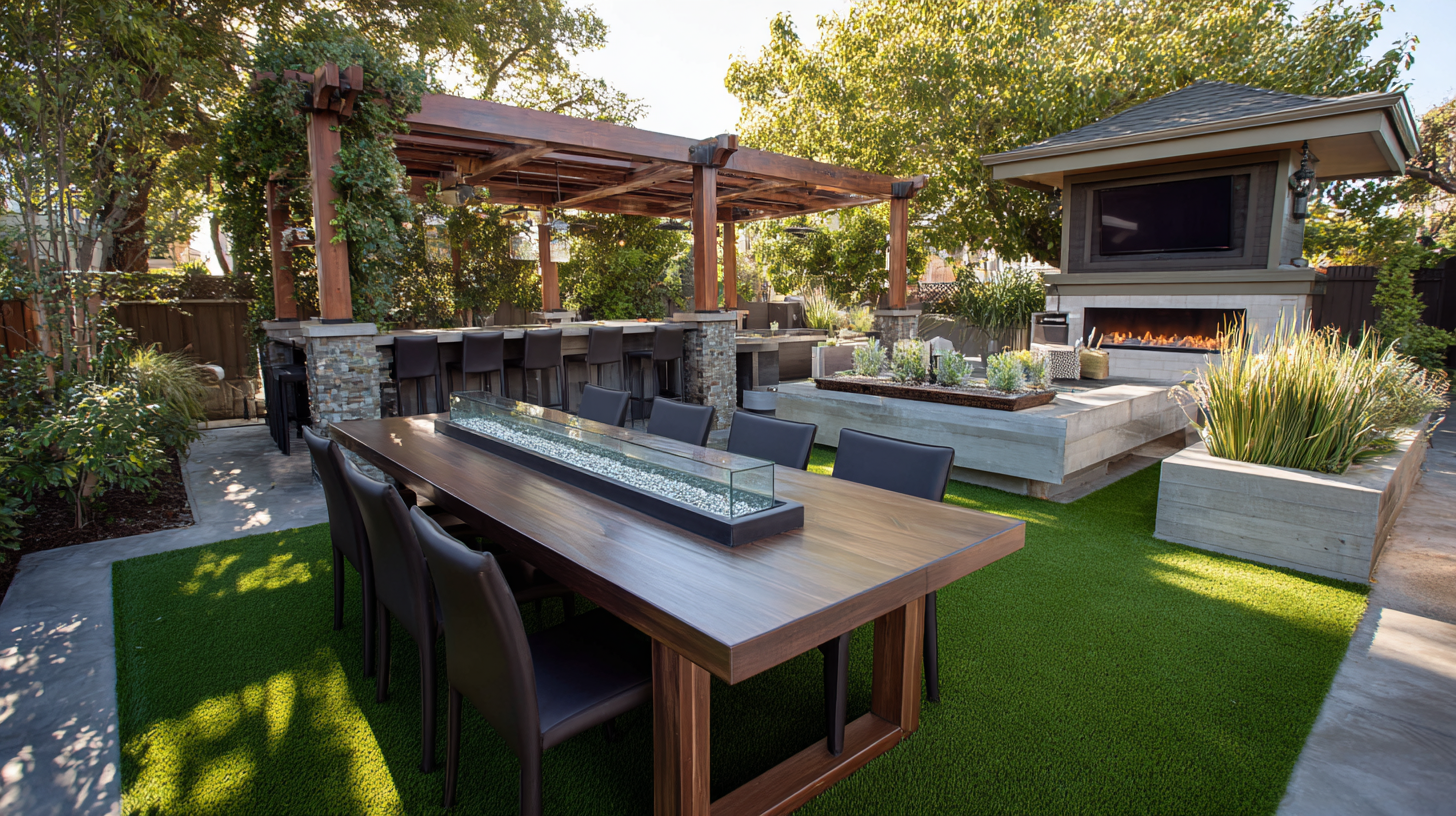 Installing artificial grass can transform your backyard into a vibrant and sustainable outdoor space, particularly for homeowners in regions like Arizona. One of the primary advantages of synthetic turf is its ability to conserve water, an increasingly crucial factor in arid climates. Natural grass lawns require substantial irrigation, but artificial grass remains green and lush year-round without the need for regular watering. This not only helps to reduce water bills but also contributes to environmental conservation efforts in drought-prone areas.
Moreover, artificial grass eliminates the need for harmful pesticides and fertilizers that can leach into the ecosystem. This makes it an excellent choice for eco-friendly living, as it promotes a healthier environment both for families and for local wildlife. While some experts advocate for natural lawns, the upkeep costs and environmental strains of traditional turf highlight the practicality of synthetic solutions. By choosing synthetic grass, homeowners can enjoy a beautiful landscape while actively supporting sustainability and reducing their ecological footprint.
How Artificial Grass Reduces Water Consumption and Conserves Resources
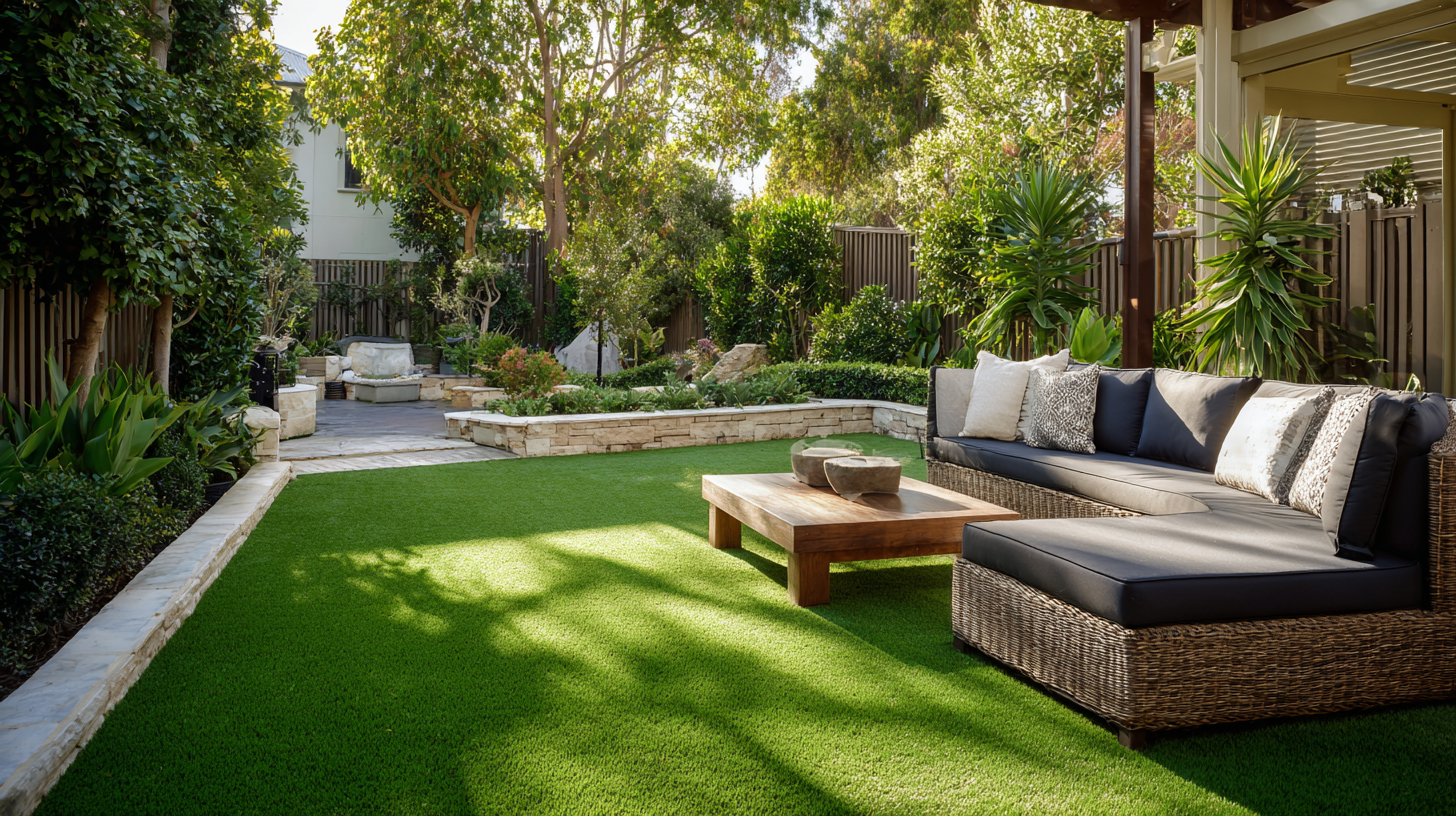 Artificial grass is transforming backyards into eco-friendly spaces, providing significant benefits in water conservation. According to a study by the Environmental Protection Agency (EPA), traditional lawns can consume up to 62 gallons of water per square foot annually, leading to excessive water bills and resource depletion. In contrast, switching to artificial turf can reduce outdoor water consumption by as much as 55% to 75%. This drastic reduction not only alleviates the burden on local water supplies but also supports the sustainability goals of communities facing increasing drought conditions.
Moreover, the installation of artificial grass helps conserve not just water, but also valuable resources dedicated to lawn maintenance. A report by the National Association of Landscape Professionals reveals that maintaining a natural lawn requires extensive use of fertilizers, pesticides, and electricity for mowing. In contrast, artificial grass doesn’t require these inputs, contributing to a decrease in chemical runoff and promoting a healthier ecosystem. By embracing artificial turf, homeowners can play a part in reducing their environmental footprint while enjoying a lush, green yard all year round.
Enhancing Biodiversity: The Role of Eco-Friendly Artificial Grass in Home Gardens
When transforming your backyard into an eco-friendly paradise,
artificial grass emerges as a crucial element in enhancing biodiversity within home gardens.
Unlike traditional lawns that require extensive water for maintenance and often rely on chemical fertilizers, eco-friendly artificial grass offers a sustainable alternative that conserves water and reduces chemical runoff,
fostering a healthier local ecosystem.
By creating low-maintenance spaces, homeowners can focus on planting native species that attract beneficial insects, birds, and other wildlife,
thereby promoting a vibrant garden environment.
Tips for Enhancing Biodiversity with Artificial Grass:
Consider incorporating a variety of native plants around your artificial grass areas to support local wildlife.
Additionally, installing pollinator-friendly gardens with flowers that bloom year-round can provide essential habitats for bees and butterflies.
When creating walking paths with artificial grass, leave open spaces for small trees or shrubs, which can offer shelter for birds and small mammals.
This balanced approach not only beautifies your backyard but also contributes significantly to the local biodiversity.
Moreover, by choosing eco-friendly materials for your artificial grass, such as those made from recycled components,
you can further reduce your ecological footprint. This choice not only supports sustainable living practices but
also creates an inviting atmosphere for wildlife, allowing your garden to flourish as a sanctuary for various species.
Low Maintenance Requirements: Saving Time and Energy with Fake Grass
Artificial grass has gained popularity not just for its aesthetic appeal, but also for its low maintenance requirements, making it an ideal choice for eco-conscious homeowners. Unlike natural grass, which demands regular mowing, watering, and fertilizing, fake grass allows you to reclaim your time and energy while simultaneously reducing your environmental impact. With artificial turf, there’s no need for gas-powered lawn mowers or chemical fertilizers, which often pollute our air and waterways. This means you can enjoy a beautifully manicured lawn without the hefty commitment that traditional grass entails.
Additionally, the durability of artificial grass contributes to its low maintenance nature. It withstands heavy foot traffic and extreme weather conditions without fading or deteriorating, requiring only occasional rinsing to remove debris and pet waste. This ease of care ensures that you spend less time worrying about your yard and more time enjoying it. In transitioning to outdoor artificial grass, homeowners not only create a vibrant, green space but also adopt a lifestyle that emphasizes sustainability and conservation, ultimately enhancing their eco-friendly living.
The Aesthetic Appeal and Design Flexibility of Outdoor Artificial Grass Solutions
Artificial grass has become a popular choice for homeowners looking to enhance their outdoor spaces while promoting eco-friendly living.
One of the standout features of outdoor artificial grass is its aesthetic appeal. Available in various textures and shades, it mimics the look of natural grass, allowing homeowners to design visually striking landscapes that suit their style. According to a recent report by the Synthetic Turf Council, the artificial turf market has seen a significant growth of over 15% annually, reflecting the increasing popularity of these solutions for creating flawless, green lawns.
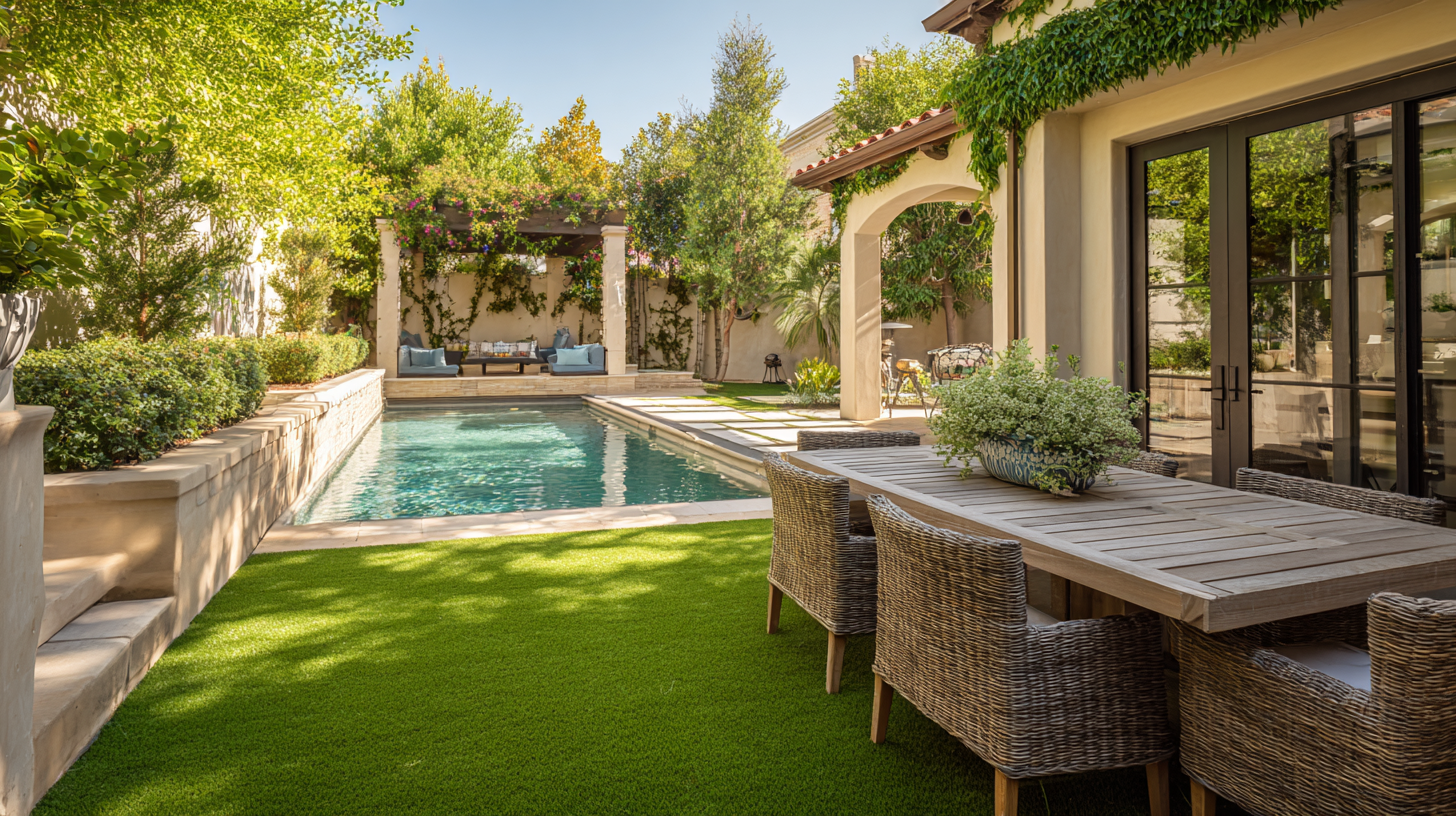
Additionally, outdoor artificial grass provides remarkable design flexibility, enabling a variety of applications beyond lawns. Homeowners can transform patios, play areas, and even pool surrounds into inviting and functional spaces without the maintenance hassles associated with natural grass. Research indicates that consumers save an average of 40 hours a year in lawn maintenance due to the low-care nature of artificial grass. Moreover, its durability means that it can withstand heavy use, making it an ideal choice for families and pet owners seeking vibrant outdoor environments that last.