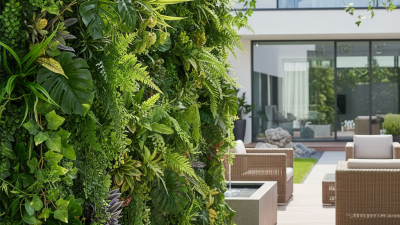
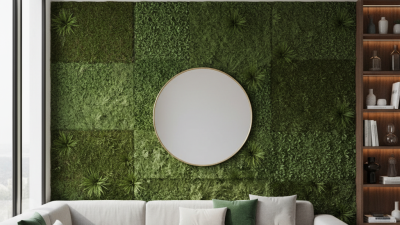
Top 10 Wall Plants to Enhance Your Home Decor Ideas?
When it comes to elevating home decor, wall plants have become a top choice for many homeowners. Renowned botanist Dr. Emily Green says, "Wall plants not only beautify spaces; they also improve air quality and enhance emotional well-being." With their ability to bring life to any wall, wall plants are a harmonious blend of beauty and functionality.
Incorporating these plants can transform dull spaces into vibrant, welcoming environments. You can choose from a variety of options, including trailing vines, lush ferns, or even striking succulent arrangements. Each wall plant contributes unique colors and textures that can invigorate your interior. However, selecting the right plants requires careful consideration of light and maintenance needs.
Ask yourself: do you prefer low-maintenance options or are you ready for a bit of commitment? Remember, not all wall plants thrive in the same conditions. Creating a balance between aesthetics and care can be challenging. Embracing this journey with wall plants can lead to beautiful outcomes that reflect your personal style while nurturing your living space.
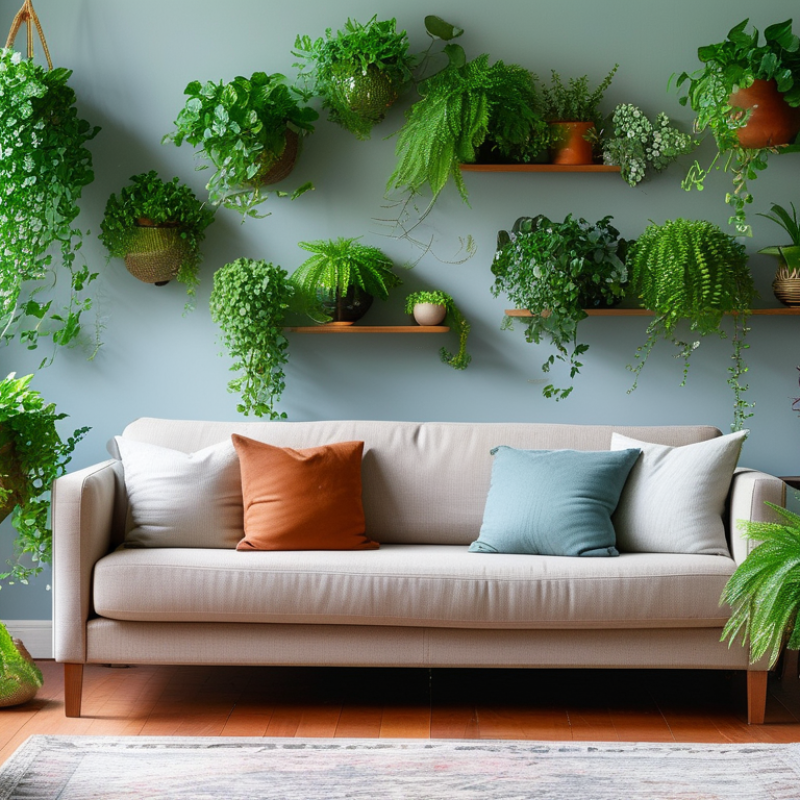
Top 10 Wall Plants: The Impact of Indoor Plants on Air Quality
Indoor plants do more than just beautify your space. They significantly improve air quality, making your home healthier. Studies show plants can absorb harmful toxins, releasing fresh oxygen in return. For example, spider plants thrive in low light. They are efficient at removing formaldehyde from the air.
Another great choice is the peace lily. It not only looks elegant but also filters out pollutants. With proper care, these plants can grow beautifully in your living room. However, be mindful. Overwatering can lead to root rot. Maintaining the right balance is essential for their health and air-purifying ability.
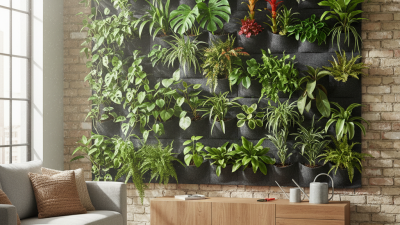
Adding plants to your walls can also improve aesthetics. Consider using wall-mounted planters for a stylish touch. They add depth and bring a sense of nature indoors. Yet, placement matters. Too much direct sunlight can harm some plants. Researching the right conditions is key to creating a thriving environment. It's a journey of learning and adapting.
Best Climbing Plants for Vertical Garden Aesthetics and Space Utilization
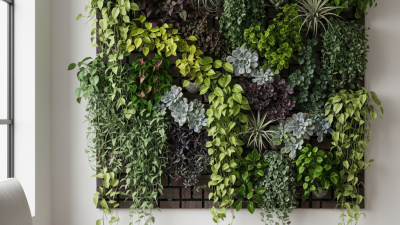
Vertical gardens are a fantastic way to utilize space while adding beauty to your home. Climbing plants can transform bare walls into lush, green canvases. They bring life and vibrancy to indoor and outdoor areas.
One popular choice is the peace lily. Its elegant white blooms contrast beautifully with rich green leaves. Another favorite is the pothos, known for its resilience and trailing vines.
Consider using a trellis or a living wall structure. These allow plants to climb and flourish. When choosing climbing plants, think about light conditions. Some prefer bright spaces, while others thrive in low light.
Regular maintenance is crucial too. Pruning promotes healthy growth and shape.
However, not all climbing plants suit every environment. Some may grow too quickly and may require extra attention.
It’s important to evaluate your space and choose wisely. A little imperfection in your plant arrangement can enhance its charm.
Embrace the journey of cultivation, and don’t fear the learning process that comes with it.
This is what makes a home truly unique.
Popular Low-Light Plants for Enhancing Home Decor in Dark Spaces
When it comes to enhancing your home decor, especially in darker spaces, low-light plants can be your best friend. They not only add a touch of nature but also improve the ambiance of a room. Consider pothos or snake plants. They thrive in low light and require minimal care. Their lush green leaves can breathe life into any corner.
Another great option is the ZZ plant, known for its resilience. This plant can survive in neglectful conditions, making it perfect for busy lifestyles. Additionally, the peace lily flourishes in low light and can even bloom beautiful flowers. For those who want to experiment, try placing plants at varying heights. Wall-mounted planters can create visual interest.
Low-light conditions pose challenges, though. Some plants may turn yellow if there's too little light. Be mindful of watering schedules. Overwatering can be just as harmful as neglect. Observing your plants will help you learn what works best in your space. Embrace the imperfections of plant care; they are a part of the journey.
Top 10 Wall Plants to Enhance Your Home Decor Ideas
| Rank |
Plant Name |
Light Requirements |
Care Level |
Height (inches) |
Air Purifying |
| 1 |
Pothos |
Low Light |
Easy |
20-40 |
Yes |
| 2 |
Snake Plant |
Low Light |
Easy |
12-48 |
Yes |
| 3 |
ZZ Plant |
Low Light |
Easy |
24-36 |
Yes |
| 4 |
Peace Lily |
Low to Medium Light |
Moderate |
16-24 |
Yes |
| 5 |
Spider Plant |
Low to Medium Light |
Easy |
12-18 |
Yes |
| 6 |
Chinese Evergreen |
Low Light |
Moderate |
18-30 |
Yes |
| 7 |
Philodendron |
Low to Medium Light |
Moderate |
12-48 |
Yes |
| 8 |
Cast Iron Plant |
Low Light |
Easy |
24-36 |
Yes |
| 9 |
Bamboo Palm |
Medium Light |
Moderate |
30-60 |
Yes |
| 10 |
Rubber Plant |
Medium Light |
Moderate |
36-72 |
Yes |
The Benefits of Using Succulents as Wall Art in Contemporary Interiors
Wall plants have become a popular choice for home decor, offering both aesthetic appeal and functional benefits. Succulents, in particular, have gained prominence as wall art. A report from the American Society of Landscape Architects highlights that indoor plants can improve mood and productivity by up to 15%. Succulents, with their unique shapes and colors, can bring life to any wall while providing these benefits.
In contemporary interiors, the versatility of succulents shines. Hanging arrangements can create stunning focal points. They require minimal maintenance, making them ideal for busy lifestyles. A study from the University of Queensland found that green spaces can reduce stress levels significantly. Wall-mounted succulent arrangements can introduce this calming influence into your home without overwhelming your space.
While succulents are generally easy to care for, they do require specific conditions. Overwatering can lead to root rot, a common issue for many plant enthusiasts. Careful attention to placement and environment is necessary. Additionally, some may struggle with the aesthetics of wall plants, feeling they clutter the space rather than enhance it. This invites reflection on how best to incorporate greenery in a harmonious way. Understanding these nuances can elevate your decor and well-being.
Sustainable Wall Plant Options: Eco-Friendly Choices for Home Decor
In recent years, the popularity of sustainable wall plants has surged. Many homeowners seek eco-friendly choices that not only beautify their space but also contribute positively to the environment. According to a report from the National Gardening Association, 77% of consumers are more likely to purchase products that are environmentally friendly. This highlights a growing trend towards sustainability in home decor.
Wall plants such as pothos and ferns are perfect for this purpose. They require low maintenance and thrive indoors with minimal sunlight. Vertical gardens are another sustainable option, allowing for a diverse range of plants. A study by the Journal of Cleaner Production suggests that incorporating greenery indoors can reduce indoor air pollutants by 30%. This makes wall plants not only aesthetically pleasing but also beneficial for your health.
However, it’s important to choose local and native plants to minimize your carbon footprint. Over-reliance on exotic species can lead to ecological imbalances. Reflecting on your choices can deepen your appreciation for nature while enhancing your decor. Sustainability is not just a trend; it’s a responsibility. Each plant you select plays a role in your home’s environmental impact.
Top 10 Wall Plants to Enhance Your Home Decor Ideas