2025 Top Trends in Plastic Grass for Eco-Friendly Landscaping Solutions
As we move closer to 2025, the demand for sustainable and eco-friendly landscaping solutions is on the rise, with "Plastic Grass" emerging as a pivotal trend in this transformation. Renowned industry expert Dr. Emily Carter, a leading advocate for environmental innovation in landscaping, emphasizes this shift by stating, "Plastic Grass not only conserves water but also minimizes the need for harmful pesticides, making it a game-changer for eco-conscious homeowners."
Incorporating Plastic Grass into landscaping designs offers numerous benefits, including reduced maintenance costs and an aesthetically pleasing, year-round green appearance. As urban areas continue to expand and the effects of climate change become more pronounced, the versatility and practicality of Plastic Grass provide a compelling alternative to traditional grass.
As we explore the top trends shaping the future of landscaping, the adoption of Plastic Grass stands out as a key solution that aligns with the increasing need for sustainable practices. This innovative material not only supports environmentally friendly gardening but also addresses the practical challenges faced by modern homeowners seeking beautiful and low-maintenance outdoor spaces.
Emerging Materials in Plastic Grass for Sustainable Landscaping
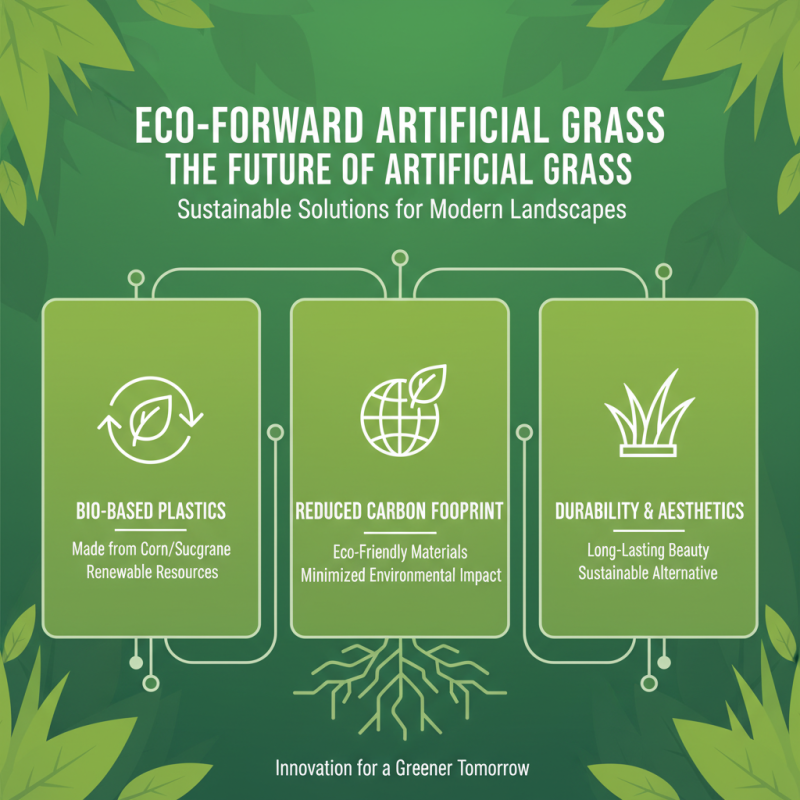
As we look towards the future of landscaping, the use of plastic grass is evolving with an emphasis on sustainability. Emerging materials in plastic grass are paving the way for eco-friendly solutions that not only enhance aesthetics but also minimize environmental impact. Innovations in this field include the development of bio-based plastics, made from renewable resources such as corn or sugarcane, which offer a more sustainable alternative to traditional petroleum-based products. These materials provide durability while reducing the carbon footprint associated with their production.
When considering plastic grass for landscapes, it’s essential to choose products that are free from harmful chemicals and are recyclable. Pay attention to the manufacturing processes—look for suppliers that use environmentally friendly practices. Additionally, selecting a variety that mimics natural grass can greatly enhance not just the visual appeal but also the functionality of your outdoor space. By investing in high-quality, sustainable options, homeowners can enjoy the benefits of low-maintenance landscaping while contributing positively to the planet.
Tips for sustainable landscaping with plastic grass include evaluating your local climate to choose the most suitable grass type, understanding the importance of proper installation to extend the lifespan of the product, and incorporating native plants around the plastic grass to support biodiversity. These strategies will ensure that your landscaping efforts are both beautiful and environmentally responsible.
Innovative Recycling Techniques in the Production of Synthetic Turf
As the demand for sustainable landscaping solutions grows, innovative recycling techniques in the production of synthetic turf are becoming increasingly important. The synthetic turf industry has seen a shift toward eco-friendly practices, with a staggering 60% of artificial grass now produced from recycled materials, according to a recent industry report. This not only reduces waste but also minimizes the carbon footprint associated with the manufacturing process. By repurposing plastics that would otherwise end up in landfills, manufacturers are creating durable and attractive grass alternatives that align with the principles of sustainability.
One notable method in this recycling revolution is the use of post-consumer recycled (PCR) materials. By incorporating PCR into the turf, the industry can effectively reduce the demand for virgin plastics. Additionally, advanced manufacturing techniques enable the production of artificial grass that mimics natural grass aesthetics while providing superior durability. Reports indicate that synthetic turfs made from recycled materials can offer a lifespan of over 15 years, making them a cost-effective and eco-friendly option for homeowners and businesses alike.
Tips: When considering synthetic grass for your landscaping project, look for products that specify the percentage of recycled content. Furthermore, inquire about the recycling process used in creation to ensure it meets your sustainability standards. Opting for artificial grass with certifications from recognized environmental organizations can also provide peace of mind about the materials you’re using in your landscaping efforts.
2025 Top Trends in Plastic Grass for Eco-Friendly Landscaping Solutions - Innovative Recycling Techniques in the Production of Synthetic Turf
| Trend |
Description |
Innovation Type |
Environmental Impact |
| Biodegradable Infill |
Infill materials made from organic substances that break down naturally. |
Material Innovation |
Reduces landfill waste; supports healthy ecosystems. |
| Recycled Plastic Turf |
Turf made from 100% post-consumer recycled plastics. |
Material Sourcing |
Lowers carbon footprint; reduces demand for virgin materials. |
| Water Conservation Techniques |
Synthetic grass designed for optimal water drainage and minimal irrigation needs. |
Design Improvement |
Conserves water, promoting sustainable landscaping practices. |
| Cool Technology Nanocoating |
Coating that reflects sunlight, reducing heat absorption in synthetic turf. |
Technological Advancement |
Reduces heat island effect; improves user comfort. |
| Integrated Biosolutions |
Combining turf with living plants for enhanced aesthetics and ecological benefits. |
Hybrid Systems |
Supports biodiversity; improves air quality. |
Environmental Benefits of Plastic Grass Compared to Natural Grass
As more homeowners and businesses prioritize sustainability in landscaping, plastic grass, or artificial turf, is emerging as a leading alternative to traditional natural grass. Research from the International Journal of Environmental Science and Technology highlights that artificial turf can save approximately 56,000 gallons of water per year per household, which is especially significant in arid regions where water scarcity is a pressing issue. This water conservation not only alleviates pressure on water resources but also reduces the energy consumption associated with regular irrigation systems.
Moreover, plastic grass contributes positively to soil health and local ecosystems. Unlike natural grass, which requires the use of fertilizers and pesticides that can leach into groundwater, artificial grass does not necessitate any chemical treatments. A report from the American Society of Landscape Architects indicates that using artificial turf can decrease the carbon footprint associated with lawn maintenance by up to 70%. By eliminating the need for gas-powered mowers and other maintenance equipment, plastic grass presents a cleaner, eco-friendly option that supports overall environmental well-being. This shift not only offers aesthetic and practical benefits but positions artificial turf as a viable solution in the quest for sustainable landscaping practices.
Design Trends in Plastic Grass for Aesthetic and Functional Landscapes
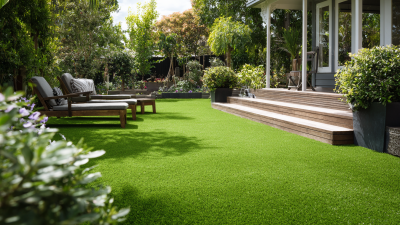
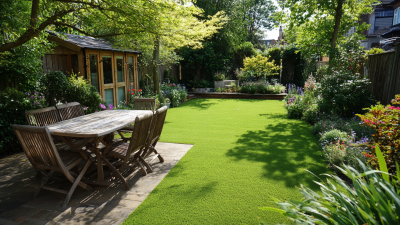
As eco-friendly landscaping solutions continue to gain popularity, plastic grass has evolved to meet the aesthetic and functional needs of modern gardens. In 2025, the trends in plastic grass will focus on creating versatile landscapes that not only look beautiful but also serve unique purposes. The use of varied textures and colors in synthetic turf can mimic natural grass while providing a durable, low-maintenance alternative. This flexibility allows homeowners to design cohesive outdoor spaces that incorporate seating areas, play zones for children, and even pet-friendly sections.
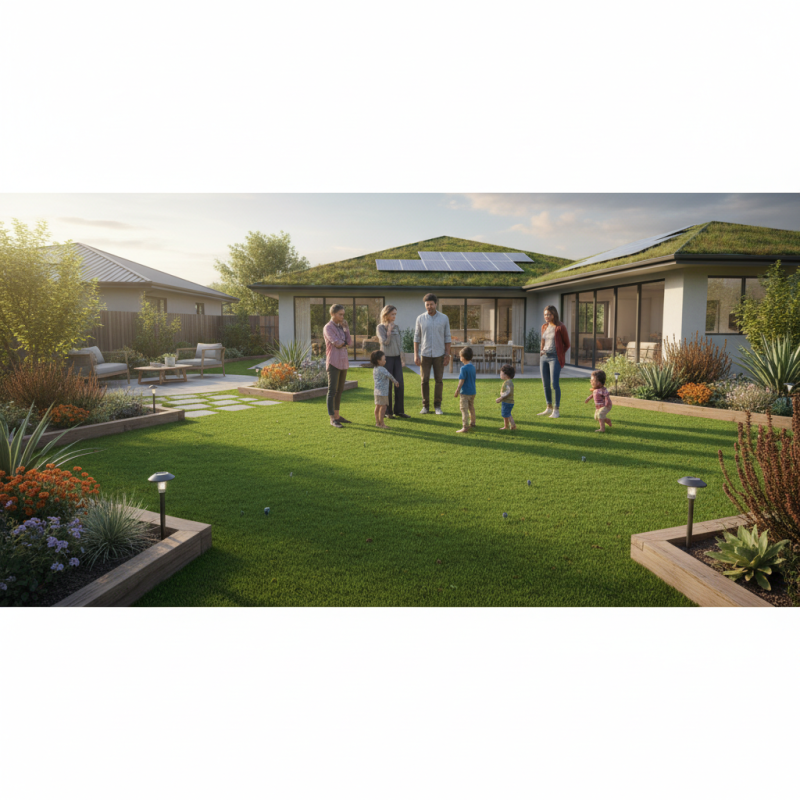
To enhance the appeal of your plastic grass landscape, consider incorporating diverse plantings and natural elements. Layering different heights of plants with hardscape features like stone pathways or wooden borders can create a dynamic visual experience. Mix and match plant species that thrive in your region to add color and life to your space.
Tip: When selecting plastic grass, opt for materials that are UV-resistant and designed for longevity to retain their color and texture over time.
In addition, sustainable practices such as installation over permeable materials can help manage water runoff effectively. This not only supports local ecosystems but also contributes to water conservation efforts in the landscape. Choose infill materials that are eco-friendly to create a truly sustainable outdoor environment.
Future Impacts of Plastic Grass on Urban Green Spaces and Biodiversity
The integration of plastic grass into urban green spaces presents both opportunities and challenges for biodiversity. As cities expand, traditional grass lawns require extensive resources to maintain, including water and fertilizers, which can harm the local ecosystem. The adoption of plastic grass offers a low-maintenance alternative, significantly reducing water usage and the need for chemical inputs. However, this shift raises important questions about the impact on local flora and fauna.
Plastic grass can create habitats that lack the rich biodiversity of natural grasslands. While it may provide a visually appealing space for recreation, it does not offer the same ecological benefits, such as supporting pollinators or native plant species. As cities implement more plastic grass areas, careful planning is necessary to ensure that these installations do not displace native habitats or disrupt local wildlife.
Effective usage of plastic grass should include the incorporation of diverse plantings around these areas to promote a balanced urban ecosystem, fostering biodiversity alongside the ease of maintenance that plastic grass affords.