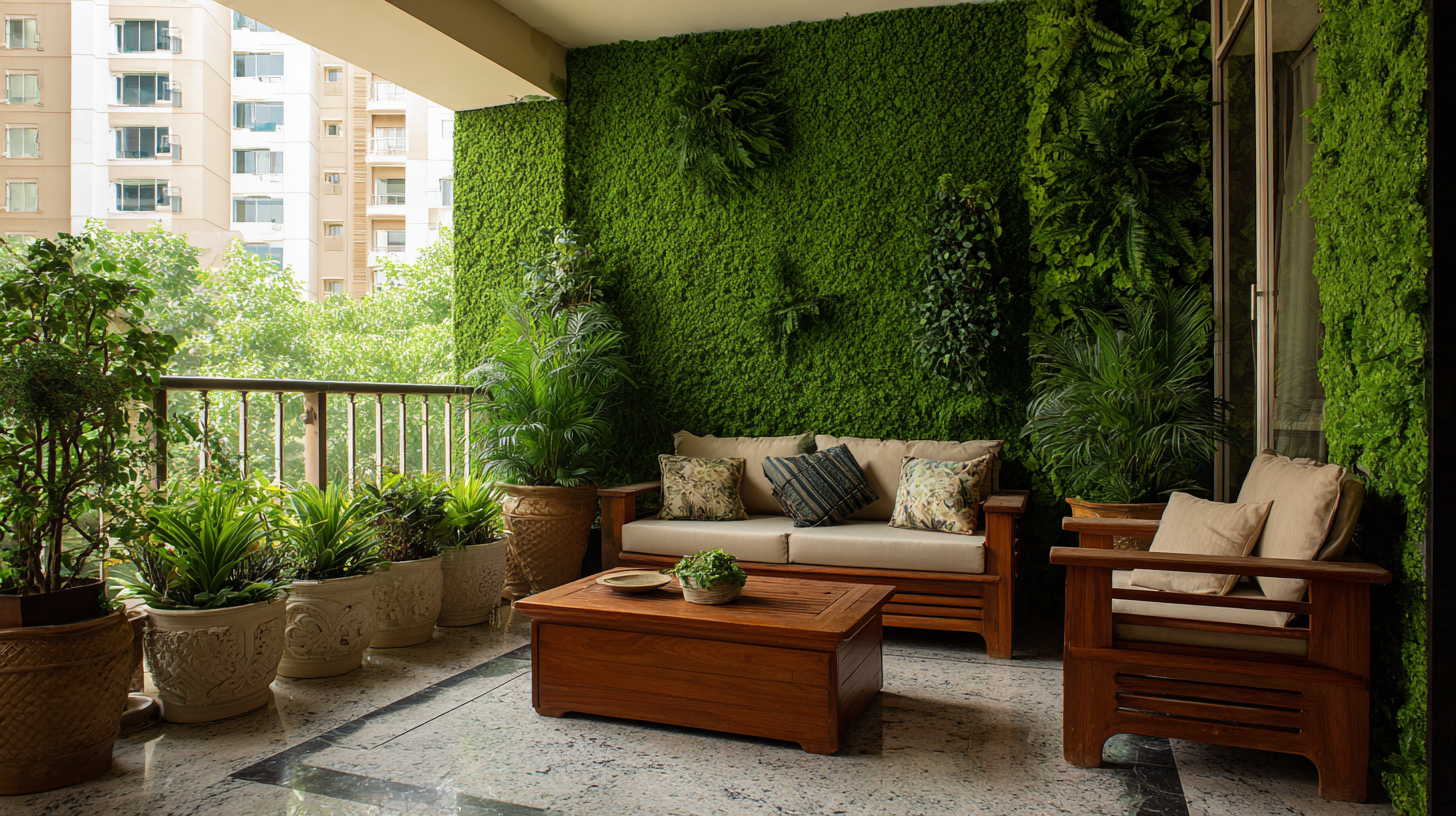
Top Trends for 2025 Exploring the Beauty and Benefits of Grass Wall Decor
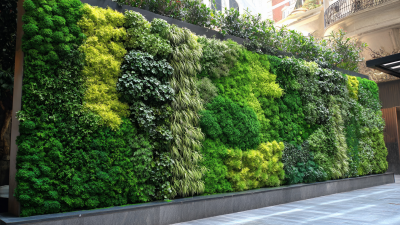
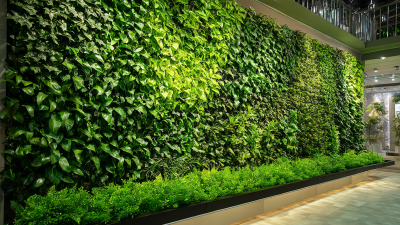
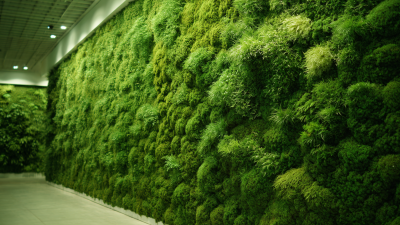
In the ever-evolving world of interior design, 2025 is poised to see a remarkable trend rise to the forefront: Grass Wall decor. This innovative approach combines the beauty of nature with the artistry of home aesthetics, creating lush, green backdrops that transform any space into a tranquil retreat. Grass Walls not only serve as stunning decorative elements but also offer a range of benefits that enhance indoor environments, from improving air quality to providing sound insulation.
As we explore the top trends for 2025, it becomes clear that Grass Wall decor reflects a growing desire for sustainable and eco-friendly living. Homeowners and designers alike are embracing this trend, recognizing the positive impact that greenery can have on our well-being. Whether used in residential settings or commercial spaces, Grass Walls create an inviting atmosphere that fosters connection with nature, promoting relaxation and creativity.
Join us as we delve deeper into the beauty and benefits of Grass Wall decor in 2025, highlighting its versatility, design possibilities, and the integral role it plays in modern interior trends. Prepare to be inspired by the lush potential that Grass Walls bring to our living and working environments, setting the stage for a vibrant future in interior design.
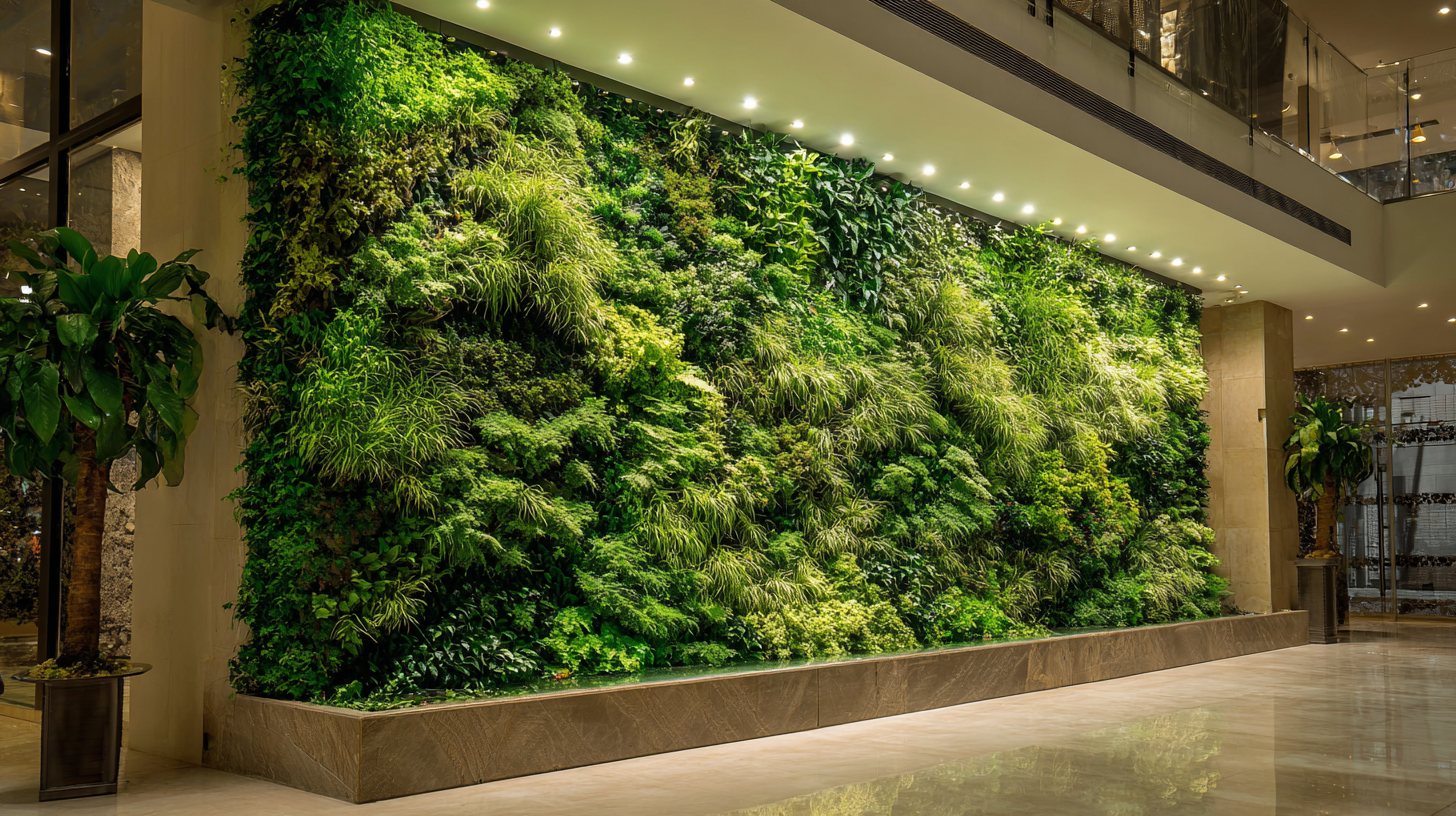
The Rise of Eco-Friendly Materials in Grass Wall Decor
As we move towards 2025, the trend of incorporating grass wall decor is gaining momentum, particularly due to the rise of eco-friendly materials. Consumers are increasingly concerned about the environmental impact of their choices, leading to a growing demand for sustainable decor options. Grass walls made from natural, biodegradable, and recycled materials offer a perfect solution, allowing individuals to enhance their living spaces while minimizing their carbon footprint.
These decorative elements not only add a touch of nature to indoor and outdoor spaces but also contribute to healthier environments. Many eco-friendly grass wall options are designed with low-VOC finishes and no harmful chemicals, promoting better air quality. Furthermore, these installations can be made from locally sourced materials, which reduces transportation emissions and supports local economies. As the appreciation for eco-conscious living continues to rise, grass wall decor stands out as an attractive and responsible choice for modern interiors.
Innovative Design Techniques for Modern Grass Wall Displays
As we move towards 2025, the realm of interior design is witnessing a significant shift, with grass wall decor emerging as an innovative choice for modern spaces. The integration of living walls has been projected to grow at a rate of approximately 15% annually, according to a recent report by Grand View Research. This increase is largely attributed to the rising demand for sustainable and eco-friendly solutions in both residential and commercial environments. Designers are leveraging advanced techniques to create stunning floral and grass displays that not only beautify spaces but also contribute to improved air quality and acoustics.
Innovative design techniques for grass wall displays are taking center stage, with vertical gardening becoming more accessible through new technology. Hydroponic systems and modular kits are allowing both DIY enthusiasts and professional designers to create vibrant green walls that require minimal maintenance. Reports from the American Society of Landscape Architects highlight that the aesthetic appeal of biophilic design elements is key in enhancing mental well-being, making grass walls a favored choice in workplaces, healthcare facilities, and homes. The future of grass wall decor is not just a trend but a reflection of our growing appreciation for nature within our living and working environments.
Integrating Technology: Smart Features in Living Walls
As we approach 2025, the integration of technology into living wall decor is revolutionizing how we perceive and interact with our indoor green spaces. Smart features are becoming an essential aspect of grass wall decor, adding functionality and enhancing aesthetic appeal. According to a report by the International Society of Indoor Environmental Quality (ISIEQ), incorporating technology in living walls can lead to a 30% increase in air quality and a 20% improvement in humidity levels, fostering a healthier indoor environment.
Moreover, the advent of IoT (Internet of Things) devices allows homeowners to monitor and manage their vertical gardens remotely. Smart sensors can track moisture levels, light exposure, and plant health, ensuring optimal growth conditions. A survey by Green Building Council revealed that 58% of homeowners are willing to invest in smart garden technology, indicating a growing trend towards maintaining living walls that not only beautify spaces but also contribute to sustainability. The fusion of greenery and technology in living walls promises to redefine our connection to nature while promoting an eco-friendly lifestyle.
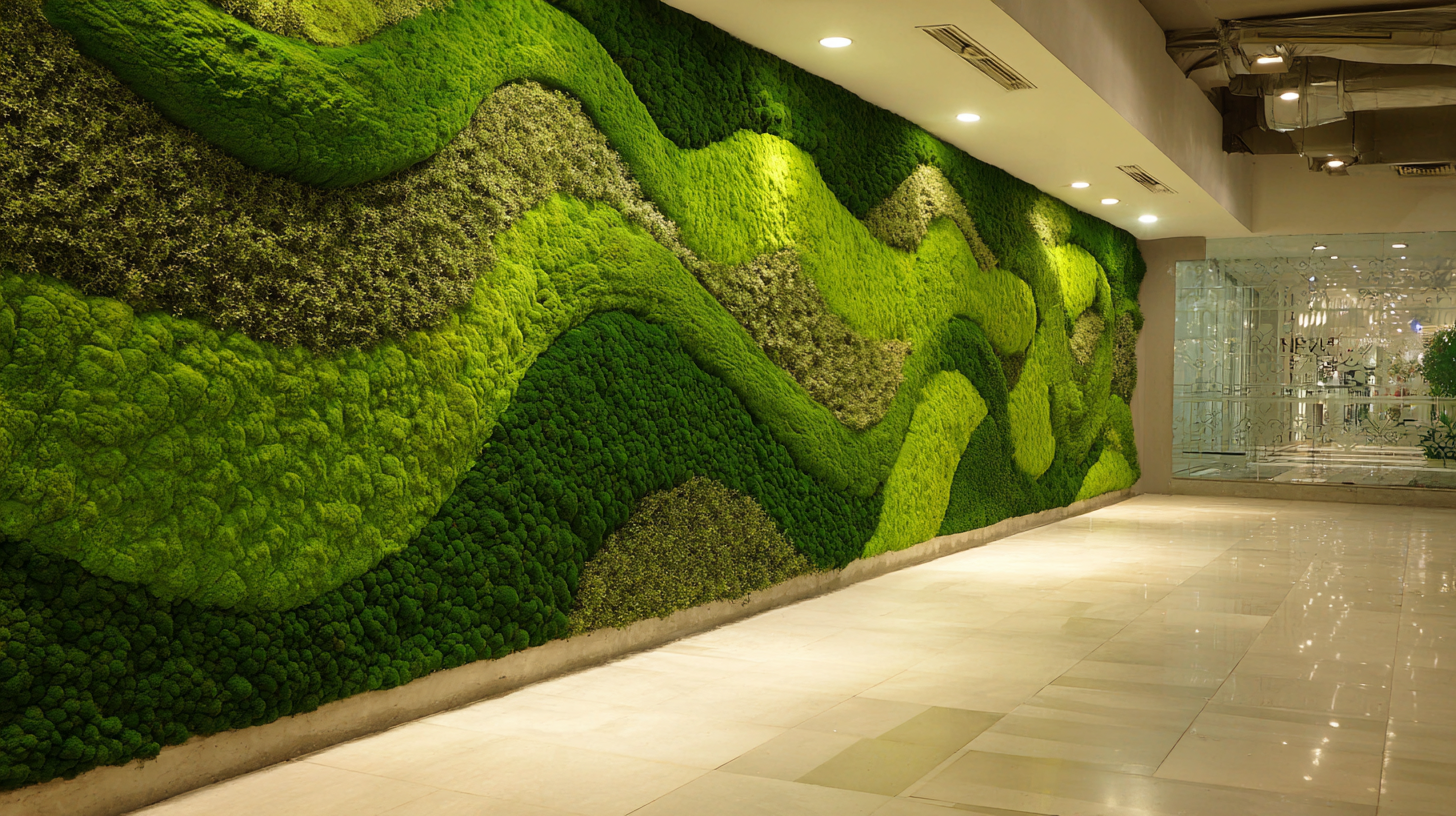
DIY Grass Wall Projects: Creating Customized Spaces
As we look forward to 2025, DIY grass wall projects are set to become a key trend in interior design, allowing homeowners to create customized and vibrant spaces. These living walls not only add a touch of nature to any room but also improve air quality and soundproofing. The versatility of grass wall decor means you can easily tailor it to fit your personal style, whether it’s a cozy nook in your living room or a striking feature in your office.
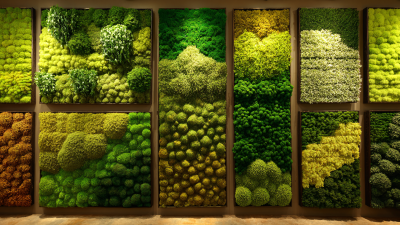
When embarking on your DIY grass wall project, consider the following tips: First, choose the right type of grass or greenery that suits your environment and lighting conditions. For indoor setups, opt for low-maintenance options like preserved moss or faux grass that mimic the lush look without the upkeep. Second, invest in a solid backing material—wood panels or metal frames work well—to ensure your grass wall is both durable and easy to mount.
Another important tip is to incorporate elements like shelves or lighting into your grass wall design. This not only enhances the aesthetic appeal but also allows for functional use of the space. A shelf for plants or decorative items can add depth, while strategically placed LED lights can highlight your grass wall, creating a stunning visual effect in the evening. By embracing these ideas, you can transform any area into a lush, inviting oasis that showcases your creativity.
Health Benefits of Green Walls: Enhancing Indoor Air Quality
Indoor green walls, or living walls, have emerged as a significant trend in interior design, particularly by 2025. These installations not only enhance aesthetic appeal but also offer substantial health benefits, particularly in improving indoor air quality. According to a study published by the Journal of Environmental Management, indoor plants can absorb up to 87% of air pollutants within 24 hours, making green walls an effective solution to combat indoor air pollution.
Incorporating grass wall decor can further promote a healthier living environment. The Environmental Protection Agency (EPA) highlights that indoor air can be up to five times more polluted than outdoor air. Green walls play a crucial role in mitigating these pollutants by absorbing toxins such as benzene, formaldehyde, and trichloroethylene. Additionally, a report from NASA's Clean Air Study underscores that plants not only filter the air but also contribute to increased humidity, which can alleviate respiratory issues and create a more comfortable atmosphere.
Moreover, the psychological benefits cannot be overlooked. A research article by the University of Groningen indicates that exposure to greenery can boost mood, reduce stress, and enhance overall well-being. As more individuals seek healthier living spaces, the popularity of grass wall decor will undoubtedly grow, aligning with the increasing demand for biophilic design in urban environments.