2025 Top 5 Benefits of Synthetic Grass: Transform Your Yard with Durability and Eco-Friendliness
Synthetic grass is rapidly gaining popularity among homeowners looking to enhance their outdoor spaces while promoting sustainability. According to a report by the Synthetic Turf Council, the use of synthetic grass has increased by over 30% in recent years as environmental awareness rises and property owners seek to reduce their water usage. In 2023 alone, the synthetic turf industry was valued at approximately $3 billion, reflecting its growing appeal and the benefits it offers.
The advantages of synthetic grass extend far beyond aesthetic appeal. Its durability ensures that yards maintain pristine conditions throughout the year, eliminating the need for constant maintenance and care associated with traditional grass. Additionally, synthetic grass helps conserve water, with estimates suggesting that homeowners can save more than 50,000 gallons of water annually by switching from natural grass to synthetic alternatives. As we move toward 2025, the shift to synthetic grass not only transforms residential landscapes but also supports eco-friendly practices that are becoming increasingly essential in modern living.
Benefits of Synthetic Grass for a Low-Maintenance Landscape
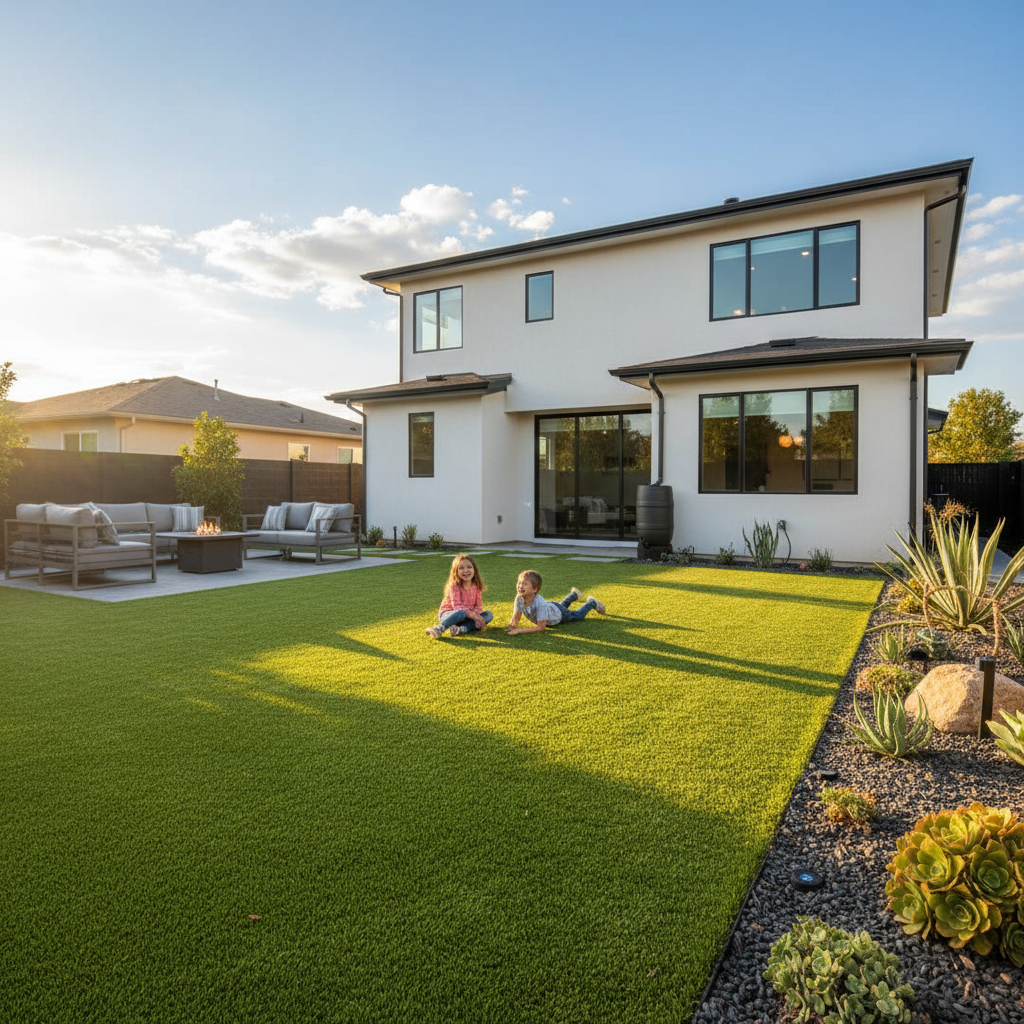
Synthetic grass has emerged as a top choice for homeowners looking to create a low-maintenance landscape. According to a report by the Synthetic Turf Council, approximately 98% of synthetic grass users report a significant reduction in yard maintenance activities. This is largely due to the elimination of mowing, watering, and fertilizing, which not only saves time but also reduces the overall costs associated with lawn care. For busy families or individuals, this is an ideal solution that allows them to enjoy a beautiful yard without the constant upkeep.
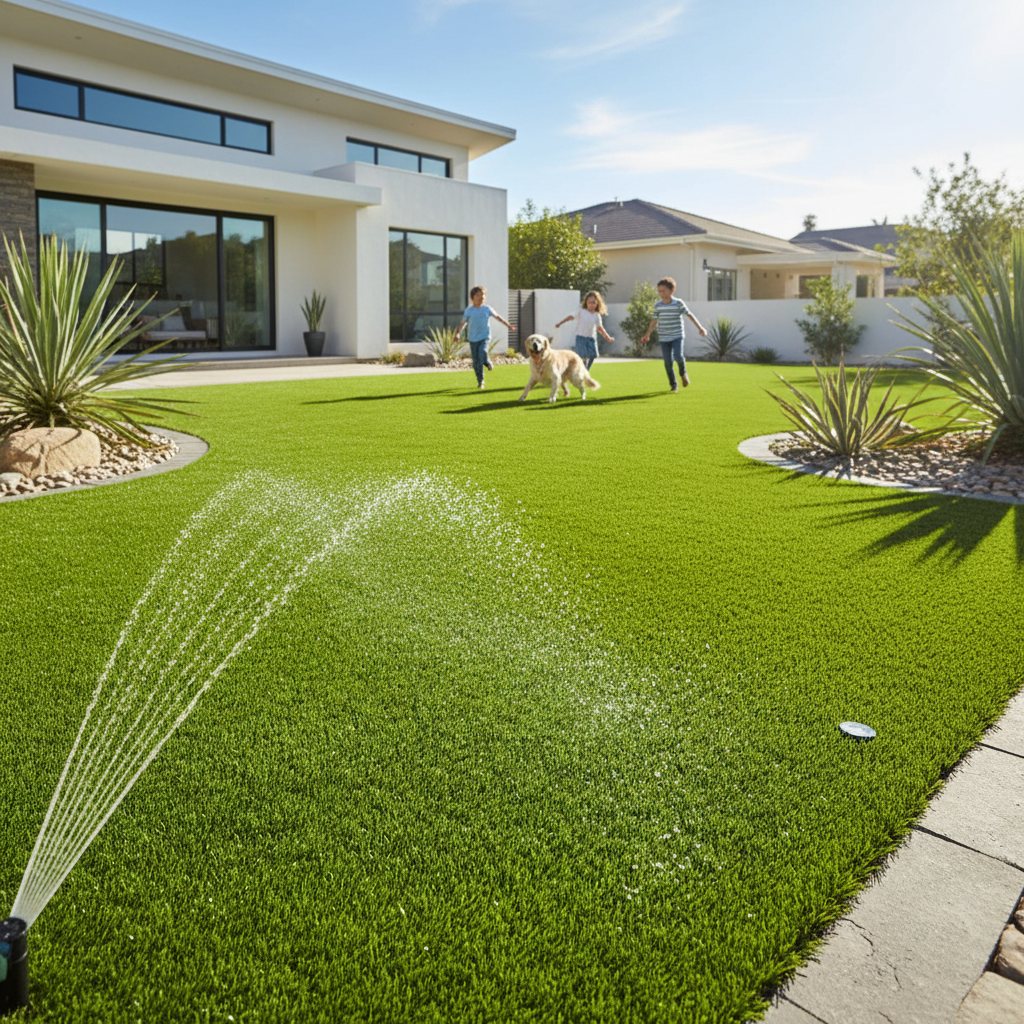
Moreover, synthetic grass contributes to water conservation, an increasingly vital benefit in today's climate. The U.S. Environmental Protection Agency (EPA) estimates that traditional lawns require an average of 30 to 60 inches of water annually, whereas synthetic grass can conserve up to 55 gallons of water per square foot each year. This not only underscores the eco-friendliness of synthetic grass but also aligns with growing environmental concerns regarding water usage and sustainability. By choosing synthetic grass, homeowners can enjoy a lush green yard that is both inviting and environmentally responsible without the heavy demands of a traditional lawn.
Enhancing Yard Aesthetics with Eco-Friendly Synthetic Turf
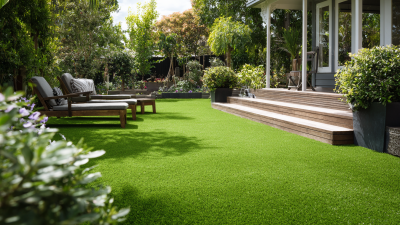
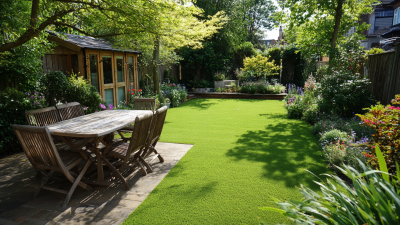
Synthetic grass has become a popular choice for homeowners looking to enhance the aesthetics of their outdoor spaces. Its vibrant green appearance can instantly uplift the look of any yard, creating a manicured landscape year-round without the need for intensive maintenance. Unlike natural grass, synthetic turf retains its color and texture regardless of weather conditions, ensuring that your yard remains visually appealing in both scorching sun and pouring rain.
Moreover, the eco-friendliness of synthetic turf cannot be overlooked. By eliminating the need for fertilizers, pesticides, and regular watering, synthetic grass significantly reduces the environmental impact associated with traditional lawn care. Homeowners can enjoy a beautiful yard while contributing to water conservation efforts and reducing chemical runoff into local ecosystems. This blend of aesthetic appeal and sustainability makes synthetic grass a smart choice for those looking to transform their outdoor spaces into functional and attractive environments.
Durability of Synthetic Grass: A Long-Term Investment
Synthetic grass has emerged as a popular choice for homeowners seeking long-lasting and resilient landscaping solutions. One of the most significant advantages of synthetic grass is its exceptional durability. Unlike natural grass that requires regular maintenance, synthetic turf holds up remarkably well against various weather conditions, including intense heat and heavy rainfall. This resilience not only means a more attractive yard year-round, but also reduces the costs associated with frequent reseeding or replacement.
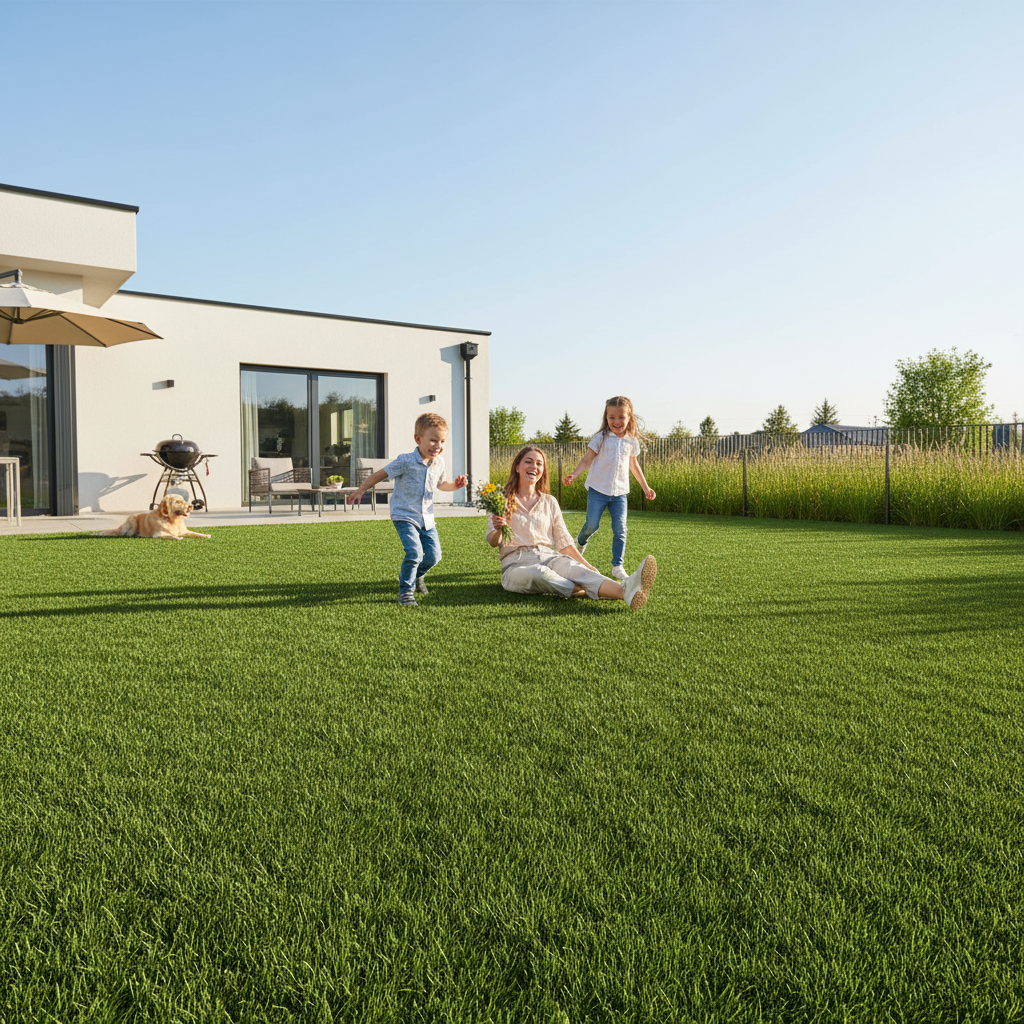
Investing in synthetic grass represents a commitment to convenience and sustainability. It can withstand heavy foot traffic without showing wear and tear, making it ideal for families with children and pets. Additionally, its resistance to pests and diseases means less reliance on chemical treatments, further promoting an eco-friendly environment. Over time, the initial investment in synthetic grass pays off through lowered maintenance efforts and water conservation, solidifying it as a wise choice for those looking to enhance their outdoor spaces sustainably.
Water Conservation and Environmental Impact of Synthetic Grass
As the awareness of environmental sustainability grows, synthetic grass has emerged as a vital alternative for landscaping, particularly in regions facing water scarcity. For instance, areas like Sichuan's Lugu Lake have highlighted the necessity of balancing environmental protection with development, showcasing the importance of preserving natural water bodies while meeting human needs. The use of synthetic grass not only conserves water by reducing irrigation needs but also mitigates the impacts of droughts.
Moreover, the environmental consequences of synthetic grass are noteworthy. It requires no pesticides or fertilizers, thus minimizing chemical runoff into natural water systems. In contrast to traditional lawns, synthetic grass offers a durable solution that can withstand heavy foot traffic and extreme weather, which is crucial in regions affected by climate change. As discussions on sustainability evolve, moving towards alternatives like synthetic grass reflects a proactive approach towards conserving water resources and reducing environmental impact, aligning with initiatives focused on ecological protection and resource management.
Allergen-Free Outdoor Spaces: Health Benefits of Synthetic Turf
Synthetic turf offers a host of health benefits, particularly for those who are sensitive to allergens.
Traditional lawns can harbor pollen-producing weeds and grasses, which can exacerbate allergies and respiratory issues.
In contrast, synthetic grass provides a hypoallergenic alternative that significantly reduces the presence of these irritants.
Homeowners can enjoy lush, green landscapes without the fear of triggering allergy symptoms, making outdoor living spaces more enjoyable for everyone.
Moreover, synthetic turf is designed to withstand wear and tear while maintaining its pristine appearance year-round.
Unlike natural grass, which can develop bare patches and require constant upkeep, artificial turf remains uniform and green,
free from the need for harmful pesticides and fertilizers. This not only promotes a healthier environment by reducing chemical exposure but also creates safer outdoor areas for children and pets.
By choosing synthetic grass, families can transform their yards into allergen-free havens that prioritize health and well-being.