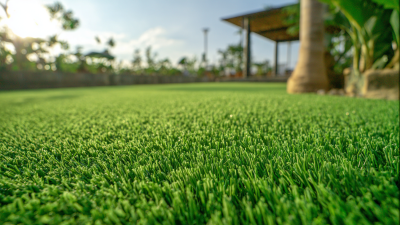
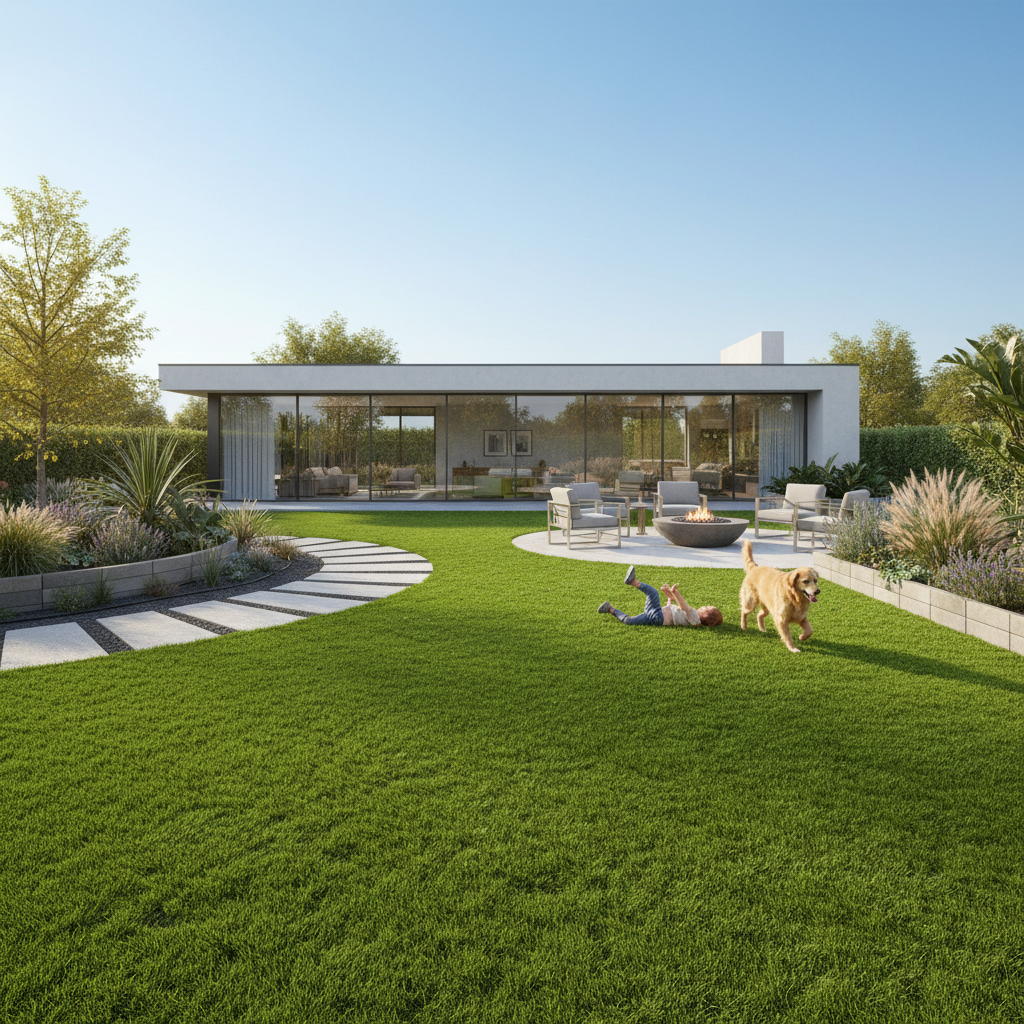
2025 Top 10 Artificial Green Grass Options for Sustainable Landscaping Solutions
As the demand for sustainable landscaping solutions continues to rise, the market for Artificial Green Grass has emerged as a leading alternative for environmentally conscious consumers.
According to a report by Grand View Research, the artificial turf market is projected to reach USD 5.5 billion by 2025, growing at a compound annual growth rate (CAGR) of 8.5% from 2019 to 2025.
This growth highlights the increasing recognition of artificial grass as a viable, eco-friendly landscaping option that conserves water, reduces maintenance costs, and provides aesthetic value without the need for harmful pesticides.

In 2025, homeowners and landscape professionals alike are expected to prioritize sustainability in their choices.
By opting for Artificial Green Grass, they can significantly lower their carbon footprint while enjoying the lush green appearance that traditional lawns offer.
Additionally, the use of advanced technologies in manufacturing these materials has resulted in enhanced durability and realism, making artificial turf a smart investment for a variety of applications, from residential yards to commercial properties and athletic fields.
This article will explore the top 10 Artificial Green Grass options available in 2025, focusing on their sustainability features, cost-effectiveness, and versatility in landscaping.
By evaluating these innovative solutions, we aim to guide consumers toward making informed decisions that align with their environmental values while maximizing the benefits of their outdoor spaces.
Top Benefits of Using Artificial Green Grass in Sustainable Landscaping
As sustainability becomes a pressing concern in landscaping practices, the adoption of artificial green grass presents numerous benefits for environmental health. A recent study by the Synthetic Turf Council highlights that artificial turf can save up to 55 gallons of water per square foot annually, eliminating the need for irrigation systems that deplete our precious water resources. This stat underscores its role in promoting sustainable practices, particularly in arid regions facing water scarcity.
Moreover, artificial turf eliminates the need for harmful pesticides and fertilizers typically used in traditional lawns, which can leach into local ecosystems. According to the EPA, these chemicals contribute significantly to runoff pollution that damages waterways. By integrating artificial grass, landscape designers can create safe environments for both residential and commercial spaces while minimizing their carbon footprint. Furthermore, the lifespan of artificial turf, averaging 15 years, means long-term investment in sustainability, as it reduces the frequency of lawn replacements and garden maintenance that are otherwise resource-intensive.
2025 Top 10 Artificial Green Grass Options for Sustainable Landscaping
Innovative Features to Look for in 2025’s Best Artificial Grass Options
When exploring the best artificial grass options for sustainable landscaping in 2025, innovative features take center stage. One of the most significant advancements is the use of eco-friendly materials. Look for products crafted from recycled plastics that not only mimic the look and feel of natural grass but also contribute to reducing waste and promoting a circular economy. Additionally, UV stabilization is crucial for ensuring longevity and color retention, allowing the grass to withstand harsh weather conditions while maintaining its vibrant appearance.
Another feature to consider is the drainage technology integrated into modern artificial grass. Enhanced drainage systems allow for efficient water runoff, reducing puddling and promoting a healthy yard ecosystem. Furthermore, some options are designed with antimicrobial properties, minimizing the growth of bacteria, which is especially beneficial for households with pets or children. These characteristics contribute to not just aesthetic appeal but also the overall sustainability and functionality of landscaping solutions in the years ahead.
Comparison of Environmental Impact: Natural vs. Artificial Turf
The debate surrounding the environmental impact of natural versus artificial turf continues to gain momentum, particularly as municipalities assess the sustainability of their landscaping options. Artificial grass can initially appear appealing due to its low maintenance costs and the elimination of regular mowing, fertilization, and pest control. However, these benefits are increasingly being scrutinized due to the health and environmental concerns associated with synthetic materials, particularly as communities, such as in Santa Clara County, consider bans on artificial turf due to perceived risks.
On the other hand, the ecological footprint of synthetic turf is complex. Recent reports indicate that certain innovations, like synthetic revetted bunkers, may offer a lower environmental impact compared to their natural counterparts. Nevertheless, the reliance on petroleum-based plastics in the construction of artificial pitches and lawns raises questions about long-term sustainability. As awareness of microplastic pollution and its effects on ecosystems grows, so too does the scrutiny on artificial grass, prompting a reevaluation of its role in sustainable landscaping solutions.
Trends in Artificial Green Grass Technology for Sustainable Solutions
As we move towards 2025, the importance of sustainable landscaping solutions is becoming increasingly apparent, particularly in the realm of artificial green grass. The global artificial turf market is predicted to surpass $6.56 billion by 2025, with a compound annual growth rate (CAGR) exceeding 7.2%, ultimately reaching over $13.15 billion by 2035. This growth is fueled by a rising awareness of the environmental issues linked to traditional landscaping methods, including water usage and chemical fertilizers.
Innovations in artificial grass technology are making strides towards sustainability. New materials are being developed to improve the recyclability of synthetic grass, aligning with the increasing demand for circular economies. Companies are partnering to harness these innovations, focusing on smart grids and precision agriculture using AI technologies to enhance resource efficiency and environmental stewardship.
**Tip:** When selecting artificial grass for landscaping, look for products that prioritize sustainability, such as those made from recycled materials or designed for long-term durability, helping to reduce the need for replacements. Additionally, consider the ease of maintenance, as more resilient options can significantly lower resource consumption over time.
Cost-Effectiveness of Artificial Grass for Eco-Friendly Landscaping Projects
The cost-effectiveness of artificial grass has made it a popular choice for eco-friendly landscaping projects. While the initial investment may be higher than that of natural grass, artificial turf offers long-term savings through reduced maintenance costs. Homeowners no longer need to spend time and money on watering, mowing, fertilizing, and pest control, which can accumulate significantly over the years. This not only saves on utility bills but also conserves precious water resources, making it a sustainable option in areas prone to drought.
Moreover, artificial grass enhances the overall aesthetic of landscaping without the seasonal inconsistencies seen with natural lawns. Its durability means it remains lush and green year-round, providing a visually appealing solution that requires minimal upkeep. By choosing artificial grass, homeowners contribute to environmental sustainability while enjoying a vibrant outdoor space, confirming that eco-friendly landscaping can indeed be cost-effective.
2025 Top 10 Artificial Green Grass Options for Sustainable Landscaping Solutions
| Grass Type |
Material |
Cost per Square Foot |
Lifespan (Years) |
Eco-Friendliness Rating (1-5) |
Maintenance Level (1-5) |
| Premium Nylon |
Nylon |
$3.50 |
15 |
4 |
2 |
| Luxury Polyethylene |
Polyethylene |
$2.80 |
10 |
5 |
3 |
| Standard Polypropylene |
Polypropylene |
$1.50 |
8 |
3 |
4 |
| Soft Blend Grass |
Composite |
$2.20 |
12 |
4 |
3 |
| Eco-Friendly Turf |
Recycled Materials |
$3.00 |
15 |
5 |
2 |
| Variety Blade Grass |
Polyethylene |
$2.50 |
12 |
4 |
3 |
| Golf Turf |
Nylon |
$3.60 |
15 |
4 |
2 |
| Shag Grass |
Polypropylene |
$1.80 |
10 |
3 |
4 |
| Playground Turf |
Composite |
$2.90 |
12 |
5 |
1 |
| Pet Turf |
Polyurethane |
$3.20 |
15 |
5 |
2 |