Top 10 Tips for Choosing Synthetic Artificial Grass?

When selecting Synthetic Artificial Grass, the decision can be overwhelming. Many factors must be considered to ensure a smart choice. According to industry expert John Smith, "Choosing the right synthetic grass is more than just aesthetics; it’s about performance." His words underline the importance of understanding what you need from your grass.

Quality, durability, and maintenance are crucial aspects. Synthetic artificial grass looks fantastic but can vary significantly in quality. Not all products offer the same lifespan or feel underfoot. This means careful research is essential to make a wise investment. You might find something visually appealing but impractical for daily use. It’s easy to focus only on the initial cost, yet longevity should factor into your decision.

Consider how you will use the grass. Play areas, backyards, or commercial spaces each have different requirements. Features like drainage, UV stability, and infill types matter greatly. Reflect on the areas where you want to install synthetic grass. Sometimes, the right choice isn’t immediately clear. Test samples and consult with professionals to uncover hidden drawbacks. Making an informed decision will lead to satisfaction in the long run.
Top 10 Tips for Choosing Synthetic Artificial Grass?

Understanding the Different Types of Synthetic Grass

When choosing synthetic grass, understanding the different types is crucial. There are various grades available, each serving unique purposes. Some are designed for aesthetic appeal, while others prioritize durability. For instance, a lower pile height is often more suitable for heavy foot traffic. This can be useful in sports fields or playgrounds.

Moreover, synthetic grass comes in multiple textures and colors. Some options mimic natural grass closely, while others are more vibrant. If you have pets, it’s essential to consider pet-friendly varieties. These types are specifically engineered to resist odors and stains.

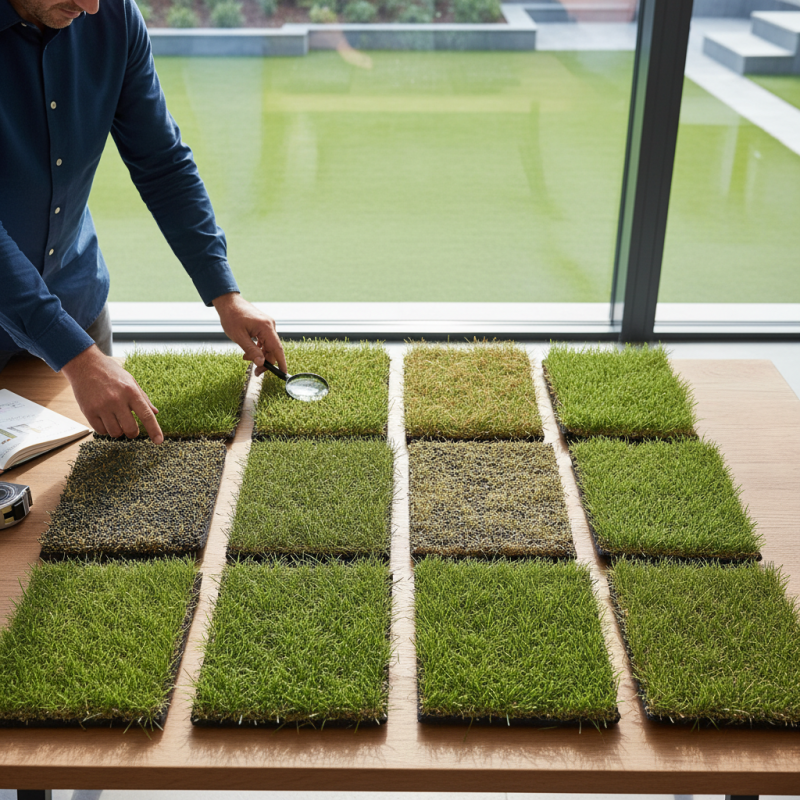
Another factor to reflect upon is the infill material. Many products use rubber or sand, impacting feel and longevity. Picking the right infill can affect heat retention, an important detail in warmer climates. As you explore options, it's wise to examine samples in person. Online images may not accurately represent the product. Engaging with the material firsthand can prevent dissatisfaction later.
Evaluating the Durability and Maintenance Requirements

Top 10 Tips for Choosing Synthetic Artificial Grass?

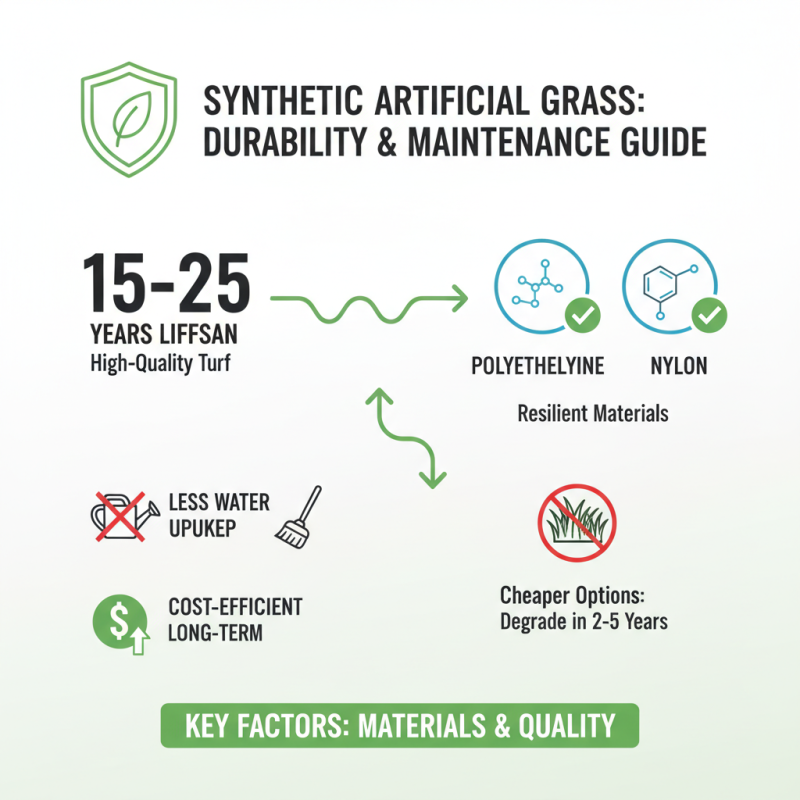
When selecting synthetic artificial grass, durability and maintenance are crucial factors. Research shows that high-quality artificial turf can last up to 15-25 years. The type of materials used directly affects this lifespan. For instance, polyethylene and nylon are popular choices due to their resilience. However, some cheaper options may visibly degrade within just a few years. That’s a notable issue for homeowners seeking cost-efficiency.

Maintenance requirements vary widely. Some synthetic grasses require infrequent brushing or cleaning, while others may need regular maintenance to keep them looking pristine. Reports indicate that neglecting maintenance can reduce the lifespan of your turf significantly. Dust and debris can accumulate, leading to potential fading and wear. In contrast, properly maintained turf can retain its vibrant color and texture.

It’s essential to consider factors such as foot traffic and seasonal changes. Areas with heavy usage will wear faster unless you choose a more robust product. Additionally, improper installation or a lack of drainage can lead to problems like mold and mildew. Opting for a product with good drainage capabilities and considering local climate can prevent future headaches. Ultimately, the right choice balances durability with manageable maintenance demands.

Considering the Environmental Impact and Safety Standards

When selecting synthetic artificial grass, environmental impact and safety standards are crucial. Many people overlook these factors. It is essential to choose materials that are eco-friendly and non-toxic. Look for grass made from recycled materials. This can help reduce landfill waste. Check if the grass is free from harmful chemicals. This can also keep pets and children safe.

Consider the long-term effects of artificial grass. Some products can contribute to heat retention. This can raise temperatures in your yard. Investigate if the grass has UV stabilization. This can prolong its life and reduce the need for replacements. However, not all options are equally durable. Some may fade or break down faster than expected.

Be aware of water drainage as well. Poor drainage can lead to mold and mildew. This may pose health risks. Look for grass with proper drainage systems. This can help avoid puddles and water buildup. It's easy to be swayed by appearance alone. The most attractive option might not be the best choice. Think about how it will perform over time and in various weather conditions.

Top 10 Tips for Choosing Synthetic Artificial Grass

Tip Consideration Environmental Impact Safety Standards
1. Look for UV Stability Ensure the grass does not fade easily under sun exposure. Helps reduce the need for replacements. Meets ASTM standards for UV resistance.
2. Check Infill Options Consider infills that are eco-friendly. Some infills may contain harmful chemicals. Choose options certified for low toxicity.
3. Assess Drainage Properties Select grass with efficient drainage systems. Prevents waterlogging and reduces runoff. Complies with ADA guidelines for surface drainage.
4. Evaluate Durability Choose grass that withstands heavy foot traffic. Less frequent need for replacements saves resources. Must pass industry tests for wear and tear.
5. Look for Recyclable Materials Opt for grass made from recycled plastics. Reduces landfill waste and conserves resources. Documentation should be available for material certification.
6. Confirm Non-Toxic Certifications Ensure grass is free of harmful substances. Better for children and pets. Should meet US regulations for safety.
7. Explore Heat Reduction Features Look for products with heat-reflective technology. Helps maintain cooler temperatures. Product testing data should be provided.
8. Understand Maintenance Requirements Select grass that is easy to maintain. Lower maintenance means less resource use. Comply with industry maintenance recommendations.
9. Consider Product Lifespan Choose grass with a long warranty. Indicates better initial quality and value. Warranty terms should adhere to ISO standards.
10. Think About Aesthetics Select a product that matches your landscape. A more appealing design increases usage. No specific standards, but colorfastness should be assured.

Analyzing Cost vs. Quality for Long-Term Value

When choosing synthetic artificial grass, cost versus quality is crucial for long-term value. Cheaper options might seem tempting, but they often lack durability. Consider how much wear and tear your grass will face. High-quality grass can resist fading and maintain its appearance. Investing wisely upfront could save you money later.

Remember to examine the fibers. Look for varying colors and textures. This creates a more natural look. Thickness matters too; denser fibers usually indicate better quality. Don't skip the infill material. Good infill supports the grass and enhances durability.

Consider installation costs. Sometimes, a low-priced product ends up being expensive to install. DIY might save money, but mistakes can lead to costly repairs. Evaluate your long-term plans for the space. A wise investment can elevate your outdoor experience significantly.

Selecting the Right Pile Height and Density for Your Needs

Choosing the right pile height and density is crucial for synthetic grass. For residential lawns, a lower pile height is often suitable. It’s easier to maintain and feels soft underfoot. However, a taller pile can offer a more realistic look. Consider how you plan to use your lawn. For heavy foot traffic, a denser product may be necessary.


When evaluating options, observe the different textures. Some grasses feel plush, while others are more rigid. Stepping on a sample can reveal a lot. You might question if the grass can withstand pets or sports. A denser grass often holds up better over time.


Think about your aesthetic preferences too. You may prefer a specific shade of green. Not all products feature the same color variations. It can be confusing. Reflect on what will suit your environment best. Sometimes, it helps to visualize it with landscaping elements around it. Don’t rush the decision; take your time to weigh the pros and cons.