What is Outdoor Artificial Grass and How Does It Work?
Outdoor Artificial Grass has become a popular choice for homeowners and businesses alike. Industry reports indicate a remarkable growth in this market. According to the Global Artificial Turf Market report, the sector is expected to reach $6.4 billion by 2026. This reflects increasing awareness about sustainability and low maintenance options.
The appeal of Outdoor Artificial Grass lies in its durability. Unlike natural grass, it doesn't require constant mowing or watering. This feature saves time and reduces water bills significantly. Moreover, many users appreciate the lush, green appearance throughout the year. However, it's essential to consider installation costs and the potential for wear in high-traffic areas.
While Outdoor Artificial Grass offers many benefits, it is not without downsides. Some users report issues with heat retention in summers. Others worry about the environmental impact of synthetic materials used in production. These concerns urge homeowners to reflect before making a choice. Understanding both advantages and disadvantages is crucial for a well-informed decision.
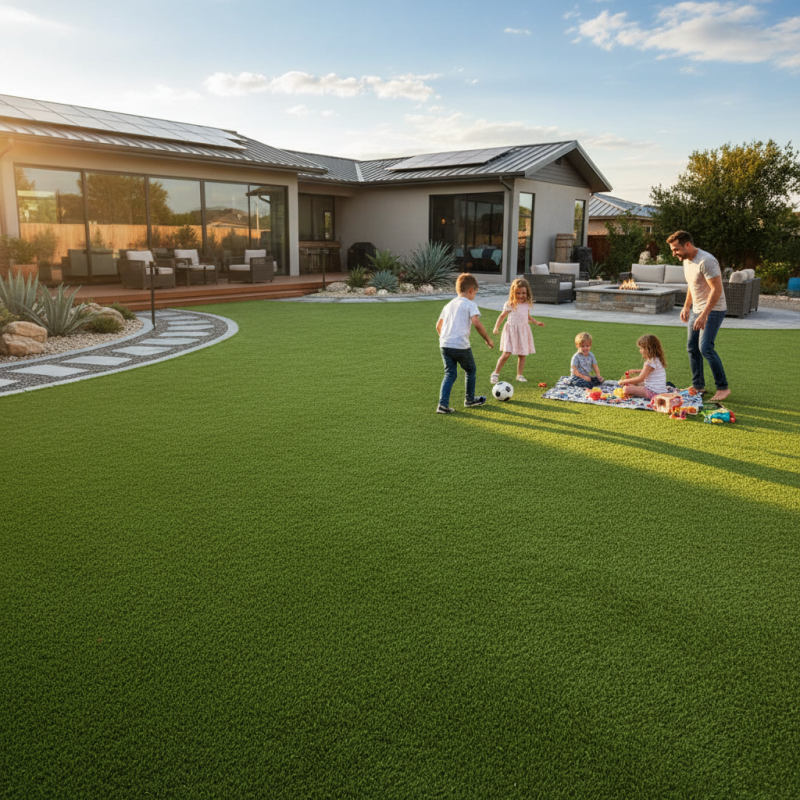
What is Outdoor Artificial Grass and Its Composition
Outdoor artificial grass is a synthetic alternative to natural grass. It is composed of various materials designed to mimic real grass. The primary component is polyethylene, which offers a soft feel and natural appearance. Other materials include polypropylene and nylon, which enhance durability. These fibers are often placed on a backing material that allows for drainage.
The production of artificial grass involves a complex process. The fibers are tufted into a backing layer, creating a dense carpet-like texture. Some grass types are coated with UV protection to withstand sunlight. On the surface, infill materials like sand and rubber are used. These provide stability and help the grass blades stand upright. However, creating the right balance of infill can be tricky. Too much infill may lead to an unnatural look, while too little can result in a flat appearance.
Artificial grass offers numerous advantages. It requires minimal maintenance and stays green year-round. Yet, its aesthetic can sometimes feel artificial. The initial installation costs can be high and the environmental impact of production is a consideration. As with any material, it's important to weigh the pros and cons before deciding.
Types of Outdoor Artificial Grass and Their Applications
Outdoor artificial grass comes in various types, each tailored for specific applications. The most common type is
polyethylene grass, known for its soft texture and realistic appearance.
This material is popular for residential lawns and playgrounds. According to industry reports, around
60% of homeowners prefer this option due to its low maintenance needs
and durability.
Another popular variety is polypropylene grass, often used in sports fields.
It is lighter and more affordable, making it a cost-effective choice. Recent studies indicate that synthetic turf
can enhance playability while reducing injuries among athletes. However, it may wear out faster compared to
polyethylene options, leading to concerns about long-term investment.
In commercial spaces, nylon grass is frequently chosen. Its strength and
resilience make it ideal for high-traffic areas. Despite its advantages, the installation cost can be higher.
Not everyone sees a clear return on this expenditure.
Artificial grass is a game changer for outdoor spaces. Understanding the best type for specific needs is crucial.
Users must evaluate both short- and long-term benefits carefully.
The Benefits of Using Outdoor Artificial Grass
Outdoor artificial grass has gained popularity among homeowners and businesses alike. Its appeal lies in the numerous benefits it offers. According to a report by MarketsandMarkets, the global artificial turf market is projected to grow to $5.4 billion by 2025. This growth reflects a rising demand for low-maintenance landscaping solutions.
One major benefit of outdoor artificial grass is water conservation. Natural lawns require substantial watering, but artificial grass can help save up to 55 gallons of water per square foot annually. This is crucial in regions facing drought. Additionally, artificial grass reduces the need for fertilizers and pesticides, making it more environmentally friendly. However, some may question its sustainability. The production process can involve synthetic materials that may not decompose easily.
Durability is another key advantage. Artificial grass can withstand heavy foot traffic and extreme weather conditions. It generally lasts 15 to 25 years, according to the Synthetic Turf Council. This longevity can be cost-effective in the long run. However, its initial installation cost can be high. This may deter some property owners. Despite these drawbacks, the low maintenance and lasting beauty of outdoor artificial grass make it an attractive option for many.
How Outdoor Artificial Grass is Installed and Maintained
Outdoor artificial grass offers a green, low-maintenance alternative for lawns, gardens, and sports fields. Proper installation is essential for longevity. It begins with preparing the ground. The area must be cleared of debris, roots, and rocks. A base layer of crushed stone is then laid down. This keeps the grass from sinking.
Roll out the artificial grass and cut it to fit the area. Seams should be joined tightly to avoid gaps. Once it’s in place, secure it with staples or nails. Infill material can be added for support and to mimic natural grass texture. Ensure the grass is brushed upright to maintain a natural look.
For maintenance, occasional brushing is needed to avoid matting. Rinsing the surface with water removes dust and debris. Inspect for any damage or loose seams. If you notice wear, addressing it quickly can prevent larger issues.
Tips: Regular checks ensure the grass stays in top shape. If a seam opens, repair it immediately. Do not ignore small issues; they can become big problems.
Outdoor Artificial Grass Installation and Maintenance Comparison
This bar chart illustrates the amount of time required and general costs associated with the preparation, installation, maintenance, and lifespan of outdoor artificial grass. Each category provides insights into what to expect when considering artificial grass for outdoor use.
Environmental Impact of Outdoor Artificial Grass Usage
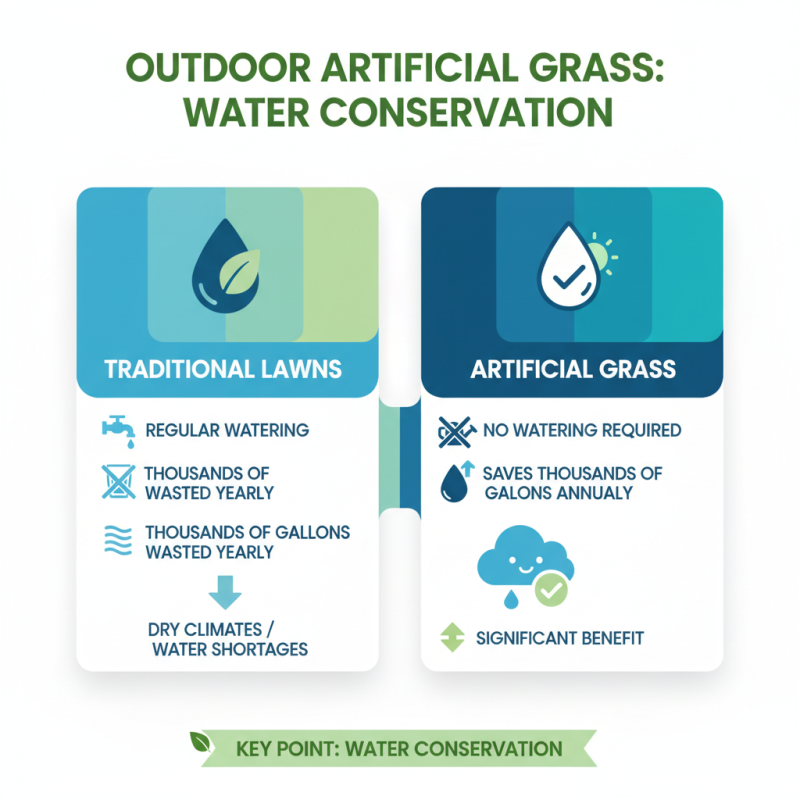
The environmental impact of outdoor artificial grass is a complex issue. On one hand, it conserves water. Traditional lawns require regular watering, especially in dry climates. Artificial grass needs no watering, which can save thousands of gallons each year. This benefit is significant in areas facing water shortages.
However, there are concerns regarding its production and disposal. Artificial grass is often made from synthetic materials. These materials can contribute to plastic pollution. When disposed of improperly, they can end up in landfills where they take decades to decompose. This raises questions about sustainability.
Also, not all artificial grass is created equal. Some products may release harmful chemicals during their lifecycle. These chemicals can affect soil and surrounding wildlife. As consumers, we need to reflect on these implications. Are the benefits worth the potential environmental costs? Finding a balance is crucial in making informed decisions about outdoor artificial grass.