What is Outdoor Artificial Grass and How Can It Benefit Your Space
Outdoor Artificial Grass has become a popular alternative to natural grass for various outdoor spaces, owing to its numerous benefits and low-maintenance requirements. Unlike traditional sod, this innovative landscaping solution offers a consistently lush and green appearance without the need for regular watering, mowing, or fertilization. Homeowners, businesses, and municipalities alike are embracing Outdoor Artificial Grass for its aesthetic appeal and practicality.
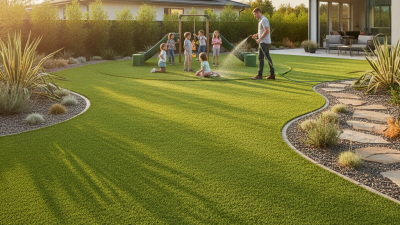
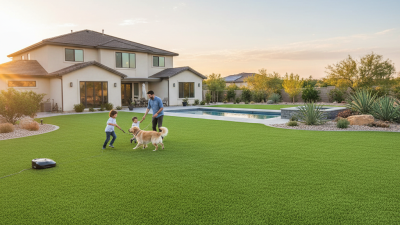
The versatility of Outdoor Artificial Grass makes it suitable for a wide range of applications, from residential lawns and playgrounds to commercial patios and rooftop gardens. Its ability to withstand heavy foot traffic while retaining its vibrant color and texture makes it an ideal choice for areas that experience frequent use. Furthermore, Outdoor Artificial Grass provides a safe and cushioned surface for children and pets, contributing to a family-friendly environment.
As we explore the benefits of Outdoor Artificial Grass in more detail, it becomes clear that this artificial solution manages to merge beauty with functionality, offering an efficient way to enhance outdoor spaces while reducing the environmental impact associated with traditional grass maintenance.
What is Outdoor Artificial Grass?
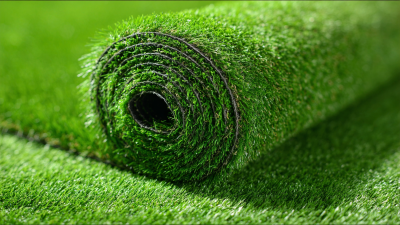
Outdoor artificial grass, often referred to as synthetic turf, is an innovative alternative to natural grass that mimics its appearance and texture. Made from durable synthetic fibers, it is designed to withstand various weather conditions while maintaining its lush green color throughout the year. Unlike natural grass, outdoor artificial grass doesn’t require soil, sunlight, or water, making it an eco-friendly choice for many landscapes. It is ideal for areas where growing conventional grass is challenging, such as shaded regions or places with poor soil quality.
The benefits of using outdoor artificial grass are numerous. Firstly, it significantly reduces maintenance efforts; homeowners and businesses alike can enjoy a beautiful, green space without the need for mowing, fertilizing, or watering. This convenience not only saves time but also reduces ongoing costs associated with lawn care. Additionally, outdoor artificial grass provides a safe and consistent playing surface, making it an excellent choice for playgrounds, sports fields, and recreational areas. With its ability to resist wear and tear, it offers durability that can withstand heavy foot traffic, keeping your outdoor spaces looking pristine for years to come.
What is Outdoor Artificial Grass and How Can It Benefit Your Space
| Feature |
Description |
Benefits |
| Durability |
Made from high-quality synthetic materials designed to withstand various weather conditions. |
Lasts for years with minimal maintenance required. |
| Aesthetic Appeal |
Provides a lush, green look all year round, regardless of climate. |
Enhances the visual appeal of gardens, patios, and outdoor areas. |
| Low Maintenance |
Requires no mowing, watering, or fertilizing. |
Saves time and costs in lawn maintenance. |
| Eco-Friendly |
Reduces the need for water and chemical treatments. |
Contributes to environmental sustainability. |
| Safety |
Often designed with a non-toxic surface and softer feel. |
Safe for children and pets to play on. |
Types of Outdoor Artificial Grass Available
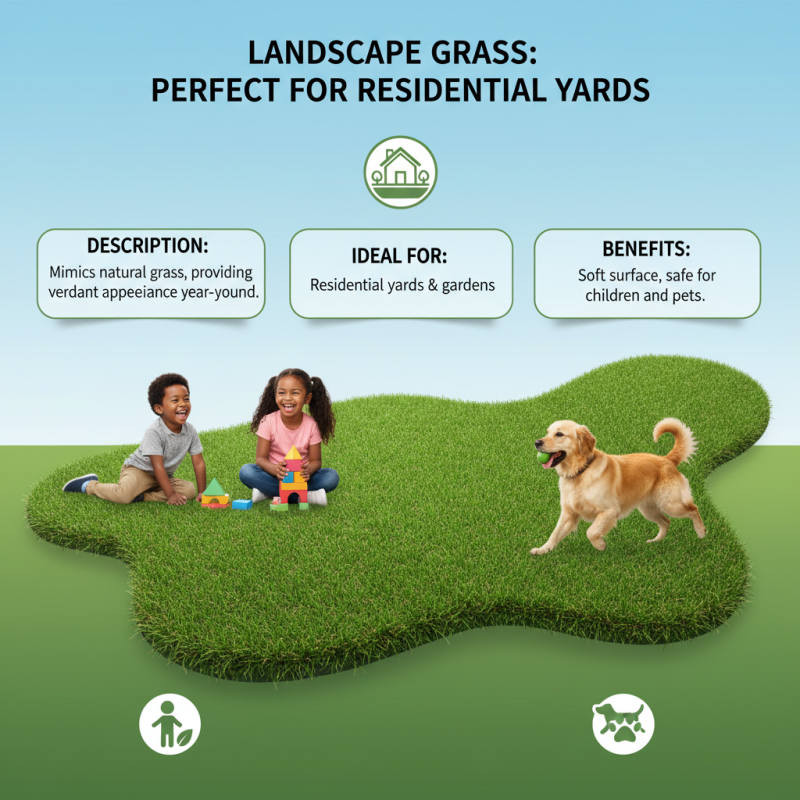
When considering outdoor spaces, selecting the right type of artificial grass is essential for enhancing aesthetics and functionality. There are several options available that cater to different needs and preferences. First, there is landscape grass, which is designed for residential yards and gardens. This type mimics the look of natural grass, providing a lush and verdant appearance year-round. It is typically used in areas where pets play or where children engage in outdoor activities, as it offers a soft surface that is both safe and visually appealing.
Another popular option is sports turf, specifically engineered for athletic fields and recreational areas. This type of artificial grass is durable and can withstand heavy foot traffic, making it ideal for sports like soccer, football, and field hockey. The fibers are designed to provide superior traction and cushioning, ensuring that athletes can perform safely and effectively. For those interested in low-maintenance solutions, putting green grass is a fantastic choice for golf enthusiasts who wish to practice their skills at home. It simulates the experience of playing on a real golf course while offering a stylish addition to any outdoor environment. Each type of outdoor artificial grass features unique characteristics tailored to meet specific recreational needs and aesthetic goals.
Benefits of Installing Outdoor Artificial Grass
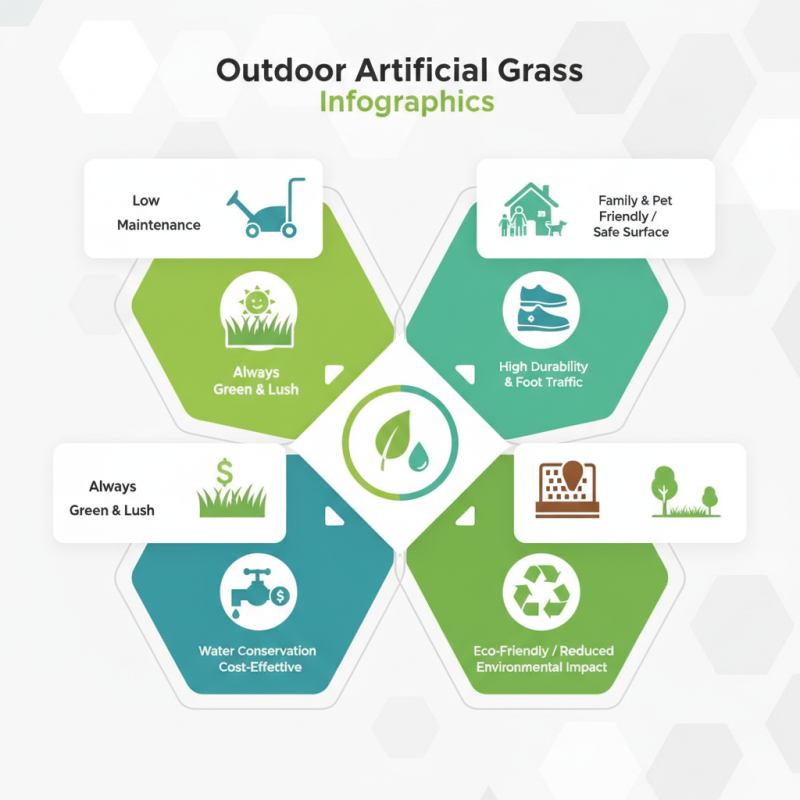
Outdoor artificial grass has become increasingly popular due to its numerous benefits, making it an attractive option for homeowners and commercial spaces alike. One of the primary advantages of installing artificial grass is its low maintenance requirements. Unlike natural grass, which requires regular mowing, watering, and fertilizing, synthetic turf maintains its lush appearance without the need for constant upkeep. This not only saves time and labor but also reduces long-term maintenance costs.
Another significant benefit of outdoor artificial grass is its durability and resilience. It can withstand various weather conditions, including heavy foot traffic, without showing wear and tear. This makes it ideal for high-traffic areas such as playgrounds, sports fields, and backyards where children and pets play. Additionally, artificial grass is designed to be UV-resistant, ensuring that the vibrant colors do not fade over time. With its capacity to remain green and inviting year-round, outdoor artificial grass can enhance the visual appeal of any outdoor space while providing a safe and comfortable environment for various activities.
Benefits of Outdoor Artificial Grass Installation
Maintenance Requirements for Outdoor Artificial Grass
Outdoor artificial grass is an increasingly popular alternative for landscaping, providing a lush, green appearance without the intensive maintenance required by natural grass. One of the primary advantages of synthetic turf is its low-maintenance nature. According to a report by the Synthetic Turf Council, maintaining natural grass can consume over 55 gallons of water per square foot, while artificial grass requires minimal water for cleaning, making it an eco-friendly option, particularly in drought-prone areas.
The maintenance requirements for outdoor artificial grass primarily involve simple tasks like occasional brushing to keep the fibers upright and remove debris. Additionally, routine washing with water can help prevent the buildup of dust and impurities, ensuring that the turf remains clean and vibrant. An industry study highlights that investing in artificial grass can reduce yard maintenance costs by up to 70%, as homeowners no longer need to spend on fertilizers, pesticides, or frequent mowing. This shift not only saves time but also minimizes the environmental impact typically associated with traditional lawn care.
In terms of longevity, artificial grass can withstand various weather conditions and typically lasts between 10 to 25 years with proper care. Regular inspections for wear and tear, combined with periodic maintenance, ensure that the grass remains in optimal condition. This manageable upkeep, coupled with significant cost savings, makes outdoor artificial grass an appealing choice for many property owners looking to enhance their outdoor spaces.
Cost Considerations for Outdoor Artificial Grass Installation
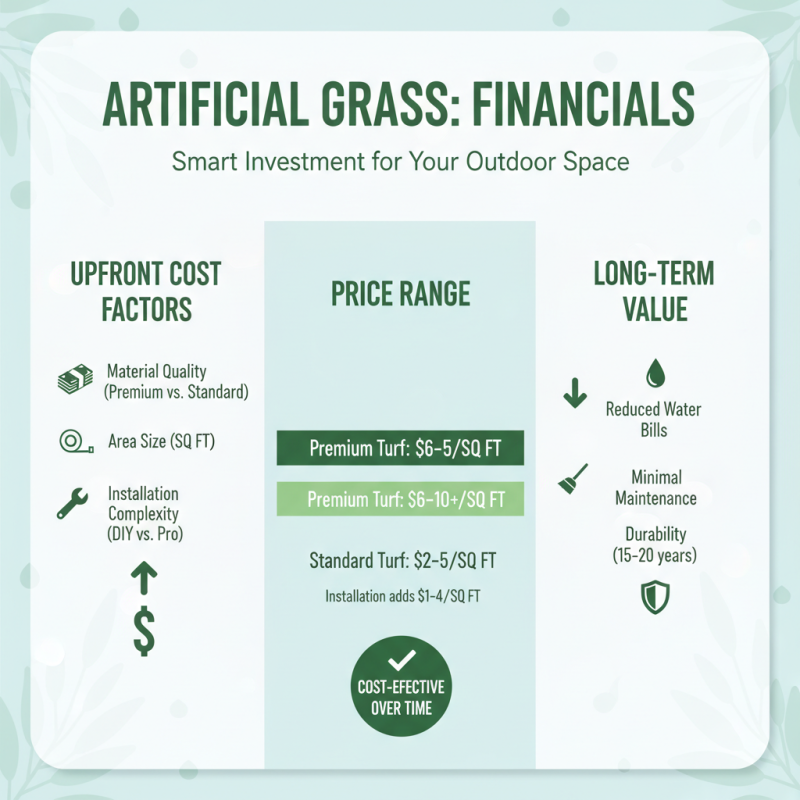
The installation of outdoor artificial grass is an increasingly popular choice among homeowners looking to enhance their outdoor spaces. However, it’s essential to consider the financial aspects before making a commitment. The cost of outdoor artificial grass can vary widely, influenced by factors such as the quality of the materials, the size of the area being covered, and the complexity of the installation process. Generally, high-quality synthetic turf offers durability and a realistic appearance, which may come at a higher price, but it often proves to be a worthwhile investment in the long run.
When budgeting for artificial grass installation, it's crucial to factor in both the upfront costs and potential long-term savings. Homeowners can save on water bills, lawn maintenance, and landscaping services over time. Additionally, consider the costs of any necessary preparatory work, such as soil removal or leveling, which may add to the initial expense.
**Tips:** To ensure you're getting the best value, obtain multiple quotes from installers and consider the reputation and references of each. Also, check if there are local incentives for sustainable landscaping options that could offset installation costs. Lastly, think about the warranty offered on the product to safeguard your investment and ensure longevity.