Exploring the Impact of Artificial Plant Wall Innovations at the 138th Canton Fair 2025 Insights and Trends
As the 138th Canton Fair unfolds in 2025, innovations in the realm of interior design are taking center stage, particularly through the rise of
Artificial Plant Walls. These advanced vertical gardens not only enhance aesthetic appeal but also address the growing consumer demand for
sustainable and low-maintenance solutions. According to a recent report by Grand View Research, the global artificial plants market is expected to reach
USD 2.5 billion by 2027, highlighting a compounded annual growth rate (CAGR) of 6.6%. The increasing urbanization and need for green spaces in crowded environments
are propelling the adoption of Artificial Plant Walls, which simulate the beauty of real plants without the requisite upkeep. This trend reflects a broader movement towards
integrating nature into living and working spaces, which has been shown to improve air quality and enhance mental well-being, thereby making it a pivotal topic of exploration at this significant trade event.
Innovations in Artificial Plant Wall Design Showcased at the 138th Canton Fair 2025
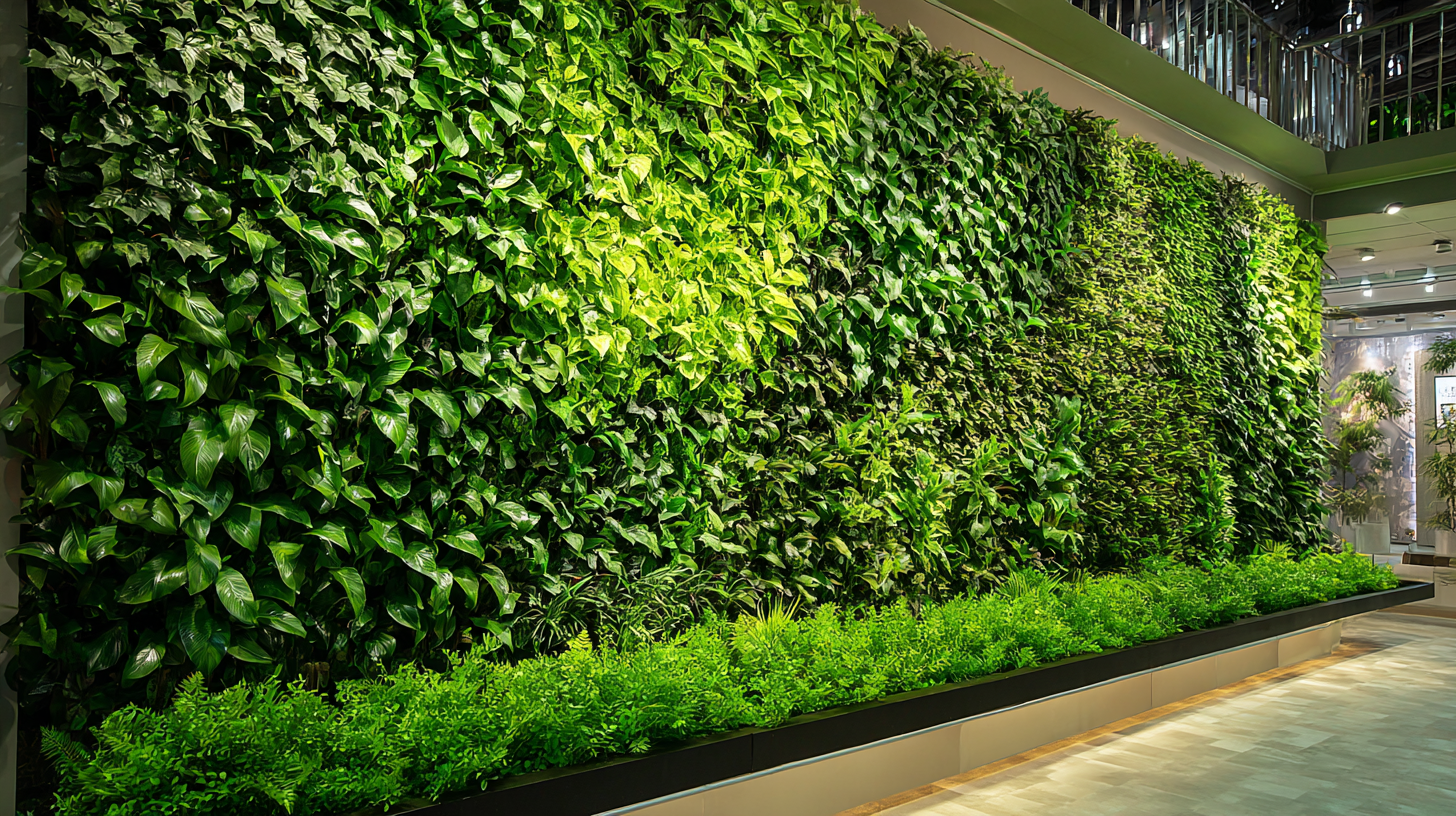
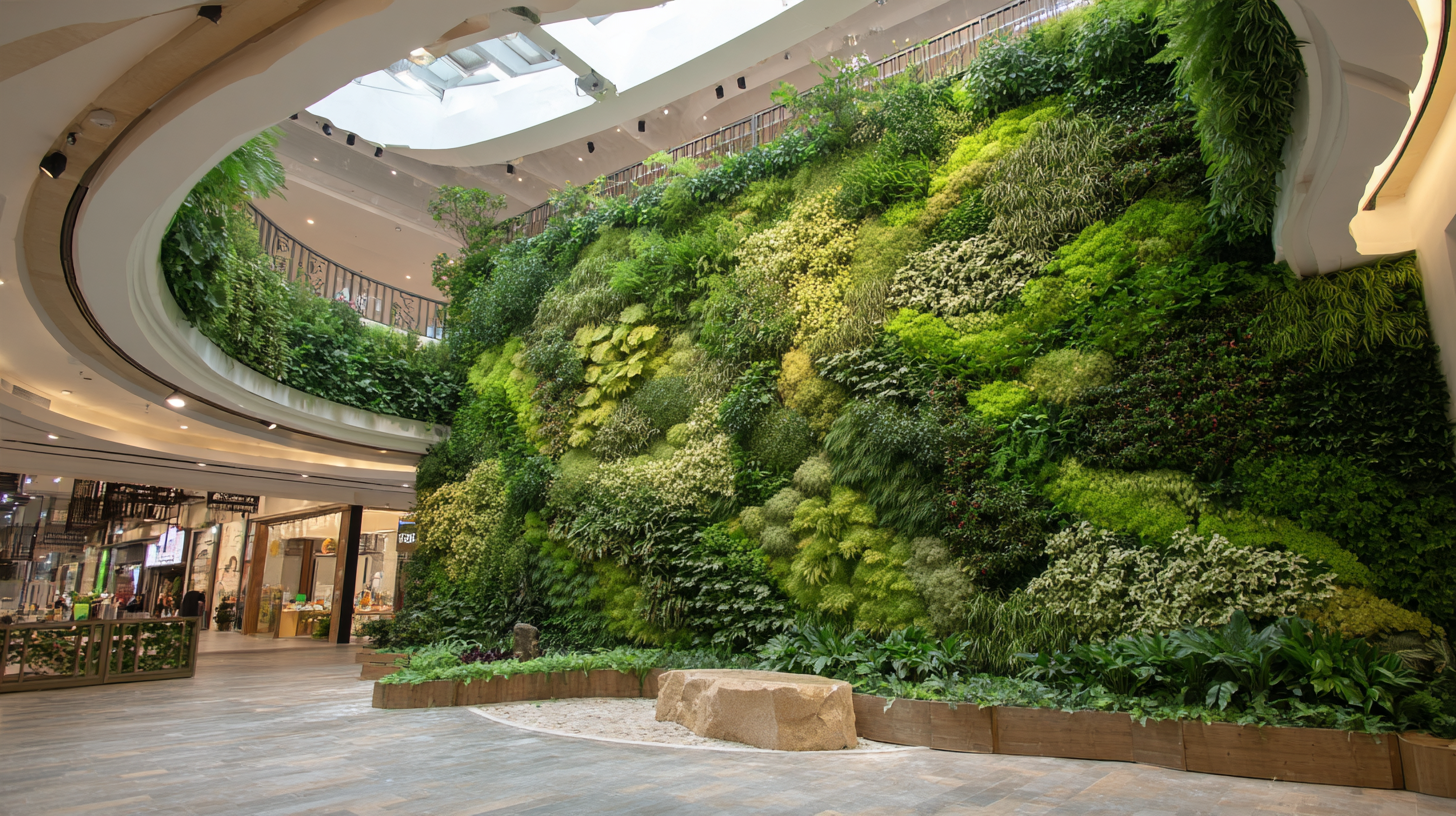
The 138th Canton Fair 2025 has become a notable platform for showcasing cutting-edge innovations in artificial plant wall designs. With a growing trend for biophilic design in urban environments, manufacturers have introduced various styles that not only enhance aesthetics but also promote environmental sustainability. These wall installations mimic natural ecosystems, allowing urban dwellers to experience the calming effects of greenery without the practical challenges of real plants.
Tips for choosing the right artificial plant wall include considering the space where it will be installed, the type of plants that align with your design aesthetics, and the material used for maintenance ease. Opt for UV-resistant options if the wall is exposed to sunlight, ensuring long-lasting vibrancy. Additionally, explore options that integrate mood-enhancing colors or seasonal elements to keep your space fresh and inviting throughout the year.
Innovations at the fair emphasize not only the design but also smart technology. Some artificial plant walls now feature integrated LED lighting and automated watering systems, which further simulate the natural environment while reducing upkeep efforts. Emphasizing functionality alongside visual appeal, these innovative designs are poised to transform commercial and residential spaces into harmonious retreats.
Market Trends for Artificial Greenery: Growth Projections and Consumer Demand Insights
The market for artificial greenery is experiencing remarkable growth, driven by increasing consumer demand for low-maintenance decorative options. Projections indicate that the global artificial plant market will expand significantly, with a projected value of $32 billion by 2032. This surge can be attributed to changing lifestyle preferences, where consumers seek aesthetic appeal without the upkeep associated with real plants. Innovations showcased at platforms like the Canton Fair highlight the trend towards sustainability in design, as manufacturers focus on creating realistic, environmentally friendly alternatives that cater to modern consumer values.
In parallel, the botanical supplements market is also on track for substantial growth, expected to reach $18.6 billion by 2032, exhibiting a compound annual growth rate of 11.91%. This booming sector reflects heightened awareness of health and wellness among consumers, who are increasingly turning to natural sources for dietary supplements. The demand for plant-derived ingredients, including spices, herbs, and flowers, plays a crucial role in influencing consumer choices, fostering a market that prioritizes quality and proven health benefits. As trends continue to evolve, the intersection of decorative plant solutions and health-conscious products illustrates a dynamic landscape shaped by consumer preferences in the years ahead.
Market Trends for Artificial Greenery
This chart illustrates the projected growth in market value for artificial plant walls from 2021 to 2025 as observed during the trends at the 138th Canton Fair. The significant increase indicates rising consumer demand and innovative developments in the field.
Sustainability and Eco-Friendliness in Artificial Plant Wall Technology
As the 138th Canton Fair approaches in 2025, the spotlight is on the latest innovations in artificial plant wall technology, particularly focusing on sustainability and eco-friendliness. This emerging trend reflects a growing awareness of environmental issues, pushing manufacturers to develop products that not only mimic the beauty of natural greenery but also contribute positively to the ecosystem. These innovations often utilize recycled materials and energy-efficient production methods, showcasing a commitment to reducing the carbon footprint associated with traditional decoration methods.
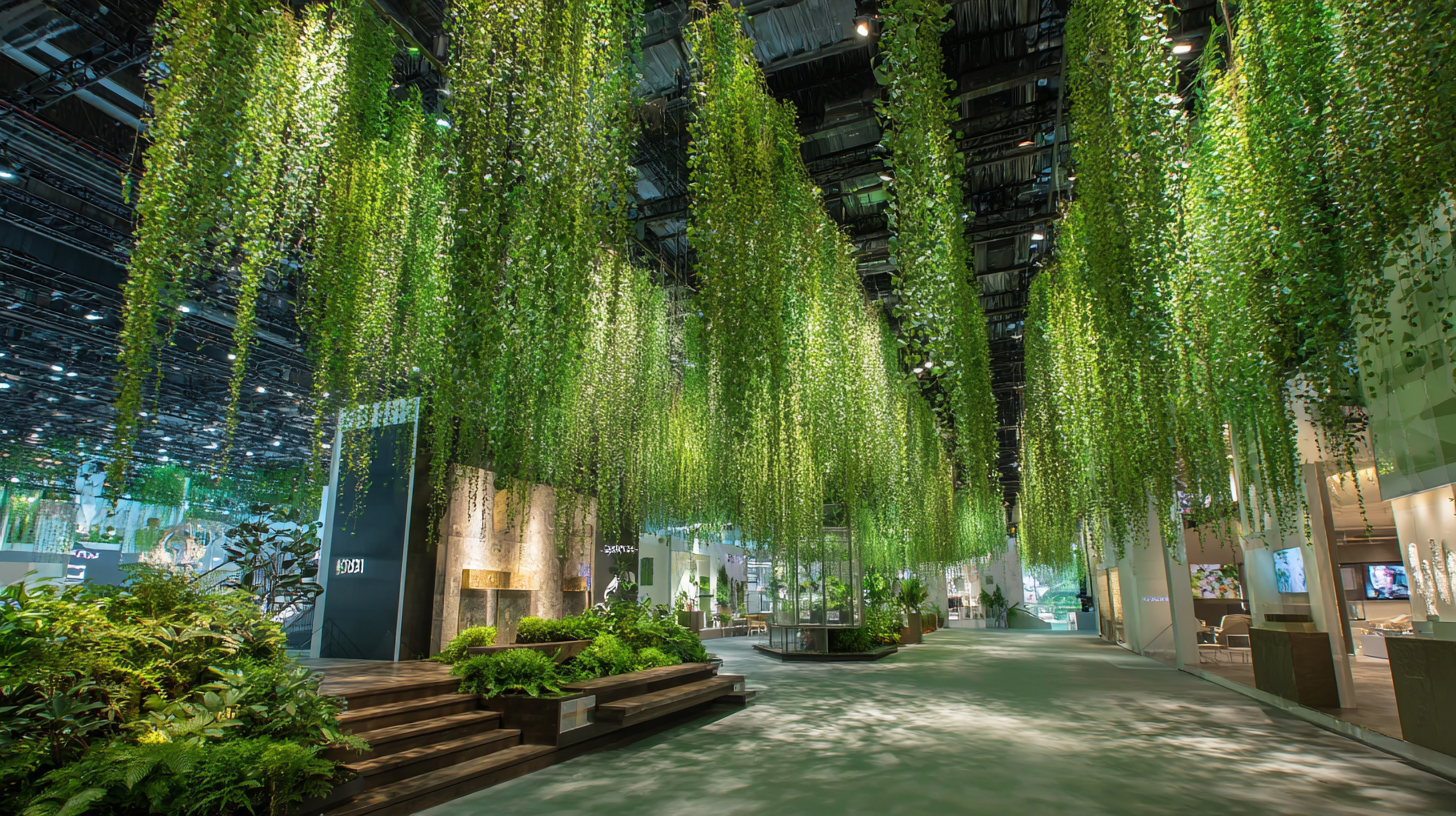
The integration of sustainable practices within artificial plant wall technology is paramount for addressing modern consumer demands. Designers and manufacturers are increasingly using non-toxic, biodegradable materials that enhance the aesthetic appeal of indoor and outdoor spaces while promoting environmental stewardship. Details such as water retention and air purification features boost the ecological benefits of these products, encouraging businesses and homeowners alike to adopt greener solutions. As the Canton Fair presents these cutting-edge technologies, it signals a significant shift towards responsible consumerism in the interior design sector, where eco-friendliness becomes as crucial as visual impact.
Consumer Preferences: Comparing Natural vs. Artificial Plant Walls in Interior Design
As the trend of incorporating greenery into interior design flourishes, the debate between natural and artificial plant walls continues to captivate homeowners and designers alike. Consumers are increasingly drawn to the vibrant aesthetics and low-maintenance allure of artificial plant walls. These innovative designs offer endless possibilities without the constraints of sunlight, watering, or seasonal changes. On the other hand, natural plant walls provide a tactile connection to nature, improving air quality and offering a sense of tranquility. The choice often boils down to usage, environment, and personal preferences.
**Tips:** When choosing between natural and artificial plant walls, consider the specific needs of your space. If you desire minimal upkeep and year-round consistency, artificial options may be ideal. However, if you seek a live element that fosters peace and improves indoor air quality, natural plant walls can create a captivating ambiance. Additionally, think about the aesthetic harmony with your existing decor and the overall atmosphere you wish to cultivate.
Ultimately, the decision hinges on understanding consumer preferences and the unique lifestyle of each individual. The evolution of artificial plant walls reflects a growing demand for innovation in interior design, while the enduring appeal of natural options remains strong. Both choices offer distinct benefits, catering to a variety of tastes and functional needs.
Future Directions: The Role of Technology in Advancing Artificial Plant Walls
The 138th Canton Fair showcased an impressive variety of artificial plant wall innovations, highlighting the pivotal role technology plays in their advancement. With the integration of smart features, such as self-watering systems and customizable lighting, these innovations not only enhance aesthetic appeal but also optimize maintenance. The use of sustainable materials is becoming increasingly common, making these solutions eco-friendly while aligning with green building trends.
Tips for incorporating artificial plant walls into your space include considering the lighting environment and climate of the area. Choose plants that complement the existing décor and will thrive in the light conditions available. Additionally, investing in technology that allows for easy care, such as automated irrigation, will ensure that your artificial plant wall remains vibrant and healthy with minimal effort.
As we look toward the future, the role of technology in enhancing the functionality and visual appeal of artificial plant walls will continue to evolve. Innovations like augmented reality can offer virtual design experiences, allowing users to visualize their plant installations before making a commitment. This integration of technology not only enriches user interaction but also solidifies artificial plant walls as a staple in modern interior design.