2026 How to Install Landscaping Artificial Grass Effectively?
Landscaping Artificial Grass is gaining popularity among homeowners. This is largely due to its low maintenance and aesthetic appeal. According to industry expert Mark Thompson, “A well-installed artificial lawn can transform your outdoor space.” His insight highlights the potential impact of artificial grass on landscaping.
Installing Landscaping Artificial Grass requires careful planning. Select a suitable area that receives enough sunlight. If drainage is poor, consider adding a base layer of sand or gravel. The installation process can be tricky, and mistakes are common. For instance, improper cutting can lead to seams that are easily visible.
Reflecting on the installation process, it can be challenging. Many homeowners overlook the importance of proper tools, leading to unsatisfactory results. The visual appeal of Landscaping Artificial Grass hinges on attention to detail. Make time for research and consider seeking professional help if needed.
Choosing the Right Type of Artificial Grass for Your Landscape
Choosing the right type of artificial grass for your landscape requires careful consideration. Not all artificial grass is the same. Some types look more realistic while others may be more suited for high traffic areas. The aesthetic and functional aspects need to match your needs.
When selecting artificial grass, think about the texture and color. A lush, green lawn may be your goal, but not all options achieve that. Some lower-priced varieties can look plastic, detracting from your landscape. Measure your space accurately. If you end up with too little or too much, it could lead to unexpected costs.
Installation is another essential aspect. You might think it's straightforward, but uneven surfaces can cause problems later. Proper drainage is vital, or you risk water pooling. Planning these details helps avoid regrets down the road. Take your time to explore your options thoroughly. A well-thought-out choice can transform your outdoor space.
2026 How to Install Landscaping Artificial Grass Effectively?
| Type of Artificial Grass |
Ideal Use Case |
Yarn Material |
Pile Height (inches) |
Drainage Rate (inches/hour) |
| Natural Look |
Residential lawns, gardens |
Polyethylene |
1.5 |
30 |
| Playground Safe |
Play areas for children |
Nylon |
2.0 |
25 |
| Dog-Friendly |
Dog parks, pet areas |
Polypropylene |
1.5 |
35 |
| Heat Resistant |
Sunny areas, rooftops |
Polyethylene |
1.75 |
40 |
Preparing the Ground: Steps for Proper Site Preparation
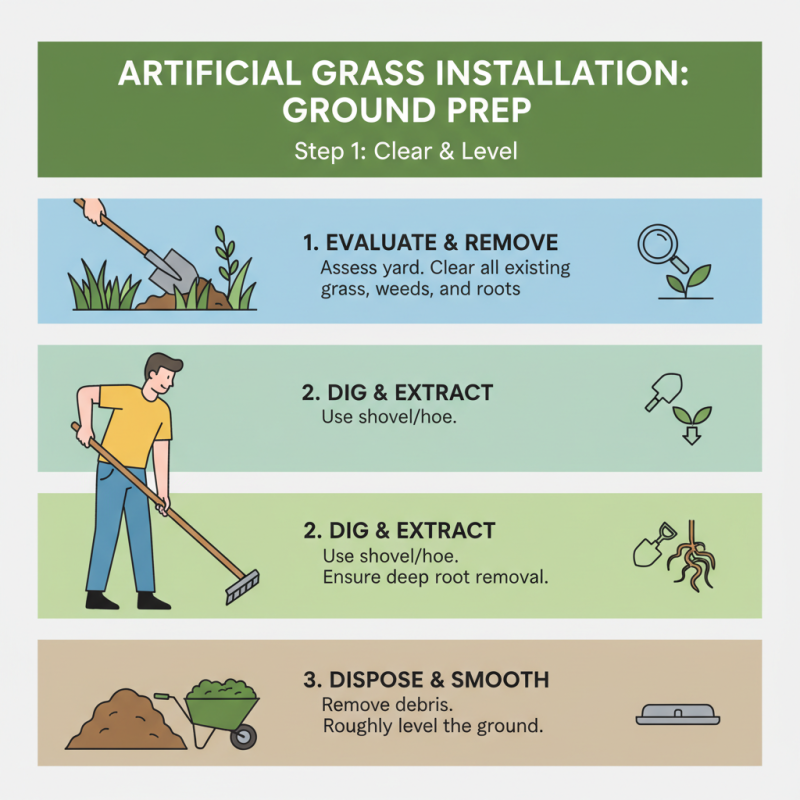
Preparing the ground for landscaping artificial grass is crucial for a successful installation. Start by evaluating your current yard condition. Remove any existing grass and weeds. Use a shovel or a hoe for this task. It may take longer than expected, especially if the roots are deep.
Next, level the ground to ensure even drainage. Fill any low spots with soil. Compaction is vital, so use a tamper to press down the soil. This step might seem tedious, but it's essential for a smooth surface.
Tips: Don't skip the drainage assessment. Proper drainage prevents water pooling. Rely on a professional if you’re unsure. Additionally, installing a weed barrier can save you future effort. It's simple, but many overlook it. A little prep can go a long way in achieving that perfect green lawn.
Installing the Base Layer: Gravel and Sand for Stability
Installing artificial grass starts with the base layer, which is crucial for stability. Properly preparing the ground ensures that your grass will look good for years. Begin by removing the existing sod and debris. This creates a clean slate for the installation.
Next, lay down a layer of gravel. A 2-3 inch layer is often recommended. This aids in drainage and keeps the area dry. Compact the gravel well to avoid any uneven surfaces. After that, add a layer of sand on top of the gravel. About 1 inch of sand should suffice. Rake it evenly, creating a smooth surface.
You might find that leveling the sand takes some trial and error. It requires patience and attention to detail. Uneven spots can lead to bumps in the artificial grass. After placing the sand, walk around to check for any inconsistencies. Small adjustments can make a big difference. A stable base will ensure your artificial grass remains in place and looks good over time.
Installation Process of Landscaping Artificial Grass
Laying and Securing the Artificial Grass Turf
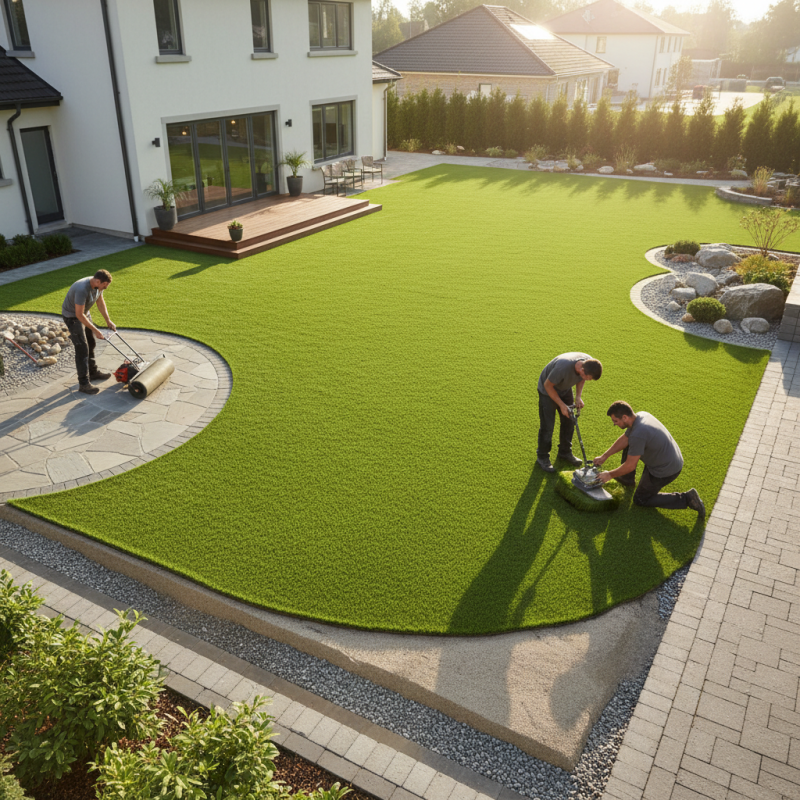
Laying and securing artificial grass turf can be rewarding but requires attention to detail. Start by preparing the ground. Clear the area of debris and weeds. Level the surface as much as possible. Use a compacting tool to create a firm base. Don’t rush this step; an uneven surface can lead to problems later.
When it's time to lay the turf, unroll it carefully. Allow it to acclimate for a few hours. This can prevent wrinkles and make it easier to work with. Cut the edges neatly using a sharp utility knife. Overlap seams by a few inches to ensure a seamless look.
**Tips:** Ensure the turf is laid in the same direction to maintain a consistent appearance. Use a landscape adhesive to secure edges. You may find this tricky, so take your time. Adjustments may be needed after installation. Test different methods for securing the turf to see what works best. It’s a process of trial and error, but worth it in the end.
Finishing Touches: Grooming and Maintenance of Your New Lawn
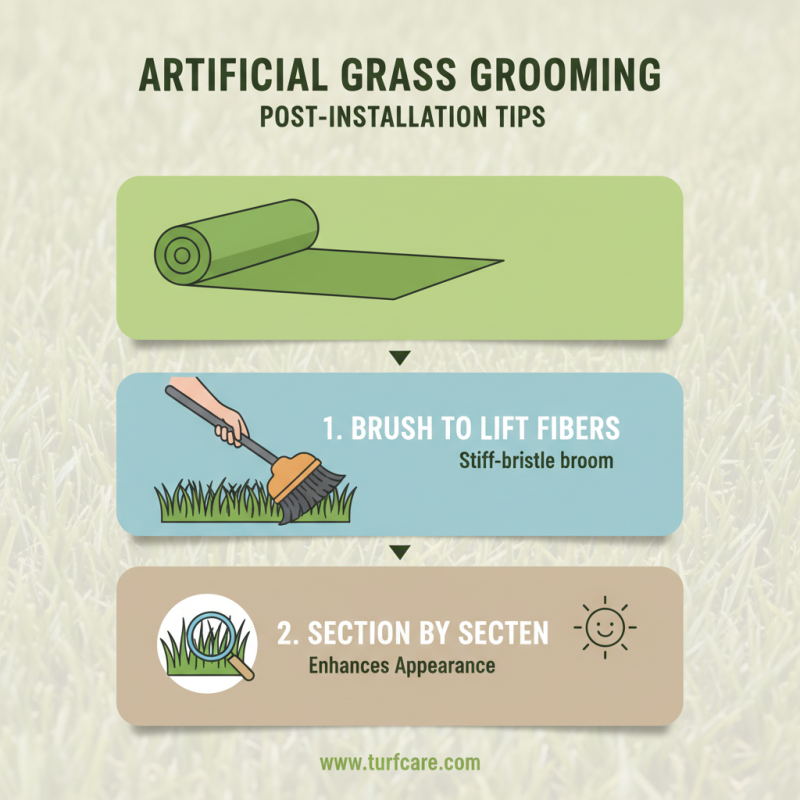
When you install artificial grass, grooming it can significantly enhance its appearance. After laying down the grass, you might notice it looks a bit flat. A good initial brushing can lift the fibers. Use a stiff-bristle broom to do this. Focus on one section at a time. It might feel tedious, but it’s worth the effort.
Regular maintenance is key to keeping your lawn looking fresh. A simple weekly check can help. Remove any debris that settles on the surface. It’s tempting to ignore this, but doing so prevents mold and buildup. Additionally, consider rinsing the grass every few weeks. Dust and pollen can dull its shine.
Sometimes, despite our best efforts, the lawn may still show signs of wear. High foot traffic areas might flatten over time. If this happens, re-brush those spots to restore the look. Don’t overlook the importance of proper infill. It can help maintain the integrity of the grass. Each small step in maintenance contributes to a vibrant, long-lasting lawn.