2025 How to Choose the Best Artificial Grass Synthetic for Your Needs
When considering the transition to a more sustainable and low-maintenance landscape, the choice of Artificial Grass Synthetic surfaces has become increasingly popular among homeowners and commercial property owners alike. As we look ahead to 2025, understanding how to select the best synthetic grass for your specific needs is essential to ensure a long-lasting and aesthetically pleasing outcome. According to renowned industry expert Dr. Susan Parker, an expert in landscape architecture and sustainable materials, "The right Artificial Grass Synthetic not only enhances the beauty of your outdoor space but also contributes to environmental conservation by reducing water usage and maintenance costs."
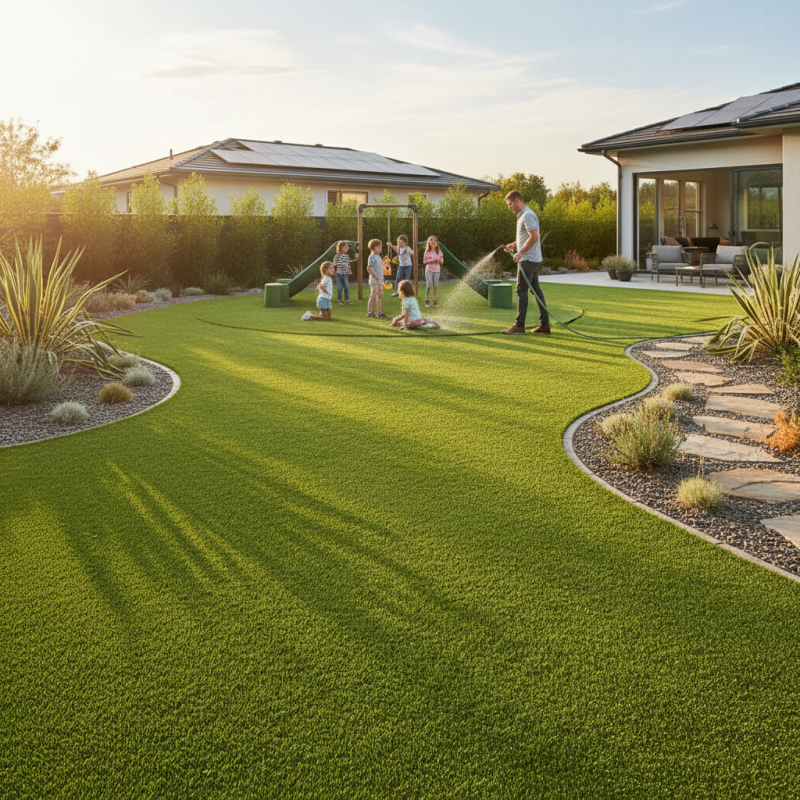
As artificial grass technology continues to evolve, countless options present themselves, each tailored to cater to different preferences and practical requirements. Whether it's for a residential garden, a children's play area, or a sports facility, knowing the critical factors such as pile height, drainage capabilities, and UV resistance can make all the difference. By taking the time to thoroughly research and assess various artificial grass options, individuals can achieve a result that meets their aesthetic desires while maintaining the functionality needed for everyday use.
In this guide, we will delve into the key considerations for selecting the most suitable Artificial Grass Synthetic for your needs, ensuring that you make an informed decision that contributes positively to your outdoor environment. Through expert insights and practical advice, you will be equipped with the knowledge necessary to create a lush, green space that lasts all year round.
Understanding Different Types of Artificial Grass Materials
When selecting the best artificial grass for your needs, understanding the different types of materials available is crucial. Artificial grass is primarily made from polyethylene, polypropylene, and nylon, each offering unique characteristics suited to various applications.
Polyethylene is the most common choice, known for its softness and durability, making it ideal for residential lawns and playgrounds.
It mimics the feel of natural grass, allowing for a plush, comfortable surface that is safe for children and pets alike.
On the other hand, polypropylene is often used for less demanding applications, such as temporary events or decorative landscaping. It is generally more affordable but may not withstand heavy foot traffic as effectively as other materials.
Lastly, nylon is the most robust option, providing excellent resilience and longevity, which is perfect for high-traffic areas such as sports fields. However, it tends to be pricier compared to the other materials.
Evaluating these differences will assist you in making an informed choice that aligns with your specific needs, ensuring that you select the right artificial grass that performs well over time.
Evaluating Durability and Longevity of Synthetic Turf Options
When evaluating the durability and longevity of synthetic turf options, it's vital to consider several key factors that can affect the performance and lifespan of artificial grass. According to a recent study by the Synthetic Turf Council, properly maintained synthetic grass can last between 15 to 25 years, depending on the material quality and installation conditions. Factors such as UV stability, infill material, and overall construction techniques significantly influence the product's resilience against wear and tear. Regular maintenance, like brushing and infill replenishment, can also enhance the longevity of your turf.
Tips for choosing high-quality synthetic grass include researching the pile height and density, which can impact both the aesthetic appeal and durability of the turf. Opt for products with a higher density and a mix of yarn types, as they often yield better performance in high-traffic areas. Additionally, look for industry certifications that indicate the grass meets specific safety and performance standards, ensuring that you make an informed decision that will benefit you in the long run.
Another essential consideration is the warranty offered by the manufacturer, typically ranging from 8 to 15 years. A robust warranty can indicate a company's confidence in their product's durability. Always read the fine print, as it often provides insights into what is covered and what maintenance is required to maintain the warranty. By focusing on these aspects, you can select a synthetic turf option that not only meets your aesthetic needs but also stands the test of time.
2025 Synthetic Turf Durability Comparison
This bar chart compares the durability ratings of various synthetic turf materials based on factors such as fiber type, temperature resistance, and UV resistance. A higher rating indicates better durability for outdoor use.
Assessing Aesthetic Appeal and Color Choices in Artificial Grass
When choosing artificial grass, aesthetic appeal and color choices play a crucial role in achieving the desired look for your space. The first consideration should be how the color of the synthetic turf complements your existing landscape and architecture. Available in a range of shades, from vibrant greens to more muted, natural hues, selecting the right color can enhance the overall aesthetic of your yard or garden. Engaging with color psychology can also help; for instance, lighter hues can create an open, airy feel, while richer greens may offer a more lush, inviting atmosphere.
Additionally, texture and pile height are essential factors that contribute to the visual and tactile appeal of artificial grass. A blade with varied heights and widths can mimic the appearance of natural grass, adding depth and realism to your space. Some products even offer distinctive color flecks to simulate the organic variations found in real grass, enriching the visual experience. Ultimately, the right combination of aesthetics and color choices will not only elevate your outdoor area but also align with your personal style and the functional needs of the environment.
Considering Maintenance Requirements and Cleaning Procedures
When selecting the best synthetic grass for your needs, understanding the maintenance requirements and cleaning procedures is crucial. Different artificial grasses have varying levels of upkeep, which can significantly influence your satisfaction and the longevity of the product. For instance, some synthetic materials may require regular brushing to maintain the upright position of the fibers, while others may be designed to stand up to heavy use with minimal upkeep. Evaluating how often you are willing to dedicate time for maintenance will help determine the best option for your lifestyle.
Cleaning procedures are equally essential in the decision-making process. Depending on your usage, you may need to consider how easy it is to clean spills, debris, and dirt from the artificial turf. A good synthetic grass will have drainage capabilities to facilitate easy cleaning and prevent mold and mildew build-up. Some products might require specialized cleaners or methods to ensure they remain in optimal condition. By understanding these aspects, you can select synthetic grass that not only meets your aesthetic desires but also fits seamlessly into your maintenance routine, ensuring both beauty and durability over time.
2025 How to Choose the Best Artificial Grass Synthetic for Your Needs - Considering Maintenance Requirements and Cleaning Procedures
| Synthetic Grass Type |
Maintenance Requirements |
Cleaning Procedure |
Expected Lifespan |
Cost per Square Foot |
| Nylon |
Moderate, infrequent brushing and infill replacement |
Rinse with water, occasional surface shampooing |
10-15 years |
$5-$7 |
| Polypropylene |
Low, occasional sweeping required |
Hose down and use mild detergent |
5-10 years |
$2-$4 |
| Polyethylene |
Low, minimal maintenance |
Regular rinsing, deep clean as needed |
8-12 years |
$3-$5 |
| Hybrid Grass (Natural + Synthetic) |
High, requires regular lawn care |
Mow, water and maintain as natural grass |
10-20 years |
$6-$10 |
Budgeting for Installation and Long-term Costs of Synthetic Grass
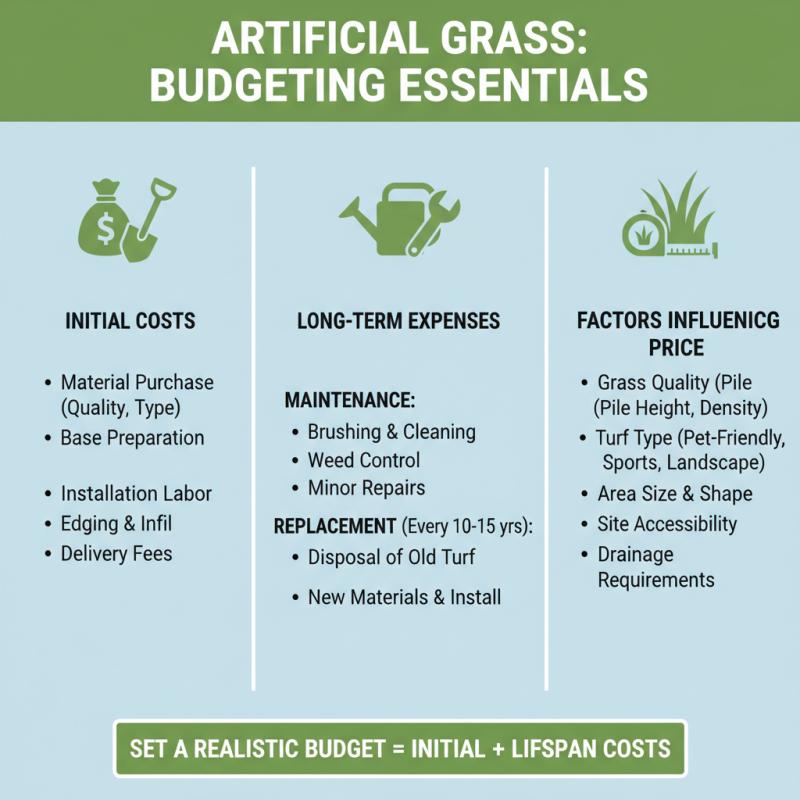
When considering the installation of artificial grass, budgeting is a crucial aspect that requires careful thought. Beyond the initial installation costs, it's essential to factor in long-term expenses such as maintenance and replacement. Synthetic grass can vary widely in price, influenced by quality, type, and the complexity of the installation process. Therefore, it's important to establish a budget that accurately reflects not only what you can afford for the upfront installation but also what you are prepared to spend throughout the lifespan of the grass.
Tips for budgeting effectively include researching average installation costs in your area and obtaining multiple quotes from contractors. This will provide a clearer picture of the market rate and help you make informed decisions. Additionally, consider the long-term maintenance costs. High-quality synthetic grass often requires less maintenance and can save you money over time, so investing slightly more upfront could lead to lower expenses in the future.
Finally, it's wise to plan for potential repairs or replacements. Although synthetic grass is designed to be durable, wear and tear can occur over time. Setting aside a portion of your budget for unexpected repairs ensures that you can maintain your yard in top condition without financial stress.