What is a Green Grass Wall and How to Choose One?
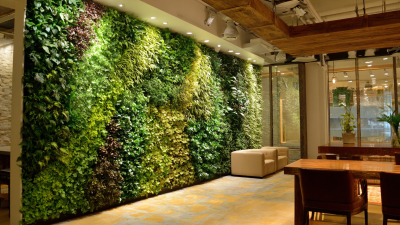
A Green Grass Wall can transform any space into a lush oasis. This design trend is capturing attention for its vibrant and refreshing appeal. It offers a unique way to incorporate nature indoors or outdoors, enhancing aesthetics and air quality.
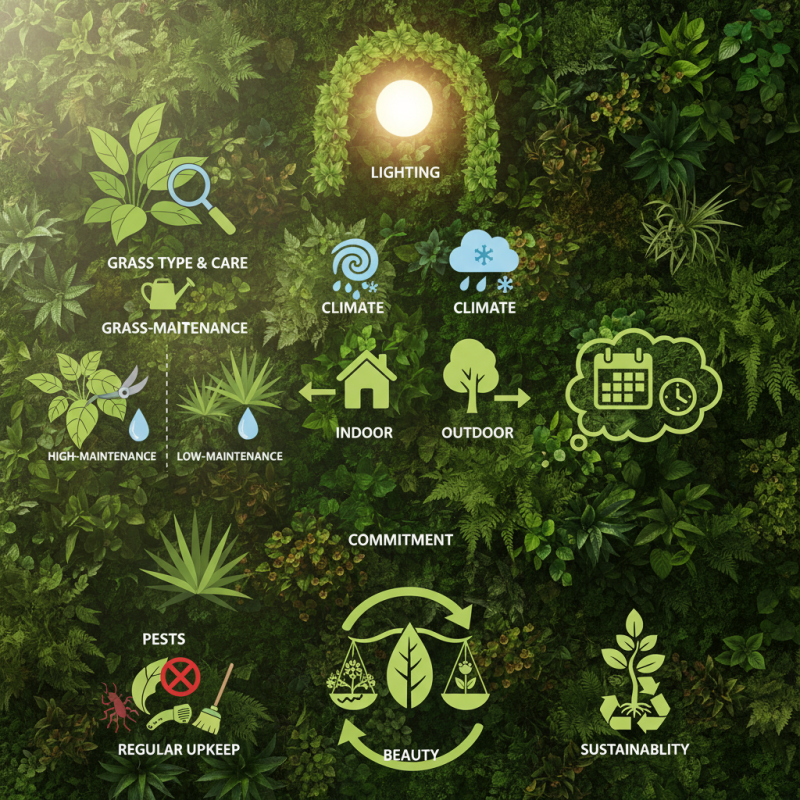
Choosing the right Green Grass Wall involves understanding your environment. Consider lighting, climate, and the type of grass that thrives in your area. Not all grass is suitable for walls. Some may require extensive care, while others are low-maintenance. It's essential to evaluate your commitment before installation.
While the idea seems appealing, there are challenges. A Green Grass Wall can attract pests and require regular upkeep. Reflecting on these factors will lead to better decisions. Striking a balance between beauty and practicality is crucial for sustainability in your design.
What is a Green Grass Wall?
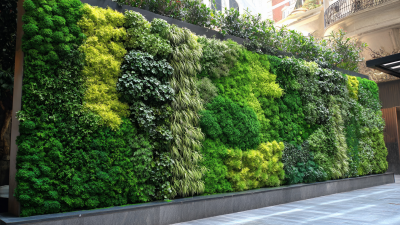
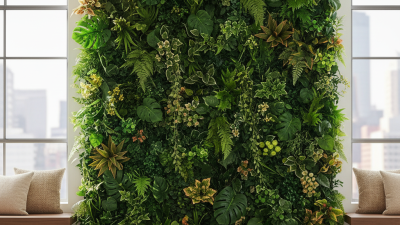
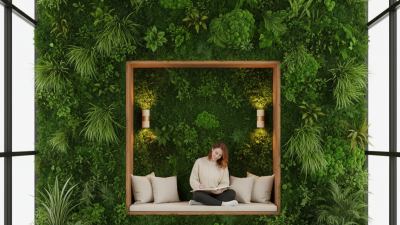
A green grass wall, often referred to as a vertical garden, transforms spaces into vibrant, living art. This concept is more than just aesthetics; it involves a strategic approach to urban greenery. Think about how such walls can enhance air quality and reduce noise pollution. They add life to concrete jungles, improving emotional well-being.
These walls consist of various plants that thrive in vertical settings. When choosing one, consider factors like sunlight, moisture, and plant compatibility. Different species require different care. Research is crucial. Maybe you prefer hardy succulents, or perhaps lush ferns. Each choice brings a unique feel to your space.
However, not all green grass walls are easy to maintain. They may require regular watering and monitoring for pests. A lack of proper care can lead to unappealing appearances. Reflect on your commitment level before installation. Even the best intentions can lead to challenges when life gets busy. Therefore, weigh your options wisely and ensure the wall fits your lifestyle.
Benefits of Installing a Green Grass Wall
A Green Grass Wall brings numerous benefits to both residential and commercial spaces. According to the World Green Building Council, indoor plants can reduce stress by up to 60%. A living wall can enhance air quality significantly. Studies show that these installations can absorb harmful pollutants, providing a cleaner indoor environment. Many organizations report a 20% increase in productivity when employees work in greener spaces.
Installing a Green Grass Wall also improves aesthetics. Visual appeal is crucial in attracting potential clients. A study by the American Society of Landscape Architects indicates that 75% of consumers prefer businesses with green features. The vibrant colors of greenery can create a soothing atmosphere, which is especially important in urban settings. However, maintaining such installations can be challenging. Adequate care is essential, and many people overlook this aspect.
These walls also offer thermal insulation. They can maintain optimal indoor temperatures, reducing energy costs by up to 30%. However, not every location is ideal for a Green Grass Wall. Factors like sunlight exposure and humidity levels need evaluation. This requires expertise, as poorly installed walls can lead to mold issues. This emphasizes the need for professional guidance in choosing the right kind of Green Grass Wall.
Key Features to Look for in a Green Grass Wall
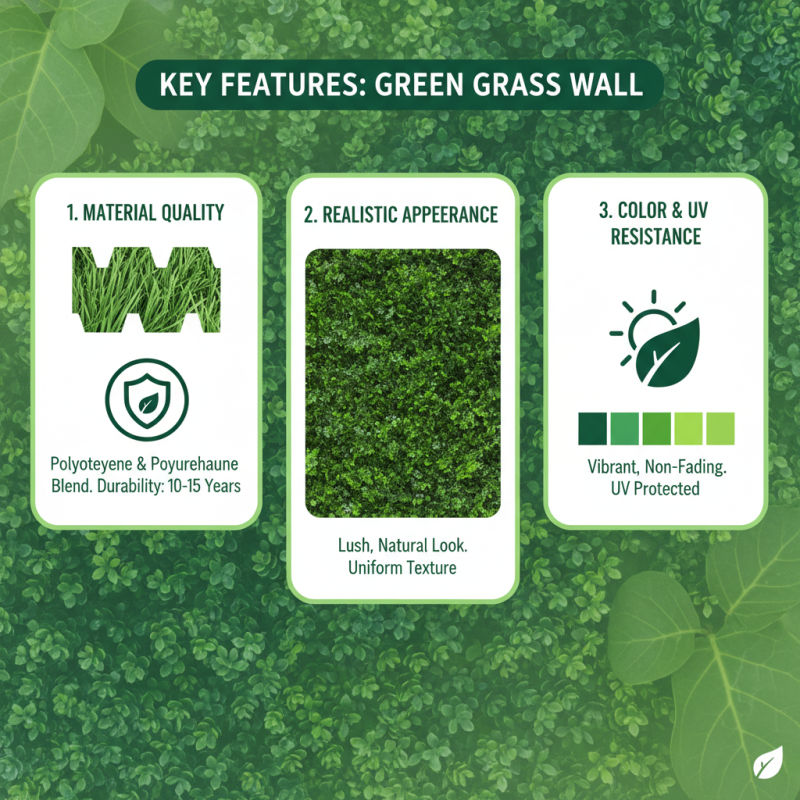
When considering a green grass wall, various key features are essential. First, the material's quality plays a vital role. A blend of polyethylene and polyurethane can provide durability and a realistic appearance. Statistics show that high-quality synthetic grass can last 10 to 15 years, making it a worthy investment. Ensure the wall's color is vibrant and uniform, as this contributes to a lush, natural look.
Another crucial aspect is maintenance. While artificial grass walls require less upkeep than live plants, some care is still needed. Routine cleaning can prolong their lifespan, helping to maintain an appealing aesthetic. Data suggests that green walls can improve air quality by reducing pollutants and increasing humidity. This indicates their potential health benefits in indoor spaces.
Lastly, the size and installation method are significant. Opting for panels that are easy to mount can simplify the process. Regular dimensions for green walls often range from 4 to 8 feet in height. It's important to consider the space available before selecting a size. Engaging in this reflective process will help ensure that you choose a green grass wall that fits your needs and expectations.
How to Properly Install a Green Grass Wall
Installing a green grass wall can transform indoor and outdoor spaces. It adds life to areas often lacking greenery. Proper installation is key to ensure longevity and aesthetic appeal. Data indicates that well-maintained plant walls can improve air quality and increase humidity levels by up to 60%.
Before installation, assess the space. Consider factors like sunlight, moisture, and plant type. Some plants require more light than others. For example, succulents may not thrive in low-light areas. Use high-quality soil to provide nutrients. Installation boards should support weight and moisture without warping.
Watering must be consistent but not excessive. Overwatering can lead to mold issues. Investing in a drip irrigation system can simplify maintenance. Keep in mind, even with the best systems, plants may need replacement over time. A green grass wall is a living installation. Nature is unpredictable, and flexibility in care is essential for success.
Maintenance Tips for Keeping Your Green Grass Wall Healthy
Maintaining a green grass wall requires regular care to keep it thriving. Watering is fundamental. Ensure the soil remains moist but not soaked. Overwatering can lead to root rot. Check moisture levels with your fingers. A simple touch can tell you a lot about the grass's needs.
Fertilization plays a crucial role, too. Use a balanced fertilizer to provide essential nutrients. It's best to feed your grass wall during the growing season. However, avoid over-fertilizing; it can harm the grass. Many new gardeners struggle with this balance. Observing your grass can guide your choices.
Pest control is also vital. Regular inspections for signs of insects help prevent infestations. Spotting early signs can save a lot of trouble later. If you notice any issues, consider natural remedies before resorting to chemicals. Sometimes, less is more, and simpler solutions yield better results. The path to a healthy green grass wall often involves learning from trial and error.