What is a Grass Wall and How Can It Transform Your Space?
A Grass Wall can redefine the way we view our spaces. This innovative design element introduces nature into urban environments. It serves as a visual and tactile experience, merging aesthetics with functionality.
Imagine a living wall full of lush greenery. It brings freshness and vibrancy to dull surroundings. A well-designed Grass Wall can elevate your interior or exterior, creating an inviting atmosphere. Yet, it demands consideration and care to maintain its beauty.
Many overlook the challenges, such as proper watering and light requirements. It's not just a decorative feature; it's a living ecosystem. Understanding these nuances is critical for those who wish to incorporate a Grass Wall into their design. Rethinking your space with this element can lead to surprising transformations.
What is a Grass Wall and Its Definition in Landscaping
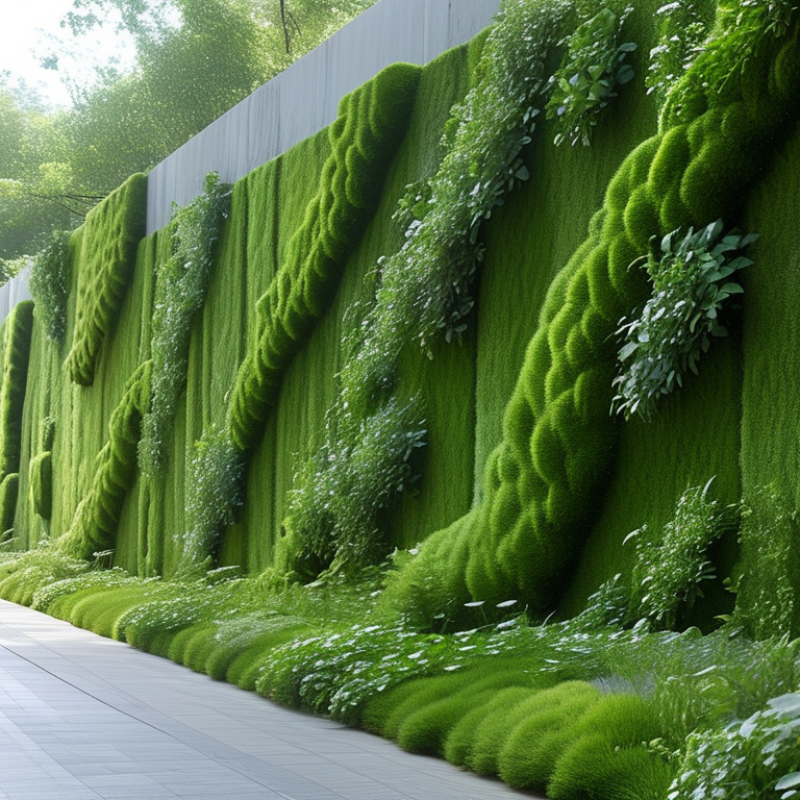
A grass wall, often seen in modern landscaping, is a vertical garden featuring grass and other plants. This unique feature can blend nature into urban environments. The grass wall adds vibrant green hues, creating a refreshing atmosphere. It acts as a natural sound barrier and improves air quality. These walls use less water than traditional gardens, making them eco-friendly.
In landscaping, grass walls can redefine any space. They serve as eye-catching focal points, especially in small yards. By incorporating various plant species, one can create depth and interest. However, maintenance requires effort. Grass may need regular trimming and irrigation checks. If neglected, the wall can become overgrown and less appealing.
Thinking about a grass wall involves considering light, plant choice, and space. Certain grasses thrive in direct sunlight, while others prefer shade. It's essential to reflect on these elements to enhance your landscape effectively. With the right approach, a grass wall can transform your surroundings into a green oasis.
The Benefits of Installing a Grass Wall in Your Space
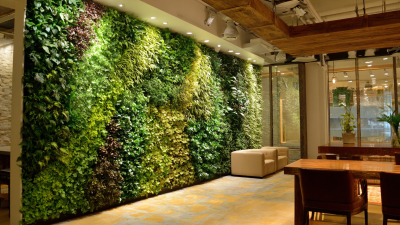
A grass wall can greatly enhance your space. It's more than just decoration. It brings nature indoors, creating a refreshing atmosphere. The vibrant green colors can uplift your mood. Additionally, grass walls improve air quality. They absorb pollutants and release oxygen. This is particularly beneficial in urban settings.
Tips to consider when installing a grass wall: choose the right location. Ensure it receives adequate light without harsh sunlight. Select suitable grass types that thrive indoors. Regular maintenance, including watering and trimming, is needed to keep it looking fresh.
Another benefit is sound absorption. Grass walls can reduce noise pollution, making your environment quieter. This is ideal for busy areas. A grass wall can also act as a natural insulation barrier. It helps regulate temperature, keeping spaces cooler in summer and warmer in winter. Just remember, installation requires careful planning and execution. Mistakes can lead to an uneven display or health issues for the plants. Taking the time to research and plan is crucial.
Different Types of Grass Walls and Their Aesthetic Appeal
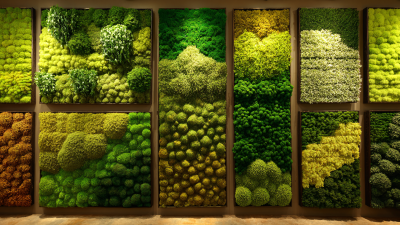
Grass walls are becoming increasingly popular in interior design and outdoor spaces. They offer various types, including preserved moss walls, artificial grass panels, and live plant walls. Each type provides a unique visual appeal. Preserved moss walls are known for their vibrant green colors and soft textures, creating a calming atmosphere. According to a report by the International Journal of Environmental Research, green walls can reduce indoor air pollutants by about 60%. This feature enhances the well-being of occupants.
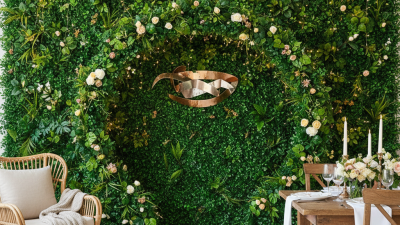
Artificial grass panels are versatile and easy to install. They replicate the appearance of natural grass without the maintenance. A recent study by the American Society of Landscape Architects revealed that greenery in urban environments can reduce stress levels by up to 30%. Live plant walls offer a dynamic option, changing with the seasons. They require more care, such as watering and pruning, which can be challenging for some.
The aesthetic appeal of grass walls is undeniable. They can create a focal point in any space, adding texture and warmth. However, not everyone may appreciate the look of artificial plants. Some traditionalists prefer real greenery or wood. This divide can spark discussions on design choices. Understanding the different types of grass walls helps make informed decisions tailored to individual tastes.
How to Create and Maintain a Grass Wall Successfully
Creating and maintaining a grass wall can be both exciting and challenging. To start, it's essential to choose the right type of grass for your environment. Consider using native or drought-resistant options. These choices often thrive better and require less maintenance.
According to a report by the National Gardening Association, nearly 40% of gardeners prefer low-maintenance plants, indicating a growing trend towards sustainable gardening.
Once you've selected the grass, proper installation is crucial. The wall should be mounted securely on a suitable structure, allowing for proper drainage. Regular watering is vital, especially in the initial stages. Studies show that a well-maintained grass wall can reduce indoor temperatures by about 5-10 degrees. This can improve energy efficiency and lower cooling costs.
Regular maintenance involves trimming and checking for pests. Interestingly, about 25% of people neglect pest control in their green spaces. This oversight can lead to unexpected challenges. Monitoring the wall's health regularly is essential to avoid more significant issues later. With patience and care, a grass wall can indeed transform your space into a vibrant, living work of art.
Incorporating Grass Walls into Various Design Styles and Settings
Grass walls are an innovative way to introduce nature indoors. Integrating them into various design styles can enhance ambiance and promote well-being. They can be adapted to fit modern, rustic, or bohemian aesthetics, making them versatile. For a sleek and contemporary look, use minimalistic frames with green wall art. This allows a backdrop for furniture and decor to shine.
In rustic settings, grass walls can soften harsh materials like wood and metal. A reclaimed wood frame adds warmth and character. Don’t be afraid to mix textures and colors. Introducing additional elements like picture frames or lights can create visual interest. However, it’s crucial to consider the maintenance aspects. Over time, challenges may arise in keeping the grass lively and lush.
Bohemian designs thrive on warmth and coziness. Grass walls can serve as a focal point, infusing spaces with vitality. Incorporate vibrant patterns and unique plants to express creativity. Yet, balancing these elements with available natural light is essential. Some might find it hard to maintain the right moisture levels. Reflect on how these factors influence your space's overall look and feel.