What is Grass Turf and How Does It Enhance Your Landscape A Complete Guide
Grass Turf has emerged as a significant component in landscape architecture, offering not only aesthetic value but also functional benefits for both residential and commercial properties. According to the Green Industry and Equipment Expo, the turf industry has experienced a consistent growth rate of 5% annually, reflecting a rising demand for sustainable landscaping solutions. This remarkable trend highlights the importance of Grass Turf in enhancing outdoor spaces, creating lush green environments that promote well-being and ecological balance.
Expert in turf management, Dr. Jamie Smith, emphasizes the versatility of Grass Turf by stating, "The right choice of turf can transform an ordinary landscape into an extraordinary one, providing a natural habitat while reducing soil erosion and improving air quality." As more homeowners and businesses seek to elevate their outdoor aesthetics, understanding the types of Grass Turf available and their respective benefits becomes essential. From sports fields to residential lawns, this guide will explore how Grass Turf can effectively enhance your landscape, serving not only as a visual centerpiece but also as a contributor to environmental sustainability.
What is Grass Turf? An Overview of Its Definition and Types
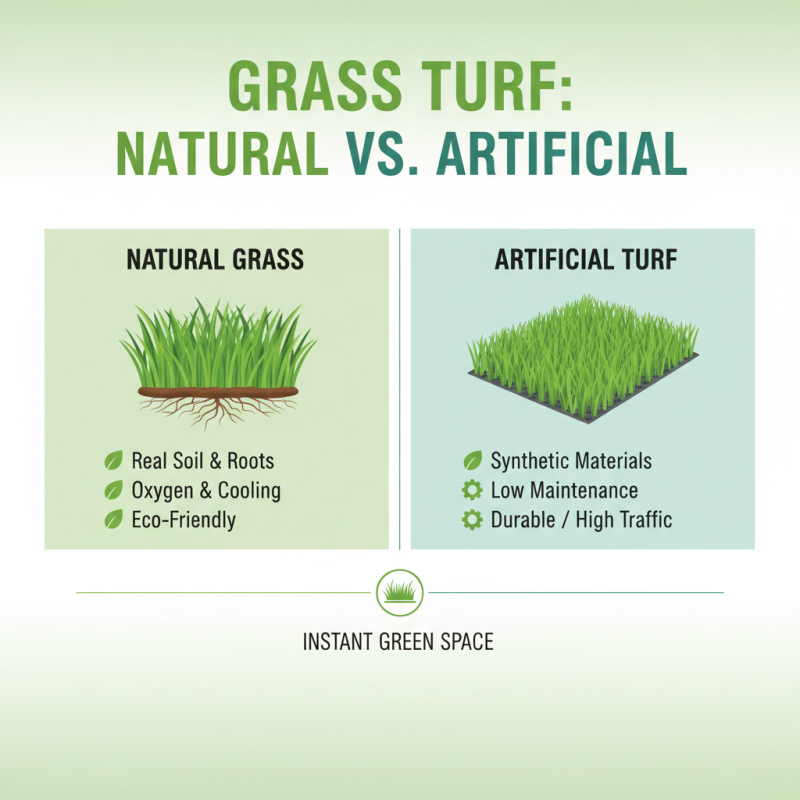
Grass turf, often referred to simply as turf, is a layer of grass and soil held together by a network of roots. It is a popular choice for residential and commercial landscapes due to its instant aesthetic appeal and ability to establish a lush, green space quickly. There are several types of grass turf, including natural grass, which can come from a variety of grass species, and artificial turf, made from synthetic materials designed to mimic the look and feel of real grass. Each type has its own benefits; for example, natural grass provides environmental benefits such as oxygen production and cooling effects, while artificial turf requires minimal maintenance and can withstand heavy foot traffic.
**Tips:** When choosing the right type of grass turf for your landscape, consider your local climate, the level of foot traffic in the area, and the amount of sunlight the space receives. For high-traffic areas, synthetic turf may be more appropriate, while natural grass is ideal for homeowners who prefer a traditional lawn look and feel. It's also essential to assess your maintenance capabilities; natural grass requires regular mowing, watering, and fertilizing, whereas synthetic options demand much less upkeep.
Additionally, consider the installed cost versus long-term maintenance costs when selecting turf. Natural grass may require upfront preparation and seeding, but with proper care, it can thrive for many years. Synthetic options, while typically costlier initially, often save money over time due to lower maintenance needs. Remember to factor in local regulations regarding lawn care and possible drought restrictions, as these can influence your choice of turf type.
The Benefits of Using Grass Turf in Landscaping for Homeowners
Grass turf has become an increasingly popular choice for homeowners looking to enhance their landscaping. According to a report by the National Association of Landscape Professionals, turf lawns can increase property value by up to 15%, making them a sound investment for homeowners. Beyond aesthetics, grass turf provides a multitude of benefits that contribute to a healthier and more enjoyable outdoor space.
One significant advantage of grass turf is its ability to reduce soil erosion and improve water management. Research by the University of California indicates that turfgrass can absorb rainfall and reduce runoff by up to 50%, which is essential in mitigating flooding and conserving water resources. Furthermore, well-maintained turf plays a critical role in enhancing local biodiversity. It creates habitats for various wildlife, including pollinators, which are crucial for the ecosystem.
In addition to environmental benefits, grass turf promotes outdoor activities and enhances the quality of life for residents. The presence of a lush, green lawn encourages families to spend more time outdoors, fostering a sense of community and well-being. A survey conducted by the National Institute of Health indicates that access to green spaces contributes to reduced stress levels and overall mental health improvement. By integrating grass turf into landscaping, homeowners not only beautify their properties but also nurture their physical and psychological well-being.
Benefits of Using Grass Turf in Landscaping
Key Factors to Consider When Choosing Grass Turf for Your Lawn
When choosing grass turf for your lawn, several key factors should be taken into account to ensure the perfect fit for your landscape. First and foremost, understanding your local climate is essential. Different grass types thrive under varying temperatures, humidity levels, and sunlight exposure. For instance, warm-season grasses flourish in hotter regions, while cool-season varieties are better suited for cooler climates. Evaluating your specific environmental conditions will guide you in selecting the appropriate grass type that will grow healthy and vibrant throughout the year.
Soil quality is another critical consideration when choosing grass turf. Conducting a soil test can reveal essential information about
nutrient levels, pH balance, and drainage capabilities. This information is vital in determining whether you need to amend your soil before laying turf. Additionally, consider the
intended use of your lawn—whether it's for recreational activities, ornamental purposes, or low-maintenance aesthetics. Different types of turf offer varying degrees of durability, resilience, and upkeep requirements. By aligning your selection with both the environmental factors and your lawn's intended use, you can create a lush and functional landscape that enhances your outdoor space.
Installation Process: Step-by-Step Guide to Laying Grass Turf
The installation of grass turf can transform your outdoor space into a lush, vibrant landscape. The process begins with proper site preparation. Start by clearing the area of any debris, rocks, or existing grass. It’s essential to level the ground, as uneven surfaces can lead to drainage issues. Once the area is clear, it's advisable to aerate the soil to enhance drainage and promote root growth. Applying a layer of topsoil can also create a suitable foundation for the turf to thrive.
Next, it's time to lay the grass turf. Begin by unrolling the turf pieces, working from one corner of the area to the opposite. Be sure to stagger the seams, much like laying bricks, to create a seamless look. As each piece is placed, lightly press it down to remove air pockets and ensure good contact with the soil beneath. After laying the turf, water it thoroughly to help establish roots. Regular watering and maintenance in the initial weeks after installation are crucial for achieving a healthy and resilient lawn. In no time, your landscape will be enhanced with a beautiful, green carpet of grass.
Maintaining Grass Turf: Essential Tips for Longevity and Health
Maintaining grass turf is crucial for ensuring its longevity and health, turning your landscape into a lush and vibrant outdoor space. One of the key aspects is regular mowing. Keeping your grass at the right height not only enhances its appearance but also encourages denser growth, which can help in choking out weeds. Aim to cut no more than one-third of the grass height during each mowing session to promote healthy root development.
Another essential tip is proper watering. Grass turf requires adequate moisture to thrive, especially during hot, dry spells. It's best to water deeply but infrequently, encouraging roots to grow deeper into the soil. Early morning is the optimal time for watering to minimize evaporation loss and prevent fungal diseases. A general rule of thumb is to provide about one inch of water per week, adjusting based on rainfall and seasonal conditions.
Lastly, fertilization plays a vital role in maintaining healthy grass turf. Using a balanced fertilizer during the growing season can provide the necessary nutrients for robust growth. Focus on timing your fertilization to coincide with the grass's peak growing periods for maximum effectiveness. Additionally, regular soil aeration can improve nutrient absorption by reducing compaction and enhancing root development.