What is Grass Turf and How to Choose the Best Option?
When it comes to landscaping, Grass Turf plays a crucial role in creating beautiful outdoor spaces. According to turf specialist James Hartley, “Choosing the right Grass Turf is essential for beauty and longevity.” The options available can be overwhelming, ranging from natural grass to synthetic alternatives. Each type has its unique benefits and challenges, making it important to choose wisely.
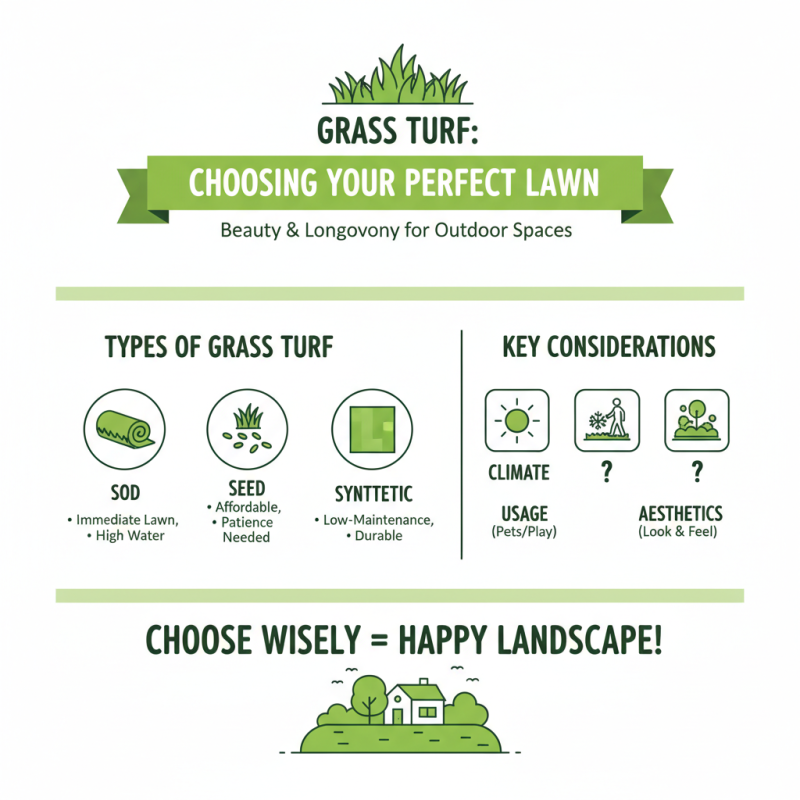
Grass Turf offers various types, including sod, seed, and synthetic turf. Each choice impacts maintenance, aesthetics, and environmental factors. For instance, while natural grass provides a lush feel, it requires regular upkeep. Conversely, synthetic options are low-maintenance but can lack the same authenticity.
Reflecting on your specific needs is vital. Factors such as climate, usage, and aesthetic preferences should guide your decision. Missteps in selection can lead to dissatisfaction later on. Understanding the nuances of Grass Turf lays the foundation for a vibrant, sustainable landscape that meets your needs and expectations.
Understanding Grass Turf: Definition and Types
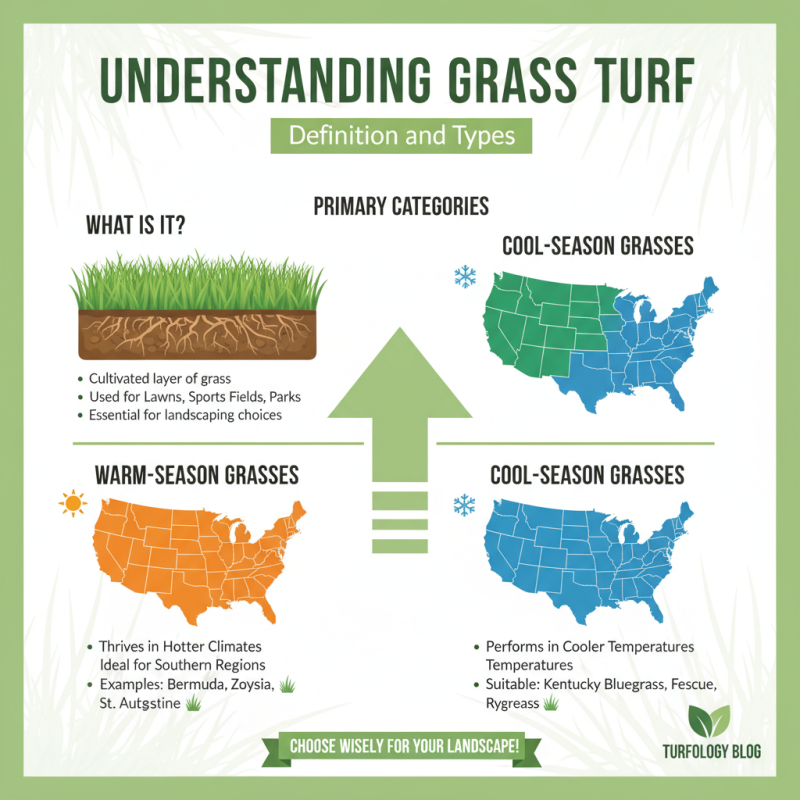
Grass turf refers to a cultivated layer of grass that can be used for various landscapes, including lawns, sports fields, and parks. Understanding the different types of turf is essential for making the best choice. There are primarily two categories: warm-season and cool-season grasses. The former thrives in hotter climates and is ideal for southern regions. The latter does well in cooler temperatures, making it suitable for northern areas.
When selecting grass turf, factors like climate, soil type, and intended use are crucial. Each grass type has its unique characteristics. For instance, Bermuda grass grows quickly and recovers well from wear, making it perfect for high-traffic areas. In contrast, Kentucky bluegrass offers a lush, green appearance but requires more maintenance and water. Not every option suits every need; it's vital to evaluate your specific situation before making a choice.
While many options exist, not all choices are straightforward. It’s easy to overlook soil drainage or lighting conditions, leading to poor growth. Detailed research is necessary to avoid these pitfalls, ensuring you select a turf type that not only survives but thrives in your environment. Making the right decision can have long-lasting effects on your landscape’s health.
Key Factors to Consider When Choosing Grass Turf
Choosing the right grass turf involves several key factors. First, consider your climate. Different types of grass thrive in varying temperatures and humidity levels. For instance, warm-season grasses prefer heat, while cool-season varieties tolerate colder conditions. Research local weather patterns. They significantly influence your turf's growth and health.
Soil quality is another vital element. Conduct a soil test to understand pH and nutrient levels. Healthy soil promotes strong root systems. A good root structure leads to lasting turf. Ensure proper drainage as well; standing water can damage grass and encourage pests. It’s easy to overlook, but crucial for maintaining a lush lawn.
Maintenance requirements must also be evaluated. Some grass types require regular mowing, watering, and fertilizing. Others are more drought-resistant or grow slower, needing less care. Reflect on how much time you can dedicate to turf upkeep. Poor planning in this area can lead to frustration. Take your lifestyle into account. Your choice should align with your gardening goals and personal commitment.
Comparison of Grass Turf Options
This bar chart compares the cost per square foot of different grass turf options: Natural Grass, Synthetic Turf, and Hybrid Grass. This information can help you make an informed decision when choosing the best option for your needs.
Comparing Natural Grass vs. Artificial Turf
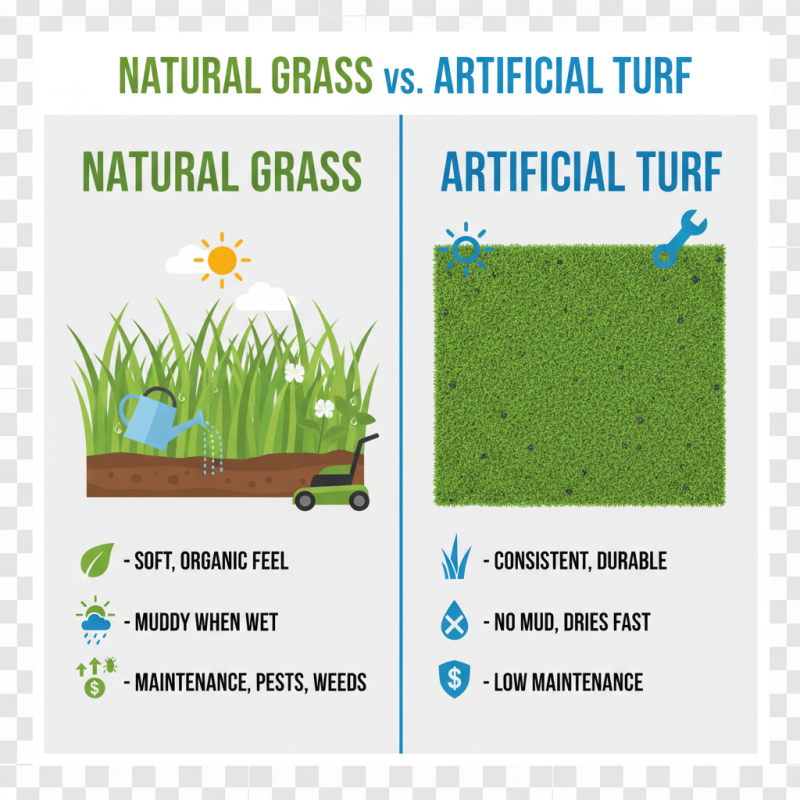
When choosing between natural grass and artificial turf, several factors come into play. Natural grass offers a soft, organic feel underfoot. It thrives in sunlight and requires care, including watering and mowing. However, it can get muddy during rain. Maintenance costs can add up over time. There's also the issue of pests and weeds that can ruin your lawn's appearance.
Artificial turf, on the other hand, is a low-maintenance alternative. It remains green year-round and doesn’t need mowing or watering. However, it can get hot in the sun, making it uncomfortable for barefoot activities. The lifespan of artificial grass might seem appealing, but it requires proper installation to avoid drainage issues. Many users express concerns about it lacking the charm of real grass.
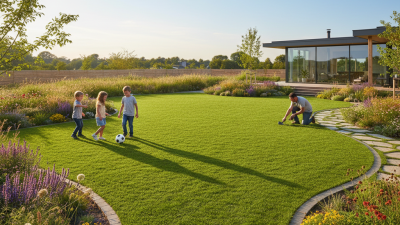
Think about your lifestyle and usage. If you have children or pets, natural grass might be more appealing for play. If you're busy or live in a dry area, artificial turf could be a better fit. It’s essential to weigh the pros and cons carefully. After all, the right choice depends on your specific needs and preferences.
Maintenance Requirements for Different Turf Types
When selecting the right grass turf, understanding maintenance requirements is crucial. Different turf types have varying needs, which can impact long-term health and appearance. For instance, Kentucky bluegrass requires regular watering and fertilization. It thrives in colder climates but may become dormant in summer, leading to browning. According to the Turfgrass Producers International, about 30% of turf owners struggle with maintaining healthy grass during hot months.
On the other hand, Bermuda grass is a resilient option, popular in warmer regions. It tolerates drought and resists wear, making it ideal for high-traffic areas. However, it demands aggressive mowing and may need more fertilization to maintain its vibrant color. A study by the University of Georgia highlighted that around 45% of homeowners prefer Bermuda grass for its low maintenance in sunny environments.
Maintaining grass turf involves challenges, like soil health and pest control. Soil pH levels should be monitored regularly. Additionally, seasonal changes may expose some weaknesses in turf resilience. This can lead to unexpected bare spots or diseases, affecting lawn aesthetics. Hence, homeowners should reflect on their local climate and activity levels when choosing turf types.
What is Grass Turf and How to Choose the Best Option? - Maintenance Requirements for Different Turf Types
| Turf Type |
Watering Frequency |
Mowing Height |
Sunlight Requirements |
Fertilization Frequency |
Pest Resistance |
| Bermudagrass |
Every 3-7 days |
1-2 inches |
Full sun |
Every 6-8 weeks |
High |
| Tall Fescue |
Every 5-10 days |
2-4 inches |
Partial shade to full sun |
Every 8-10 weeks |
Moderate |
| Kentucky Bluegrass |
Every 5-7 days |
2-3 inches |
Full sun to partial shade |
Every 6-8 weeks |
Moderate |
| Perennial Ryegrass |
Every 5-7 days |
1.5-3 inches |
Full sun to partial shade |
Every 4-6 weeks |
Moderate |
| Zoysiagrass |
Every 7-14 days |
1-2 inches |
Full sun to partial shade |
Every 8-10 weeks |
High |
Cost Analysis: Budgeting for Grass Turf Installation and Care
When considering grass turf installation, understanding the costs involved is vital. Initial expenses vary widely depending on turf type and installation complexity.
Basic options might cost less per square foot, yet premium choices provide longevity and aesthetics. Calculate not just the turf price, but also labor fees.
Hiring skilled professionals ensures a quality surface.
Ongoing maintenance costs should also factor into your budget. Regular mowing, watering, and fertilization add up over time. Some turf types require specific care that could increase expenses. Keep in mind that
weather impacts turf needs. A dry summer may raise watering costs significantly. Therefore, always assess local climate conditions.
While natural grass can be appealing, it requires substantial effort and resources. Consider your lifestyle and how often you're willing to maintain the lawn.
A beautiful lawn may need compromises. Identify what works for your space and needs.
Balancing aesthetics with practicality is key when budgeting for grass turf.