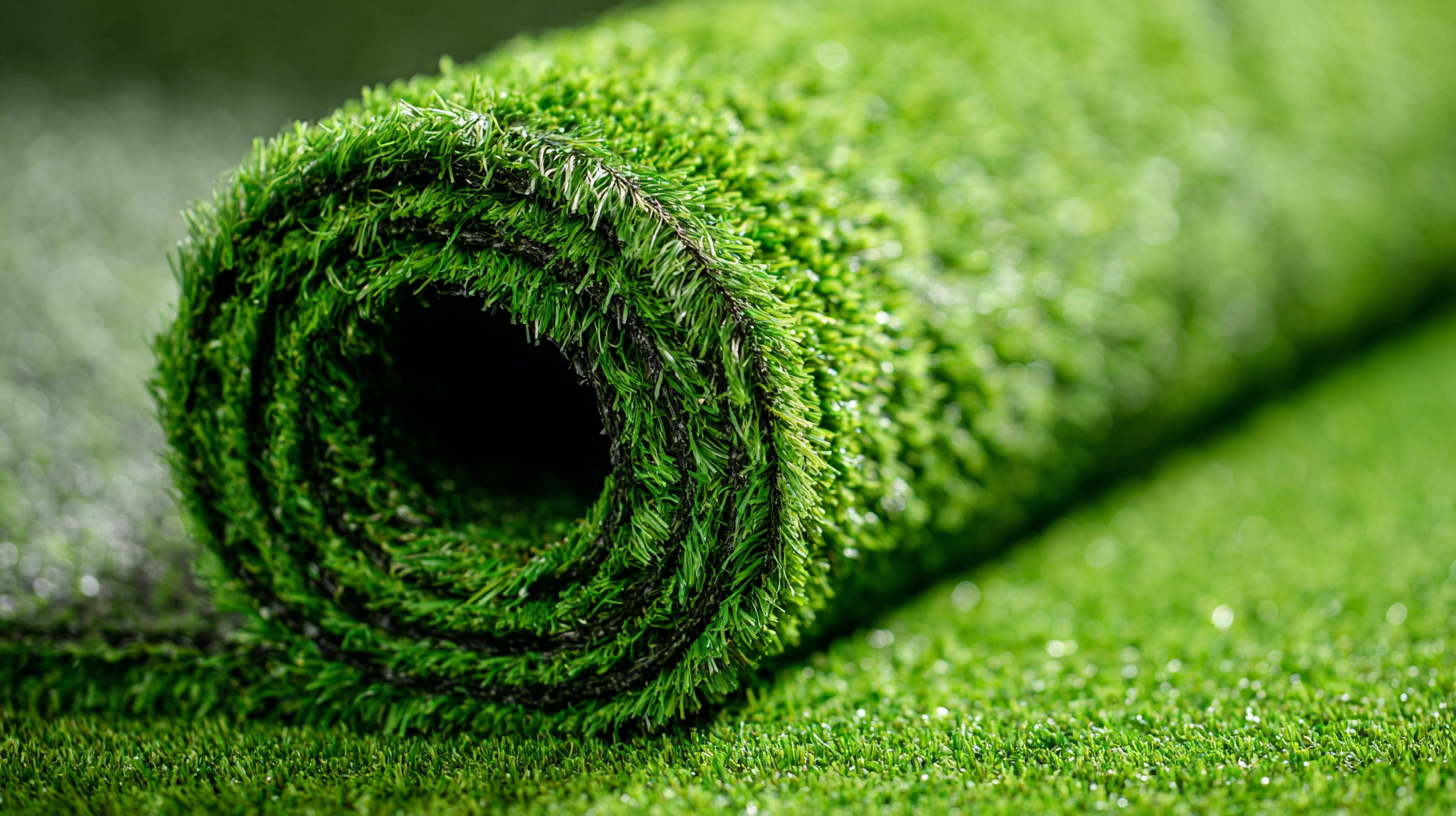
6 Essential Benefits of Artificial Grass Roll for Your Landscape
The increasing popularity of "Artificial Grass Roll" in landscaping reflects a significant shift in how homeowners and businesses approach outdoor spaces. According to a recent report by the Synthetic Turf Council, the artificial turf market is projected to exceed $3 billion by 2025, driven by the product's myriad benefits, including low maintenance costs and environmental sustainability. With its ability to withstand various weather conditions and maintain a lush appearance year-round, Artificial Grass Roll is becoming a preferred choice for many, offering a long-lasting solution that eliminates the need for water, fertilizers, and pesticides. As urban areas continue to expand and natural resources become scarcer, the adoption of synthetic grass solutions is not only practical but essential for sustainable landscaping practices. This article explores six vital advantages of incorporating Artificial Grass Roll into your landscape design, providing insights into why this innovative option is transforming outdoor aesthetics.
Advantages of Artificial Grass Rolls: How They Enhance Landscape Aesthetics
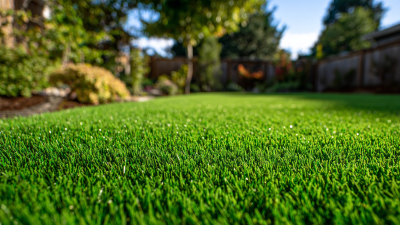
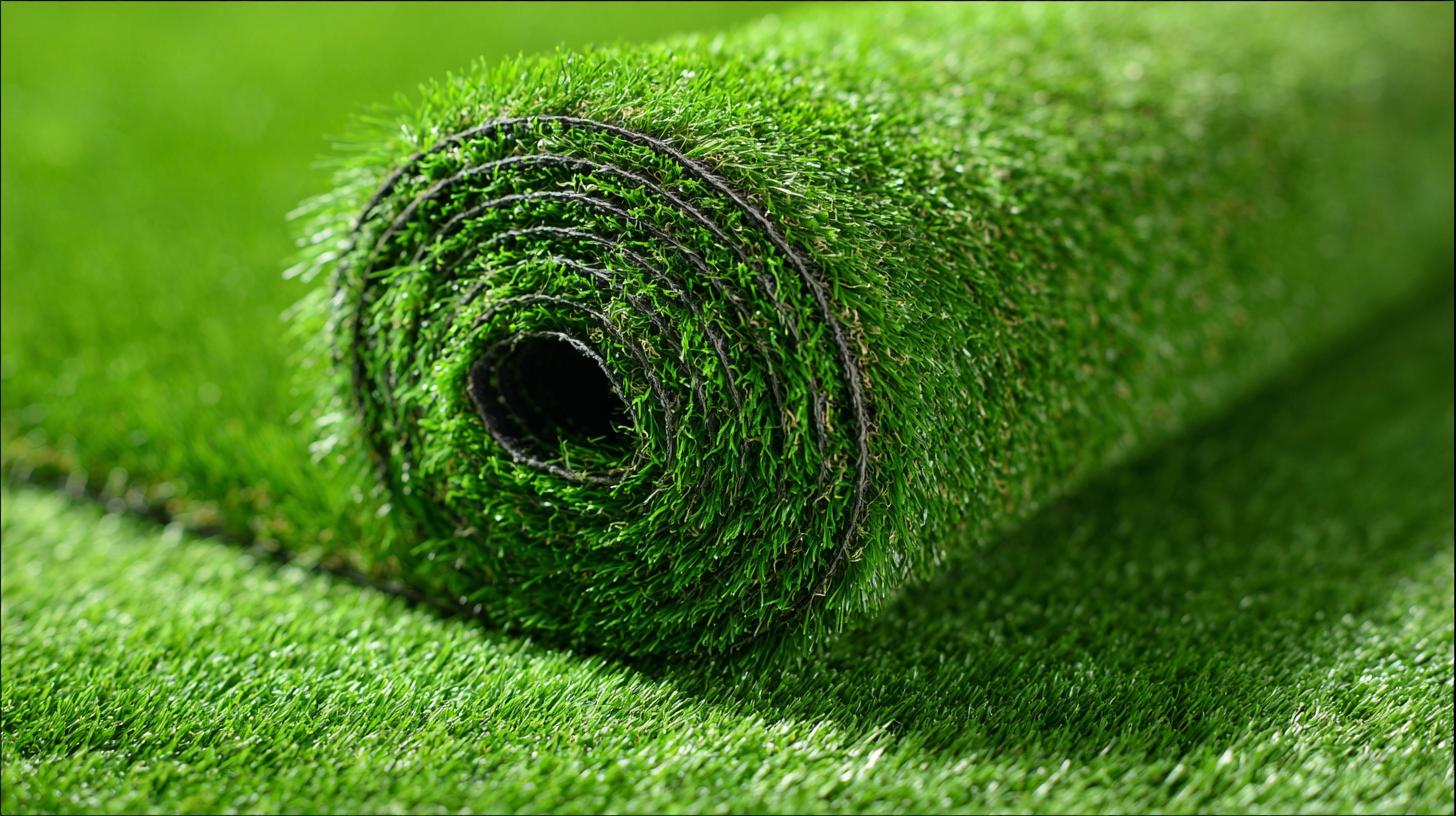
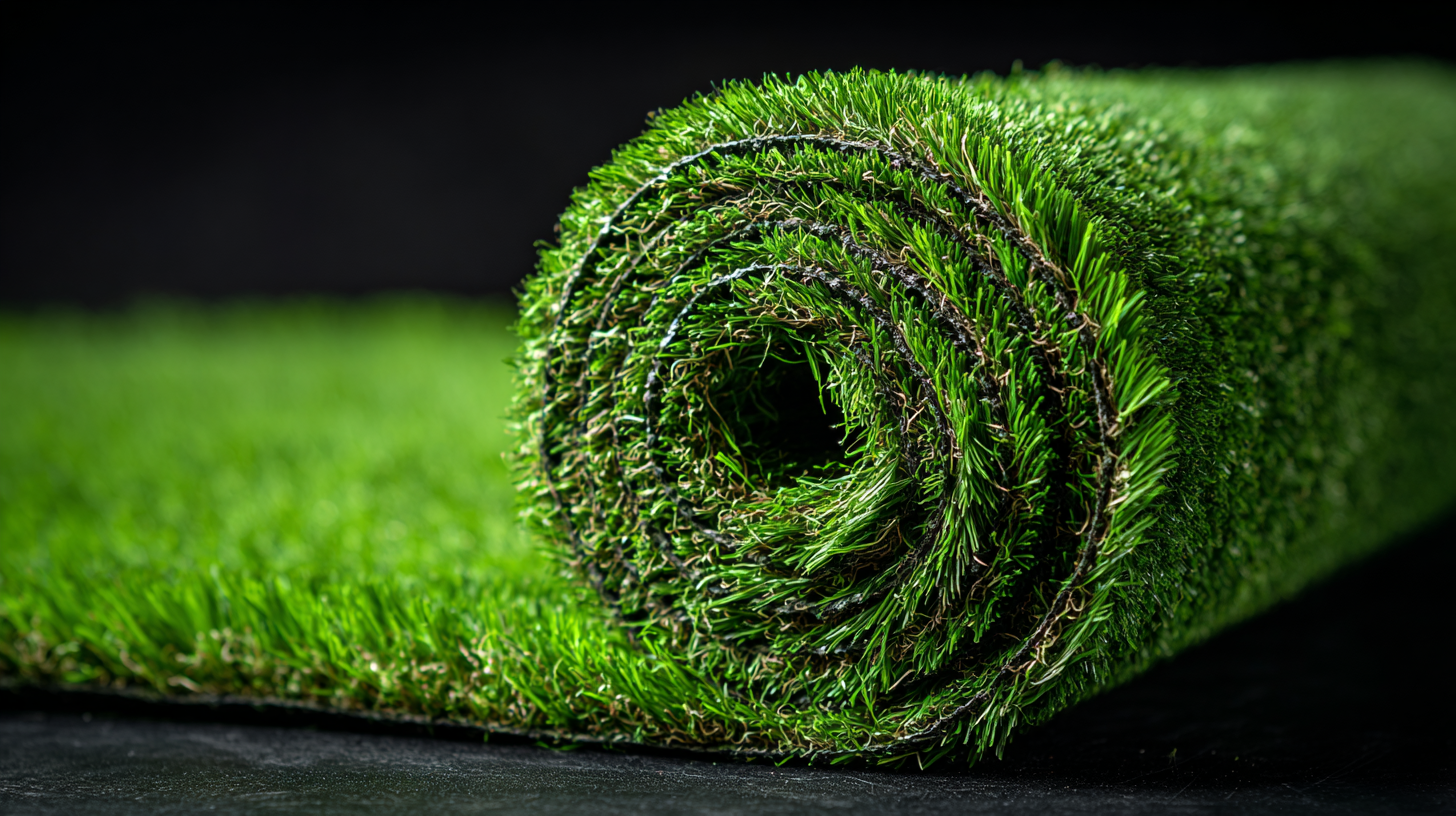 Artificial grass rolls have gained substantial traction in enhancing landscape aesthetics, particularly as commercial developments recognize the need for efficient and visually appealing outdoor spaces. The allure of artificial grass lies in its pristine appearance, minimal maintenance requirements, and water efficiency, making it an attractive choice for both businesses and homeowners. Recent trends indicate that the artificial sports turf market is expected to reach USD 5.0 billion by 2033, underlining the growing demand for high-quality, aesthetically pleasing landscaping solutions.
With urban landscapes becoming increasingly crucial, opting for artificial grass can contribute to sustainability goals while ensuring beautiful exteriors. One advantage is that it requires little irrigation, which significantly conserves water compared to traditional grassy lawns. Furthermore, it eliminates the need for chemical fertilizers and pesticides, fostering a cleaner environment.
Tips: When considering artificial grass rolls, look for products that offer UV resistance and durability to withstand various weather conditions. Additionally, ensure proper installation to maintain the aesthetic value and longevity of your landscape. Lastly, consider blends of synthetic materials that mimic natural grass varieties for a more visually appealing outdoor space.
Cost-Effectiveness of Artificial Grass: A Comparison with Traditional Landscaping
When considering landscaping options, the cost-effectiveness of artificial grass rolls emerges as a significant advantage over traditional landscaping methods. According to a report by the Synthetic Turf Council, homeowners can save between 30% to 50% on water bills after installing artificial grass. This reduction is particularly advantageous in areas facing drought restrictions, where conserving water has become essential. Traditional lawns, on the other hand, often require substantial investments in irrigation systems and regular maintenance, which can add up significantly over time.
Moreover, the longevity of artificial grass further enhances its cost-effectiveness. Most synthetic turf products last between 15 to 25 years, drastically reducing ongoing costs associated with seeding, mowing, and fertilization typical of natural grass. A study conducted by the International Turfgrass Society indicated that maintaining a natural lawn can reach up to $1,500 annually, factoring in water, labor, and equipment costs. In contrast, the initial investment in artificial grass, while higher upfront, pays off within several years as maintenance costs plummet, making it a financially sound choice for homeowners looking to enhance their landscapes sustainably.
Durability and Longevity of Artificial Grass Rolls in Various Climates
Artificial grass rolls are becoming increasingly valuable as a durable solution for landscaping in various climates. One significant advantage is their longevity. Studies show that synthetic turf can last anywhere from 15 to 25 years, depending on the quality of the materials used and maintenance practices. This durability is particularly crucial in regions facing extreme weather conditions, where natural grass often fails to thrive.
Additionally, recent innovations in artificial turf technology include integrated systems for rainwater storage and evaporative cooling. These advancements not only promote sustainability but also enhance the performance of synthetic grass in hotter climates by reducing surface temperatures. For instance, cities implementing subsurface water storage systems can utilize rainwater for irrigation, minimizing water waste while ensuring the turf remains resilient.
Furthermore, this eco-friendly approach aligns with the growing demand for sustainable landscaping options, particularly in urban areas where natural green spaces are limited. With the ongoing improvements in artificial grass technology, homeowners and urban planners can make informed decisions that benefit both the environment and the longevity of their landscapes.
Environmental Benefits of Using Artificial Grass: Water Conservation Statistics
Artificial grass offers a multitude of environmental benefits, with one of the most significant being water conservation. According to a report by the Environmental Protection Agency (EPA), traditional lawns can consume up to 56 gallons of water per square foot each year. In contrast, artificial grass requires no watering, drastically reducing water usage. With drought conditions becoming increasingly common in many regions, switching to synthetic turf can lead to substantial savings in water resources, making it an environmentally responsible choice for homeowners.
In addition to water conservation, artificial grass also eliminates the need for toxic pesticides and fertilizers that are often used in maintaining natural grass lawns. The U.S. Geological Survey reports that approximately 30% of residential water use is attributed to lawn care, which can lead to runoff and contamination of local waterways. By opting for artificial grass, homeowners not only conserve water but also contribute to improved water quality in their communities. Furthermore, a study by the National Association of Landscape Professionals highlights that synthetic turf can save homeowners up to 70% on maintenance costs, making it both an environmentally and economically advantageous option.
6 Essential Benefits of Artificial Grass Roll for Your Landscape - Environmental Benefits of Using Artificial Grass: Water Conservation Statistics
| Benefit |
Description |
Water Savings (Gallons/Year) |
Carbon Footprint Reduction (lbs CO2/Year) |
| Water Conservation |
Reduces the need for irrigation, leading to significant water savings. |
56,000 |
500 |
| Pesticide Reduction |
Eliminates the need for harmful pesticides and fertilizers. |
N/A |
N/A |
| Maintenance Costs |
Low upkeep costs compared to natural grass. |
N/A |
N/A |
| Durability |
Lasts longer than natural grass, reducing replacement costs. |
N/A |
N/A |
| Aesthetic Appeal |
Maintains a green appearance all year round without watering. |
N/A |
N/A |
| Reduction of Waste |
Less grass clippings and yard waste sent to landfills. |
N/A |
N/A |
Low Maintenance Requirements of Artificial Grass: Time and Cost Savings for Homeowners
Artificial grass rolls offer significant low maintenance benefits that can lead to substantial time and cost savings for homeowners. With a growing trend towards sustainable landscaping, homeowners are increasingly gravitating towards artificial turf to reduce water usage. According to recent industry reports, replacing natural grass with artificial turf can cut water consumption by up to 50% annually, making it an ideal choice in regions prone to drought, such as Phoenix, Arizona, where record-setting heat can make upkeep of a real lawn particularly challenging.
However, the allure of minimal maintenance should be balanced with a keen awareness of potential pitfalls. Despite their conveniences, synthetic lawns can sometimes lead to unexpected issues. Homeowners have shared experiences of visible defects and challenges related to heat retention, prompting discussions about the long-term viability of artificial grass versus traditional varieties. In fact, recent conversations in online gardening communities reveal a growing number of individuals seeking advice on removing artificial turf, highlighting the importance of thoroughly researching landscaping decisions before committing to an installation. This trend emphasizes the notion that, while artificial grass can save time and resources, it is essential to consider both immediate benefits and future implications for your landscape.