How to Create a Stunning Plant Wall Hanging for Your Home Decor
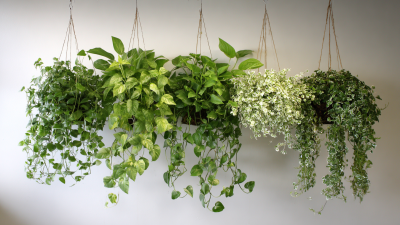
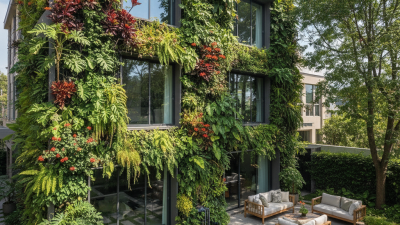
Creating a stunning plant wall hanging can transform any space in your home into a vibrant oasis of greenery and style. As the trend of incorporating plants into interior design continues to thrive, a plant wall hanging offers a unique way to showcase your love for nature while enhancing the aesthetics of your living environment. This artistic approach not only brings life to bare walls but also serves as a conversation starter and a beautiful focal point in any room.
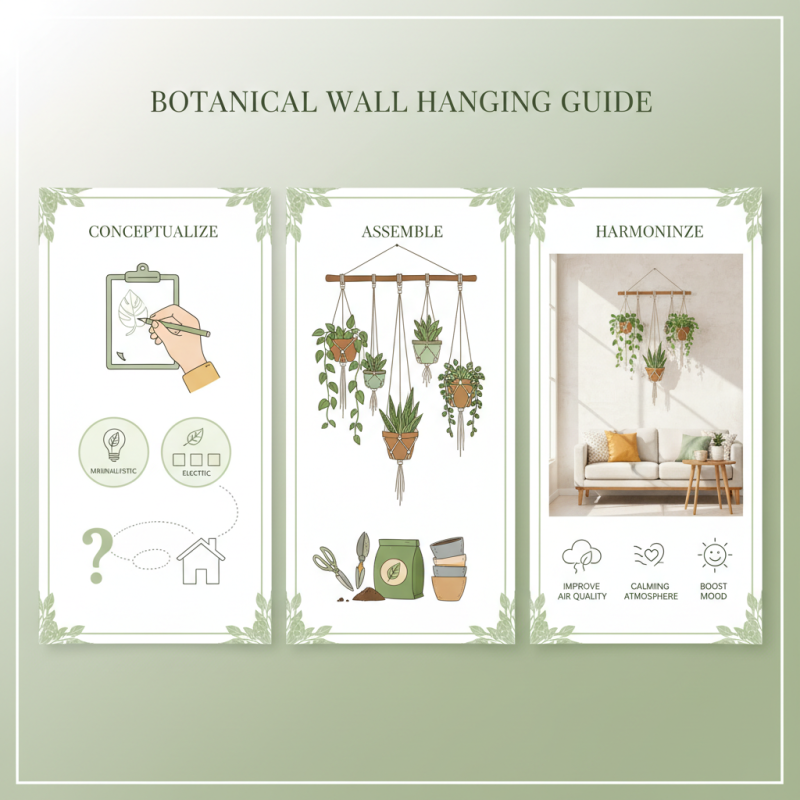
In addition to their striking visual appeal, plant wall hangings can also offer a multitude of benefits for your home. They can improve air quality, create a calming atmosphere, and even boost your mood. By selecting the right plants and designing a layout that reflects your personal taste, you can create a stunning statement piece that harmonizes with your decor. Whether you prefer a minimalistic design or a lush, eclectic arrangement, the process of crafting a plant wall hanging is both enjoyable and rewarding. In this guide, we will explore the steps involved in creating your very own plant wall hanging, equipping you with the tips and ideas you need to bring your botanical vision to life.
Choosing the Right Plants for Your Wall Hanging
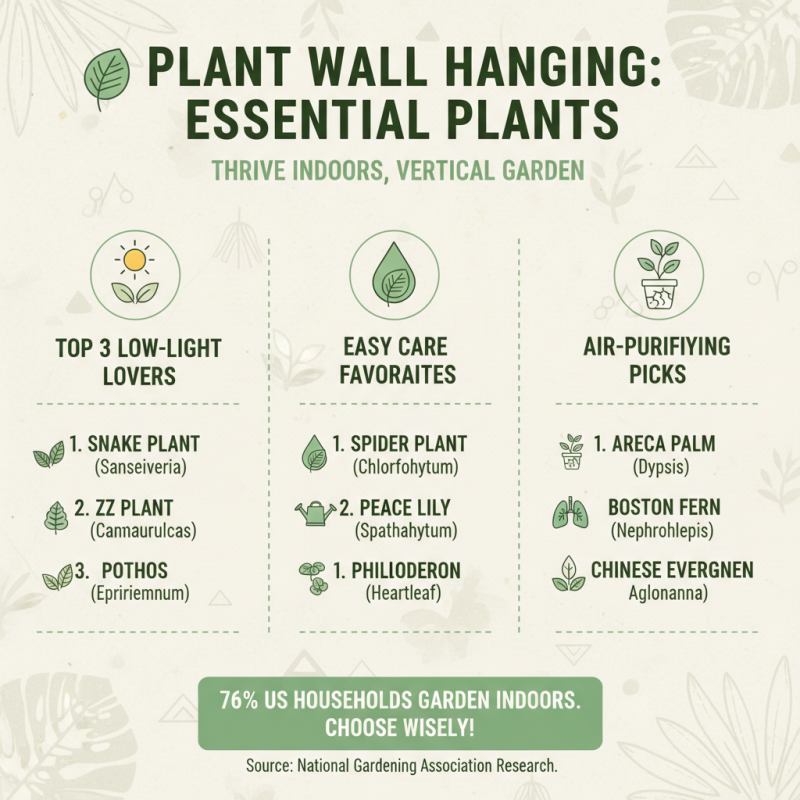
When creating a stunning plant wall hanging, selecting the right plants is essential for both aesthetics and plant health. Research from the National Gardening Association indicates that indoor gardening has surged in popularity, with 76% of U.S. households participating in some form of gardening in recent years. This trend highlights the importance of choosing plants that thrive in an indoor environment, particularly for vertical gardens where light and space can be limited.
For wall hangings, low-maintenance plants such as succulents, ferns, and trailing varieties like pothos are popular choices. According to a study published by the American Journal of Botany, these plants not only require less water compared to traditional houseplants, but they also purify the air, improving indoor air quality—a key consideration in urban living spaces. Additionally, incorporating a variety of plant types can create a visually striking arrangement while ensuring that each plant's needs are met, allowing for a flourishing wall garden that enhances the home decor without overwhelming the caregiver. Choosing the right mix of plants can transform a simple wall into a vibrant living artwork that breathes life into any room.
Selecting an Appropriate Location for Your Plant Wall
Selecting the right location for your plant wall is crucial, not only for aesthetic appeal but also for the health of the plants. Ideally, you should choose a spot that receives ample natural light. According to the American Society of Horticultural Science, plants typically thrive best with around six hours of indirect sunlight daily. Spaces near windows or areas that benefit from filtered light are excellent choices. Additionally, consider the humidity levels in your chosen location, as some plants require more moisture in the air—this can be a significant factor when selecting your wall hanging.
Tips: Before committing to a location, observe the chosen area at different times of the day. This will help you gauge light patterns and temperature fluctuations. If you're working with low-light plants, they can adapt better to less optimal locations, but ensuring some light exposure is still necessary to maintain their vibrancy.
Another factor to consider is accessibility for maintenance. Your plant wall should be positioned where you can easily water and prune the plants without hassle. Attachable systems or modular vertical gardens are particularly advantageous, as they can be designed to allow for rotation or rearrangement of plants for both aesthetic appeal and practical care. By thoughtfully selecting a practical and nurturing environment for your plant wall, you set the stage for a thriving indoor garden that enhances your home decor.
Gathering the Necessary Materials and Tools
Creating a stunning plant wall hanging begins with gathering the necessary materials and tools. First and foremost, you'll need a selection of plants that thrive in vertical arrangements. Consider using succulents, ferns, or trailing vines as they add texture and depth to your display. A wall-mounted planter or a frame to hold your plants is also essential, which can be made from wood, metal, or even repurposed materials for a unique touch.
In addition to plants and a planter, gather tools such as a drill for mounting, a level to ensure even placement, and gardening gloves for easy handling. Depending on the chosen style, you may also need soil, moss, or decorative stones to provide drainage and enhance the aesthetic. Don't forget potting tools like trowels and scissors for trimming plants and arranging them neatly. With all the materials in hand, you'll be set to create a vibrant and inviting plant wall that transforms your home decor into a lush and dynamic space.
Plant Wall Hanging Popularity by Type
Designing Your Plant Wall Layout for Visual Appeal
Creating a visually appealing plant wall begins with thoughtful layout design. According to a study published in the Journal of Environmental Psychology, greenery in domestic settings can increase feelings of well-being by up to 30%. To achieve a stunning plant wall, consider starting with an asymmetrical design that draws the eye while providing balance. Utilize a mix of plant sizes and shapes, combined with varying heights, to add dimension. Research shows that layering plants—placing larger specimens at the back and smaller ones in the foreground—creates a lush, cascading effect that can fill a wall with vibrant life and color.
Incorporating various textures and colors is essential for enhancing visual interest. A report from the American Society of Landscape Architects suggests that diversified plant selections can enhance aesthetic appeal and overall household satisfaction. Use trailing plants to soften the edges and create visual flow, while pairing leafy greens with colorful flowers or unique foliage for a striking contrast. Additionally, consider the use of geometric frameworks or hanging shelves to provide structure; this approach not only organizes your plants but also allows for personalized creativity in arranging your wall display. Remember, the goal is to create a harmonious blend that reflects your personal style while bringing a touch of nature indoors.
Caring for Your Plant Wall to Ensure Longevity and Health
Caring for your plant wall is essential to ensure its longevity and health. Regular maintenance and attention to the needs of your plants can help them thrive and bring life to your home decor. One important aspect of plant care is monitoring their light exposure. Different plants require varying levels of sunlight, so it’s crucial to understand the needs of each plant in your wall arrangement. If natural light is limited, consider using grow lights to supplement their requirements.
Another key factor in maintaining a healthy plant wall is watering. Overwatering is a common mistake that can lead to root rot and other issues. To avoid this, establish a watering schedule based on the specific needs of your plants. It's also a good practice to check the moisture level of the soil before watering. Ensure that your wall planter has proper drainage to prevent any water buildup, which can be detrimental to your plants.
**Tips:** Keep an eye on the humidity levels in your home, as some plants benefit from higher humidity. If your environment is too dry, consider misting your plants or using a humidifier. Additionally, rotating your plant wall periodically can help ensure even growth, as plants will stretch towards the light source. Engaging with your plant wall regularly can enhance your connection to your space and promote a healthy, vibrant display.
How to Create a Stunning Plant Wall Hanging for Your Home Decor - Caring for Your Plant Wall to Ensure Longevity and Health
| Aspect |
Details |
| Material |
Wood, Metal, Fabric |
| Plant Types |
Succulents, Ferns, Pothos |
| Watering Frequency |
Every 1-2 weeks |
| Light Requirements |
Indirect sunlight |
| Fertilization |
Monthly during growing season |
| Pest Management |
Neem oil, Insecticidal soap |
| Common Issues |
Overwatering, Lack of light |
| Benefits |
Improves air quality, Aesthetic appeal |