How to Create a Stunning Green Plant Wall to Improve Indoor Air Quality by 50 Percent
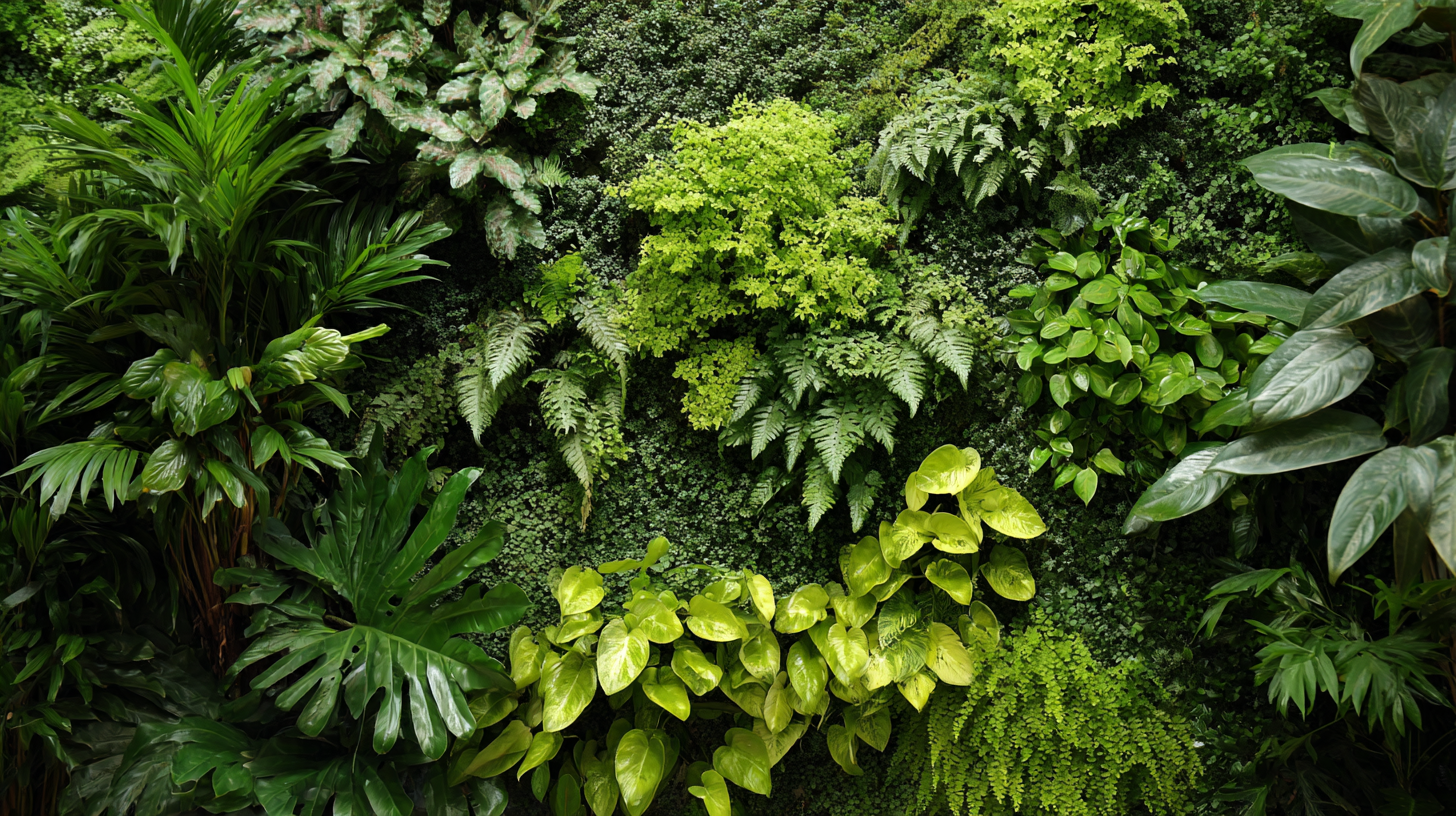 A Green Plant Wall not only serves as an aesthetic focal point in any indoor space but also plays a critical role in enhancing indoor air quality. According to a study by NASA, plants can improve air quality by absorbing toxic substances and producing oxygen, which can lead to a remarkable 50 percent reduction in indoor pollutants. Furthermore, a report by the World Health Organization states that indoor air pollution is a significant health risk, with millions affected globally. By integrating a Green Plant Wall into your environment, you are not just beautifying your space but also actively contributing to healthier indoor air, making it an essential element for modern living. The strategic selection of plant species, combined with thoughtful design, can lead to remarkable improvements in both aesthetics and air quality, demonstrating the dual benefits of this innovative approach to indoor gardening.
Choosing the Right Plants for Your Indoor Green Wall
When selecting plants for your indoor green wall, it's essential to consider not only aesthetic appeal but also their air-purifying qualities. Some of the best choices include spider plants, peace lilies, and pothos. Spider plants are known for their ability to filter formaldehyde and xylene, making them ideal for homes and offices. Peace lilies excel in removing toxic elements, and their stunning white flowers provide a lovely contrast against lush greenery. Pothos, with its trailing vines, is not only visually striking but also effective at eliminating indoor pollutants.
In addition to their air-cleaning abilities, it's important to choose plants that thrive in your specific indoor environment. Consider factors such as light availability, humidity, and temperature. For instance, snake plants and ZZ plants are perfect for low-light areas, while ferns require more moisture and indirect sunlight. By carefully selecting a mix of plants that suit your conditions and complement each other, you can create a vibrant and healthy green wall that enhances your indoor spaces while significantly improving air quality.
Air Quality Improvement by Different Indoor Plants
Essential Tools and Materials for Building a Plant Wall
Creating a stunning green plant wall not only enhances the aesthetic appeal of your indoor space but also significantly improves air quality. According to a study conducted by the University of Washington, indoor plants can reduce pollutants such as formaldehyde, benzene, and trichloroethylene by up to 50%. To achieve optimal results, selecting the right tools and materials is crucial for constructing a functional and beautiful plant wall.
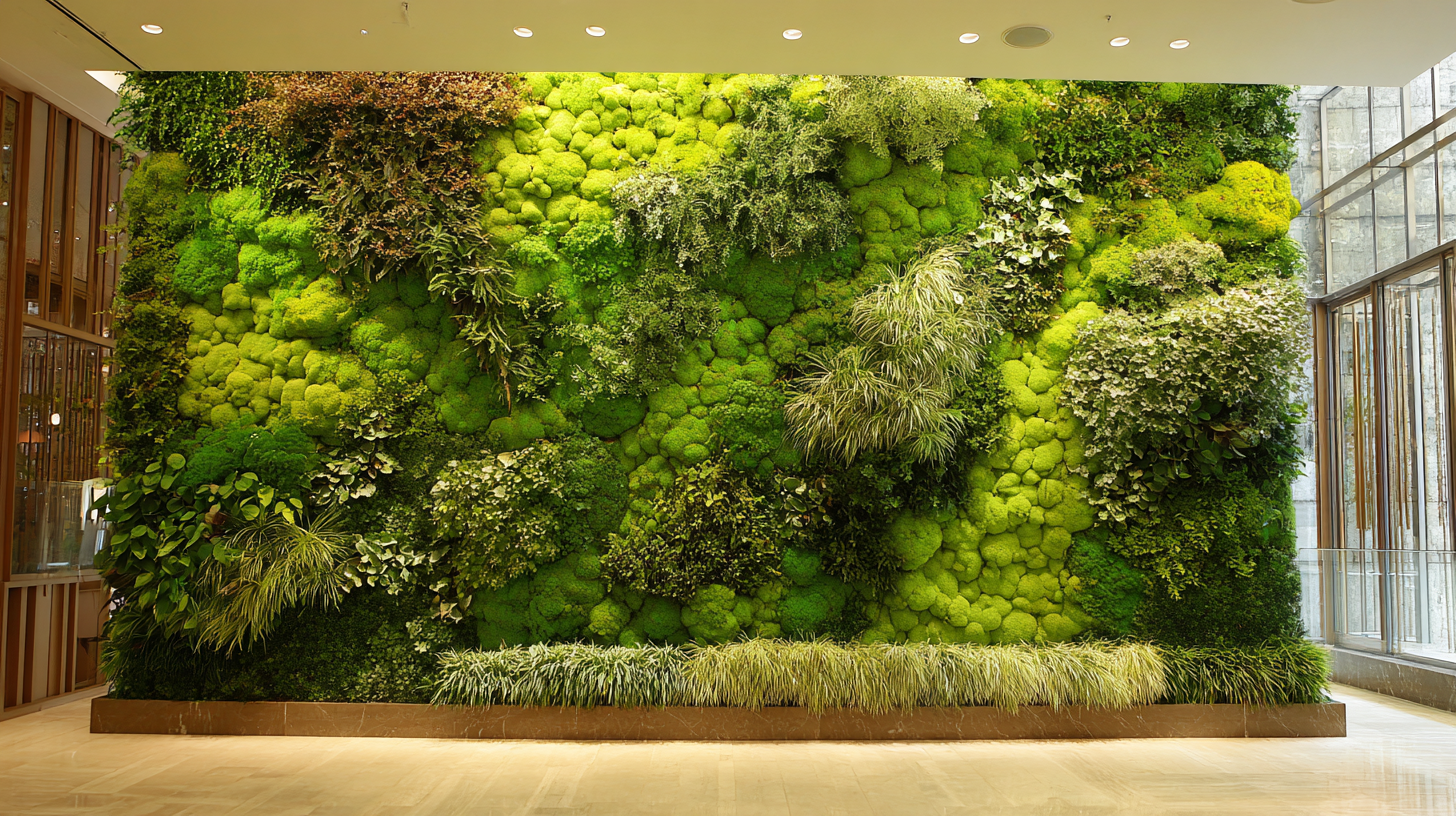
Essential materials include a sturdy frame, quality soil, and a suitable selection of plants. For the frame, you can use wooden pallets or metal grids, ensuring they provide adequate support for the plant growth. The choice of soil is equally important; a high-quality potting mix enriched with nutrients promotes healthy plant development. When selecting plants, consider options like snake plants, pothos, and peace lilies, which are known for their air-purifying properties. Moreover, you may want to invest in a drip irrigation system for easy maintenance, as research from NASA emphasizes the importance of adequate watering for maximizing the air-cleaning capabilities of your plant wall. With these tools and materials, you can create a thriving green oasis that significantly contributes to the improvement of indoor air quality.
Step-by-Step Guide to Installing Your Green Plant Wall
Creating a stunning green plant wall is an excellent way to enhance your indoor air quality while adding a vibrant touch to your space. To get started, begin by selecting a suitable wall with ample sunlight or consider installing grow lights if natural light is limited. Gather your choice of plants, focusing on air-purifying varieties such as ferns, spider plants, or peace lilies. Prepare pots or containers, ensuring they have proper drainage to promote healthy plant growth.
Next, it’s essential to assemble your plant wall structure. You can use wall planters, vertical garden kits, or even repurpose items like shoe organizers to make a creative display for your plants. Secure your planters to the wall while keeping them at an accessible height for maintenance. Once everything is installed, fill your containers with high-quality potting soil and carefully position your plants, making sure to arrange them according to their light and watering needs. Regularly check your plants for health and moisture, and enjoy the benefits of improved air quality and aesthetics in your home.
Maintenance Tips to Keep Your Plant Wall Thriving
Maintaining a green plant wall requires consistent care to ensure that the plants thrive and continue to improve indoor air quality. Regular watering is essential, but it’s crucial to understand the specific needs of each plant species involved in the wall. A good rule of thumb is to check the soil moisture weekly, allowing the top inch of soil to dry out before watering again. Additionally, periodic misting can help maintain humidity levels, especially for tropical plants that prefer a more humid environment.
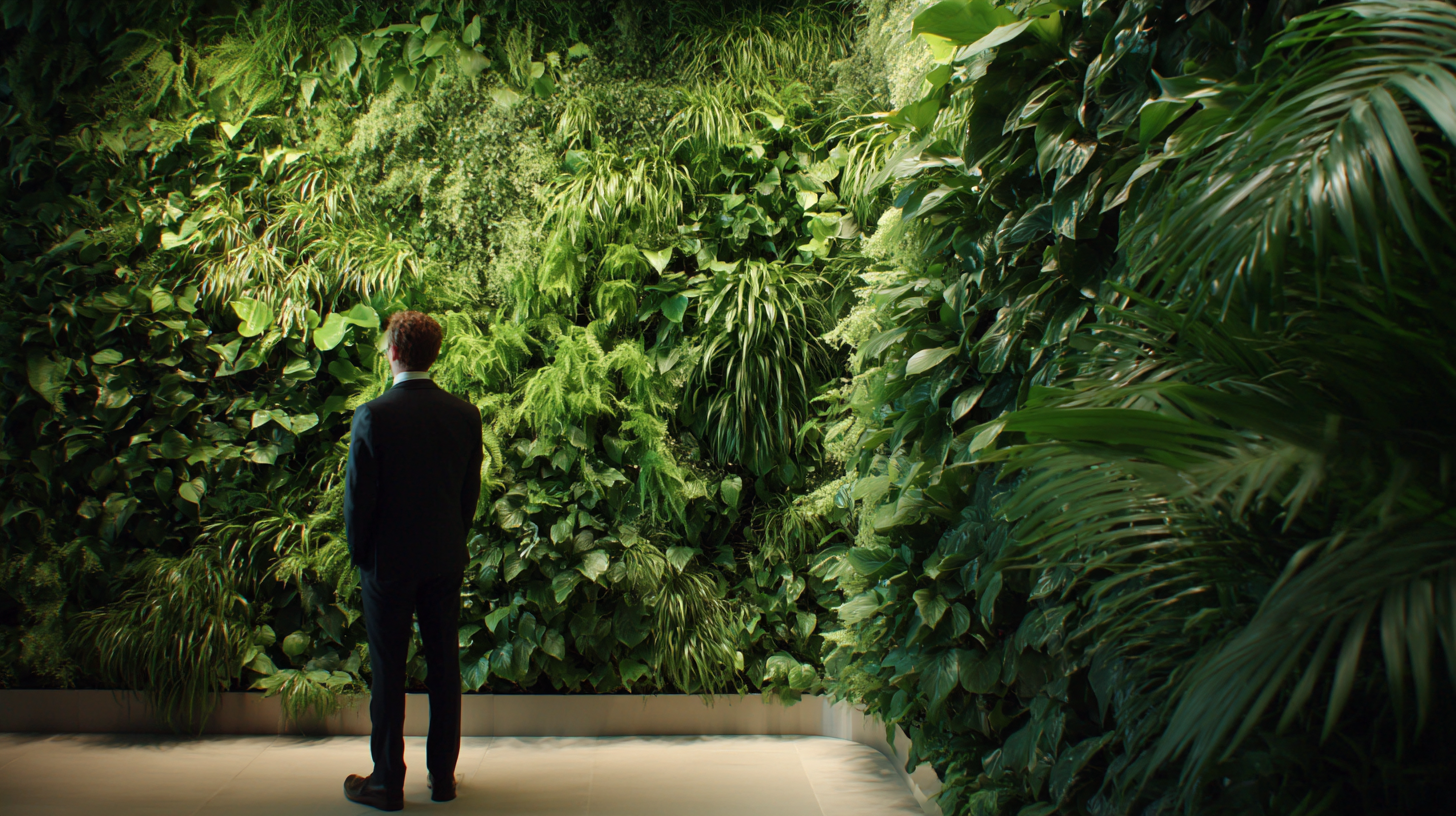
Fertilization is another important aspect of maintenance. Use a balanced, all-purpose fertilizer every four to six weeks during the growing season to promote healthy growth. It's also beneficial to monitor the plants for pests and diseases, addressing any issues promptly to prevent them from spreading. Trimming dead leaves and ensuring adequate light exposure will help keep the plant wall looking vibrant and lush, thereby enhancing its ability to purify the air effectively. Regularly rearranging or replacing plants will not only rejuvenate the wall but also cater to varying light conditions, ensuring that each plant gets its required amount of sunlight.
Enhancing Aesthetics: Design Ideas for Your Green Wall
Creating a stunning green plant wall not only boosts your indoor air quality by 50 percent but also significantly enhances the aesthetics of your environment. With the rise of urbanization and pollution, incorporating greenery indoors has become essential. According to a study by NASA, plants can filter indoor air pollutants, improving overall air quality. This trend is echoed in modern industrial designs that blend functionality with artistic expression, as seen in recent award-winning industrial buildings.
When designing your green wall, consider utilizing various plant species to create a visually appealing and dynamic display. Succulents, ferns, and flowering plants can coalesce into a tapestry of textures and colors. Incorporate vertical gardening systems that allow for efficient space usage while ensuring proper irrigation and drainage. The industrial aesthetic can further be enhanced by using materials like metal frames or concrete planters that complement a modern minimalist decor.
Tips: When selecting plants, consider those that require minimal maintenance and can thrive in low light, like pothos or snake plants. Regularly monitor your wall for signs of decay or disease to maintain its health and visual appeal. Additionally, juxtapose your green wall with industrial elements such as exposed brick or steel beams to create a cohesive design that resonates with the surroundings.