How to Create an Artificial Green Wall for Your Space?
Creating an Artificial Green Wall can transform any space. These living-like installations offer beauty and tranquility. They can enhance both indoor and outdoor environments. Imagine walking into a room filled with lush greens, even without sunlight.
An Artificial Green Wall can serve as a vibrant focal point. It can elevate the mood of your living or working space. Yet, not all green walls are created equal. The materials and design choices can affect their appearance. It’s essential to select high-quality artificial plants that mimic reality. This might take some time and research, but the results pay off.
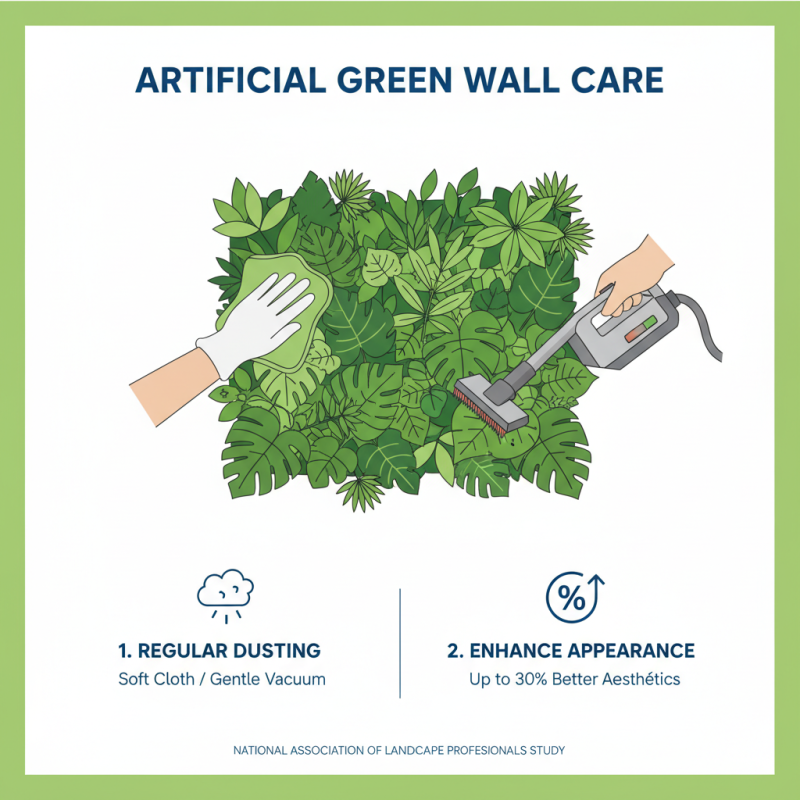
Consider the maintenance involved with your Artificial Green Wall. While they are low maintenance, they still need occasional cleaning. Dust and dirt can accumulate, detracting from their beauty. Reflect on how this green addition can fit into your lifestyle. Do you have the right place for it? Creating an Artificial Green Wall is not just about aesthetics; it’s about enhancing your environment.
Choosing the Right Location for Your Artificial Green Wall
When creating an artificial green wall, selecting the right location is essential. Consider areas that lack natural light. A wall in a corridor or office can benefit from greenery, making it feel more inviting. Avoid spaces with excessive moisture or heat, as these conditions may alter the materials over time.
**Tips:** Assess wall visibility. Is it noticed by visitors? A location with good visibility enhances the impact of your green wall. Also, think about the surrounding decor. A mismatched style could reduce the attractiveness.
Pay attention to the wall’s surface. Smooth walls may need special mounting tools. Textured surfaces can make installation trickier. Reflect on the maintenance aspect too. While artificial plants are low maintenance, regular dusting is necessary. Don't overlook this simple step; it prolongs the wall’s vibrant appearance.
How to Create an Artificial Green Wall for Your Space? - Choosing the Right Location for Your Artificial Green Wall
| Location Factors |
Description |
Lighting Conditions |
Recommended Plants |
| Indoor Living Room |
Ideal for adding a touch of nature within your home. |
Moderate to bright indirect light. |
Ferns, Ivy, Pothos. |
| Office Environment |
Enhances aesthetics and air quality in workplace. |
Fluorescent light or natural light. |
Snake Plant, ZZ Plant, Spider Plant. |
| Outdoor Patio |
Creates a relaxing garden ambiance. |
Direct sunlight. |
Succulents, Lavender, Ornamental grasses. |
| Commercial Space |
Attracts customers and enhances brand image. |
Natural light preferred. |
Ficus, Climbing Plants, Artificial Flowers. |
Selecting the Appropriate Materials for Your Green Wall
Creating an artificial green wall starts with the right materials. Consider using
lightweight panels, which make installation easier. These panels can hold soil or faux plants securely.
Look for options that resist moisture and are durable. You might choose between felt,
PVC, or metal as your base material. Each has its own pros and cons.
When selecting artificial plants, prioritize quality. Look for UV-resistant plants to maintain color over time.
Consider a mix of textures and sizes for visual interest. You can use larger plants at the bottom and smaller ones on top. This layering can create depth and make your wall feel
lush and alive.
Tips: Always check the weight of your materials. If the wall is too heavy, it may need extra support.
Think about maintenance as well. Even though these are artificial plants, dust can accumulate and lessen their appeal.
Regular cleaning will keep your wall looking fresh.
Step-by-Step Installation Process for Your Artificial Green Wall
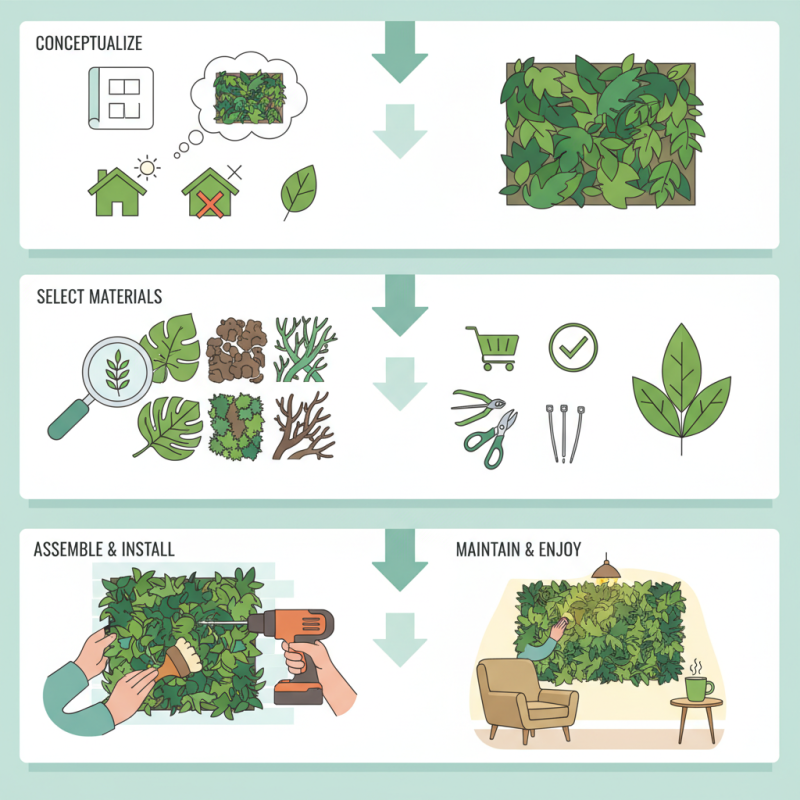
Creating an artificial green wall can transform your space into a vibrant oasis. Start by choosing a suitable wall. Ensure it is clean and dry. Measure the area you want to cover. This helps in purchasing the right amount of materials.
Next, gather your materials. You'll need panels, adhesive, and possibly a frame for support. Some people skip the frame and rely solely on adhesives. This choice can lead to issues over time. Once you have the materials, fix the panels to the wall. Press them firmly.
As you're working, take your time. Align the panels carefully; uneven spacing can ruin the look. Use a level tool to check. After installation, observe the wall for gaps. These details matter. You may need to adjust panels or add additional greenery to fill spaces. Finally, step back and evaluate your work. Reflect on what you like and what needs improvement.
Artificial Green Wall Design Preferences
Incorporating Lighting to Enhance Your Green Wall Aesthetics
When creating an artificial green wall, lighting can make a significant difference. Soft, warm lights can highlight the textures of your plants. Choose LED strips or spotlights to showcase particular areas. This focused lighting creates depth. It brings life to your green wall, especially at night.
Experiment with different angles for your lights. Hang them above or below. Side lighting can create interesting shadows. However, avoid over-illuminating. Too much brightness can wash out colors. A balanced approach is critical. Consider using a timer for automatic adjustments, ensuring the light enhances rather than overwhelms.
Adding lights doesn't always come easy. You might need to adjust positions several times. Take a step back to evaluate the overall effect. A small mistake can shift the mood. Remember, lighting should support your vision for the green wall. Adapt and refine your setup over time. The goal is harmony between plants and light.