The Comprehensive Guide to Choosing the Best Synthetic Artificial Grass for Your Home
The increasing popularity of Synthetic Artificial Grass among homeowners is not merely a trend; it reflects a significant shift in landscaping practices aimed at sustainability and convenience. According to a recent report from the Synthetic Turf Council, the United States synthetic turf market was valued at approximately $2.5 billion in 2020, with projections indicating growth rates exceeding 10% annually over the next decade. This remarkable surge is driven by advancements in technology that have enhanced the aesthetic appeal and functionality of artificial grass, making it an appealing alternative to natural lawns. Synthetic Artificial Grass not only reduces water consumption by up to 70% compared to traditional lawns but also minimizes the need for harmful pesticides and fertilizers, contributing to environmentally-friendly landscaping solutions. As more homeowners seek to create beautiful, maintenance-free outdoor spaces, understanding the diverse options available in synthetic grass products becomes essential in making informed decisions for home improvement.
Understanding Synthetic Grass Types: A Breakdown of Options and Materials
When selecting synthetic grass for your home, it’s crucial to understand the various types and materials available in the market.
Synthetic grass generally falls into three main categories: nylon, polyethylene, and polypropylene.
Nylon is known for its durability, making it ideal for high-traffic areas, but it can be less soft to the touch.
Polyethylene, on the other hand, offers a more natural look and feel, making it a popular choice for residential lawns and pet areas.
It combines a balance of durability and softness, ensuring a pleasant surface for both aesthetics and comfort.
In addition to the material, the pile height and density of the grass should also be considered.
Longer pile heights create a lush, full appearance but may require more maintenance to keep them looking pristine.
Denser grasses tend to resist flattening and provide a robust look year-round.
Lastly, ensure that the synthetic grass you choose has UV resistance, as this feature protects against fading and maintains its vibrant color over time.
Understanding these options will help you make an informed decision tailored to your specific needs and preferences.
Key Factors to Consider When Choosing Artificial Turf for Your Home
 When selecting synthetic artificial grass for your home, it's crucial to consider several key factors that will influence the overall functionality and aesthetics of your space. First and foremost is the material quality; different types of synthetic grass are made from various fibers, such as polypropylene, polyethylene, or nylon. Higher quality materials generally offer a more realistic look and feel, as well as greater durability against wear and tear. Homeowners should prioritize materials that can withstand harsh weather conditions and UV exposure to prevent fading and degeneration over time.
Another important factor is the pile height and density of the grass. A taller pile can provide a more lush and natural appearance, while higher density grass tends to be more resilient and better at standing up to foot traffic. Additionally, considering the intended use of the turf is essential; whether it's for a pet area, a children's play space, or a decorative landscape, specific products may be better suited for different applications. Lastly, the infill material used can significantly impact both the performance and maintenance requirements of the synthetic grass, influencing aspects like drainage and cushioning. By carefully evaluating these factors, homeowners can make an informed decision that best meets their needs and enhances their outdoor environment.
Evaluating Durability and Lifespan: Industry Standards for Synthetic Grass
When evaluating synthetic artificial grass for your home, its durability and lifespan are critical factors. According to industry standards, high-quality synthetic turf typically boasts a lifespan of 15 to 25 years, depending on the materials used and environmental conditions. Tests conducted by various turf field organizations highlight that premium products can withstand heavy foot traffic without significant wear, while lower-quality options might begin to show signs of degradation within just a few years. For instance, advanced polymers and fiber technology have been shown to enhance resistance to UV rays and weathering, ensuring that the grass retains its vibrant color and structural integrity over time.
In recent discussions among educational boards considering turf replacements, experts emphasize the importance of life cycle assessments in determining the long-term viability of the materials selected. Such assessments not only evaluate the environmental impact but also factor in mechanical performance. The incorporation of recycled materials, like waste tire rubber, is on the rise, providing an eco-friendly alternative that contributes to sustainability efforts while maintaining durability. Overall, understanding these industry standards and evaluating the longevity and environmental implications of different synthetic grass options are essential steps in making an informed decision for your home.
Cost Analysis: Budgeting for Installation and Maintenance of Artificial Grass
When considering the installation of synthetic artificial grass in your home, one of the primary factors to take into account is the cost associated with both installation and ongoing maintenance. According to a recent report by the Synthetic Turf Council, the upfront installation cost can range from $5 to $20 per square foot, depending on the type and quality of the grass, as well as the complexity of the installation process. This initial investment can seem daunting; however, homeowners often overlook the long-term savings that synthetic grass offers, with reduced water usage and maintenance bills.
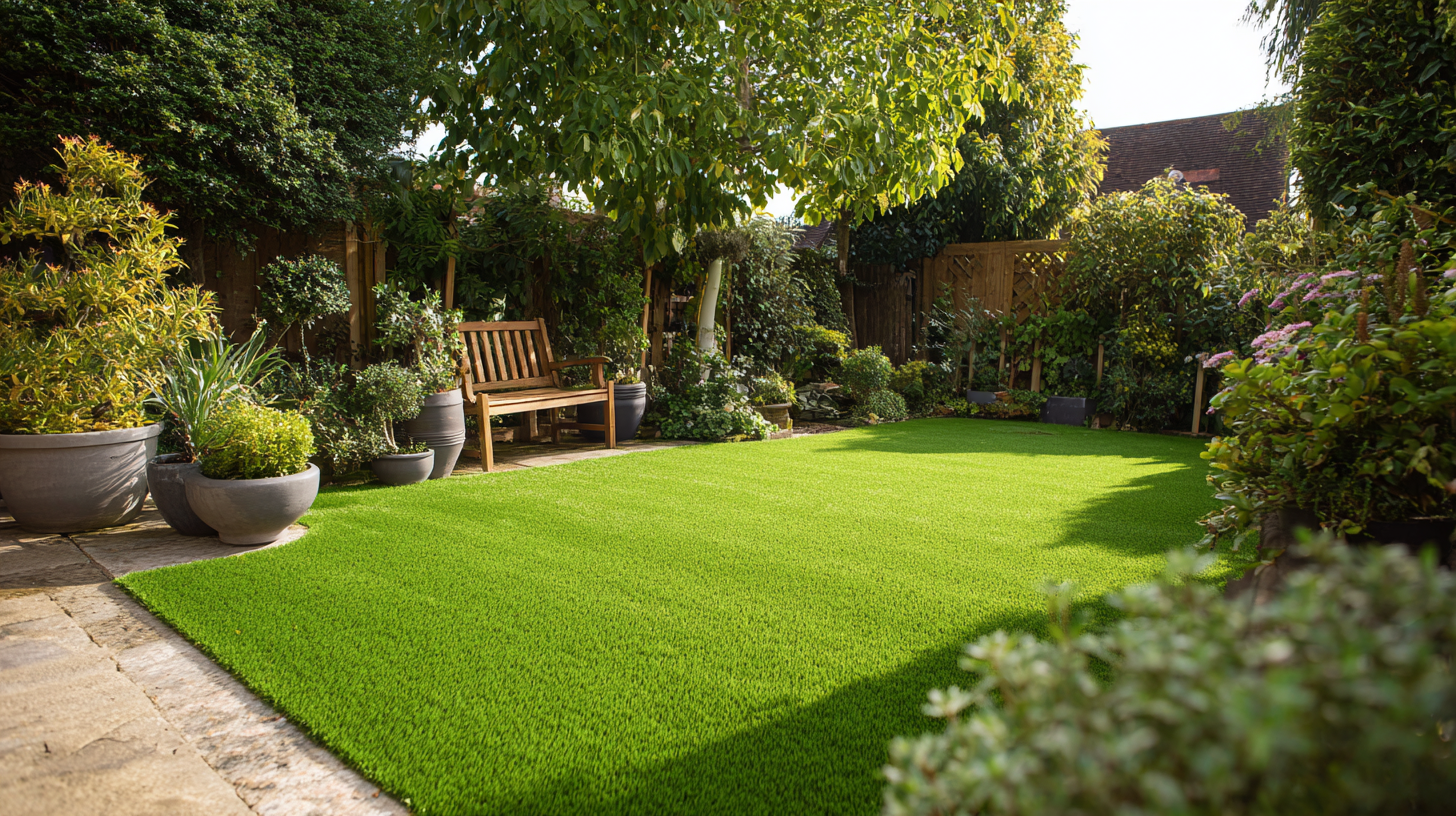
Ongoing maintenance costs for synthetic grass are significantly lower compared to natural grass. Studies have shown that maintaining natural grass can cost homeowners anywhere from $600 to $1,200 annually, factoring in lawn care services, fertilizers, and water usage. In contrast, the maintenance of synthetic grass typically involves occasional brushing and rinsing, amounting to a nominal annual cost of around $100 to $300. Thus, after a few years, many homeowners find that the initial investment in synthetic grass pays off through lower maintenance and utility costs, making it an attractive option for those seeking both aesthetic appeal and economic efficiency.
Eco-Friendly Considerations: Sustainability in Synthetic Turf Selection
When selecting synthetic artificial grass for your home, eco-friendly considerations are paramount in ensuring sustainability. A report from the Synthetic Turf Council indicates that high-quality synthetic turf can last up to 15-20 years, significantly reducing the need for frequent replacements that contribute to waste. Moreover, many modern synthetic grasses are made from recycled materials, such as polyethylene and polypropylene, which help minimize the environmental footprint associated with new production processes.
Sustainability also extends to maintenance practices; synthetic grass eliminates the need for harmful pesticides and fertilizers, which can leach into local water systems. According to data from the Environmental Protection Agency, traditional lawns require approximately 60% of urban water use, whereas synthetic turf conserves this vital resource significantly. Choosing eco-friendly options not only enhances the beauty of your outdoor space but also fosters a commitment to environmental stewardship, supporting a greener future.
The Environmental Impact of Synthetic Grass vs. Natural Grass