10 Tips for Choosing the Best Artificial Plants Wall for Your Space?
In recent years, the popularity of artificial plants wall has surged, transforming interior spaces across the globe. According to a report by Grand View Research, the artificial plants market is projected to reach $2.8 billion by 2026. This growth indicates a growing preference for low-maintenance decor that offers greenery without the associated upkeep.
Choosing the right artificial plants wall can greatly enhance a space's aesthetic appeal. However, many consumers may overlook key factors that impact the overall effect. It's essential to consider quality, realism, and harmony with existing decor. Research shows that well-designed greenery can improve moods and productivity. Yet, the selection process may seem overwhelming due to the variety of options available.
This guide offers practical tips to help you make informed decisions. With a focus on detail and authenticity, exploring these tips can lead to a more fulfilling decor choice. Remember, not all products deliver the desired outcome, and some may fall short in texture and vibrancy. Taking time to assess your choices can lead to a more cohesive and inviting environment.
Understanding the Different Types of Artificial Plants for Walls
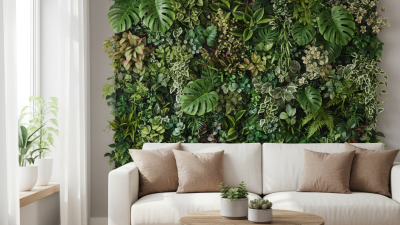
Choosing the right artificial plant wall can enhance your space’s aesthetics significantly. Understanding the different types of artificial plants is essential in making an informed decision. Common types include succulents, ferns, and flowering varieties. Each has its unique appeal and maintenance needs, providing options for different environments.
A recent industry report shows that the demand for artificial plants has grown by 25% over the last three years. This trend is driven by the desire for low-maintenance greenery. When selecting plants, consider their color and texture. Lush greens can bring a calming effect. Meanwhile, vibrant flowers may add a pop of color.
Tips for selection include assessing the scale of your space. Larger walls may benefit from full, dense arrangements. Smaller areas can leverage minimalist designs. Natural-looking materials play an essential role in realism. Some products use textiles that mimic leaves accurately. However, be cautious of overly shiny finishes. Such features might detract from their authenticity.
Ultimately, personal preference and space functionality should guide your choices. Reflect on how different arrangements make you feel. Seeking expert input can also be beneficial in curating the perfect green wall for your home or office.
Evaluating the Quality of Materials Used in Artificial Plant Walls
When selecting artificial plant walls, evaluating the quality of materials is crucial. High-quality materials enhance the overall appearance and longevity of these decorative elements. Look for options made from UV-resistant plastic that can withstand sunlight. This ensures that colors won’t fade over time, giving you a vibrant wall all year round.
Consider the texture as well. A realistic look can significantly impact your space. Natural variations in leaf shapes and sizes add authenticity. Avoid products that appear overly uniform; they can give a plastic-like impression. Inspect the craftsmanship, too. Differing shades and intricate details create interest, making it harder to distinguish them from real plants.
Tip one: Always inquire about maintenance requirements. While artificial plants are relatively low-maintenance, some materials may need special care.
Tip two: Think about your environment. If your space gets direct sunlight, choose materials designed to resist fading.
Tip three: Ensure the backing material is sturdy. A solid frame will keep the plant wall intact for years, reducing the need for replacements. Take your time in evaluating options; it will benefit your space significantly in the long run.
Considering the Size and Scale for Your Specific Space
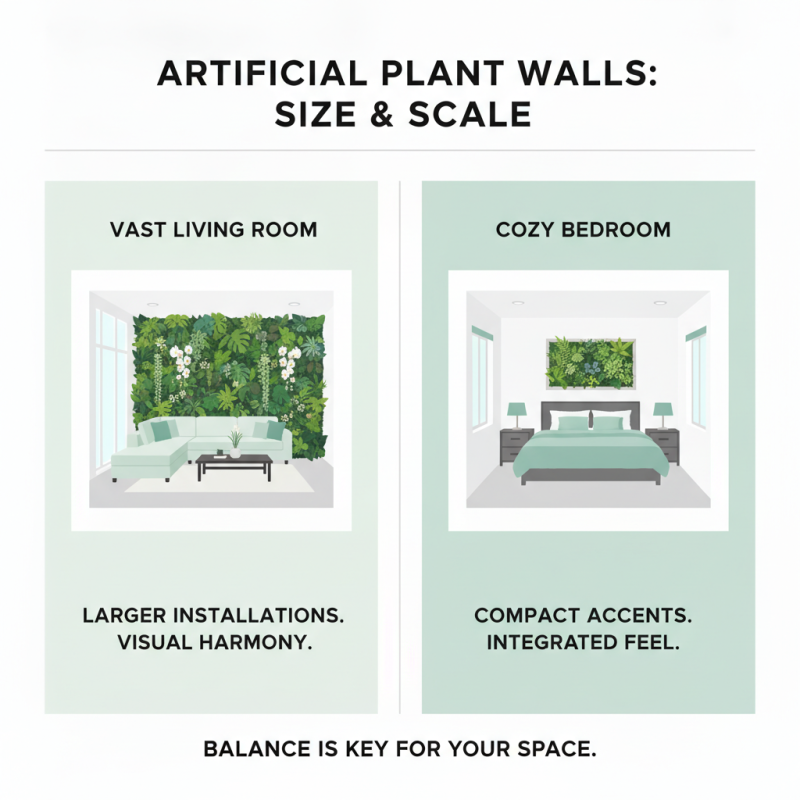
When considering artificial plant walls, size and scale are crucial. A large wall can become overwhelming if not balanced properly. For instance, a vast living room can handle larger installations, while a cozy bedroom may need something more compact. Visual harmony is important. The right size will make the wall feel integrated rather than chaotic.
Pay attention to height and width. Choose a design that complements your existing decor. If your space has high ceilings, taller plant walls will draw the eye upward. Conversely, a low profile wall works well in smaller areas. Always measure your wall before purchasing. Consider how the plants will interact with furniture and other decor elements.
Finally, don't shy away from imperfections. A slightly uneven arrangement can add character. Some plants may have varying textures and colors that evoke nature's unpredictability. Reflect on how these details influence the overall feel of your space. Ultimately, the right size and scale create a welcoming atmosphere where artificial plants can thrive without overshadowing your home.
Exploring Color Schemes and Aesthetics for Your Decor
When selecting artificial plants for your wall, color schemes play a crucial role. A report from the American Society of Interior Designers suggests that 60% of interior aesthetics rely on color harmony. Choose plants that complement your room’s palette. For example, lush greens can enhance calm spaces, while vibrant reds or yellows can energize areas meant for creativity.
Think about the impact of texture. Artificial plants come in various finishes, from glossy to matte. Incorporating textured green elements can add depth to your decor. A study by designers found that 70% of participants preferred spaces where textures were varied but cohesive. However, avoid overcrowding your wall with too many contrasting colors. Too much can create visual chaos rather than harmony.
Reflect on maintenance, too. Artificial plants require less upkeep than real ones, but they can still fade or gather dust. Regular cleaning is essential to maintain their appeal. Consider rotating different pieces occasionally to refresh your space. Choosing the right aesthetic requires thoughtfulness and a willingness to experiment.
Assessing Maintenance and Longevity of Artificial Plant Installations
When considering artificial plant installations, maintenance and longevity are crucial. A recent report from the National Interior Landscaping Association indicates that properly maintained artificial plants can last over five years, while poorly maintained options may degrade in just a few months. Regular dusting and occasional deep cleaning can extend their life significantly. Understanding the materials used in artificial plants also plays a critical role. High-quality plastics and UV-resistant treatments ensure durability against sunlight and fading.
Environmental factors can affect the longevity of artificial plants. For instance, areas with high humidity may introduce mold, even in synthetic foliage. Choosing plants made from breathable materials can mitigate this issue, but they still require attention. Indoors or outdoors, placement impacts their lifespan. Direct sunlight can cause discoloration, while shaded areas may reduce dust accumulation. Proper installation and location can enhance the visual appeal and durability of your chosen design. Pay attention to these details to avoid premature replacements, and you may find that your artificial greenery remains vibrant longer than anticipated.
10 Tips for Choosing the Best Artificial Plants Wall for Your Space
| Tip Number |
Tip |
Maintenance |
Longevity |
Aesthetic Appeal |
| 1 |
Choose UV-resistant materials |
Low |
5-10 years |
High |
| 2 |
Select appropriate colors and textures |
Low |
5+ years |
Very High |
| 3 |
Look for customizable options |
Moderate |
3-7 years |
High |
| 4 |
Consider size and scale |
Low |
Indefinite |
Medium |
| 5 |
Check the installation process |
Moderate |
5+ years |
Medium |