How to Choose the Best Outdoor Artificial Grass for Your Space
When it comes to enhancing your outdoor space, choosing the right Outdoor Artificial Grass can significantly improve both aesthetics and functionality. With numerous options available in the market, it’s essential to understand the key factors that influence the selection process. From considering the intended use of the grass—whether for recreational purposes, landscaping, or pet areas—to evaluating the material quality and maintenance requirements, each aspect plays a critical role in making an informed decision. Additionally, knowing the differences in texture, color, and durability can help you select a product that not only fits your space but also meets your lifestyle needs. This guide will provide you with valuable insights and practical tips to navigate the choices available, ensuring you find the perfect Outdoor Artificial Grass that complements your environment while offering long-lasting benefits.
Types of Outdoor Artificial Grass: Finding the Right Fit for Your Needs
When selecting outdoor artificial grass, it's essential to understand the various types available to find the best fit for your specific needs. One of the primary distinctions is between nylon, polypropylene, and polyethylene grasses.
Nylon is known for its durability and resilience, making it suitable for high-traffic areas such as sports fields and playgrounds. Its ability to withstand extreme weather conditions makes it a popular choice, although it often comes at a higher price point.
On the other hand, polypropylene is a budget-friendly option that works well for low-traffic areas or decorative purposes. It's soft underfoot, making it an appealing choice for patios and gardens. Meanwhile, polyethylene offers a balance between durability and comfort, making it versatile for various applications, from residential lawns to commercial spaces.
When choosing the right type of outdoor artificial grass, consider factors such as traffic levels, climate, and aesthetic preferences to ensure an ideal match for your outdoor environment.
Factors to Consider When Selecting the Best Artificial Grass
When selecting the best outdoor artificial grass, there are several key factors to consider that can greatly enhance both functionality and aesthetics. One of the most important aspects is the pile height, which typically ranges from 30mm to 50mm for residential lawns. According to a report by Grand View Research, the global artificial turf market was valued at approximately $2.98 billion in 2020 and is expected to expand at a CAGR of 6.5% from 2021 to 2028, indicating a growing preference for realistic and durable products. Choosing a pile height that mimics natural grass not only contributes to the visual appeal but also impacts the playability for activities such as sports and recreational use.
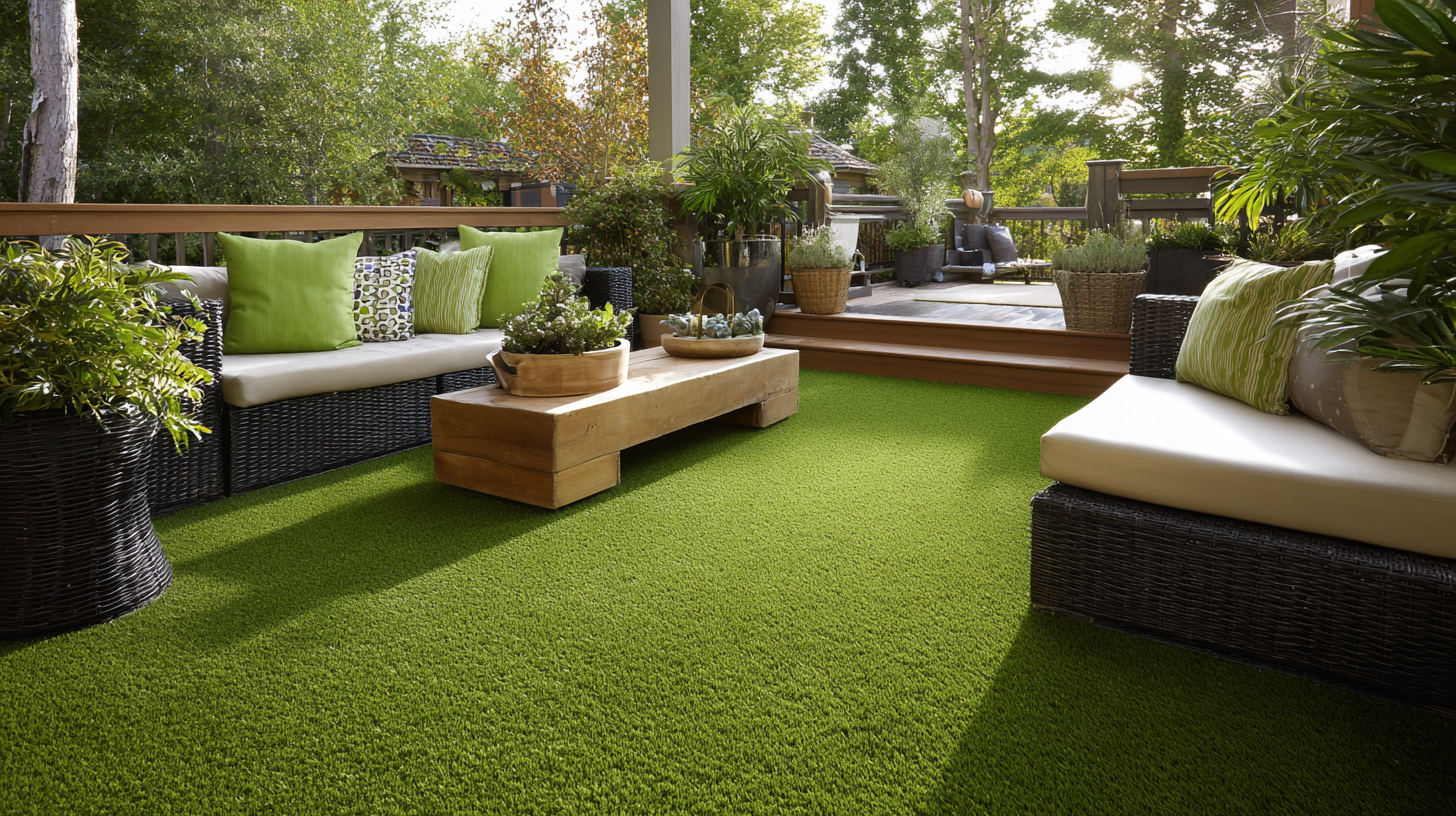
Another crucial factor is the material composition of the artificial grass. Products made from polyethylene provide a softer touch and are resistant to fading, while polypropylene is typically more cost-effective but may not offer the same level of durability. A report from the Synthetic Turf Council indicates that the average lifespan of well-maintained artificial turf can range from 8 to 15 years, depending on the quality of materials used. Additionally, it's important to consider infill options, which can improve resilience and drainage, thus ensuring optimal performance for various outdoor applications.
Understanding the Different Pile Heights and Textures Available
When selecting the best outdoor artificial grass for your space, understanding the different pile heights and textures is crucial. Pile height refers to the length of the grass fibers, which can greatly affect both the appearance and functionality of your lawn. Shorter piles, typically between one to two inches, offer a neat, manicured look and are ideal for high-traffic areas, as they resist flattening and wear. Conversely, taller piles, around three inches or more, provide a lush, natural aesthetic that mimics real grass but may require more maintenance to keep them looking their best.
Texture is another important factor to consider. Artificial grass comes in a variety of textures ranging from soft and plush to firm and resilient. Softer textures may feel more comfortable underfoot, making them suitable for areas where people frequently walk or play. Firmer textures, on the other hand, are better for sports applications or active spaces, as they provide solid footing and durability. By evaluating both pile height and texture, you can select the artificial grass that perfectly complements the intended use and visual appeal of your outdoor space.
Evaluating Durability and Maintenance Requirements of Artificial Grass
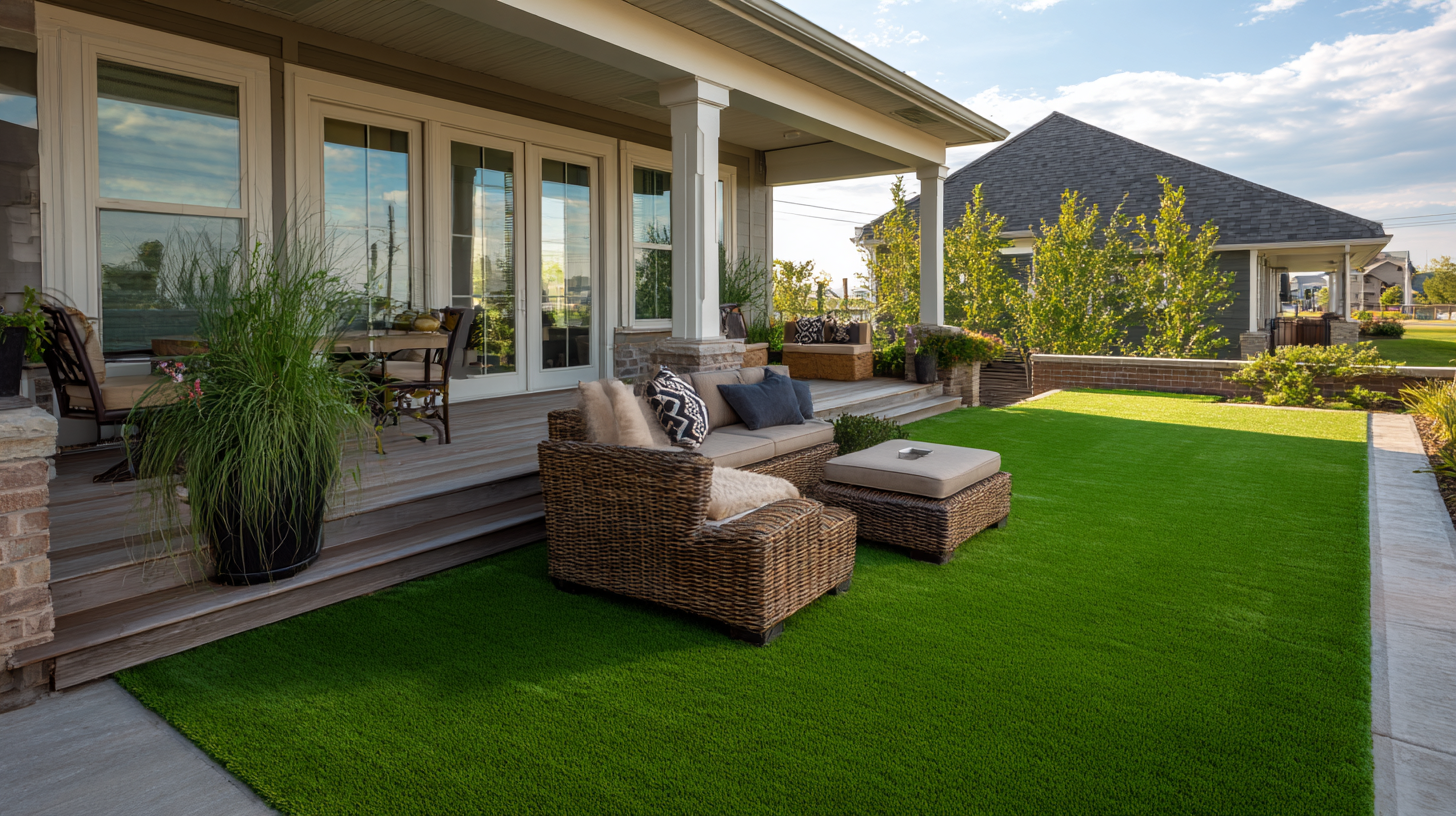
When selecting outdoor artificial grass, evaluating its durability and maintenance requirements is crucial to ensuring that it meets your needs. The best synthetic turf options should be made from high-quality materials that can withstand various weather conditions, including UV rays, heavy foot traffic, and extreme temperatures. Look for products that come with a warranty, as this often indicates a manufacturer’s confidence in their grass’s longevity. It's also important to consider the grass's resistance to fading and wear—options with a high-density fiber construction tend to offer superior performance over time.
Maintenance requirements can greatly influence your choice of outdoor artificial grass. While one of the primary advantages of synthetic turf is its low upkeep, some varieties may require more frequent grooming or cleaning. Assess whether the grass can resist stains and maintain its appearance after heavy use—products with advanced drainage systems and anti-bacterial properties can prove beneficial. Additionally, consider how easy it is to clean; opting for a grass that can be easily brushed and rinsed will save you time and effort in the long run, allowing you to enjoy your space without excessive maintenance.
Cost Comparison: Budgeting for Quality Outdoor Artificial Grass Options
When considering outdoor artificial grass, budgeting is a crucial step in ensuring you get quality without overspending. The market offers a wide range of options, from budget-friendly varieties to premium grass designed for durability and aesthetics. Identifying your primary needs—whether for recreational use, landscaping, or pet-friendly areas—can help streamline your choices and avoid unnecessary expenses.
A cost comparison reveals that while cheaper options may save money initially, they often fall short in longevity and maintenance requirements, ultimately leading to additional costs. Higher-quality artificial grass may have a higher upfront price but typically requires less upkeep and has a longer lifespan. It’s essential to evaluate factors like material quality, pile height, and UV resistance while considering your budget. By conducting thorough research and assessing your specific needs, you can make informed decisions that balance affordability with long-term satisfaction in your outdoor spaces.