2025 How to Choose the Best Artificial Grass Roll for Your Lawn
As homeowners increasingly seek low-maintenance and aesthetically pleasing landscaping solutions, the demand for artificial grass rolls has surged. The ideal choice of an artificial grass roll can significantly enhance the visual appeal of your lawn while minimizing upkeep, water usage, and pest control concerns. With a plethora of options available in the market, selecting the right product requires careful consideration of various factors, including pile height, material composition, and intended usage.
In this guide, we will explore the critical aspects to consider when choosing the best artificial grass roll for your lawn. From understanding the benefits of synthetic turf to evaluating performance characteristics, we aim to equip homeowners with the knowledge necessary to make an informed decision. Whether you are transforming your empty yard into a lush retreat or simply replacing natural grass in high-traffic areas, selecting the appropriate artificial grass roll can unleash the potential of your outdoor space. Join us as we delve into the essential elements that will guide you in your quest for the perfect lawn enhancement.
Understanding the Advantages of Artificial Grass for Lawns
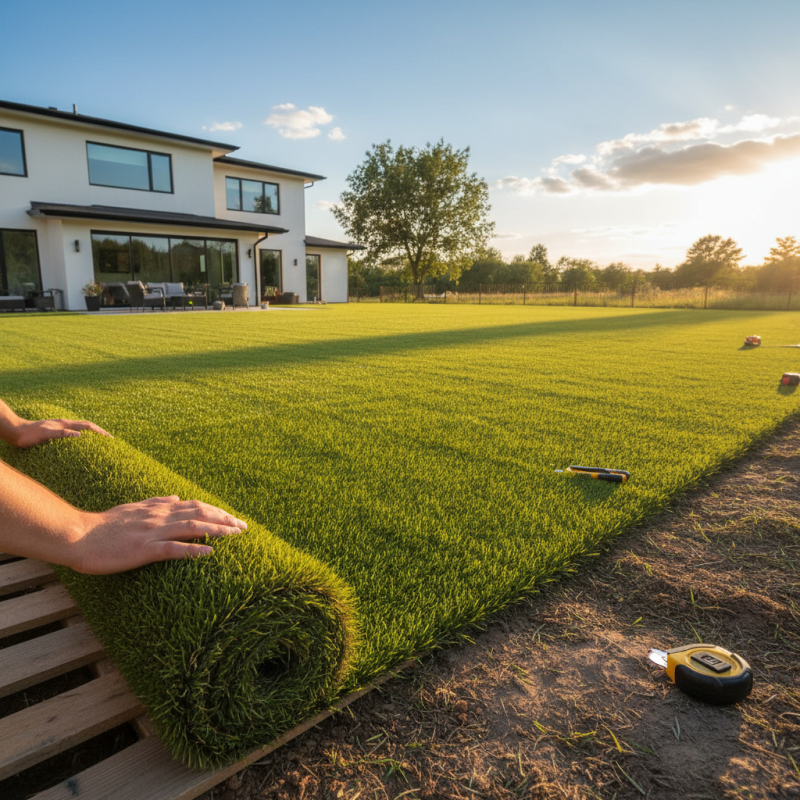
Artificial grass has become an increasingly popular choice for lawns, offering numerous advantages that traditional grass simply cannot match. One of the most significant benefits is maintenance. Unlike natural grass, artificial turf does not require regular mowing, watering, or fertilizing, which saves homeowners both time and money. Additionally, artificial grass is durable and can withstand heavy foot traffic, making it an excellent choice for families or homes with pets.
When considering artificial grass for your lawn, it's essential to evaluate the quality and type that best suits your needs. Higher-quality options often come with UV protection to prevent fading and are designed to drain effectively, which helps prevent mold and mildew growth. Choosing the right pile height and density can also enhance the aesthetic appeal and comfort of your lawn.
**Tips:** Consider the climate in your area; some artificial grass is better suited for hot environments, while others perform well in cooler climates. Always check for infill options, as the right type can improve stability and reduce slippage. Lastly, consult with professionals to ensure proper installation, ensuring that your artificial grass will perform optimally for years to come.
Advantages of Artificial Grass for Lawns
Key Factors to Consider When Choosing Artificial Grass Rolls
When selecting the best artificial grass roll for your lawn, several key factors must be taken into account to ensure a perfect fit for your specific needs. First, consider the material of the grass. Most artificial grasses are made from polyethylene, polypropylene, or nylon. Polyethylene is popular for its softness and realistic look, while nylon is durable and resistant to various weather conditions. Understanding the material helps in determining the longevity, aesthetics, and overall functionality of the grass.
Another important factor is the pile height, which affects both the appearance and feel of the artificial grass. Pile height can range from short (around 1 inch) to tall (up to 2.5 inches). If you're looking for a lawn that resembles a well-manicured natural grass surface, a medium height is often the best choice. Additionally, consider the grass density; a denser grass not only looks more lifelike but also provides better resilience against foot traffic. Lastly, pay attention to the backing of the grass roll, as a strong, perforated backing will enhance drainage and facilitate easy installation. By evaluating these factors, you can ensure that your choice of artificial grass meets both aesthetic and practical demands for your outdoor space.
2025 How to Choose the Best Artificial Grass Roll for Your Lawn - Key Factors to Consider When Choosing Artificial Grass Rolls
| Factors |
Description |
Importance Level |
| Material Type |
Polyethylene, polypropylene, or nylon affect durability and feel. |
High |
| Pile Height |
Shorter for sports, longer for a natural lawn look. |
Medium |
| Color and Appearance |
Choose realistic colors and textures for the best aesthetic. |
High |
| UV Resistance |
Prevents fading from sun exposure, crucial for longevity. |
High |
| Drainage Capability |
Effective drainage prevents water pooling and mold. |
Medium |
| Ease of Installation |
Consider if it requires professional installation or DIY. |
Medium |
| Warranty |
A longer warranty indicates confidence in product durability. |
High |
Evaluating the Quality and Durability of Artificial Grass Materials
When selecting the best artificial grass roll for your lawn, evaluating the quality and durability of the materials used is crucial. High-quality artificial grass is typically made from synthetic fibers that mimic the appearance and feel of natural grass while offering enhanced longevity. Look for products made from polyethylene or polypropylene, as these materials provide a softer texture and greater resilience. Additionally, checking the pile height and density can give you a better indication of the grass’s overall quality — taller, denser grass is often more durable and visually appealing.
Durability is another critical factor to consider when choosing artificial grass. The backing material should be robust, providing stability and support for the blades of grass. A good indicator of durability is the tuft bind strength, which measures how well the fibers are anchored in the backing. Furthermore, UV resistance is essential to ensure that the grass maintains its color and quality over time, even under direct sunlight. Products with a longer warranty period often signal greater confidence in the material's endurance, making them a wise investment for a long-lasting lawn.
Selecting the Right Pile Height and Density for Your Lawn
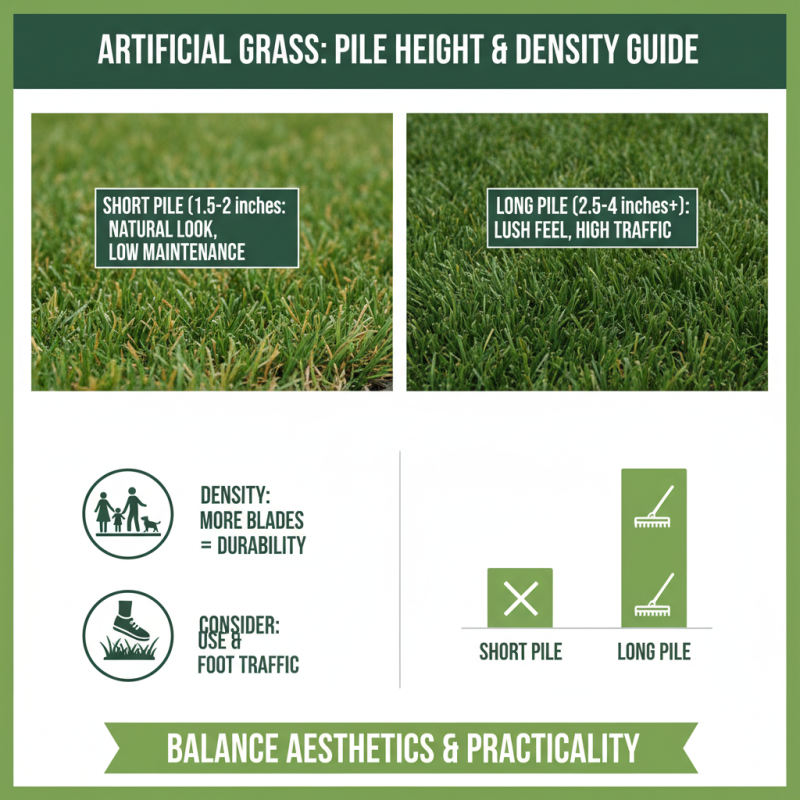
When selecting artificial grass, one of the most critical factors to consider is the pile height and density. Pile height refers to the length of the grass blades, which can significantly influence the appearance and functionality of your lawn. For a natural look, shorter piles are often preferable, typically between 1.5 to 2 inches, as they mimic the appearance of a well-maintained natural lawn. Conversely, longer piles can provide a lush, carpet-like feel, ideal for areas intended for recreational activities or high foot traffic. However, it is essential to balance aesthetics with practicality, as taller grass may require more maintenance to prevent matting.
Density is another crucial aspect when choosing artificial grass. High-density options, featuring a greater number of blades per square foot, not only enhance the visual appeal but also contribute to the durability of the grass. Densely packed fibers can better withstand wear and tear, making them suitable for busy lawns. Additionally, a denser lawn tends to feel softer and more comfortable underfoot, which is particularly important for families with children or pets. It is advisable to evaluate both pile height and density together to ensure that the artificial grass meets both your aesthetic desires and practical needs for your lawn.
Comparing Costs and Installation Options for Artificial Grass Rolls
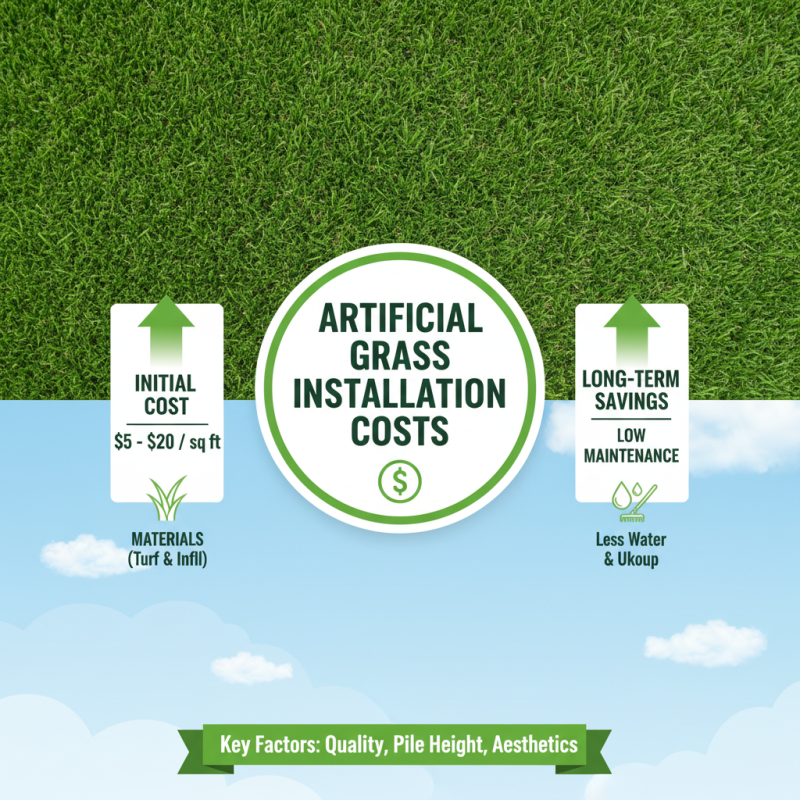
When considering the installation of artificial grass rolls for your lawn, understanding the various costs and installation options is paramount. The initial cost of artificial grass can vary significantly based on factors such as material quality, pile height, and aesthetics. Typically, homeowners should expect to pay between $5 to $20 per square foot, which covers both the turf and the necessary infill materials. Additionally, there are considerations for maintenance over time, although artificial grass generally requires less upkeep than natural grass.
Installation options also play an integral role in your decision-making process. Homeowners can choose between professional installation and DIY projects. Professional installation can ensure a perfect fit and comprehensive drainage solutions, often costing an additional $2 to $8 per square foot. Conversely, a DIY approach may save on costs but requires knowledge of ground preparation and proper laying techniques to avoid future issues such as uneven surfaces or inadequate drainage. It’s essential to factor in labor availability and time commitment when weighing these options against your budget and landscaping plans. By carefully evaluating both costs and installation choices, you can make an informed decision that enhances the beauty and functionality of your outdoor space.