How to Choose and Install Landscaping Artificial Grass?
In recent years, the popularity of Landscaping Artificial Grass has surged. According to a report by MarketsandMarkets, the artificial grass market is expected to grow from $3.4 billion in 2021 to $5.4 billion by 2026. This increase reflects a growing preference for low-maintenance, eco-friendly solutions in landscaping.
Expert landscaper Dr. Emily Carter states, “Choosing the right artificial grass can save homeowners time and money.” It’s crucial to consider factors like material quality, durability, and UV resistance. A poor choice can lead to fading, frequent replacements, or even safety hazards. Many consumers underestimate the importance of proper installation, which can affect both aesthetics and functionality.
The diversity of landscaping options available can be overwhelming. Homeowners need to reflect on their needs and preferences. Factors such as climate, foot traffic, and intended use come into play. These considerations are essential for achieving a successful and long-lasting landscaping solution with artificial grass.
Understanding the Benefits of Artificial Grass for Landscaping
Artificial grass has become increasingly popular for landscaping, providing multiple benefits. One significant advantage is its low maintenance requirement. Homeowners can save up to 80% on water usage since artificial grass does not need regular watering. In fact, according to a study by the Environmental Protection Agency, using synthetic turf can drastically reduce outdoor water consumption. This is beneficial in drought-prone areas, where every drop counts.
Another advantage of artificial grass is its durability. It can withstand heavy foot traffic and extreme weather conditions without fading or deteriorating. Research indicates that high-quality artificial grass can last up to 15 years. This longevity means less frequent replacements, leading to long-term cost savings. However, it is crucial to consider that not all products are equal. Some options may fade more quickly or wear down with heavy use. It requires careful selection to ensure value and performance.
Despite its benefits, some may question the environmental impact of synthetic materials. While artificial grass conserves water, the production process can be energy-intensive. Additionally, disposal at the end of its life-cycle poses challenges. As the market grows, companies are beginning to explore more sustainable options. There's a need for broader awareness and responsible choices in selecting materials for greener solutions.
How to Choose and Install Landscaping Artificial Grass? - Understanding the Benefits of Artificial Grass for Landscaping
| Aspect |
Details |
| Types of Artificial Grass |
Nylon, Polyethylene, Polypropylene |
| Benefits |
Low maintenance, drought-resistant, durable |
| Installation Steps |
1. Measure area
2. Prepare the base
3. Lay the grass
4. Secure & infill |
| Cost Factors |
Material quality, area size, installation complexity |
| Maintenance |
Regular brushing, rinsing, and occasional infill |
| Environmental Impact |
No pesticides, reduced water use, recyclable materials |
| Color Variations |
Various shades of green, seasonal colors |
Factors to Consider When Choosing Artificial Grass
When selecting artificial grass, several key factors must be considered. The pile height is crucial. A taller grass often feels softer and looks more realistic. According to industry reports, an ideal height ranges from 30mm to 40mm for residential lawns. However, shorter grass may be better suited for high-traffic areas.
The material used in artificial grass also impacts durability. Nylon, for example, is known for its strength, while polyethylene offers a more natural look. A study by the Synthetic Turf Council indicates that the longevity of quality artificial grass can exceed 15 years. Yet, not all options are equal. It’s essential to check the UV resistance ratings to prevent fading under the sun.
Additionally, the infill type contributes significantly. Silica sand is common, but some opt for rubber or organic materials. The choice of infill affects drainage and maintenance. Some environmentally friendly options may not perform as well in terms of drainage efficiency. Therefore, it’s important to balance aesthetics, performance, and sustainability when choosing.
Installing artificial grass is a commitment. It requires careful planning and consideration of these factors. Some may rush into decisions without adequate research, leading to regrets later. Keep in mind that improper installation can lead to issues such as uneven surfaces or water pooling.
Step-by-Step Guide to Preparing the Installation Site
Preparing the installation site for landscaping artificial grass requires careful planning.
Start by clearing the area. Remove any weeds, rocks, or debris. This step can be time-consuming but is essential for a smooth surface.
Then, check the drainage. You want to ensure that water flows away from the area. Poor drainage can lead to pooling and damage over time.
Next, level the ground. Use a rake or a shovel to create an even surface. This may take several attempts to get it just right.
An uneven base can create bumps and dips in your artificial lawn. Also, consider adding a base material, like crushed stone.
This helps with drainage and provides stability.
After that, compact the base. You can use a hand tamper or a plate compactor. Ensure the surface is firm, but not too hard.
If you overlook this step, it can affect the grass installation. Lastly, install a perimeter edging to contain the grass.
Leaving this step out might lead to grass shifting over time. Preparation is crucial for a successful installation and a beautiful lawn.
Techniques for Properly Installing Artificial Grass
Installing artificial grass can greatly enhance your landscape. However, proper techniques are crucial to achieving a beautiful and durable lawn. Start by preparing the area; remove any existing grass, weeds, or debris. Ensure the ground is level to avoid water pooling. A good base is key; consider using a mix of crushed stone or sand for optimal drainage.
Once the base is ready, roll out the artificial grass, making sure to lay it in the same direction. Cut the edges precisely, leaving a slight overhang. This step is vital; uneven edges can detract from the overall appearance. Use a quality adhesive or infill to secure the grass in place, but be cautious. Too much adhesive can create a messy look.
After installation, brush the grass to lift the fibers. This can improve its appearance and feel. However, did you use enough infill? Not enough can lead to flattening over time. Walk on the grass to test its resilience. If it feels uneven, consider adding more infill. Every installation has room for improvement. Adjusting techniques based on project specifics can lead to better results.
Artificial Grass Installation Techniques Data
This chart illustrates the average time taken for each step in the installation of artificial grass, providing insights into the landscaping process.
Maintaining Your Artificial Grass for Longevity and Aesthetics
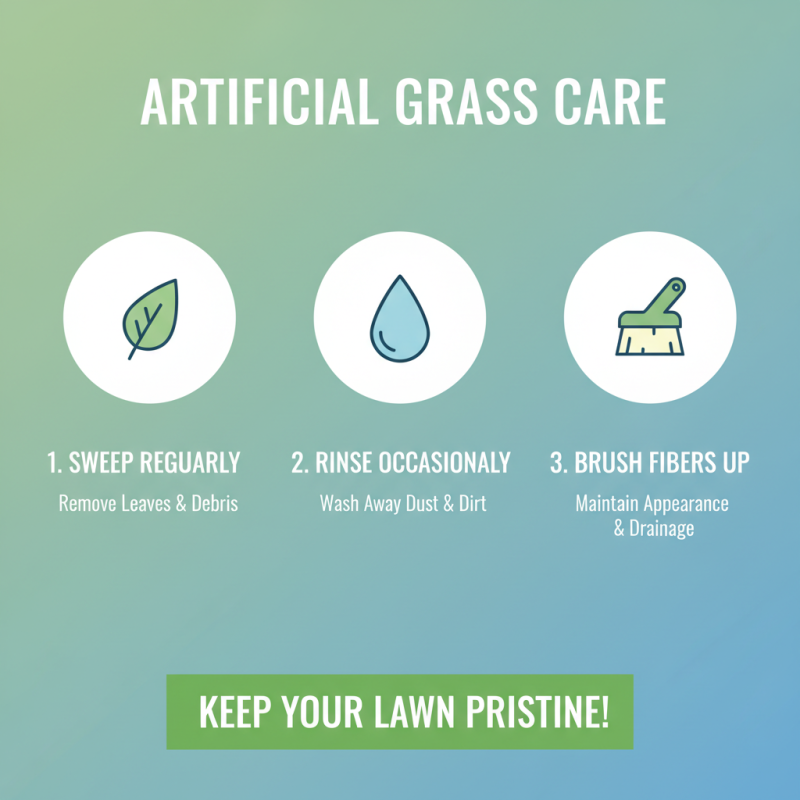
Maintaining artificial grass is crucial for its longevity and visual appeal. Regular maintenance can keep your lawn looking pristine throughout the seasons. A quick sweep to remove leaves and debris is essential. Occasional rinsing with water helps wash away dust and dirt, preventing a dull appearance.
It’s also important to brush the grass fibers. This activity keeps them standing upright and maintains that natural look. Over time, foot traffic can flatten the blades. A simple grooming session can restore their shape. Be mindful that some areas may need more attention due to heavy use.
No maintenance is perfect, and challenges may arise. Stains from pet waste or spills can create unsightly spots. Using a mild detergent can be helpful, but sometimes, these stains won’t fully disappear. It’s a reality many owners face, but it doesn’t define the value of your lawn. Accepting that imperfections exist can help manage expectations and enhance your enjoyment of your artificial grass.