Best Turf Grass for Your Lawn Care Needs?
Choosing the best turf grass for your lawn care needs can be challenging. Many factors influence what type is suitable for your property. Turf grass varies in color, texture, and resilience.
Think about your local climate. Some grasses thrive in hot weather, while others prefer cooler temperatures. Consider how much sunlight your lawn receives. Some turf grasses need full sun, while others can tolerate shade.
Pay attention to your lifestyle too. If you have children or pets, durability is vital. Some grasses withstand heavy foot traffic better than others. Ultimately, a thoughtful choice in turf grass can enhance your lawn's beauty and functionality.
Types of Turf Grass Suitable for Different Climates
When choosing turf grass, climate is key. Different regions require distinct grass types to thrive. For instance, warm-season grasses like Bermuda and Zoysia flourish in southern climates. They enjoy full sun and heat. Studies show these grasses can withstand drought better than others.
In cooler regions, cool-season grasses like Kentucky bluegrass or fescue are ideal. These varieties prefer cooler temperatures and can endure frost. According to turf research, they establish deep roots, which helps in surviving harsh winters.
Tips: Consider your local climate. Research seasonal variations. Soil type matters too. Regular maintenance impacts grass health significantly. Poor soil can weaken your grass, making it more susceptible to pests.
Understanding these factors can help achieve a vibrant lawn. Yet, many overlook soil testing. Healthy soil fosters better grass growth. Without it, a lawn can suffer, leading to increased frustration in lawn care.
Factors to Consider When Choosing Turf Grass for Your Lawn
Choosing the right turf grass for your lawn is crucial. The climate in your area plays a significant role. Some grass types thrive in warm weather, while others prefer cooler conditions. Understanding your local climate can help you make a better choice.
Soil type is another important factor. Different grasses grow best in sandy, clay, or loamy soil. You might need to test your soil to determine its composition. This can be a simple task, but many overlook it. The pH level also matters. Some grasses prefer acidic soils, while others need more alkaline conditions.
Consider the amount of sunlight your lawn receives. Shades can limit growth for some grass types. If your yard is mostly shaded, you might have fewer options. Maintenance is another aspect to reflect on. Some grasses require more water and fertilizer. If you have a busy lifestyle, low-maintenance grass types may be ideal. Reflect on your yard's specific needs for the best results.
Best Turf Grass for Your Lawn Care Needs
| Grass Type |
Climate Suitability |
Maintenance Level |
Sunlight Requirements |
Drought Resistance |
| Kentucky Bluegrass |
Cool Climate |
Moderate |
Full Sun to Partial Shade |
Low |
| Bermudagrass |
Warm Climate |
Low |
Full Sun |
High |
| Fescue |
Transition Zone |
Moderate to High |
Partial Shade to Full Sun |
Moderate |
| Zoysiagrass |
Warm Climate |
Low to Moderate |
Full Sun to Partial Shade |
High |
| Ryegrass |
Cool Climate |
Moderate |
Full Sun |
Low |
Benefits of Cool-Season vs. Warm-Season Grass Varieties
Choosing the right turf grass for your lawn is crucial. Cool-season and warm-season grasses offer different benefits, depending on your climate. Cool-season grasses thrive in northern regions and grow best in spring and fall. They remain green and lush during cooler temperatures. Conversely, warm-season grasses grow best in southern areas, flourishing in the heat of summer.
Consider the climate of your area before selecting grass. If you experience cold winters, cool-season grasses might be more suitable. They need regular watering but are resilient against frost. Warm-season grasses, however, require less water and adapt better to drought. Remember, the right choice can save you time and money on lawn care.
***Tips:*** Always test your soil before planting. This can affect growth and health. Don't forget to mow regularly to encourage thicker growth. Pay attention to any bare patches; they may indicate poor soil health. A little reflection on your lawn's needs can lead to a thriving green space.
Best Turf Grass for Your Lawn Care Needs
This chart compares the average growth rates of various turf grass varieties suitable for lawns. Cool-season grasses like Kentucky Bluegrass and Perennial Ryegrass generally have slower growth rates compared to warm-season varieties like Bermudagrass, which thrives in higher temperatures.
Maintenance Requirements for Popular Turf Grass Types
Choosing the right turf grass for your lawn can significantly impact its health and appearance. Different grass types come with varying maintenance needs. For instance, Kentucky Bluegrass thrives in cooler climates but needs regular watering and fertilization. It establishes slowly, so patience is key during the growth phase.
Tall Fescue offers better drought resistance. It grows well in both sun and shade, making it versatile. However, this type may require more frequent mowing to maintain its appearance. Regular aeration is also beneficial to keep the roots healthy and strong.
**Tip:** Monitor your lawn for signs of stress. Yellow patches often indicate either insufficient water or nutrient deficiency. Adjust your watering schedule based on the weather conditions. Regular soil testing can inform you about nutrient levels.
Another option is Bermudagrass, which loves the sun. While it grows quickly and recovers well from wear, it demands frequent mowing and may struggle in shaded areas. Keep an eye on its growth to avoid overgrowing the boundaries of your lawn.
**Tip:** Mulching grass clippings can return nutrients to the soil. This simple habit can enhance your lawn's health.
Tips for Establishing and Maintaining a Healthy Lawn with Turf Grass
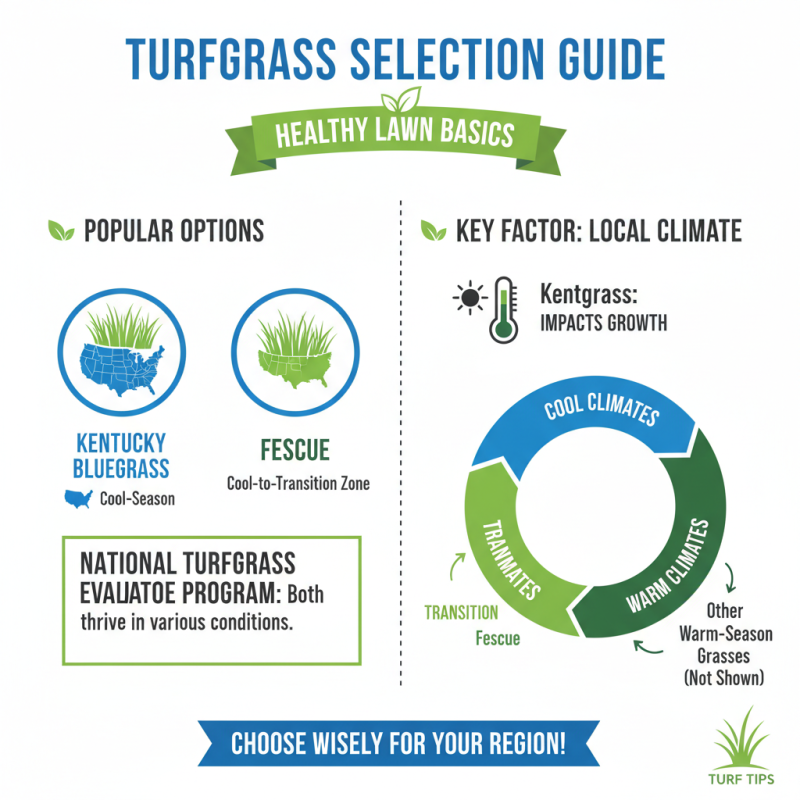
When establishing a healthy lawn, choosing the right turf grass is crucial. Popular options include Kentucky bluegrass and fescue, depending on regional climates. According to the National Turfgrass Evaluation Program, these grasses thrive in various conditions, but local climate impacts growth.
Once you choose your grass, proper maintenance follows. Regular watering is vital, especially in the summer months, with recommendations of 1 to 1.5 inches weekly. Overwatering can lead to root rot, a common issue reported in USDA studies. Aeration helps as it allows for better water and nutrient absorption. Aim for aerating once a year for optimal lawn health.
Keep in mind, weeds will always be a challenge. A recent survey indicates that over 40% of homeowners struggle with weed control. Implementing a pre-emergent herbicide can significantly help. Additionally, consider soil testing. It provides insights on pH levels and nutrient deficiencies. Many homeowners overlook this basic step, which can lead to long-term issues. Balancing your lawn's needs requires ongoing reflection and adjustment.