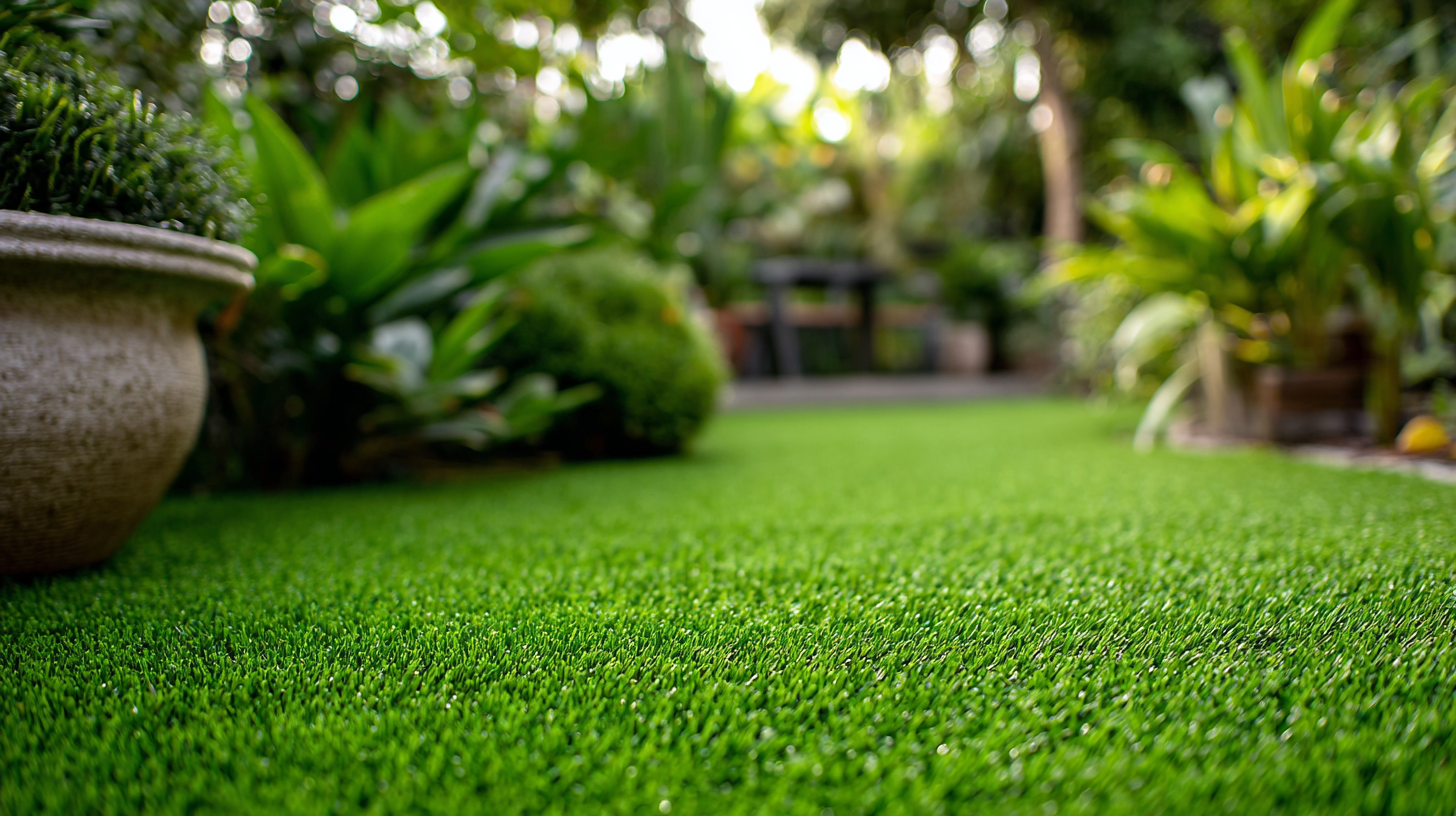
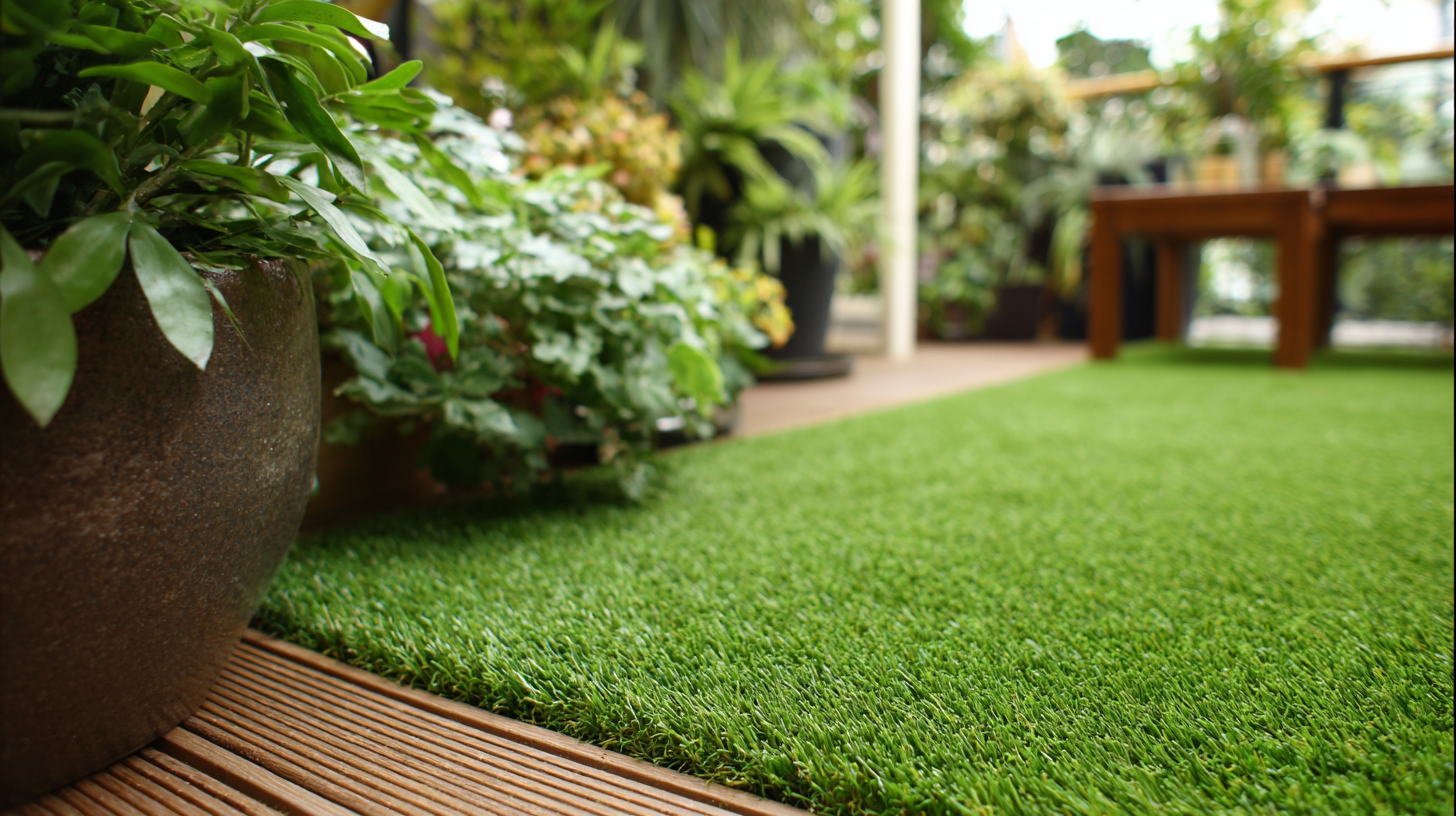
7 Best Plastic Grass Options for Your Outdoor Space
When it comes to transforming your outdoor space into a
vibrant and
low-maintenance paradise, the choice of ground cover is crucial.
Plastic grass has emerged as a popular option for homeowners and landscapers alike due to its
versatility,
durability, and
aesthetic appeal.
With advancements in technology, modern synthetic grasses closely mimic the lush look and feel of
natural lawns while eliminating the need for watering, mowing, and fertilizing. In this blog, we will explore
the seven best plastic grass options available in the market, highlighting
their benefits, ideal uses, and maintenance tips. Whether you are looking to create a cozy backyard retreat,
a lively play area for kids, or a pet-friendly environment, understanding the variety of plastic grass
choices can help you make an informed decision that suits your outdoor needs perfectly.
Selecting the Right Plastic Grass: Key Factors to Consider
When selecting the right plastic grass for your outdoor space, several key factors come into play to ensure you make an informed decision. One of the most significant aspects to consider is the fiber quality. According to a 2022 report by the Synthetic Turf Council, higher-quality fibers not only contribute to better aesthetics but also enhance durability. Options like polyethylene and polypropylene are popular choices due to their resilience and UV resistance, making them suitable for various climates.
Another important consideration is the infill material used in the installation. A recent study published in the Journal of Environmental Management notes that the choice of infill can directly impact the performance and longevity of synthetic grass. Materials such as crumb rubber, silica sand, or organic options like coconut fibers can affect drainage and cushioning. It's also essential to assess the pile height and density, as these characteristics influence not only comfort but also the grass's overall appearance and functionality. By weighing these factors, you can choose the most appropriate plastic grass solution for your specific needs.
Comparing Different Types of Plastic Grass: Pros and Cons
When considering plastic grass for your outdoor space, it’s essential to weigh the pros and cons of different types. One of the most popular options is polyethylene grass, known for its realistic appearance and durability. It offers a soft feel underfoot, making it perfect for family play areas. However, it can be more susceptible to fading in direct sunlight, which could affect its aesthetic appeal over time.
Another option is polypropylene grass, which is generally more affordable but lacks the realism and resilience of polyethylene. It's best suited for low-traffic areas, as it may not withstand heavy use. On the other hand, nylon grass is the most durable choice, ideal for high-traffic zones, such as sports fields. Although it comes with a higher price tag, its ability to maintain structure and color makes it a worthwhile investment for active landscapes.
Each type has its unique qualities, making it important to consider your specific needs and environment before making a decision.
Maintenance Tips for Keeping Your Plastic Grass Looking Fresh
Maintaining the aesthetic appeal of your plastic grass is crucial for creating an inviting outdoor space. Regular maintenance can significantly extend the lifespan of your synthetic turf. Start by removing debris such as leaves, twigs, and dirt; a simple leaf blower or a bristle broom can do the job effectively. Cleaning your synthetic grass periodically will prevent any buildup that can lead to discoloration.
In addition to routine cleaning, it’s important to manage pet waste promptly. Remove droppings immediately, and rinse the area with water to mitigate odors and prevent any potential staining. Occasionally, hosing down the entire area will also help wash away any odors and keep the fibers fresh. For deeper cleaning, a mixture of mild detergent and water can be applied, followed by a thorough rinse to ensure the grass maintains its vibrant color. Regularly checking for any signs of wear or damage will keep your plastic grass looking pristine for years to come.
Realistic Plastic Grass vs. Traditional Turf: Which is Best for You?
When considering outdoor landscaping options, the debate between realistic plastic grass and traditional turf becomes increasingly significant. Proponents of artificial grass often cite its low maintenance and lush appearance year-round, making it an appealing choice for homeowners looking to minimize upkeep costs. According to the latest market report, the global artificial grass market is projected to reach $5.3 billion by 2030, driven largely by rising water conservation efforts. This suggests a growing acceptance of synthetic alternatives, particularly in regions plagued by water scarcity.
However, the environmental implications of fake grass cannot be overlooked. Critics argue that artificial turf can harm soil health, create a breeding ground for bacteria, and contribute to the shedding of microplastics. These concerns are spurring a renewed interest in traditional lawn care methods, which, despite requiring significant water and effort, promote biodiversity and healthier ecosystems. As more homeowners weigh the practicality of artificial grass against its potential environmental risks, the choice will ultimately depend on individual values and environmental considerations, particularly in regions where drought poses critical challenges.
Comparison of Plastic Grass Options vs. Traditional Turf
Eco-Friendly Options: Sustainable Choices in Plastic Grass Solutions
As environmental concerns grow, the demand for eco-friendly plastic grass options is on the rise. Homeowners are increasingly seeking sustainable alternatives that not only enhance their outdoor spaces but also contribute to reducing plastic waste. With advancements in technology, many manufacturers are now offering synthetic turf solutions that are made from recycled materials and are designed to be recyclable themselves. This aligns with global movements aimed at minimizing our reliance on single-use plastics and lessening environmental impact.
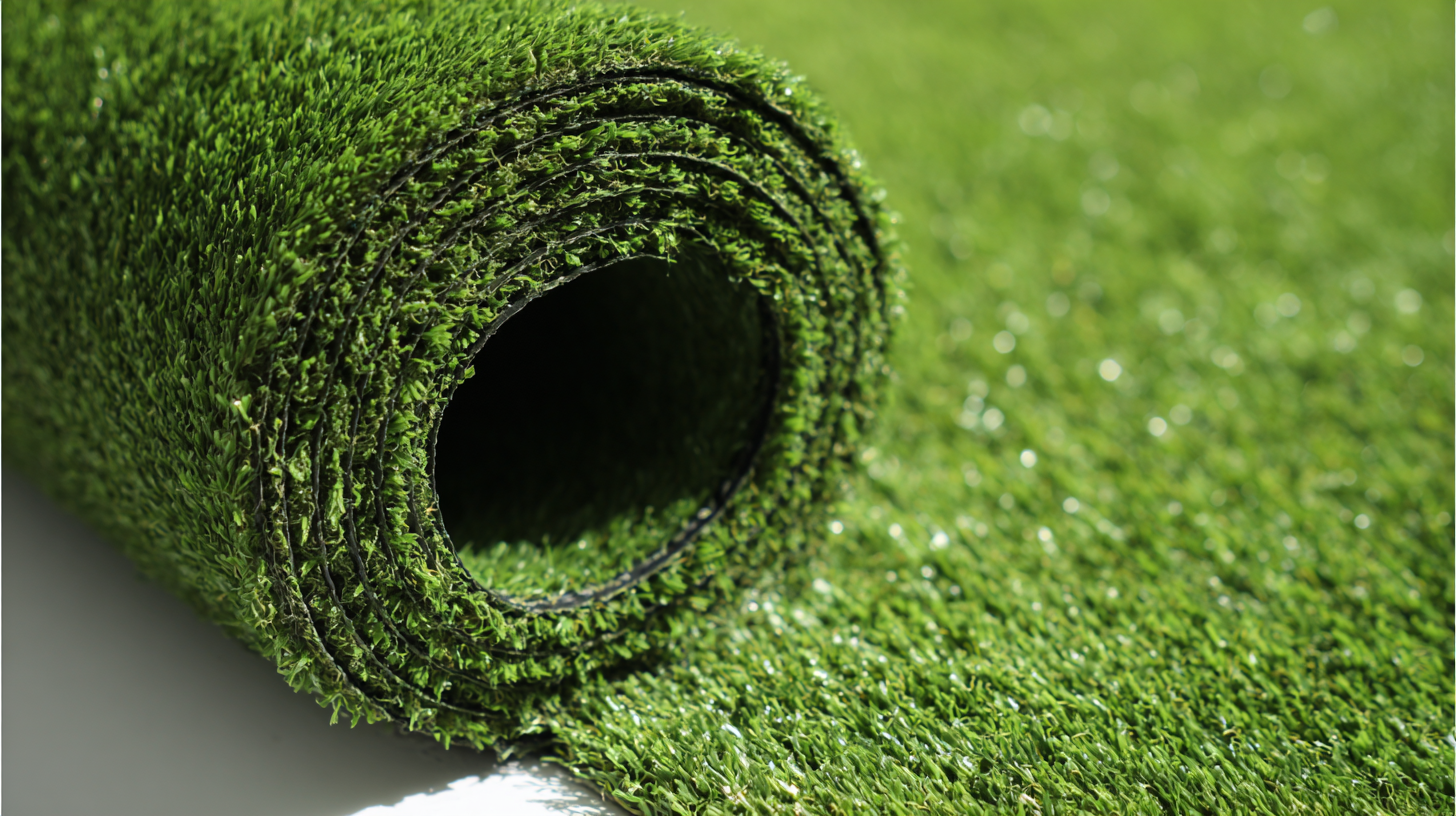
Innovative products and services are helping to pave the way for sustainable landscaping. For instance, recent developments in synthetic turf recycling facilities promise to turn old artificial grass back into reusable materials, thereby creating a closed-loop system. This approach not only limits landfill waste but also creates jobs and boosts local economies. By embracing such eco-friendly options, homeowners can enjoy beautiful, low-maintenance lawns while making conscious choices that benefit the planet. As more people become aware of the positive implications of these sustainable grass solutions, it’s clear that eco-friendly landscaping is not just a trend but a necessary shift in how we think about our outdoor environments.