What Are the Best Green Wall Plants for Indoor Spaces?
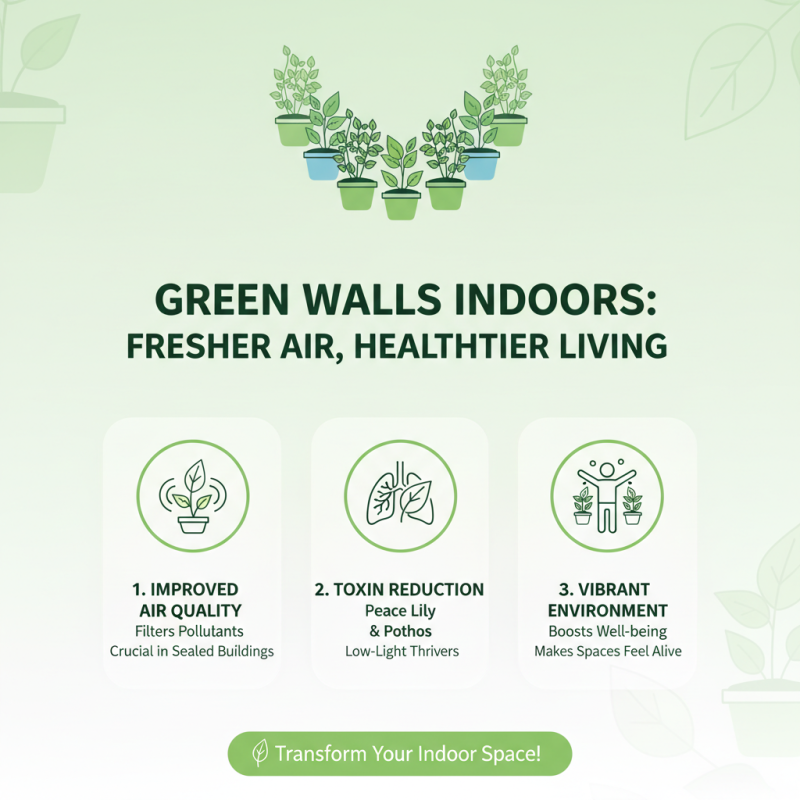
Indoor spaces can significantly benefit from the inclusion of Green Wall Plants. According to James Green, a leading horticulturist and author, "Green Wall Plants transform dull spaces into thriving ecosystems." The choice of plants can elevate aesthetics while improving air quality.
Certain plants are particularly well-suited for indoor green walls. For instance, ferns and small succulents are popular for their resilience and low maintenance. They can effectively adapt to varying light conditions and bring life to any room. Choosing the right combination of plants is crucial. Mix different textures and colors for a vibrant look.
However, creating a successful green wall isn't always easy. It requires thoughtful planning. Potential challenges include humidity levels and proper irrigation. Not every plant will thrive in every space. Consider factors like light exposure and temperature. It’s essential to regularly monitor plant health. Engage with the process and don’t be afraid to experiment. Embracing imperfections can lead to delightful surprises in your green wall journey.
What Defines a Green Wall in Indoor Spaces?
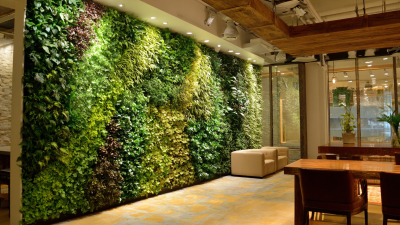
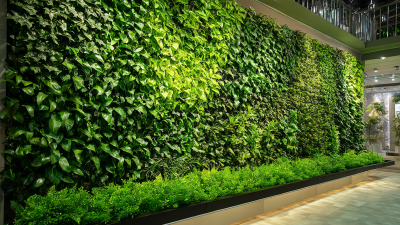
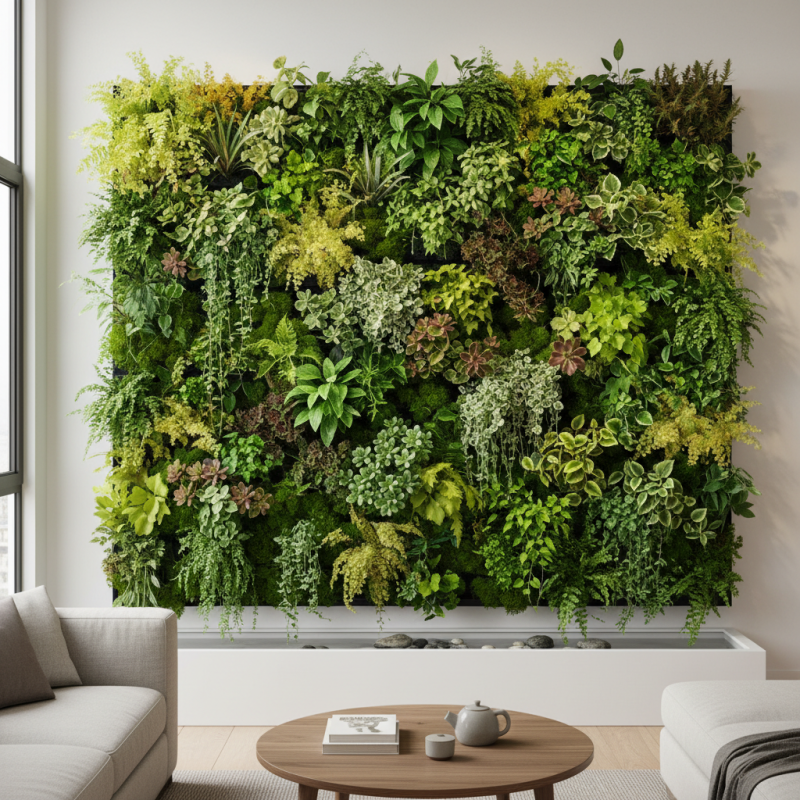
A green wall in indoor spaces is a vertical garden that incorporates various plants. These installations create a lush atmosphere. They not only beautify a room but also enhance air quality. Indoor green walls can vary in size. Some take up entire walls, while others are smaller installations.
When choosing plants for a green wall, consider light conditions and humidity. Some plants thrive in low light, while others need bright spots. Plants like ferns and pothos are popular choices. They adapt well to indoor environments. Pay attention to watering needs. Overwatering can harm plants.
Tips: Create a cohesive look by grouping plants with similar care requirements. Use a mix of foliage sizes and textures for visual interest. Regularly check for pests or diseases. This helps maintain a healthy green wall. Reflect on your plant choices and experiment with different combinations. Not every selection will thrive, and that's okay.
Top Low-Maintenance Plants for Indoor Green Walls
Creating an indoor green wall can transform any space. Choosing low-maintenance plants is crucial for success. Plants like pothos are popular choices. They thrive in indirect light and only need occasional watering. Their vibrant leaves provide a lush look.
Another excellent option is the snake plant. This hardy plant tolerates neglect. It can survive in low light too. With its striking architectural shape, it's visually appealing. Ferns can also be included for their feathery texture. They enjoy humidity and require a bit more care.
While these plants are easy to maintain, challenges can arise. For instance, overwatering can lead to root rot. Monitoring the light levels is essential as well. Some plants may not adapt well to drastic changes. Creating an optimal environment is key to a thriving green wall. Always be prepared for surprises along the way.
Best Climbers and Vines for Indoor Green Walls
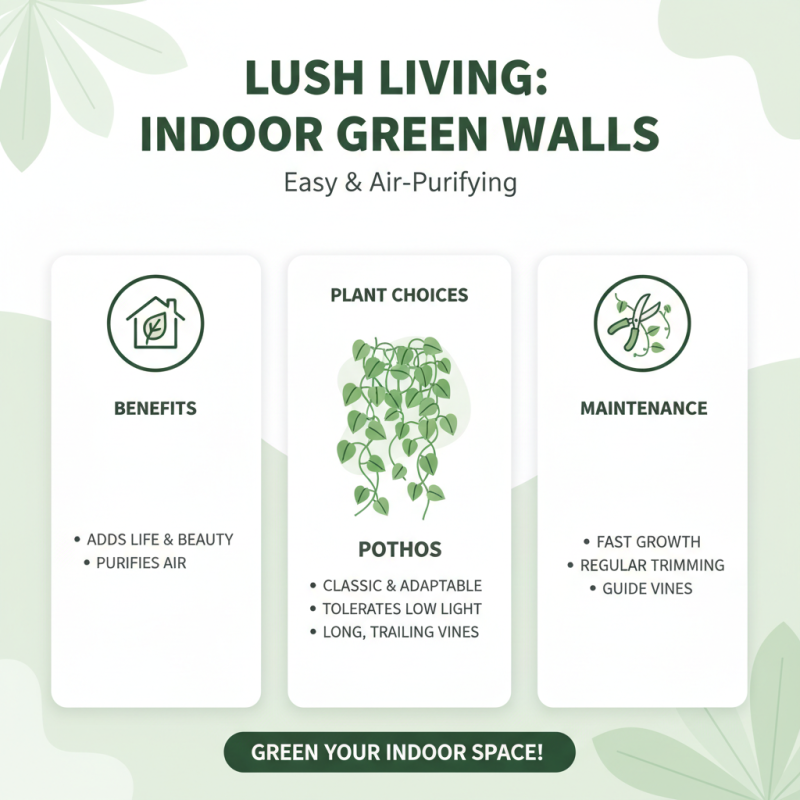
Creating a vibrant indoor green wall is easier with the right climbing plants and vines. These plants not only add life to a space but also purify the air. Consider using pothos, a classic choice that thrives in various lighting. Its trailing vines can stretch dramatically, creating a lush effect. But be mindful, as it can grow quickly and may need regular trimming.
Another great option is the philodendron. It features heart-shaped leaves that can adorn your wall beautifully. While this plant is generally low-maintenance, make sure it gets adequate humidity. Some indoor gardeners struggle with dryness, so using a humidifier can help. This can be a lesson in patience, as acclimating plants to the right conditions takes time.
Don't overlook the advantages of climbing ficus. Its dark green foliage adds a touch of elegance. However, this plant can be finicky. It may drop leaves if it experiences sudden changes in environment. Such challenges remind us that nurturing plants requires care and attention. With the right choices, your indoor green wall can transform any space into a lush haven.
Tips for Creating and Maintaining Indoor Green Walls
Creating and maintaining indoor green walls requires thoughtful planning and care. A study by the National Gardening Association indicates that 35% of indoor plants fail due to improper watering and lighting conditions. Selecting the right plants is essential. Popular choices include pothos, ferns, and peace lilies. These plants are not only resilient but also effective at filtering indoor air pollutants.
Light conditions vary greatly in indoor spaces. Some areas may receive too much sunlight, while others are quite dim. Understanding your space is paramount. Use grow lights if natural light is insufficient. Regularly check moisture levels in the soil. Overwatering can lead to mold and root rot, which is hard to reverse. Aim for well-draining soil to promote healthy plant growth.
Maintenance implies commitment. Dust can quickly accumulate on leaves. This affects photosynthesis, impacting plant health. Wipe leaves gently with a damp cloth weekly. Additionally, pests can be a nuisance. Regularly inspect for signs of infestation. Maintaining a green wall can be rewarding but requires ongoing effort. Embrace trial and error to find the best approach for your unique setup.