Top 10 Benefits of Using Green Grass Wall for Your Space?

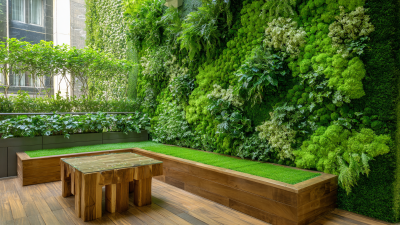
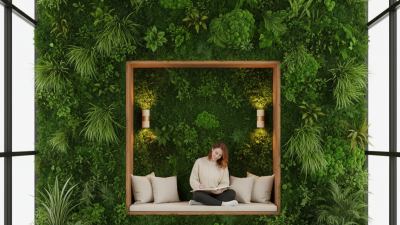
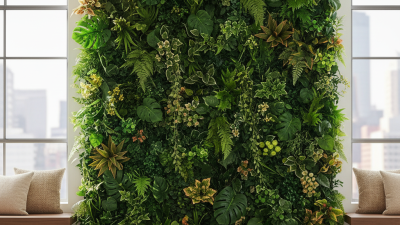
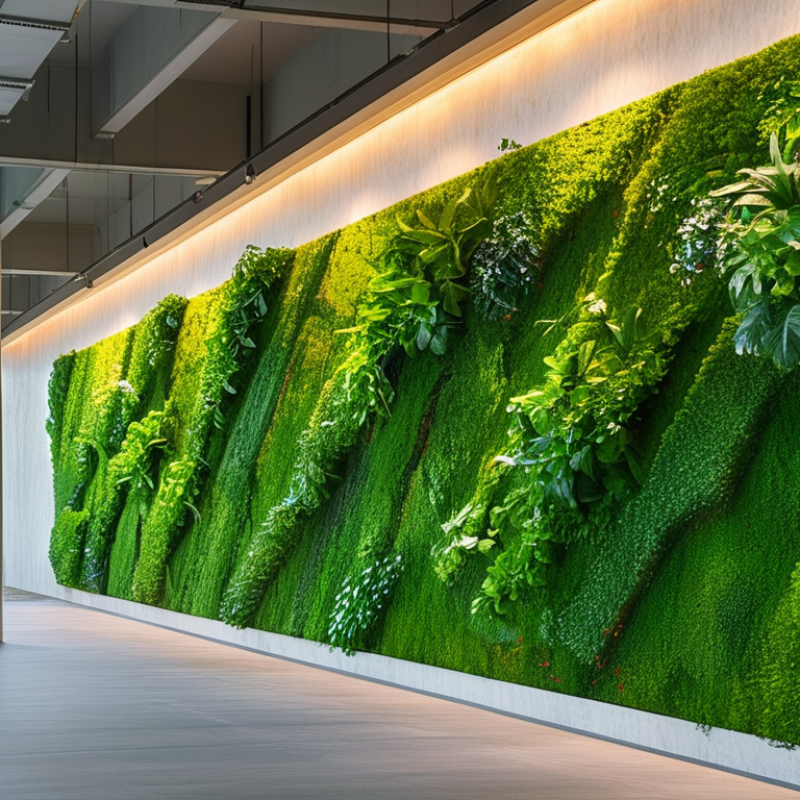
In recent years, the popularity of the Green Grass Wall has surged, transforming spaces into vibrant retreats. This innovative design element combines nature with modern aesthetics, offering a unique appeal. The Green Grass Wall not only enhances interior and exterior spaces but also brings numerous benefits that contribute to well-being.

One key advantage of the Green Grass Wall is its ability to improve air quality. Plants naturally filter toxins, creating a healthier environment. Additionally, they provide a soothing visual effect, reducing stress and enhancing mood. These walls are not just decorative; they serve a functional purpose in urban settings where green spaces are limited.

However, it’s essential to consider maintenance. While the Green Grass Wall can flourish with the right care, neglect can lead to a decline in its benefits. The balance between beauty and upkeep requires attention. Overall, the Green Grass Wall presents an exciting opportunity to enrich spaces, marrying nature's beauty with thoughtful design.
Top 10 Benefits of Using Green Grass Wall for Your Space?

Benefits of Aesthetically Enhancing Spaces with Green Grass Walls

Green grass walls offer a unique way to enhance the aesthetics of various spaces. Studies show that greenery can improve mood and reduce stress levels by up to 60%, making environments more inviting. Additionally, they serve as natural sound barriers, absorbing noise from bustling surroundings. This can foster a peaceful atmosphere in offices or homes alike.

Adding a green grass wall can also promote well-being. Improved air quality is another significant advantage; plants can filter toxins and enhance oxygen levels. According to a report by the Environmental Protection Agency, indoor plants can reduce airborne contaminants by up to 50%. Such spaces are not just visually pleasing; they can also encourage productivity and focus.

Creating an appealing green space requires thoughtful planning. Begin by assessing the light conditions and temperature of your area. Choose the right plants to accentuate your design. Keep the maintenance manageable; a regular care routine will ensure longevity. Sometimes, imperfections can add character, sparking thought and conversation. These elements make each installation unique, fostering a deeper connection with nature and creativity.
Improving Air Quality: How Grass Walls Contribute to Indoor Environment

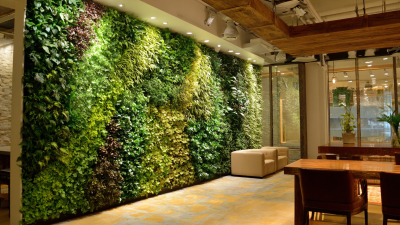
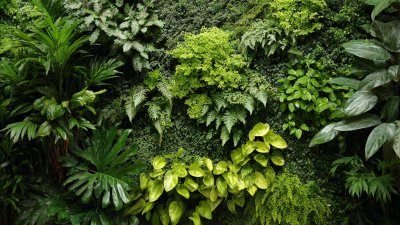
Green grass walls are not just aesthetic additions; they significantly enhance air quality. Research indicates that plants can absorb pollutants and carbon dioxide, releasing oxygen in return. According to a study by the University of Agriculture, indoor plants can reduce airborne toxins by up to 87% over 24 hours. This transformation creates a healthier environment, promoting better overall well-being.

Moreover, grass walls can increase humidity levels. A balanced humidity level can help prevent respiratory issues and dry skin. The American Society of Horticultural Science found that indoor plants can raise humidity levels by as much as 20%. This process not only makes the space feel more comfortable but also supports the immune system. Despite these benefits, the maintenance of these installations requires attention. Without proper care, they can become a source of mold or pests. Regular monitoring and care are essential to ensure their effectiveness.

Incorporating green grass walls into a space provides tangible benefits for air quality. Evidence from various studies highlights their positive impact on indoor environments. However, users need to reflect on their maintenance patterns to fully harness these advantages. Choices regarding plant selection and upkeep matter significantly.

Top 10 Benefits of Using Green Grass Wall for Your Space

Benefit Description Impact on Air Quality
Air Purification Grass walls absorb harmful pollutants and toxins from the air. Reduces levels of VOCs and improves air quality.
Humidity Regulation They help maintain a consistent humidity level indoors. Increases comfort and reduces respiratory issues.
Noise Reduction Grass walls can act as natural sound barriers. Decreases noise pollution in urban environments.
Aesthetic Appeal They enhance the interior decor by adding greenery. Creates a more pleasant and inviting space.
Carbon Dioxide Absorption Grass walls can absorb CO2, contributing to a cleaner environment. Helps mitigate climate change impacts.
Improved Mood Plants are known to enhance mental wellbeing. Promotes a positive atmosphere and reduces stress.
Bacterial Reduction Grass walls can help reduce the presence of harmful bacteria. Enhances overall indoor air quality and health.
Thermal Insulation They provide insulation, reducing energy costs. Helps maintain temperature control indoors.
Allergen Reduction Grass walls can help filter out dust and allergens. Contributes to a healthier indoor environment, especially for allergy sufferers.
Sustainable Design Promotes environmental sustainability through natural elements. Encourages eco-friendly practices in interior design.

Sound Absorption: The Acoustic Advantages of Green Grass Walls

Green grass walls, sometimes known as vertical gardens, provide impressive acoustic advantages. Sound absorption is a pivotal benefit for modern spaces. Research indicates that such green installations can reduce noise levels by up to 40%. This reduction creates a more serene environment, making them ideal for busy office spaces or urban homes.

The unique structure of grass walls traps sound waves. Soft surfaces, like grass and soil, attenuate high-frequency noises. According to the American Society of Interior Designers, incorporating greenery in designs enhances acoustic comfort significantly. In commercial settings, this can translate to increased productivity and reduced stress. A quieter workplace often sees employees thriving and collaborating effectively.

However, it’s worth noting the maintenance involved. Keeping the grass healthy requires effort. Without proper care, the intended sound absorption can decrease. Furthermore, there can be an initial installation cost that may deter some. Yet, the long-term benefits often outweigh these challenges. Embracing green walls requires commitment but can lead to a harmonious atmosphere where both Nature and architecture coexist.

Boosting Well-being: Psychological Benefits of Natural Elements in Interiors

Incorporating a green grass wall into your interior can significantly enhance psychological well-being. Research shows that natural elements, like indoor plants and living walls, can reduce stress and anxiety levels. A study published in the Journal of Environmental Psychology revealed that people exposed to greenery report a 20% decrease in stress. This reduction translates to a calmer environment for work or relaxation.

Moreover, greenery positively impacts concentration and productivity. A report from the University of Exeter found that incorporating biophilic design—using nature in interiors—can lead to a 15% increase in productivity. This isn't just theory; the breathability of natural elements can create a more inviting atmosphere, fostering creativity. Employees in nature-infused spaces often express higher job satisfaction.

However, the benefits can vary. Some individuals might find the presence of plants distracting rather than calming. It's essential to consider personal preferences when integrating these elements. Not everyone shares the same affinity for greenery. Creating the right environment requires thoughtful placement and maintenance of these installations. Ensuring proper light and moisture may be challenging for some. Balancing aesthetics and practicality can often lead to stress rather than relief.

Top 10 Benefits of Using Green Grass Wall for Your Space

This bar chart illustrates the psychological benefits of incorporating green grass walls in interior spaces, focusing on factors that enhance well-being.

Sustainability and Eco-friendliness: The Environmental Impact of Grass Walls

Green grass walls have become a popular trend in creating sustainable spaces. They provide an eco-friendly alternative to traditional wall coverings. Using living plants helps improve air quality by filtering toxins. This natural solution can significantly reduce indoor pollution.

In addition to their environmental benefits, grass walls also support biodiversity. They provide a habitat for various insects and microorganisms. However, maintaining a grass wall requires careful planning and attention. Some people may find it challenging to achieve the right balance of light and moisture. Regular upkeep is essential to keep the plants healthy and vibrant.

Moreover, grass walls can enhance the aesthetic appeal of a space. Their vibrant green color brings life into otherwise dull environments. Yet, in urban settings, finding the right location for such greenery can be complex. Limited sunlight or harsh weather conditions might hinder growth. While the concept is promising, individuals should consider their specific circumstances before installation.