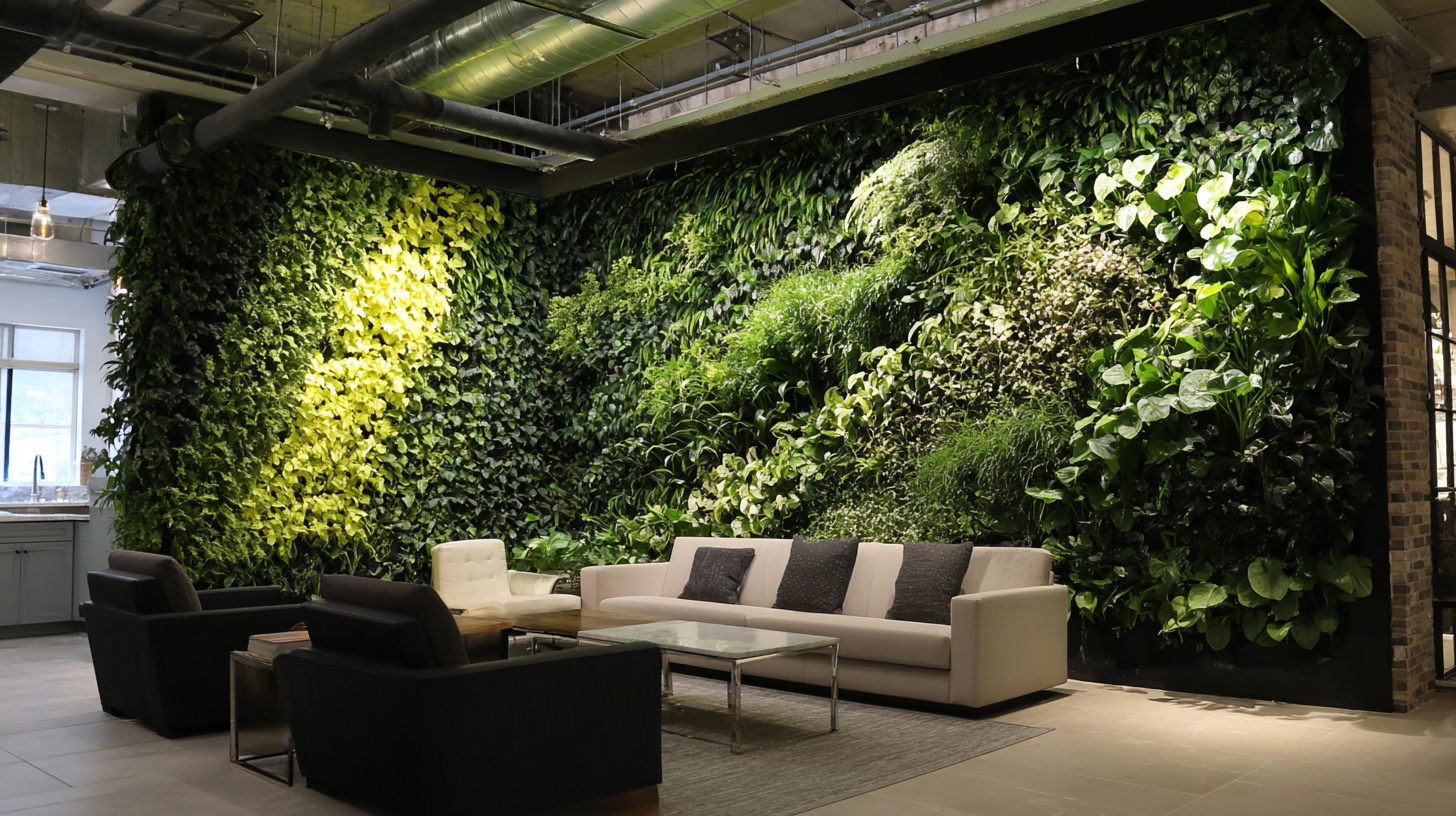
The Benefits of Creating a Plant Wall Hanging for Improved Indoor Air Quality
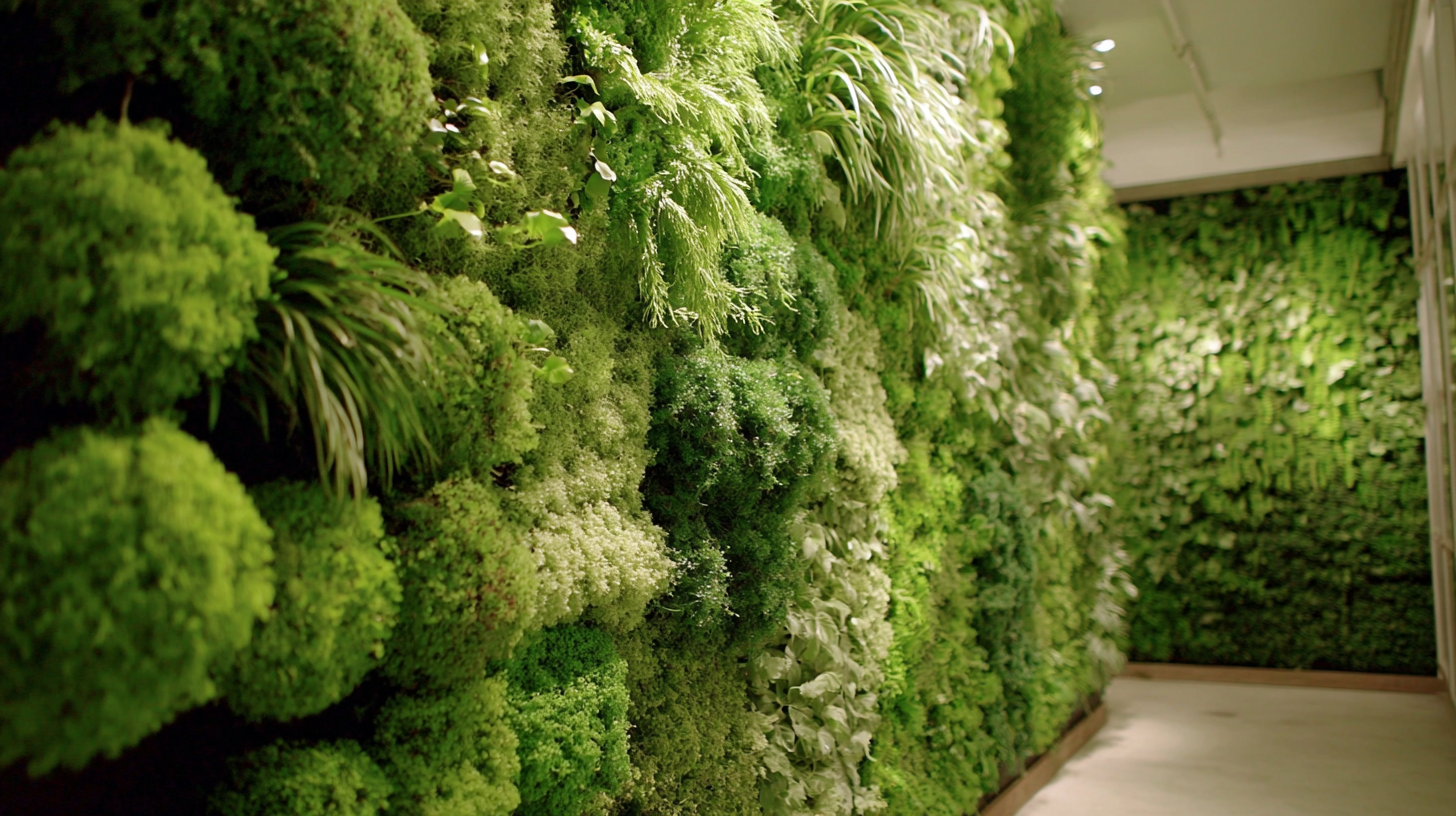
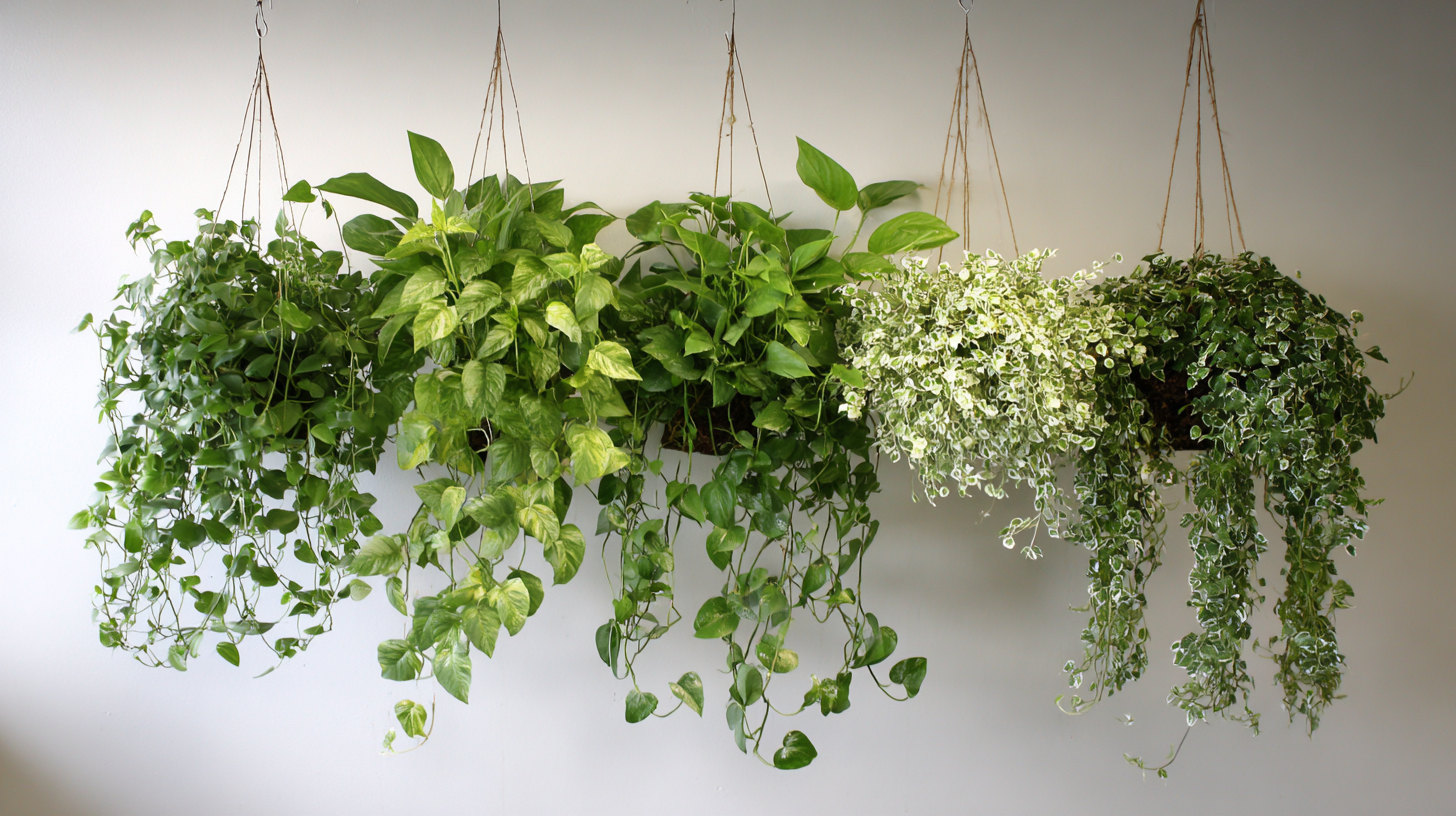 Creating a Plant Wall Hanging is not just a decorative choice; it plays a significant role in enhancing indoor air quality, a concern that has gained paramount importance in recent years. According to a report by NASA's Clean Air Study, certain houseplants can effectively remove up to 87% of indoor air pollutants within 24 hours, demonstrating their potential in creating healthier living environments. Furthermore, the Environmental Protection Agency (EPA) has recognized that indoor air can be two to five times more polluted than outdoor air, making it essential to incorporate natural solutions like Plant Wall Hangings to mitigate these risks. By integrating various plants into a vertical garden, homeowners can harness the power of nature to purify their surroundings, reduce stress levels, and enhance overall well-being. The combination of aesthetics and functionality offered by Plant Wall Hangings thus positions them as an optimal solution for improving indoor air quality while adding a touch of greenery to any space.
Choosing the Right Plants for Your Indoor Wall Hanging
Creating a plant wall hanging can significantly enhance your indoor air quality while also adding a fresh aesthetic to your home. When selecting the right plants for your wall display, consider those that are not only visually appealing but also known for their air-purifying properties. For instance, pothos and snake plants are excellent choices as they thrive in various lighting conditions and are renowned for their ability to filter indoor pollutants.
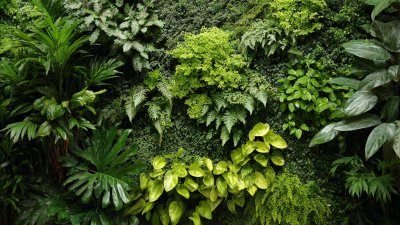
In addition to air quality benefits, it’s essential to choose plants that can adapt well to vertical spaces and different humidity levels. Ferns, for example, can bring a lush feel to your indoor wall, while trailing varieties like string of pearls add unique charm with their cascading stems. Moreover, opting for a mix of plants, including flowering varieties and those with rich foliage, can create a dynamic and colorful display, making your wall a vibrant focal point in your living space.
Designing an Aesthetic Plant Wall That Enhances Your Space
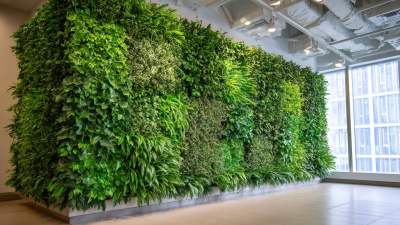
Designing an aesthetic plant wall not only enhances your space visually but also contributes significantly to the overall indoor air quality. Research by NASA has shown that certain houseplants can remove up to 87% of indoor air pollutants over a 24-hour period. Incorporating a variety of plants into a wall hanging allows for a blend of textures and colors that can create a vibrant focal point in any room. Plants such as snake plants, pothos, and peace lilies are excellent choices due to their air-purifying qualities and low maintenance requirements.
To create a successful plant wall, consider the layout and selection of your plants carefully. A balance of trailing and upright plants can add depth and interest to your design. Additionally, using eco-friendly materials for your wall structure not only supports sustainability but also completes the natural aesthetic.
**Tips:** Ensure that each plant receives adequate light according to its needs, and consider using a drip tray to manage excess water. Regularly rotating your plants can help each one grow evenly and keep your wall looking fresh. Finally, don’t hesitate to include additional elements such as decorative pots or fairy lights to further enhance your plant wall’s appeal and functionality.
Essential Tools and Materials for Creating a Plant Wall
Creating a plant wall hanging can significantly enhance your indoor air quality, and assembling the right tools and materials is crucial for a successful project. Start by choosing a sturdy frame or mounting board, which will act as the backbone of your plant wall. Consider using wooden boards or metal grids that can support the weight of the plants and the soil. Additionally, you'll need mesh or felt pockets to hold the plants securely while allowing adequate drainage.
Next, gather your planting materials. Opt for a high-quality potting mix that promotes healthy root systems and provides necessary nutrients. Select a variety of plants that thrive in vertical arrangements, such as succulents, ferns, or air plants, which are known for their air-purifying qualities. Don’t forget essential tools like scissors for trimming, a trowel for planting, and a watering can to keep your plants healthy. With these materials at hand, you’re well on your way to creating a vibrant and functional plant wall that enhances both your indoor space and air quality.
The Benefits of Creating a Plant Wall Hanging for Improved Indoor Air Quality
| Benefit |
Description |
Plants to Consider |
Essential Tools |
| Improved Air Quality |
Plants can absorb toxins and improve indoor air quality. |
Spider Plant, Peace Lily, Snake Plant |
Wall brackets, Container pots, Potting mix |
| Aesthetic Appeal |
A plant wall enhances the visual appeal of a space. |
Ferns, Ivy, Air Plants |
Drill, Level, Measuring tape |
| Mental Well-being |
Plants can reduce stress and promote mental clarity. |
Bamboo Palm, Lavender, Gerbera Daisy |
Watering can, Spray bottle, Gloves |
| Humidity Regulation |
Plants can help maintain moisture levels in the air. |
Boston Fern, Rubber Plant, Pothos |
Soil scoop, Fertilizer, Pruning shears |
Step-by-Step Guide to Assembling Your Indoor Plant Wall
Creating an indoor plant wall is not only aesthetically pleasing but also improves air quality in your home. When assembling your wall, it is crucial to prioritize fire safety, especially in small living spaces. Use fire-resistant materials for your wall mount to minimize any potential risks. Choosing plants that are less flammable ensures that your green oasis remains safe and secure.
Begin by selecting a location that allows for adequate airflow and natural light. Utilize pots with proper drainage to prevent water buildup, which can create hazards. When arranging your plants, consider spacing them appropriately to avoid overcrowding, which could lead to increased flammability. Securely install your shelving or mounting system, ensuring it can withstand the weight of the plants and soil. As you assemble your indoor plant wall, keeping these fire safety measures in mind will allow you to enjoy the benefits of improved indoor air quality without compromising safety.
Maintaining Your Plant Wall for Longevity and Air Quality Benefits
Maintaining a plant wall is crucial for reaping its benefits, including improved indoor air quality and aesthetic appeal. Research shows that plants in interior spaces can significantly reduce airborne pollutants, which contributes positively to health and well-being. For optimal air purification, it is essential to select the right plants. According to experts, varieties such as pothos, snake plants, and peace lilies excel in removing toxins like formaldehyde and benzene from the air, making them ideal choices for living walls.
To ensure the longevity of your plant wall, regular maintenance is necessary. This includes monitoring moisture levels, pruning dead leaves, and providing the right amount of light. Tips for care include using a well-draining soil mix and rotating plants occasionally to ensure even growth. Without proper upkeep, green walls can succumb to decay, as studies indicate that neglect can lead to rapid degradation. Therefore, dedicating time to care routines can transform your living wall into a thriving indoor ecosystem, ultimately enhancing both air quality and visual delight.
The Benefits of Creating a Plant Wall Hanging for Improved Indoor Air Quality
This chart illustrates the impact of various indoor plants on air quality improvement. The data represent the average reduction percentage of common indoor air pollutants when using a plant wall hanging.