What are the Benefits of Green Walls for Urban Environments?
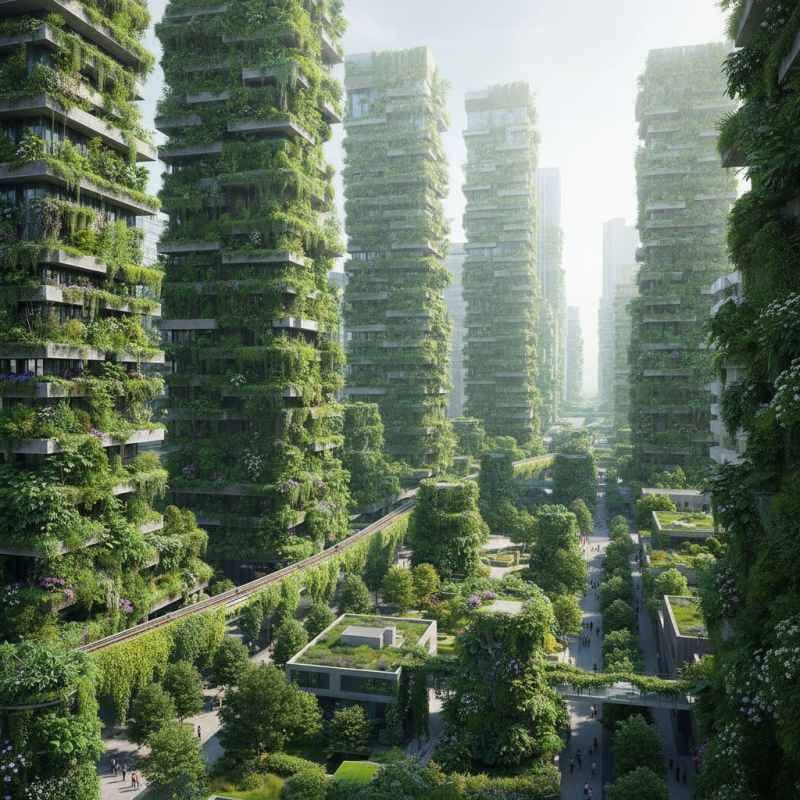
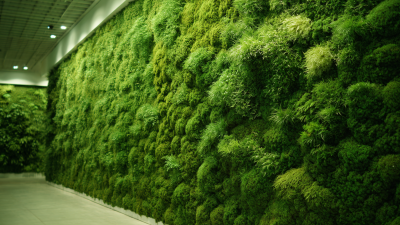
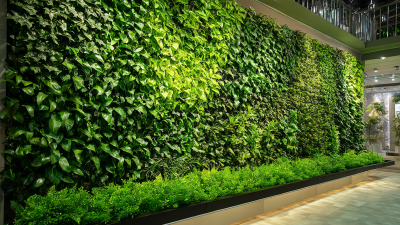
Urban environments face numerous challenges. One innovative solution is the Green Wall. This living system is not just visually appealing; it offers multiple benefits.
Green Walls enhance air quality. Plants absorb carbon dioxide and pollutants, creating cleaner air. They also help reduce urban heat. This cooling effect can lower energy costs for buildings. The presence of greenery can improve mood and mental health, providing a serene escape from city chaos.
However, there are considerations. Installation and maintenance can be costly. Choosing the right plants is crucial for success. Some may require more water than expected. Despite these challenges, the potential benefits of Green Walls are compelling. Cities that embrace this concept can transform their landscapes and improve residents' quality of life.
Benefits of Green Walls for Improving Urban Air Quality and Reducing Pollution
Green walls offer numerous benefits, especially in urban environments. They help improve air quality by absorbing pollutants. Studies show that living walls can reduce levels of nitrogen dioxide by up to 40%. This is crucial in cities, where pollution levels are often high. For instance, plants can capture particulate matter effectively. One square meter of green wall can filter approximately 3.5 kilograms of air pollutants annually.
Moreover, green walls contribute to cooler urban temperatures. During hot days, they can lower air temperatures by 4 to 7 degrees Celsius. This cooling effect is important as urban heat islands can raise energy consumption. According to a report, buildings with green walls can save up to 30% on cooling costs. While these walls provide aesthetic benefits, their functional role cannot be overlooked.
However, the installation of green walls requires careful planning. Not all plants thrive in a vertical environment. There's a need to choose the right species to ensure success. Maintenance can also be a challenge; improper care can lead to plant diseases or pest infestations. Each city has unique conditions that may affect plant growth. These factors need to be considered for green walls to achieve their full potential.
Impact of Green Walls on Urban Biodiversity and Ecosystem Services
Green walls, often called vertical gardens, provide unique benefits to urban ecosystems. These installations can support a variety of plant species. This diversity attracts different pollinators, like bees and butterflies. Their presence boosts local biodiversity significantly, transforming cityscapes into more vibrant habitats.
Urban areas often lack natural green spaces. Green walls can fill this gap, providing habitat for birds and insects. They can also improve air quality, filtering pollutants from the atmosphere. However, the maintenance of these walls is crucial. Neglected walls may become overrun with invasive species, leading to unintended consequences for local wildlife.
While green walls enhance aesthetics, they require thoughtful planning. Selecting native plants can optimize ecological benefits. Still, some may struggle with plant choices that thrive in vertical settings. Balancing beauty, function, and maintenance is complex. Each installation is a chance for learning and improvement. Urban planners must reflect on what works best in their specific environments.
Role of Green Walls in Energy Efficiency and Building Temperature Regulation
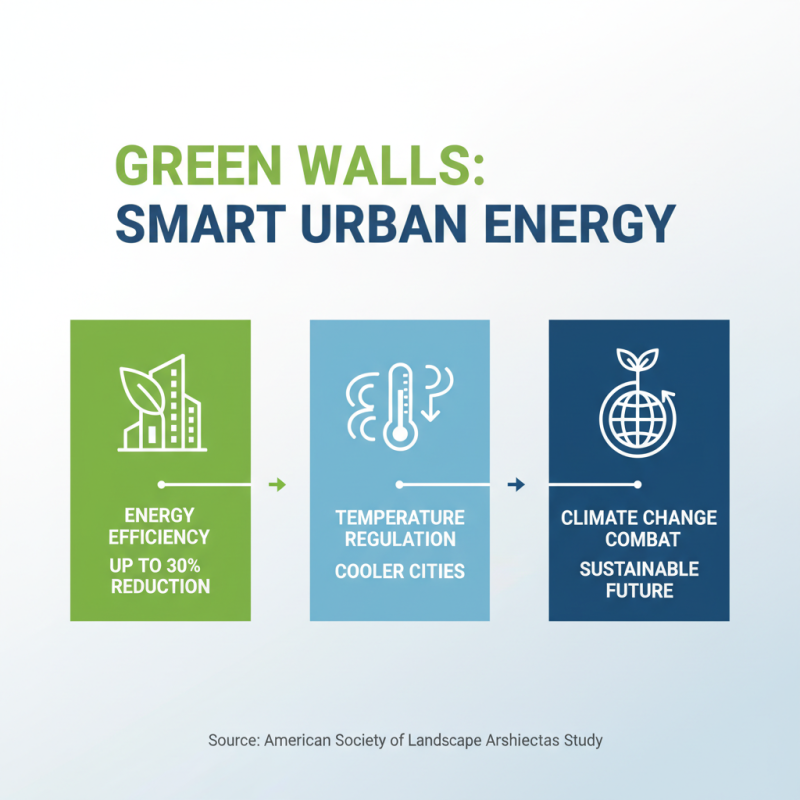
Green walls bring numerous advantages to urban environments, especially regarding energy efficiency and temperature regulation. According to a study by the American Society of Landscape Architects, greenery can reduce building energy consumption by up to 30%. This reduction in energy use is vital as cities seek sustainable solutions to combat climate change.
Green walls work as natural insulators. They help moderate indoor temperatures by providing shade and cooling effects. In summer, the evaporation process from the plants cools the surrounding air. During winter, the wall acts as an additional layer of insulation. A report from the National Institute of Standards and Technology highlights that buildings with green walls maintain an indoor temperature several degrees lower than those without.
However, designing effective green walls is not without its challenges. Maintenance requires planning and resources. Poorly maintained walls may not provide the desired benefits. Furthermore, some plants may not thrive in specific climates, leading to uneven results. Selecting the right species is essential for maximizing energy efficiency and regulating building temperatures effectively. Consequently, understanding local climates and conditions is crucial for successful implementation.
Psychological and Social Benefits of Green Walls in Urban Communities
Green walls, or vertical gardens, thrive in urban settings.
They bring nature back to cities. When people see greenery, they often feel calmer and more relaxed.
This connection to nature can reduce stress. It may also improve mood.
Social spaces are vital in urban environments.
Green walls can transform dull areas into inviting ones. They encourage community interaction.
People gather, chat, and enjoy the fresh atmosphere. Nearby residents may feel a sense of belonging.
However, some worry about maintenance and costs.
In addition, green walls can spark curiosity. They invite people to learn about plants and sustainability.
This interest can lead to environmental awareness.
Yet, not everyone may appreciate their visual impact. Some might see them as clutter.
Balancing aesthetics and functionality can be a challenge in these setups.
Economic Value of Green Walls: Costs, Benefits, and Increased Property Values
Green walls provide more than just visual appeal in urban landscapes. They significantly enhance the economic value of properties. Studies show that buildings with green walls can attract higher rental rates. Tenants often prefer spaces that offer a blend of nature and urban convenience.
A vibrant design can transform a dull facade into an appealing attraction.
The initial costs of installing green walls may be high. Yet, these investments often pay off in the long run. Property values can increase dramatically over time. When neighborhoods adopt green infrastructure, overall demand for properties rises. Additionally, lower energy costs can result from their insulating properties. However, maintenance may be a concern, as plants require care and watering. Ignoring this could lead to an unappealing appearance and decreased property value.
In conclusion, while green walls can create economic benefits, they also require commitment. Property owners must weigh these factors when considering installation. The balance between upfront costs and long-term gains can be complex but worthwhile.