Top 10 Benefits of Green Plant Walls for Home and Office Spaces
In recent years, the concept of "Green Plant Walls" has gained remarkable popularity in both residential and commercial spaces. As urban environments become increasingly congested, these vertical gardens offer a refreshing solution to enhance aesthetic appeal while promoting sustainability. Renowned interior designer and green architecture expert, Dr. Emily Carter, emphasizes the significance of integrating nature into our daily lives, stating, "Green Plant Walls are not just beautiful; they are vital for our emotional well-being and connection to the environment."
The benefits of Green Plant Walls extend far beyond mere decoration. These living installations serve as air purifiers, improving indoor air quality by eliminating toxins and producing oxygen. Moreover, they act as natural insulators, regulating temperature and reducing energy costs in both homes and offices. By incorporating a Green Plant Wall, spaces not only become more inviting but also foster a healthier atmosphere for occupants, ultimately enhancing productivity and overall happiness.
As we explore the top 10 benefits of Green Plant Walls, it becomes clear that their presence can transform any space into a lush sanctuary. By harmonizing nature with our built environments, we can create vibrant settings that support both physical and mental wellness, making them an essential feature for modern living.
Benefits of Green Plant Walls in Enhancing Indoor Air Quality
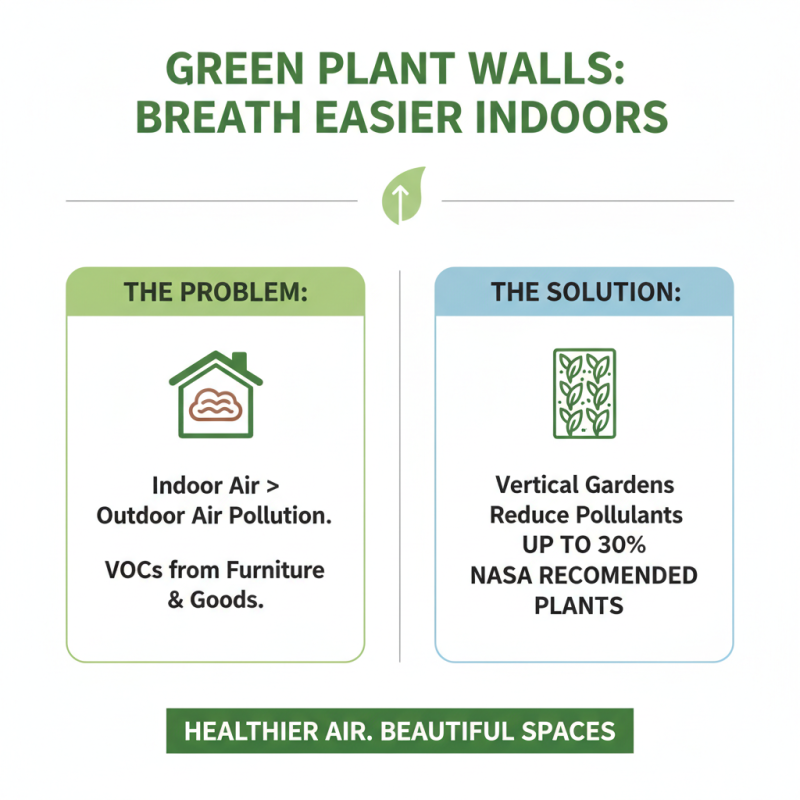
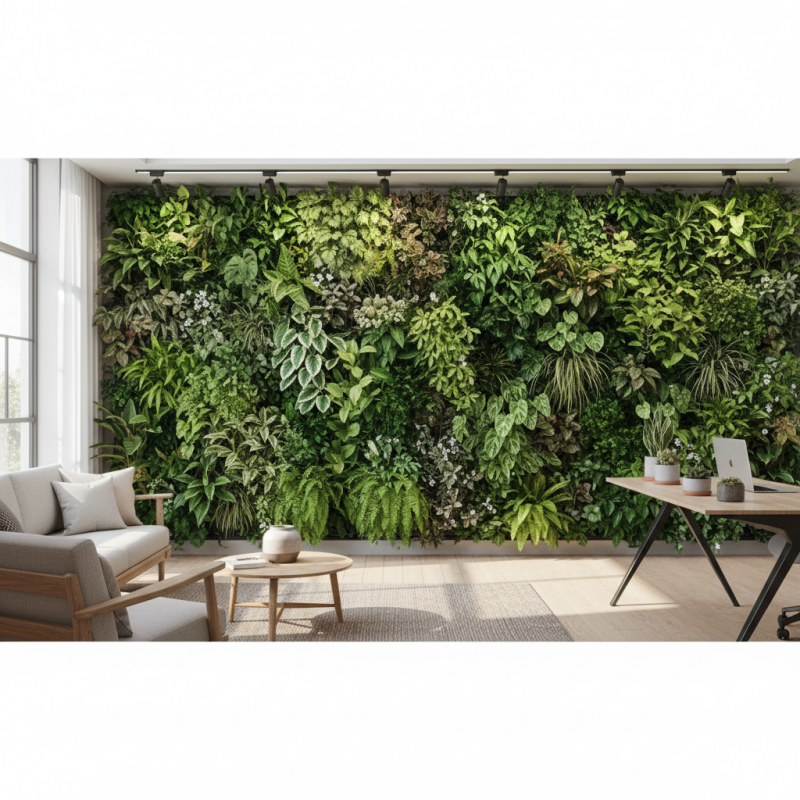
Green plant walls, also known as vertical gardens, have emerged as a popular solution for improving indoor air quality in both residential and office environments. Research indicates that indoor air can often be more polluted than outdoor air, with studies showing that indoor plants can reduce airborne pollutants by up to 30%. Specifically, NASA's Clean Air Study identified several common houseplants that can effectively absorb volatile organic compounds (VOCs), which are often emitted by furniture and household items. By integrating green plant walls, spaces can not only enhance aesthetic appeal but significantly contribute to healthier air.
Tips for incorporating green plant walls include selecting plants that are known for their air-purifying qualities, such as spider plants, peace lilies, and ferns. Ensure that the chosen plants are suitable for the lighting conditions of your space; some require bright light, while others thrive in lower light levels. Additionally, regular maintenance is key—monitor plant health and moisture levels to sustain their air-purifying benefits.
Furthermore, the psychological effects of green plant walls can't be overlooked. Research from the University of Hyogo shows that exposure to greenery indoors can reduce stress levels and enhance overall well-being, indirectly improving air quality. To maximize these benefits, consider placing green plant walls in high-traffic areas like reception spaces or break rooms, where they can be enjoyed by everyone.
How Green Plant Walls Contribute to Aesthetic Appeal in Spaces
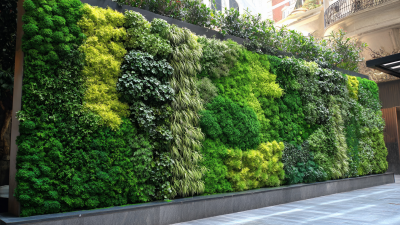
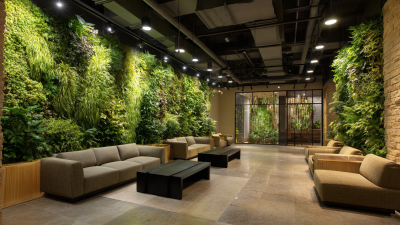
Green plant walls, often referred to as vertical gardens, have gained significant attention in both home and office design due to their aesthetic appeal and numerous benefits. These living walls create a vibrant and refreshing atmosphere, transforming ordinary spaces into lush and inviting environments.
According to a study by the University of Technology Sydney, vertical gardens contribute to enhanced well-being and increased creativity, with individuals reporting a 50% boost in mood and a 30% increase in productivity when surrounded by greenery. This improvement can be attributed to the calming effect that nature has on the human psyche, offering a serene backdrop that promotes relaxation and focus.
In addition to their psychological benefits, green plant walls serve as a striking design element that captures attention and elevates the overall visual appeal of a space. Research from the Journal of Environmental Psychology indicates that incorporating plants into interior design not only enhances aesthetics but also improves perceptions of space quality by up to 40%. This effect is particularly beneficial in office environments, where a well-designed plant wall can make an impactful first impression on clients and foster a productive atmosphere for employees. The versatility of green walls allows for various styles and species to be incorporated, making it easy to tailor the design to match the specific ambiance and branding of any space.
The Role of Green Plant Walls in Improving Mental Health and Well-being
Green plant walls, also known as vertical gardens, have gained significant attention for their aesthetic and environmental benefits. However, their most impactful role may lie in promoting mental health and well-being. A study published in the "Journal of Environmental Psychology" highlights that exposure to greenery can reduce stress and anxiety levels by up to 30%. This is particularly crucial in workplaces where high-pressure environments can lead to burnout and decreased productivity. Incorporating green plant walls into both home and office spaces creates a serene atmosphere, directly contributing to improved mental clarity and focus.
Furthermore, research indicates that interactions with plants have a soothing effect on the mind. According to a report from the Human-Environment Research Laboratory, having greenery in one's environment can significantly enhance mood and emotional well-being, with participants reporting a 54% increase in positive feelings after engaging with plant-related spaces. Besides providing fresh air and supporting biophilic design, green plant walls can serve as a therapeutic outlet, allowing individuals to connect with nature even in urban settings. As more employers recognize the importance of mental health in the workplace, integrating such natural elements becomes an essential strategy for fostering a supportive and healthy environment.
Energy Efficiency and Cost Savings Associated with Plant Walls
Green plant walls, also known as vertical gardens, have gained recognition not only for their aesthetic appeal but also for their significant contributions to energy efficiency and cost savings in both home and office spaces. According to a report by the World Green Building Council, integrating greenery into building designs can lead to a reduction in energy use by up to 30%. This reduction is primarily attributed to the natural insulation properties of plants, which help regulate indoor temperatures. By cooling the surrounding air, plant walls can significantly decrease the need for artificial cooling systems, ultimately leading to lower energy bills.
Moreover, research from the American Society of Landscape Architects indicates that green walls contribute to long-term savings by improving building durability and decreasing maintenance costs. The presence of plant walls can mitigate the heat island effect often seen in urban environments, resulting in a cooler microclimate. This cooling effect not only enhances the comfort of indoor spaces but also supports the longevity of building materials, reducing the frequency of repairs and replacements. In turn, businesses and homeowners can enjoy substantial savings on utility expenses while promoting a healthier indoor environment that enhances productivity and well-being.
Maintenance Considerations for Sustainable Green Plant Walls
When considering the installation of green plant walls in home and office spaces, it’s essential to think about their maintenance to ensure sustainability and longevity. Proper care will not only keep the plants healthy but also enhance the aesthetic appeal of the environment they inhabit. Regular tasks like watering, trimming, and checking for pests are crucial. It’s important to choose plants that are suited for the lighting conditions and climate in your space to minimize care requirements.
Tips: To simplify maintenance, consider using self-watering systems that can help regulate moisture levels. Additionally, selecting hardy, low-maintenance plants like succulents or ferns can reduce the frequency of care needed. Regularly scheduled check-ins to assess plant health can help catch any issues early, contributing to the overall vitality of your green wall.
Another aspect to consider is the nutrition of the plants. Incorporating organic fertilizers into your routine will support growth and resilience. Monitoring the overall environment, including humidity and temperature, can help create optimal conditions for your plant wall. A well-maintained green plant wall not only purifies the air but also fosters a calming atmosphere that can positively impact productivity in office settings or relaxation at home.