Exploring the Benefits of Grass Turf for Sustainable Outdoor Living Spaces
In recent years, the demand for sustainable outdoor living spaces has surged, driven by a growing awareness of environmental issues and a desire for eco-friendly landscaping solutions. One of the most effective options gaining popularity is "Grass Turf," which not only enhances the aesthetic appeal of outdoor areas but also offers several ecological benefits. According to a report by the Environmental Protection Agency, natural grass contributes to carbon sequestration and can improve air quality by filtering pollutants from the atmosphere.
Additionally, a study from the American Society of Landscape Architects indicates that using grass turf can reduce water runoff by up to 60%, promoting better water management and conservation efforts. With its ability to create lush, green spaces while encouraging biodiversity, Grass Turf stands out as a superior choice for both homeowners and landscapers committed to sustainable practices.
Benefits of Grass Turf for Eco-Friendly Outdoor Living Spaces
Grass turf offers numerous eco-friendly benefits that enhance outdoor living spaces. One significant advantage is its ability to improve air quality by absorbing carbon dioxide and releasing oxygen, which helps combat air pollution. This natural process contributes to a healthier environment for both humans and wildlife, making grass turf a perfect choice for sustainable living. Furthermore, turf provides natural insulation, reducing energy costs for homes by maintaining cooler temperatures in the summer and warmth during the winter months.
Another vital aspect of grass turf is its role in water conservation. Unlike traditional lawns that often require extensive irrigation, many modern grass turf options are designed to be drought-resistant. This feature not only saves water but also minimizes runoff, allowing for better groundwater recharge. In addition, using grass turf can reduce the urban heat island effect, as it keeps outdoor areas cooler than concrete or other hardscapes. By choosing grass turf, homeowners create beautiful, functional outdoor spaces that align with eco-friendly practices and promote sustainability.
Health and Wellness Advantages of Natural Grass Turf
Natural grass turf offers significant health and wellness advantages that contribute to a sustainable outdoor living space. Notably, walking barefoot on grass, often referred to as "grounding", can enhance physical well-being. Research highlights that this simple act can reduce inflammation, balance the body's electrical charges, and promote a sense of calm. The sensory experience of feeling cool grass beneath our feet not only connects us with nature but also encourages outdoor activity, fostering better physical fitness and mental health.
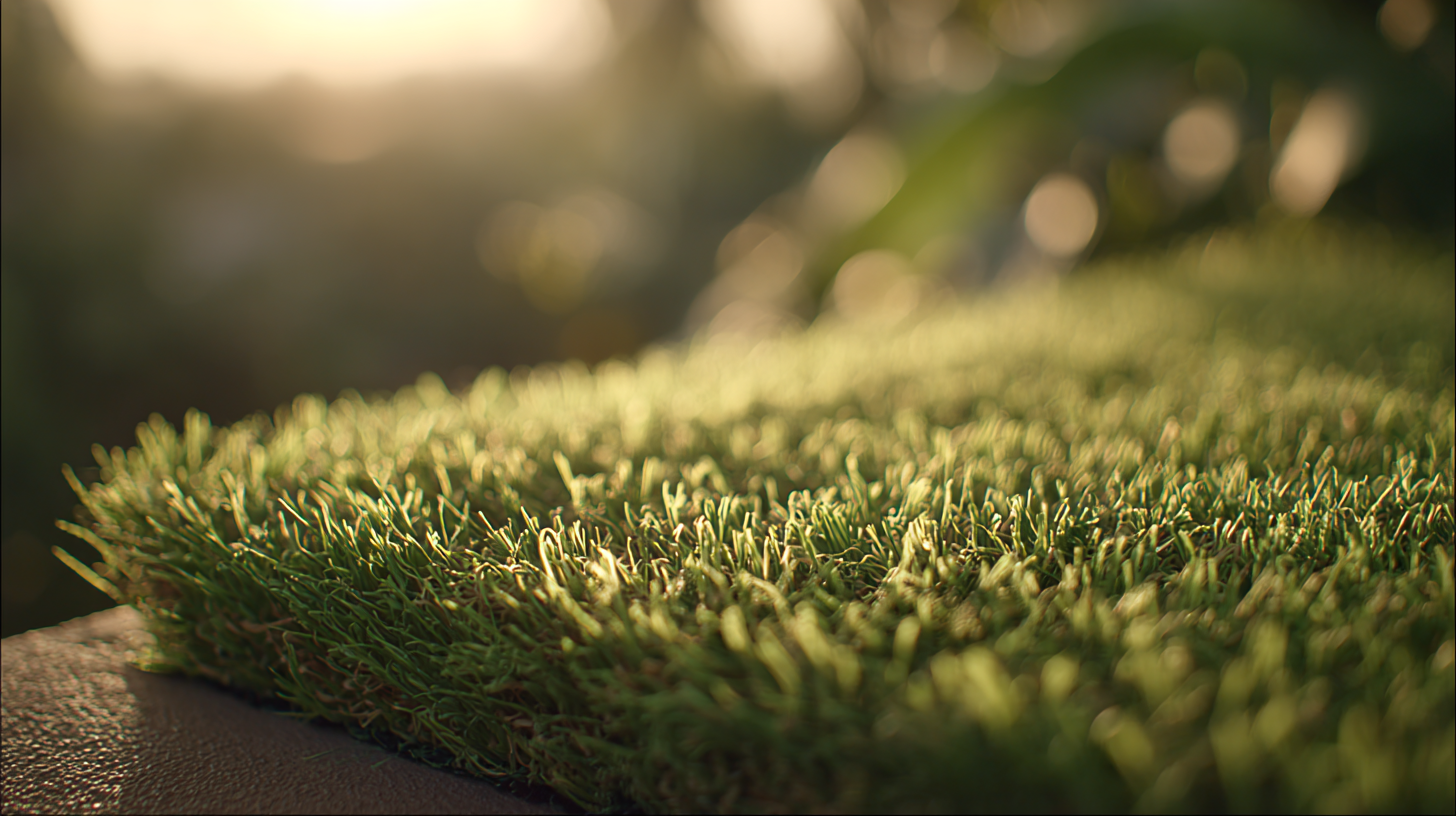
In addition, the maintenance of natural grass can support biodiversity while alleviating some physical labor associated with yard care. For example, adopting a more eco-friendly lawn care approach, such as letting areas bloom naturally, minimizes the need for intensive maintenance and chemical treatments. This shift can lead to healthier outdoor environments, ultimately benefiting local ecosystems and enhancing personal well-being through reduced exposure to harmful substances. Embracing natural grass turf transforms not just the aesthetic of outdoor spaces but also enhances the quality of life for those who enjoy them.
Cost-Effectiveness of Grass Turf in Sustainable Landscape Design
Grass turf is increasingly recognized not only for its aesthetic appeal but also for its cost-effectiveness in sustainable landscape design. When evaluating outdoor living spaces, grass turf provides a long-lasting solution that requires less maintenance compared to traditional landscaping. Once established, it reduces the need for frequent watering, mowing, and chemical treatments, which translates into lower long-term costs for homeowners.
Tips: When selecting grass turf, consider native grass varieties that are well adapted to the local climate. These varieties typically require less water and are more resilient against pests, leading to further savings. Additionally, incorporating drought-resistant plants and proper irrigation systems can enhance the overall sustainability of your outdoor space.
Moreover, investing in grass turf can enhance property value. A well-maintained grassy area not only provides aesthetic appeal but also invites outdoor activities, contributing to a healthier lifestyle. As more homeowners prioritize sustainable practices, the demand for grass turf in landscape designs continues to grow, making it a worthwhile investment for both enjoyment and environmental impact.
Tips: Regularly aerating your turf and applying organic fertilizers can improve soil health and turf longevity. This practice not only keeps costs down but contributes to a greener environment by minimizing chemical usage.
Durability and Low Maintenance of Grass Turf for Outdoor Areas
Grass turf offers an exceptional solution for outdoor living spaces, particularly when it comes to durability and low maintenance. Unlike natural grass, which requires regular mowing, watering, and fertilization, grass turf minimizes these demands significantly. With advances in technology, modern turf is designed to withstand various weather conditions, ensuring a consistently vibrant appearance throughout the year. This resilience makes it an ideal choice for families and businesses looking to maintain an inviting outdoor area without the hassle.
Additionally, the low maintenance aspect of grass turf not only saves time and labor but also contributes to environmental sustainability. The absence of chemical fertilizers and pesticides reduces the ecological footprint, promoting a healthier outdoor ecosystem. Homeowners can enjoy their outdoor spaces, knowing that they are making a responsible choice while benefiting from the lush, green aesthetics that turf provides. The investment in grass turf ultimately enhances any outdoor area, creating a functional yet beautiful space for relaxation and recreation.
Enhancing Aesthetic Appeal with Grass Turf in Outdoor Spaces
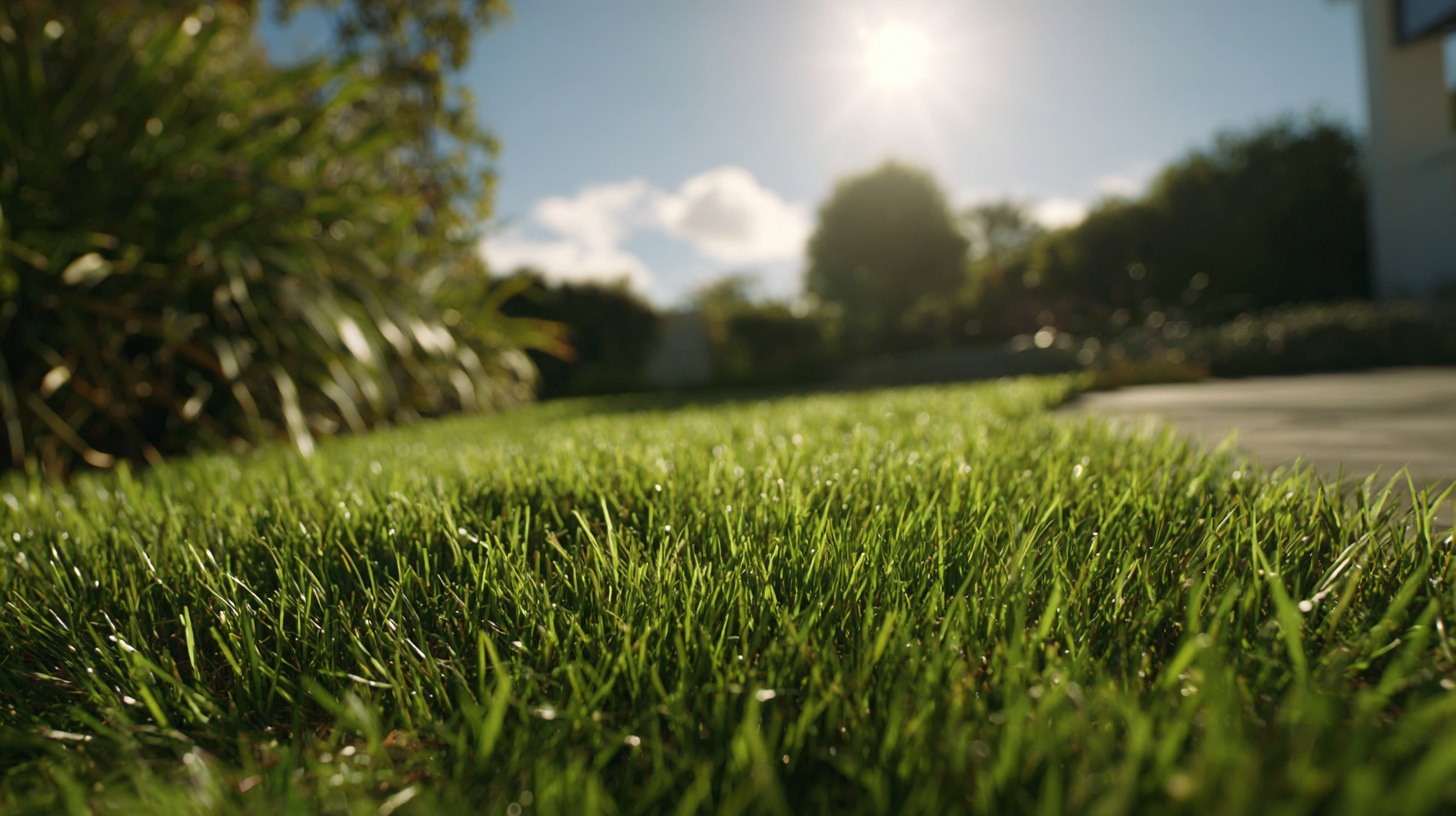
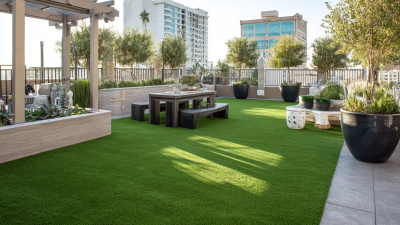
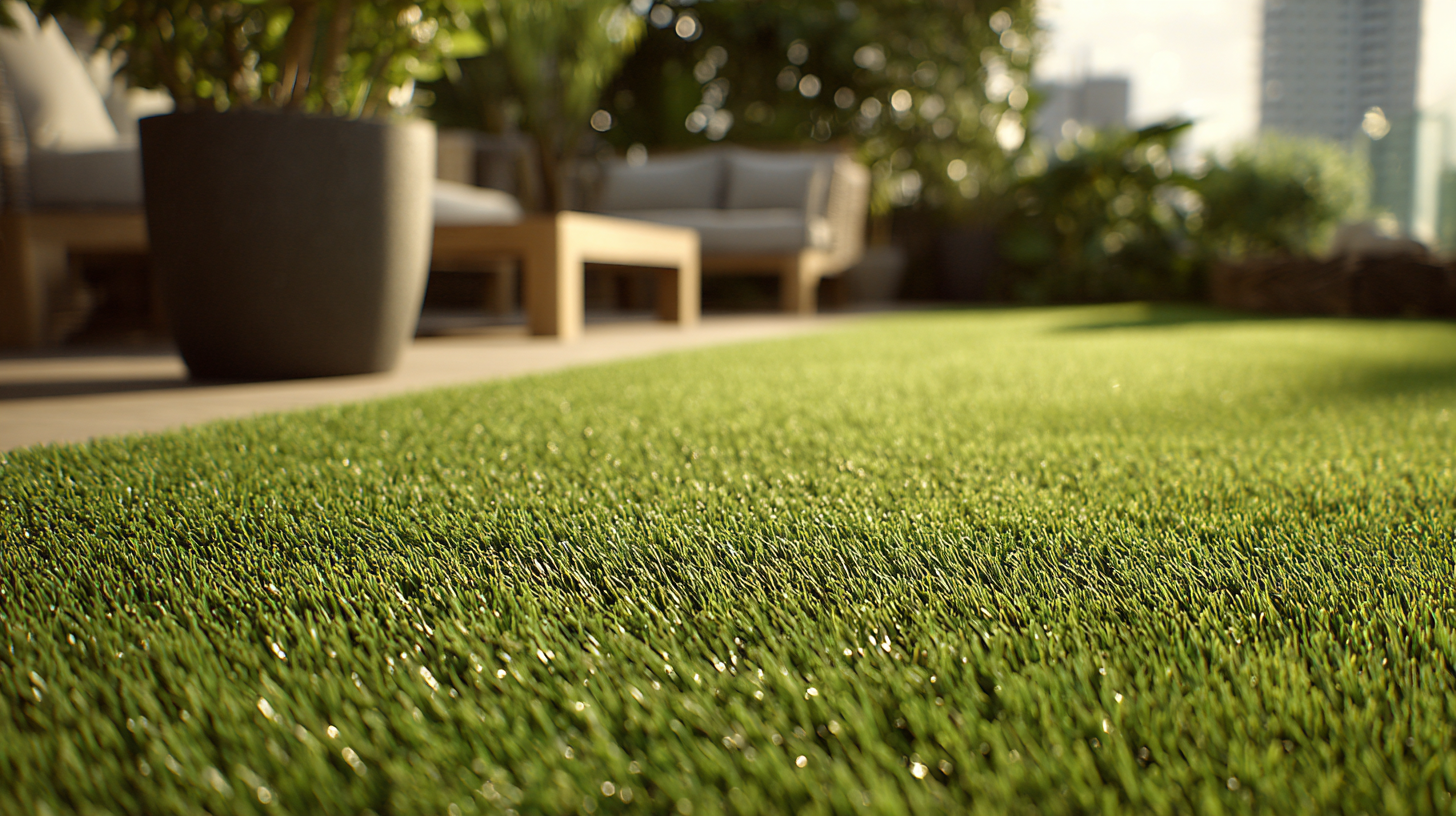
Grass turf has emerged as a popular choice for creating visually appealing outdoor living spaces. Its vibrant green color and lush texture instantly enhance the aesthetic value of gardens, patios, and landscapes. Unlike natural grass, which can be patchy and require constant maintenance, grass turf provides a consistently beautiful and uniform appearance throughout the year. This not only elevates the overall look of outdoor areas but also significantly complements architectural features and nearby flora.
Moreover, the application of grass turf contributes to a more inviting atmosphere for gatherings and recreational activities. Its softness underfoot makes it ideal for children and pets, encouraging outdoor play and interaction. Enhanced with appropriate landscaping elements like flowers, shrubs, and decorative stones, grass turf can transform any outdoor area into a serene oasis that reflects personal style and fosters relaxation. By prioritizing aesthetic appeal through grass turf, homeowners can create harmonious spaces that blend nature with functionality, promoting a sustainable and enjoyable outdoor lifestyle.
Exploring the Benefits of Grass Turf for Sustainable Outdoor Living Spaces
| Benefit Category |
Details |
| Aesthetic Appeal |
Grass turf enhances the visual attractiveness of outdoor spaces, creating a lush and inviting environment. |
| Sustainability |
Grass turf contributes to sustainability by reducing water usage and promoting biodiversity. |
| Low Maintenance |
Requires less maintenance than natural grass, reducing time and resources needed for upkeep. |
| Durability |
Highly durable and can withstand heavy foot traffic, making it ideal for high-use areas. |
| Safety |
Provides a soft surface that reduces the risk of injuries from falls, making it suitable for children and pets. |
| Environmental Benefits |
Helps in carbon sequestration and reduces heat island effect, contributing positively to urban environments. |