Top 10 Benefits of Artificial Soccer Grass for Your Field?
Artificial Soccer Grass has emerged as a game-changer in sports turf management. According to a report by the International Soccer Federation, grass fields require extensive maintenance, consuming about 1.5 million gallons of water per field annually. This high maintenance can be a burden for clubs, particularly in drought-prone areas. In contrast, Artificial Soccer Grass offers a sustainable solution. It significantly reduces water usage and eliminates the need for chemical fertilizers.
The durability of Artificial Soccer Grass is another key advantage. Studies show that these fields can withstand heavy use, often lasting 10 to 15 years, depending on the quality. This longevity means fewer replacements and lower long-term costs for clubs and schools. However, concerns remain around player safety. It's important to select high-quality materials that minimize injury risks. Ongoing research is essential for addressing these issues, ensuring player safety while enjoying the benefits of artificial surfaces.
Moreover, the aesthetic appeal of Artificial Soccer Grass is noteworthy. Fields maintain a lush, green look year-round, enhancing the overall experience for players and fans. But the transition from natural grass to artificial surfaces can invoke skepticism among traditionalists. Balancing performance and tradition remains a challenge for many clubs. Despite some drawbacks, the advantages of Artificial Soccer Grass can outweigh the concerns, making it a viable option for the future of soccer fields.
Benefits of Artificial Soccer Grass for Enhanced Field Durability
Artificial soccer grass has gained popularity for its remarkable durability. Unlike natural grass, it withstands heavy foot traffic. Fields remain playable year-round, even in adverse weather. Players can enjoy consistent play surfaces. This reduces maintenance time and costs significantly.
Another advantage is the reduced risk of injuries. With artificial turf, players face fewer instances of slipping or uneven surfaces. Fields maintain their integrity regardless of weather conditions. Additionally, it prevents mud and water accumulation. This stability contributes to enhanced player performance and safety.
While the initial installation cost might be higher, the long-term benefits are substantial. There are fewer resources required for upkeep. Coaches can schedule more games without worrying about grass recovery. This can lead to a more competitive environment. However, one must consider the environmental impact. Reflecting on how we balance these factors is essential.
Cost Savings Analysis: Artificial Grass vs. Natural Grass Maintenance
The transition from natural grass to artificial soccer grass can yield significant cost savings. For instance, natural grass requires regular watering, fertilizing, and mowing. These routine tasks can be time-consuming and costly over time. In contrast, artificial grass needs minimal maintenance. It does not require mowing or watering, which can translate into lower utility bills and fewer labor costs.
Despite the initial investment in artificial turf, the long-term savings can be substantial. Studies indicate that while natural grass can cost thousands annually in upkeep, high-quality artificial turf often pays for itself within a few years. However, there are considerations to reflect upon. The lifespan of artificial turf can fluctuate based on usage and environmental factors. Some fields may wear down faster than expected. Additionally, synthetic grass can get quite hot in warm weather, potentially impacting gameplay.
Furthermore, the choice between the two isn't purely financial. Some people argue that natural grass provides a more authentic playing experience. Players might prefer the feel of natural grass underfoot. It's essential to weigh these factors when making your decision. Ultimately, both options have their merits. Each provides unique benefits and challenges that should be thoughtfully considered.
Improved Player Performance on Artificial Turf: Studies and Statistics
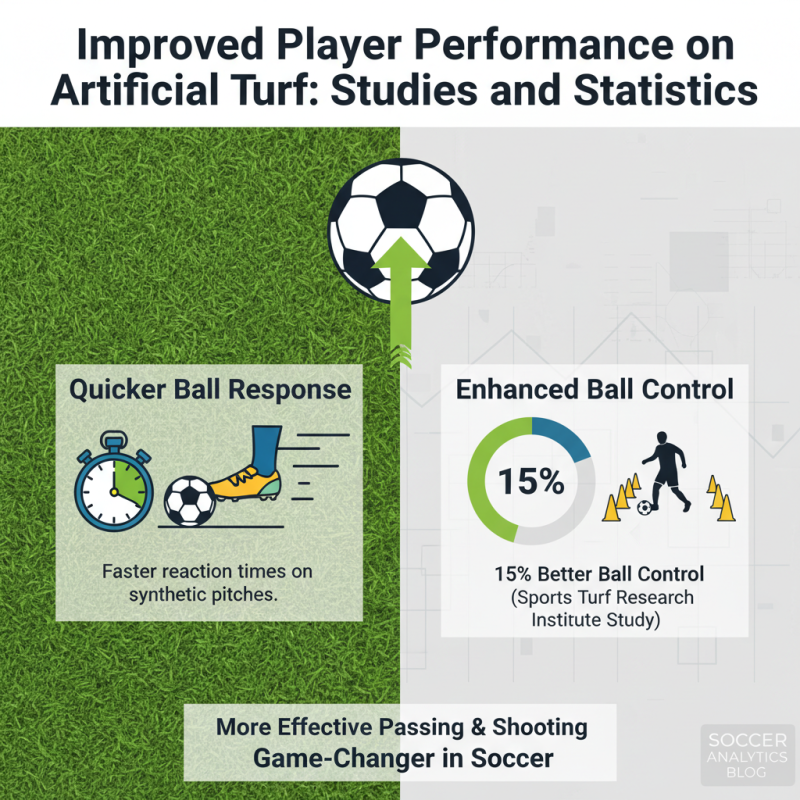
Artificial turf has become a game-changer in soccer, boosting player performance. Research indicates that players on artificial grass experience quicker ball response times. A study by the Sports Turf Research Institute found that players improved their ball control by 15% on synthetic fields compared to natural grass. This increase in control can lead to more effective passing and shooting during matches.
In addition, reduced injury rates are crucial for enhancing player performance. A 2019 report published in the Journal of Sports Medicine highlighted that injuries on artificial surfaces were 20% less frequent. Injuries can sideline athletes for weeks, impacting team dynamics and individual careers. With safer surfaces, players can push their limits without fear of injury, potentially improving their overall performance.
However, the debate continues on player comfort and the risk of overheating on artificial surfaces. Some athletes report discomfort during hot weather. Maintaining consistent field temperatures is a challenge. Player feedback is essential for creating optimal playing conditions on artificial turf. Balancing the benefits with potential drawbacks requires continuous improvement in technology and infrastructure.
Environmental Impact: Water Conservation and Sustainability of Artificial Grass
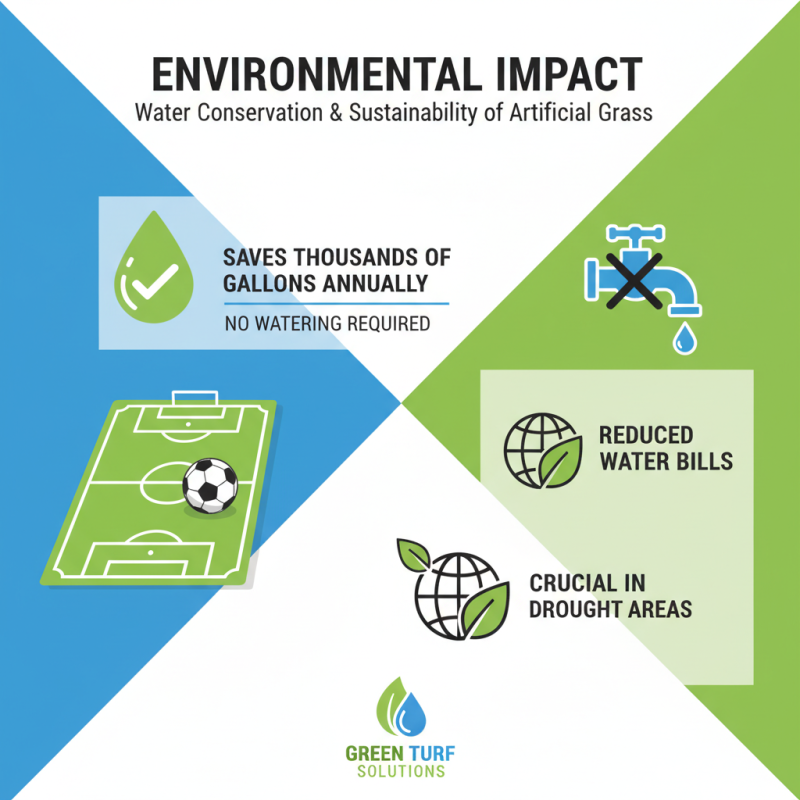
Artificial soccer grass has become a popular choice in recent years, mainly due to its positive environmental impact. One significant advantage is water conservation. Traditional grass fields require extensive watering. In contrast, artificial grass does not need any water. This helps save thousands of gallons annually. It significantly reduces water bills and is vital in drought-prone areas.
Sustainability also plays a crucial role in the appeal of artificial soccer grass. The materials used in its production, like recycled components, minimize the carbon footprint. However, it's essential to consider the longevity of these materials. While they last longer than natural grass, improper disposal can lead to environmental issues.
Tips for maintenance can enhance the lifespan of artificial grass. Regular cleaning ensures debris doesn’t accumulate. Brush the fibers to keep them upright. Additionally, inspect periodically for any damages. Taking these steps can prolong the benefits of artificial grass while addressing environmental concerns.
Injury Prevention: Safety Benefits of Artificial Soccer Grass for Athletes
Artificial soccer grass offers significant safety benefits for athletes, particularly in injury prevention. With a consistent playing surface, players are less exposed to unpredictable conditions. Natural grass can become muddy, uneven, or hard, increasing the risk of sprains and fractures. Artificial grass maintains its integrity regardless of weather, reducing these mishaps.
The padding in artificial turf provides extra shock absorption. This feature softens the impact during falls and tackles, minimizing injuries. Studies indicate that injuries are less frequent on this type of surface. However, some players may still experience friction burns. While it is a safer choice, the surface can be abrasive.
Athletes also tend to play harder on synthetic grass. It encourages faster and more aggressive play, translating to better performance. Yet, it's essential to adopt proper footwear to maximize traction and safety. Coaches must emphasize this point. By understanding these dynamics, teams can enhance player safety while enjoying the game.
Top 10 Benefits of Artificial Soccer Grass for Your Field
| Benefit |
Description |
Safety Impact |
| Injury Reduction |
Reduces risk of sprains and bruises from uneven ground. |
High |
| Consistent Playing Surface |
Provides a uniform and predictable field for athletes. |
Medium |
| All-Weather Use |
Performs well in wet or dry conditions, reducing injury risk due to slippery surfaces. |
High |
| Reduced Wear and Tear |
Designed to last longer without degrading, minimizing injury from worn surfaces. |
Medium |
| No Pits or Holes |
Eliminates hazards associated with natural turf damage. |
High |
| Better Shock Absorption |
Engineered to absorb impact, reducing the risk of concussions. |
High |
| Increased Visibility |
Colors and lines that enhance visibility for players and officials. |
Medium |
| Less Allergy Issues |
Eliminates grass pollen and mold, which can trigger allergies. |
Medium |
| Lower Maintenance |
Requires less upkeep compared to natural grass, ensuring consistent safety. |
Medium |
| Environmentally Friendly |
Does not require pesticides or fertilizers that can harm athletes. |
Medium |