Why Choose Artificial Grass for Landscaping Benefits and Tips?
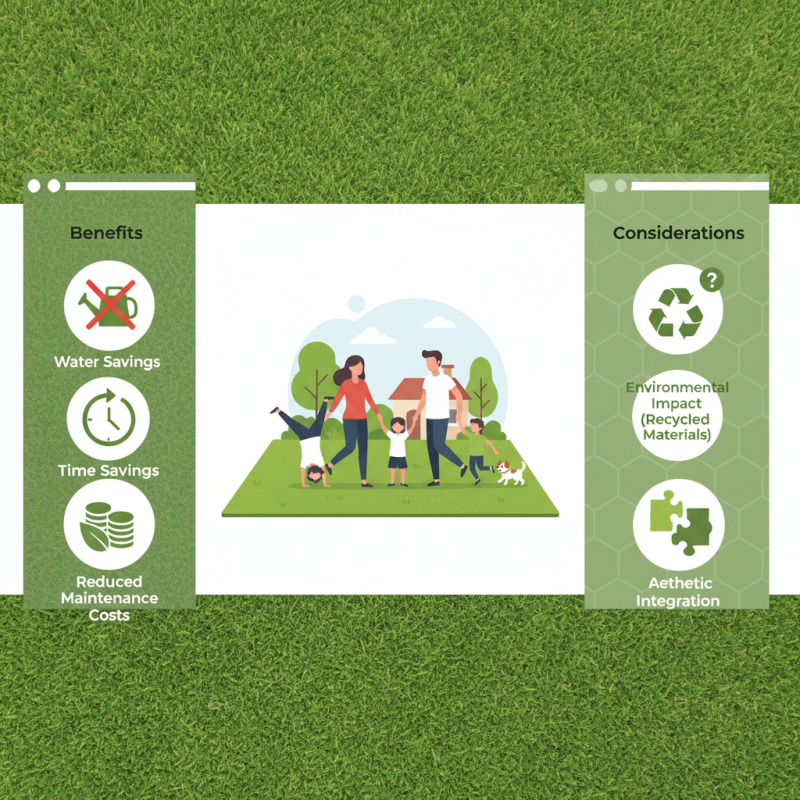
Landscaping with artificial grass has become a popular choice for homeowners and landscapers alike. Expert Kevin Arnold, a leader in the Landscaping Artificial Grass industry, states, "Artificial grass saves time, water, and maintenance costs." This statement highlights why many opt for synthetic alternatives in their green spaces.
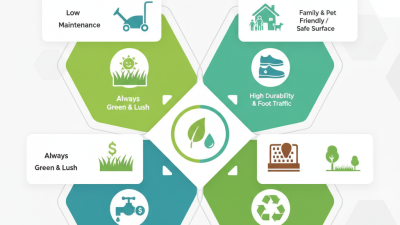
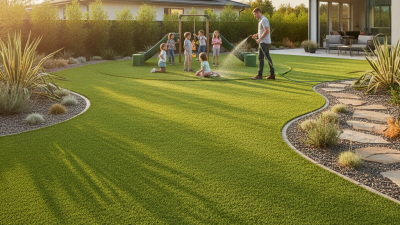
Artificial grass offers a low-maintenance solution that can withstand heavy foot traffic. Families digging their heels into beautiful lawns can now enjoy lush greenery without the constant upkeep of natural grass. While this option seems ideal, some may question its environmental impact. Recycled materials used in manufacturing could pose sustainability concerns.
Furthermore, the aesthetic appeal of Landscaping Artificial Grass often leads to unrealistic expectations. Some installations might not blend well with natural surroundings, making it crucial to choose wisely. Balancing beauty with practicality is essential. Ultimately, considering these benefits and potential drawbacks can guide decisions for those contemplating this landscaping option.
Benefits of Artificial Grass for Outdoor Spaces
Artificial grass has gained popularity for outdoor spaces in recent years. Many homeowners appreciate its low maintenance. Unlike natural grass, it does not need mowing, watering, or fertilizing. This saves time and money. Plus, it remains vibrant all year round, unaffected by harsh weather. Think about a picnic on a sunny day without worrying about muddy patches.
There are also environmental benefits. Artificial grass reduces water usage significantly. In a time when water conservation is vital, this matters greatly. It eliminates the need for harmful pesticides and herbicides. That’s better for your family and pets. However, it’s less biodegradable than natural grass. This raises questions about its long-term sustainability.
While the visual appeal is undeniable, installation requires careful thought. The initial cost can be a deterrent for some. Yet, consider the reduction in ongoing maintenance expenses. Weigh the costs against the benefits. Are you ready for the change?
Cost-Effectiveness of Installing Artificial Turf
Artificial grass has gained popularity in landscaping due to its cost-effectiveness. Installing artificial turf can save homeowners significant money in the long run. Maintenance is minimal compared to natural grass. According to a report by the Synthetic Turf Council, homeowners can save up to $0.05 per square foot on water bills.
Initial costs can be a concern. However, the investment pays off over time. An analysis from the American Society of Landscape Architects indicates that artificial turf can last 15 years or longer. This durability reduces replacement costs. Yearly upkeep costs are remarkably low, averaging $0.05 per square foot.
However, it's crucial to consider installation costs. They can range from $5 to $20 per square foot depending on the complexity. Some homeowners may struggle with upfront expenses. Yet, over time, the savings on water and maintenance can outweigh these initial investments. Think about your lifestyle and community needs. Is artificial grass the right choice for you?
Environmental Impact and Sustainability of Synthetic Grass
The environmental impact of synthetic grass is a complex issue. On one hand, it requires less water than natural grass. According to industry reports, typical lawns consume about 56 inches of water annually. Synthetic grass eliminates this need, reducing water waste in arid regions. However, there are concerns about the materials used in production. Most synthetic grasses are made from petroleum-based products. This raises questions about carbon footprints during manufacturing.
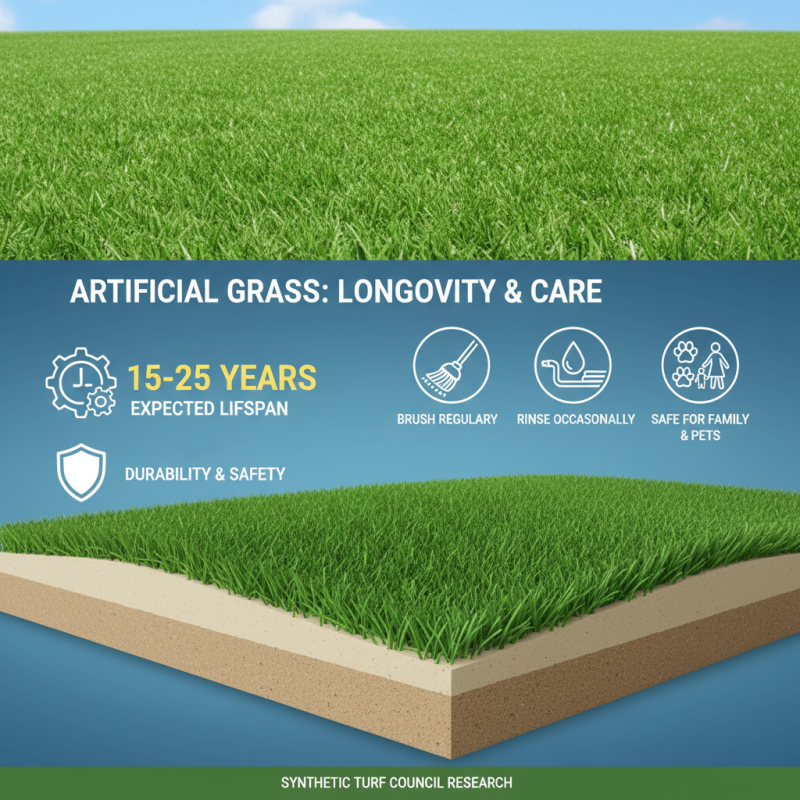
Another aspect to consider is the lifespan of artificial turf, which is usually around 15 to 25 years. This longevity can reduce the frequency of replacement, potentially offsetting environmental concerns. However, once removed, synthetic grass does not biodegrade easily. Some estimates say that about 30 million tons of synthetic turf will end up in landfills by 2025. This poses significant waste management challenges.
Recycling options do exist, but they are limited. Many facilities are not currently equipped to handle the recycling of used turf. It leads to a dilemma for homeowners and landscape designers. They are often torn between the aesthetics and practicality of synthetic grass versus its long-term impact on the environment. While the upfront benefits seem clear, the broader environmental consequences deserve careful examination.
Maintenance Tips for Preserving Artificial Grass
Artificial grass is an excellent choice for landscaping, but proper maintenance is crucial for its longevity. Maintaining artificial turf not only enhances its appearance but also ensures it stays safe for family and pets. Research from the Synthetic Turf Council indicates that well-maintained artificial grass can last 15-25 years. This longevity makes it an appealing choice for homeowners and commercial properties alike.
To preserve your artificial grass, regular cleaning is essential. A simple rinse with a hose helps remove debris and dust. For pet owners, promptly cleaning up waste is necessary. Using mild soap and water is effective. Avoid harsh chemicals, as they can damage the fibers. Thoroughly brushing the grass every few months helps maintain the pile height.
Another tip is to address any issues immediately. If you notice seams coming apart or areas flattening, try to fix them promptly. This can help prevent larger problems later. Regular maintenance checks can prevent costly repairs down the line. Remember, investing time in care today saves money tomorrow.
Comparing Natural Grass and Artificial Turf for Landscaping
When considering landscaping, the choice between natural grass and artificial turf can be tough.
Natural grass provides an organic look and feel. It offers a habitat for local wildlife. Birds can often be seen hopping on the green blades.
However, maintaining natural grass can be labor-intensive. It requires regular watering, mowing, and fertilizing. Droughts can lead to brown patches, making it challenging to maintain a lush appearance.
On the other hand, artificial turf presents some appealing benefits. It stays green all year round, regardless of weather conditions.
This saves time and money on maintenance. No need for lawn equipment or sprinklers. Yet, it doesn't drain water as well as natural grass. Heavy rains can lead to puddling, which may be a concern.
Another point to consider is the environmental impact. Natural grass helps to clean the air, while artificial turf can trap heat.
The lifespan of turf can also lead to waste when it needs replacement. Both options have their drawbacks. Thinking through these factors can help you make a
well-rounded decision for your landscaping needs.