What is an Artificial Plant Wall and How to Use It?
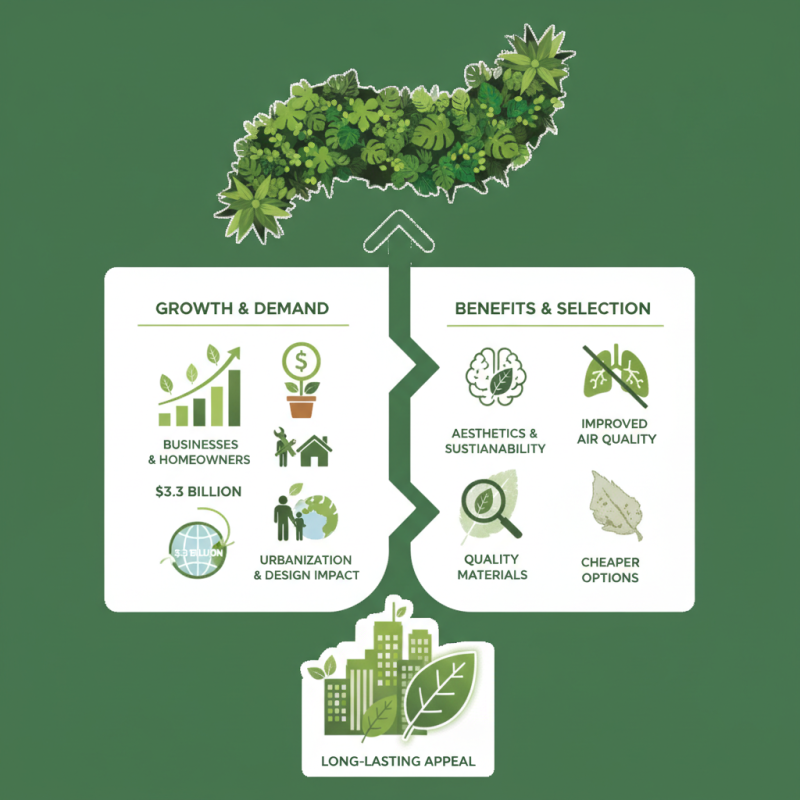
In recent years, the demand for Artificial Plant Walls has surged. Many businesses and homeowners seek to enhance their spaces without the hassle of maintenance. According to a report by Allied Market Research, the global market for artificial plants is projected to reach $3.3 billion by 2027. This is largely due to a growing preference for sustainable yet aesthetically pleasing decor.
Artificial Plant Walls can transform any environment, offering a vibrant touch to dull spaces. These installations mimic natural greenery, providing benefits such as improved air quality and noise reduction. However, the challenge lies in choosing high-quality materials that truly reflect nature. Some may find that cheaper options fade or deteriorate over time, leading to disappointment.
Overall, while the appeal of Artificial Plant Walls is undeniable, awareness of quality is essential. Ensuring the longevity and visual appeal of these walls requires thoughtfulness in selection. As urbanization increases, the right design choices can make a significant impact on our everyday surroundings.
What is an Artificial Plant Wall?
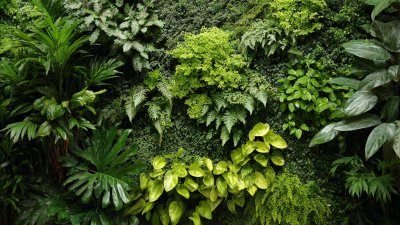
An artificial plant wall, often referred to as a green wall, is a vertical arrangement of synthetic plants. These walls are designed to mimic the look of living plants, providing an aesthetic touch without the maintenance required by real greenery. According to industry reports, the use of artificial plant walls has increased by over 25% in commercial spaces in the last three years. One reason is their ability to enhance interior environments while promoting well-being.
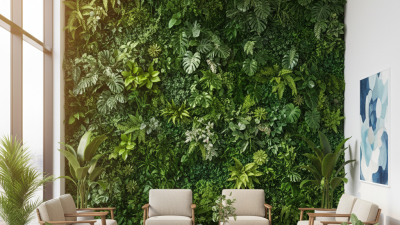
Incorporating an artificial plant wall into a space can transform its atmosphere. These installations provide a backdrop for meetings, social gatherings, or relaxation areas. They can improve acoustics and even boost air quality by filtering pollutants. Studies indicate that greenery, natural or artificial, can increase productivity by up to 15%.
Tips: When choosing an artificial plant wall, consider the color and texture to match your design vision. Ensure that the wall gets adequate lighting to highlight its features. Maintenance is minimal but requires occasional cleaning to prevent dust build-up. It's essential to also reflect on what messages your choice of plant wall conveys. Do the materials and designs align with your brand values?
What is an Artificial Plant Wall and How to Use It?
| Feature |
Description |
Benefits |
Common Uses |
| Material |
High-quality synthetic materials that mimic real plant textures |
Low maintenance, long-lasting |
Indoor and outdoor decoration, privacy screens |
| Installation |
Can be mounted on walls using panels or as freestanding dividers |
Ease of installation, versatility in design |
Offices, restaurants, homes |
| Aesthetic Appeal |
Provides a green, lively look without the need for sunlight |
Enhances atmosphere and decor |
Event spaces, photo backdrops |
| Maintenance |
Requires minimal cleaning, no watering |
Saves time and resources |
Permanent installations |
| Where to Buy |
Available through home decor outlets and online retailers |
Wide variety of styles and sizes |
Personal or commercial use |
Benefits of Using Artificial Plant Walls in Interior Design
Artificial plant walls are becoming popular in interior design. They bring the beauty of nature indoors without the maintenance required by real plants. One major benefit is their ability to enhance air quality. These walls can help filter pollutants and add oxygen to the air. This is particularly beneficial in urban environments where fresh air is scarce.
Another advantage is the aesthetic appeal. Artificial plant walls come in various colors and textures. They can create a lively backdrop or a calming atmosphere, depending on the design choice. For example, a vibrant green wall can energize a space, while softer tones lend a peaceful feel. Your choice can transform any room into an inviting oasis.
Tips: Consider your space before installation. Measure the area to ensure a fit. Mixing different types of foliage can add depth. Remember to clean the wall regularly. Dust can accumulate and diminish its visual impact. Incorporating lighting can also enhance the wall's beauty. Aim for a balance of natural and artificial light to create the right mood.
Benefits of Using Artificial Plant Walls in Interior Design
How to Choose the Right Artificial Plant Wall for Your Space
Choosing the right artificial plant wall can transform your space dramatically. Consider the size of your area first. A large wall requires a robust design. Smaller spaces benefit from a delicate arrangement, which can appear more inviting. Think about the colors, too. Green is calming, while vibrant shades add energy.
Texture is equally important. A mix of leafy plants and flowers creates visual interest. Pay attention to the material used for the plants. Some look realistic, while others can feel cheap. The balance is key. You might find a wall that looks great but doesn't fit your decor.
Lighting can also change how an artificial plant wall feels in your space. Natural light enhances colors, while dim settings can dull them. Don’t overlook maintenance too. Dust can accumulate over time, affecting how your wall looks. Reflect on how much commitment you're willing to give. The perfect choice requires careful thought and evaluation.
Step-by-Step Guide to Installing an Artificial Plant Wall
Installing an artificial plant wall can transform any space. These walls add a vibrant touch while requiring minimal maintenance. According to a report by the International Plantscape Association, indoor vertical gardens can improve air quality by reducing CO2 levels by up to 25%. Here’s a step-by-step guide to help you get started.
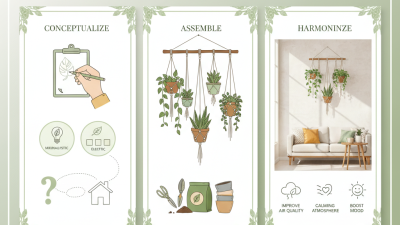
Begin by selecting an appropriate area. Measure the wall to ensure your plant wall fits perfectly. Use a level to ensure an even installation. Next, choose your artificial plants. Options include ferns, succulents, or tropical leaves. A mix can create depth and interest. Secure your plants onto a mesh base or frame. It’s crucial to leave some gaps for a natural look.
Once the plants are in place, hang the wall fixture on your chosen surface. Many options exist, but adhesive fixings might not always hold. You may need extra support like brackets. Don't overlook lighting. While these plants don’t need sunlight, adequate lighting enhances their appearance. Remember, this project takes time. Mistakes might happen, like uneven spacing or wrong plant choices. Embrace these errors as part of the creative process.
Maintenance Tips for Keeping Your Artificial Plant Wall Looking Fresh
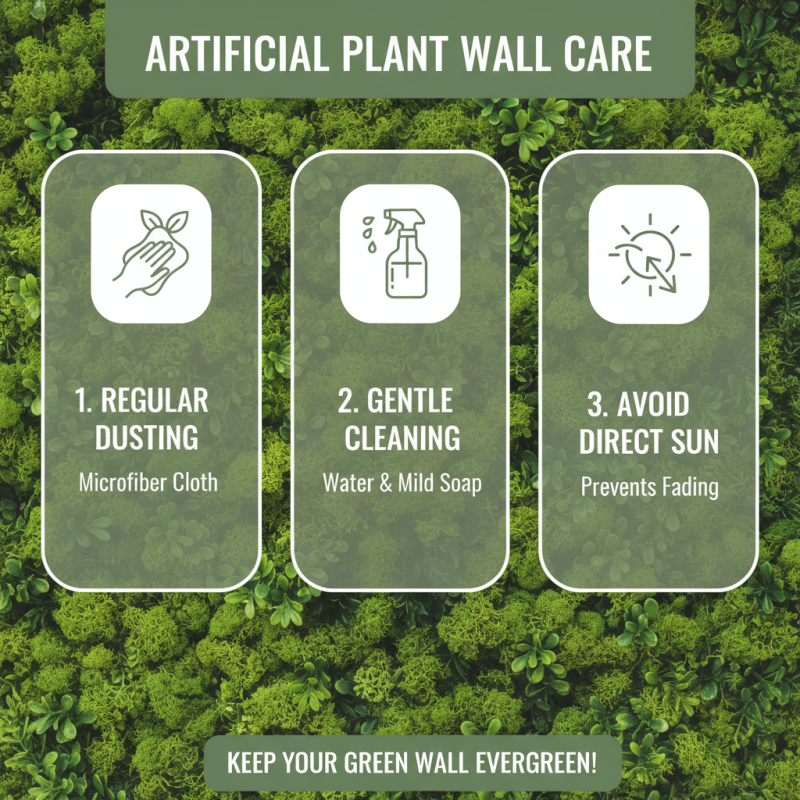
Maintaining an artificial plant wall requires a balance of care and attention. Regular dusting is essential. A microfiber cloth can work wonders in removing dirt and debris. Many people overlook this simple task. Yet, studies suggest that a clean surface helps maintain the plants' visual appeal. Dust accumulation can dull colors and detract from the overall aesthetic.
Watering isn’t necessary for artificial plants, but occasional misting can help with the appearance. A light spray of water creates a more realistic look. Avoid excess condensation, though; it may cause colors to fade over time. According to industry reports, fading is a common problem with artificial foliage, often occurring within the first year of exposure to sunlight.
Temperature control is crucial as well. Extreme heat can warp materials, impacting the plant's form. Keeping the environment stable can prolong the life of your wall. It’s also wise to check for loose leaves or discoloration periodically. Some may forget to do this. Regular checks can prevent larger issues later. Don't let neglect compromise your beautiful decor.