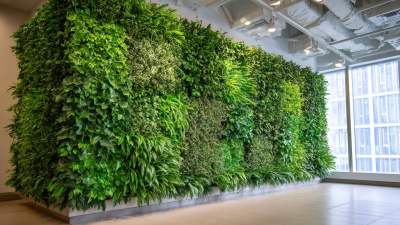
What is an Artificial Plant Wall and How to Use It in Home Decor
An Artificial Plant Wall can transform any space into a vibrant oasis. John Green, an expert in interior landscaping, once remarked, “An Artificial Plant Wall can breathe life into dull rooms.” These installations mimic nature, bringing lush greenery indoors with minimal maintenance.
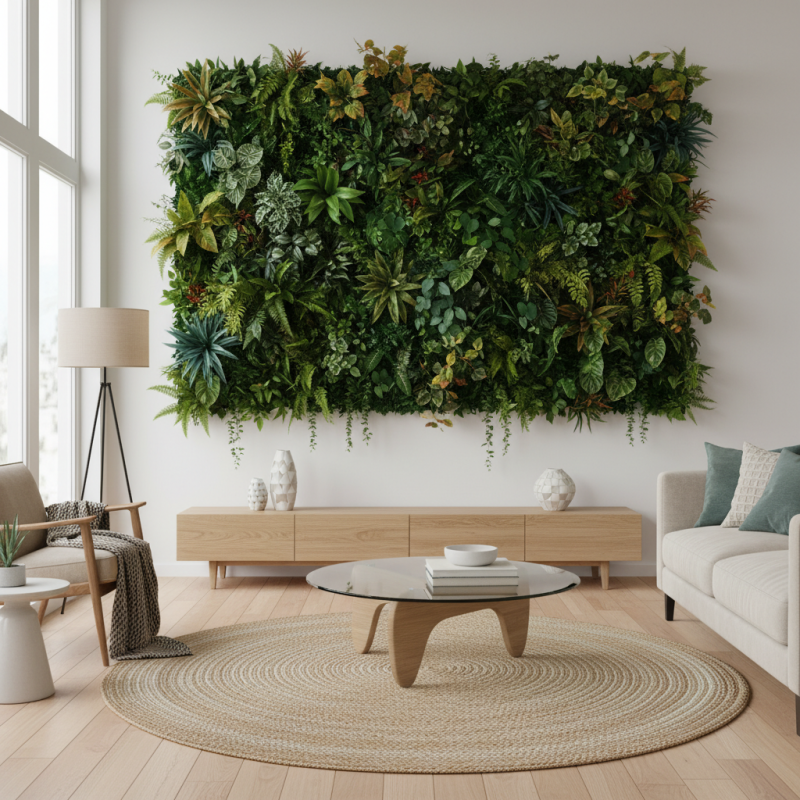
Imagine a living room adorned with a stunning Artificial Plant Wall. The rich colors and textures create a focal point, drawing attention. People often underestimate the impact of green elements in decor. Artificial options provide all the beauty without the hassle of caring for real plants.
Skeptics may question if these walls truly enhance a home. They miss the point of ambience and visual interest. An Artificial Plant Wall is not just decoration; it's a statement. As trends evolve, the blend of technology and nature continues to flourish.
What is an Artificial Plant Wall?
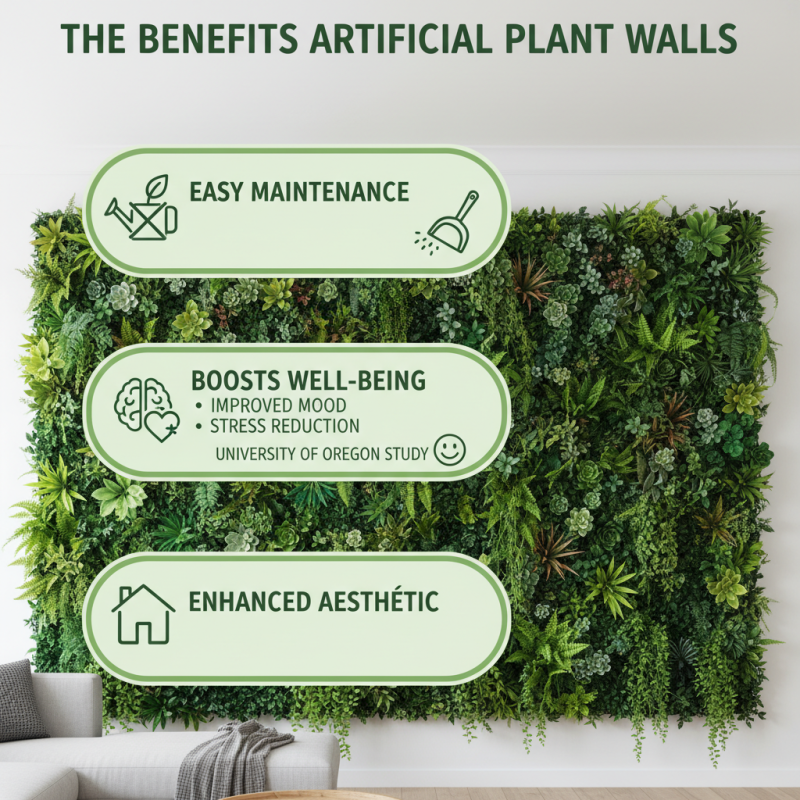
An artificial plant wall is a beautiful addition to any home decor. It consists of various types of synthetic plants that create a lush, green landscape on a vertical surface. These walls simulate real plants, offering an enjoyable aesthetic without the maintenance. Interior designers note that green walls can improve mood and reduce stress levels. A study by the University of Oregon found that people feel more relaxed in environments with plants.
Installation of artificial plant walls is straightforward. Many options are available, from modular panels to complete kits. The versatility is appealing; they can fit in small spaces or cover an entire wall. Homeowners often use them in living rooms, offices, or even bathrooms. Reports suggest that adding greenery can boost productivity by nearly 15%.
While artificial plant walls are low-maintenance, they aren’t perfect. Dust can accumulate, requiring occasional cleaning. Some may argue that they lack the authenticity of real plants. However, these walls bring color and life to spaces where natural light is scarce. In a world increasingly focused on sustainability, artificial plant walls present an interesting choice. They create a green atmosphere without the environmental concerns associated with sourcing live plants.
Benefits of Using Artificial Plant Walls in Home Decor
Artificial plant walls are a fantastic addition to home decor, offering numerous benefits. They bring the beauty of nature into your space without the upkeep of real plants. You can easily hang them in any room, adding vibrant greenery. The rich colors and textures elevate the aesthetics of your home. It's a simple way to create a calming environment.
Maintenance is a breeze. Unlike real plants, artificial plant walls don’t require watering or sunlight. They remain lush year-round. For busy individuals, this is a game-changer. However, the challenge lies in selecting the right designs that meet your style. Some artificial walls may look overly synthetic. A careful choice can enhance authenticity and appeal.
Moreover, artificial plant walls improve air quality by filtering out toxins. They can also reduce noise levels, providing a serene atmosphere. These benefits can transform a dull area into a cozy retreat. While they lack the living aspect of real plants, their convenience makes them a practical choice for many. Consider mixing textures or colors to add depth. This can result in a unique look that resonates with your personal taste.
Choosing the Right Location for Your Artificial Plant Wall
Choosing the right location for your artificial plant wall is essential for maximizing its impact in home decor. Many experts suggest placing it in areas that receive indirect light, as this mimics the natural environment. A common recommendation is to install them in living rooms or dining areas. These spaces often benefit from a touch of greenery. A well-placed wall can enhance mood and wellbeing.
Consider the wall's size and surrounding decor. If the area feels cluttered, a vertical plant wall can create a focal point. Research shows that incorporating greenery indoors can improve air quality by up to 50%. However, choosing a location that allows for easy maintenance is crucial. It's important to think about access and visibility.
Installation height also matters. A wall garden should be eye-level to draw attention. Professionals often recommend a height of around 5 to 6 feet. If the wall is too high, it may be hard to appreciate. Observing how family and friends interact with the space can provide insights. Sometimes, an ideal location may not stand out at first glance. It requires experimentation to find that perfect spot.
Artificial Plant Wall Usage in Home Decor
Design Tips for Integrating Artificial Plant Walls into Your Space
Integrating an artificial plant wall into your decor can transform any space. It adds green without the maintenance of real plants. Consider the wall's location carefully. Think about natural light and visibility. A well-placed artificial plant wall can create an intimate corner or serve as a dramatic backdrop.
Choose plants that match your style. Mix textures and colors for a rich appearance. However, avoid overcrowding the space. It may feel cluttered and overwhelming. Balance is key. Use lighting to enhance the plants' appeal. Soft, warm lights can create a cozy atmosphere.
While artificial plant walls are versatile, they can sometimes look unrealistic. Select high-quality pieces that mimic real plants closely. Be prepared to adjust your arrangement over time. Sometimes, less is more. Reflect on the overall aesthetic and functionality.
Maintenance and Care for Artificial Plant Walls
Artificial plant walls can transform spaces with greenery. However, they require specific care to maintain their beauty. Regular dusting is crucial. You can use a soft cloth or a feather duster for this. Make sure to reach every corner. Over time, dust accumulation can dull the vibrant colors.
Water is not needed for these plants, but you may choose to lightly mist them. This helps keep the faux leaves looking fresh. But be cautious; too much moisture may cause mold. Check for any signs of wear or fading. If a section looks off, consider replacing that part to preserve the overall look.
Lighting can also impact the appearance of your wall. Placing it in a well-lit area can enhance its colors. However, direct sunlight can be harmful. It might fade the materials faster. Reflect on the placement and adjust as needed. Simple tweaks can bring new life to your decor.