2026 Best Artificial Grass Synthetic Options for Your Needs?
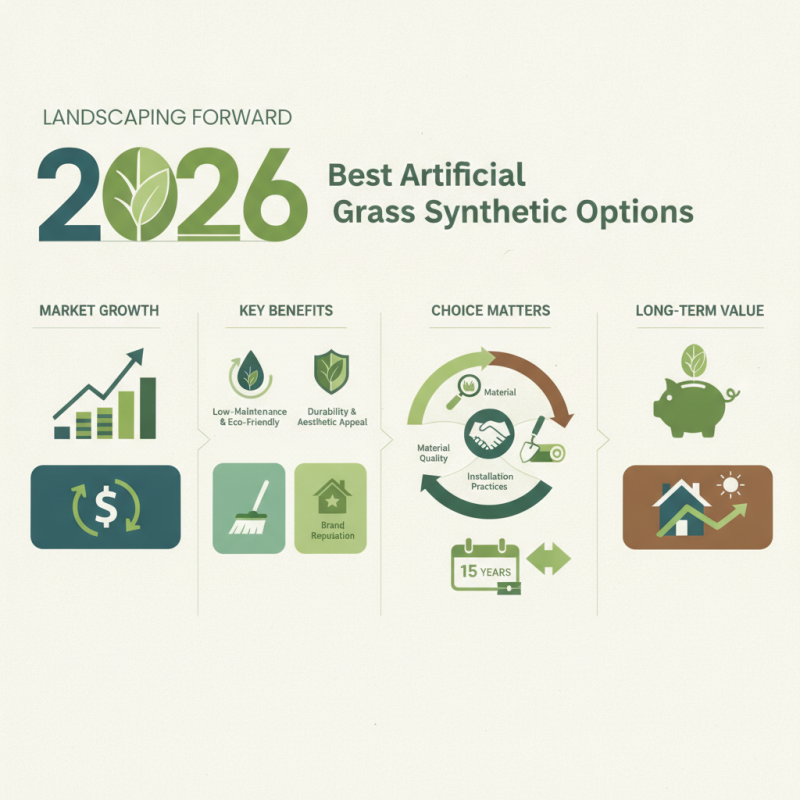
In recent years, the demand for Artificial Grass Synthetic has soared. According to the Synthetic Turf Council, the North American synthetic turf market reached approximately $1.9 billion in 2022. This trend reflects the growing preference for low-maintenance and eco-friendly landscaping solutions. Homeowners and businesses are increasingly drawn to synthetic grass for its durability and aesthetic appeal.
While Artificial Grass Synthetic offers numerous advantages, it is essential to understand the different options available. Some products mimic natural grass closely, providing a lush, green appearance year-round. Others, however, may lack in quality, leading to issues like fading and uneven wear. A careful selection process can prevent dissatisfaction down the line.
Research indicates that the right choice in synthetic grass can last up to 15 years with proper care. It is vital to consider factors such as material quality, brand reputation, and installation practices. Investing in high-quality artificial grass not only enhances outdoor spaces but promotes long-term savings. Exploring the best options ensures you meet your specific needs effectively.
Overview of Artificial Grass Types and Their Benefits
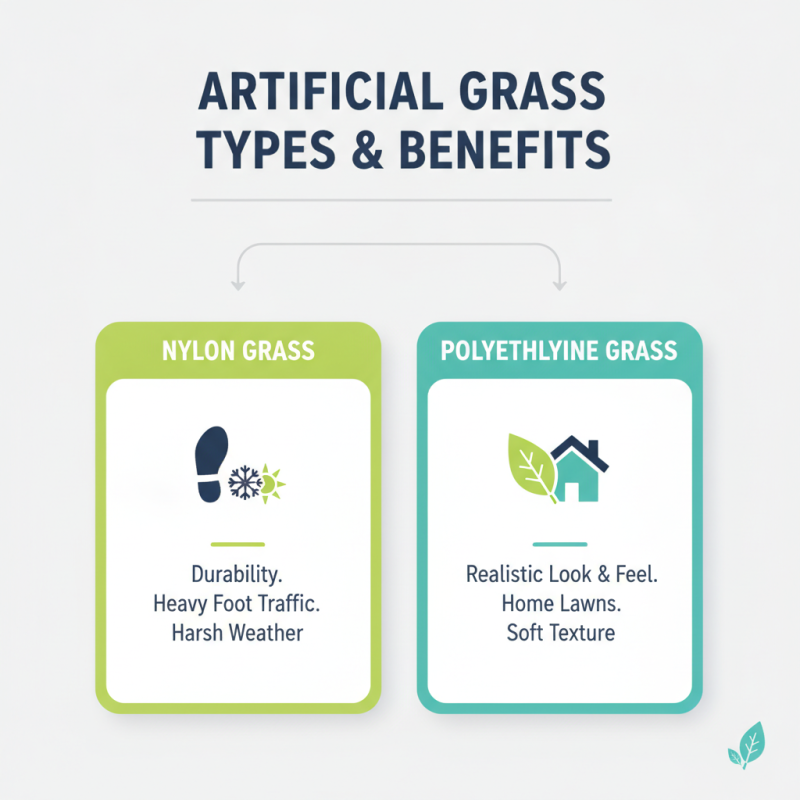
When considering artificial grass, understanding various types is essential. There are several synthetic options, each with unique benefits. For instance, nylon grass is known for its durability. It withstands heavy foot traffic and harsh weather. Polyethylene offers a more realistic look and feel, making it popular for home lawns.
Tips: Always check the pile height. A taller height may look lush but can trap debris. Maintenance can become a hassle. Shorter grass requires less upkeep and remains cleaner.
Another option is polypropylene, which is budget-friendly. However, it’s less durable. Ideal for low-traffic areas, it might not hold up under continuous use. Weigh the pros and cons of each type based on your needs.
Tips: Consider the temperature. Some synthetic materials retain heat. This can be uncomfortable in direct sunlight. Research and choose wisely to match your lifestyle and environment.
Factors to Consider When Choosing Synthetic Grass for Your Needs
When selecting synthetic grass, several key factors demand attention. Firstly, consider the material quality. Look for options made from durable fibers that withstand weather and foot traffic. High-quality synthetic grass can mimic natural grass convincingly. But be wary; not all synthetic options perform equally, and lower-quality products may fade or degrade quickly.
Next, think about the grass’s cushioning and infill. A well-chosen infill material can enhance durability and provide a softer feel underfoot. Some options offer excellent drainage, crucial for avoiding muddy patches after rain. However, the wrong infill can trap moisture and lead to unpleasant odors. It’s essential to balance softness and functionality.
Finally, aesthetic appeal is also vital. Different colors and blade shapes can affect the overall look of your space. Choose an option that blends well with your landscape while meeting maintenance needs. Personal experiences often reveal that choosing solely based on appearance can backfire. Long-term satisfaction generally comes from a blend of beauty and practicality.
Comparing Durability and Maintenance Requirements of Different Options
Artificial grass has gained popularity for its low maintenance and durability. However, different synthetic options provide varying levels of durability and care requirements. A report by the Synthetic Turf Council indicates that a well-installed synthetic lawn can last 15 years or more, while some lower-quality options may deteriorate within five years.
When assessing durability, consider factors such as weather resistance and UV stability. High-quality artificial grasses are often made from advanced materials that withstand extreme temperatures and heavy foot traffic. For example, options with polyethylene fibers tend to resist fading and are more durable than nylon alternatives. Frequent maintenance, like brushing and periodic cleaning, can further extend the lifespan of your synthetic grass. Neglect can lead to compaction and matting, which diminishes its aesthetic appeal.
Maintenance requirements also vary widely across different synthetic types. Some lawns require infrequent rinsing, while others may need thorough cleaning every few weeks. According to industry data, regular care can enhance resilience against wear. It's crucial to weigh the upfront cost against future maintenance expenses. Poor choices may result in unexpected costs and less satisfaction over time. Ultimately, aiming for a balance of durability and ease of maintenance is essential when selecting the best artificial grass for your needs.
2026 Best Artificial Grass Synthetic Options for Your Needs
Eco-Friendly Options: Sustainable Artificial Grass Solutions
When considering artificial grass, eco-friendly options stand out. These sustainable solutions reduce environmental impact while providing vibrant green spaces. Many modern synthetic grasses use recycled materials, which minimizes waste. Choosing such options helps lessen the demand for new resources.
Tips to consider: Look for products that are made from post-consumer waste. This choice not only supports recycling efforts but also ensures durability. Check certification labels to confirm environmentally-friendly claims.
Another aspect to reflect upon is the maintenance of synthetic grass. Unlike natural grass, synthetic variants require less water. However, they still need occasional cleaning and replacement. Evaluate your local climate and sun exposure, as these factors affect longevity. Investing in quality materials can lead to long-term benefits, both environmentally and financially.
Cost Analysis of Installing and Maintaining Synthetic Turf
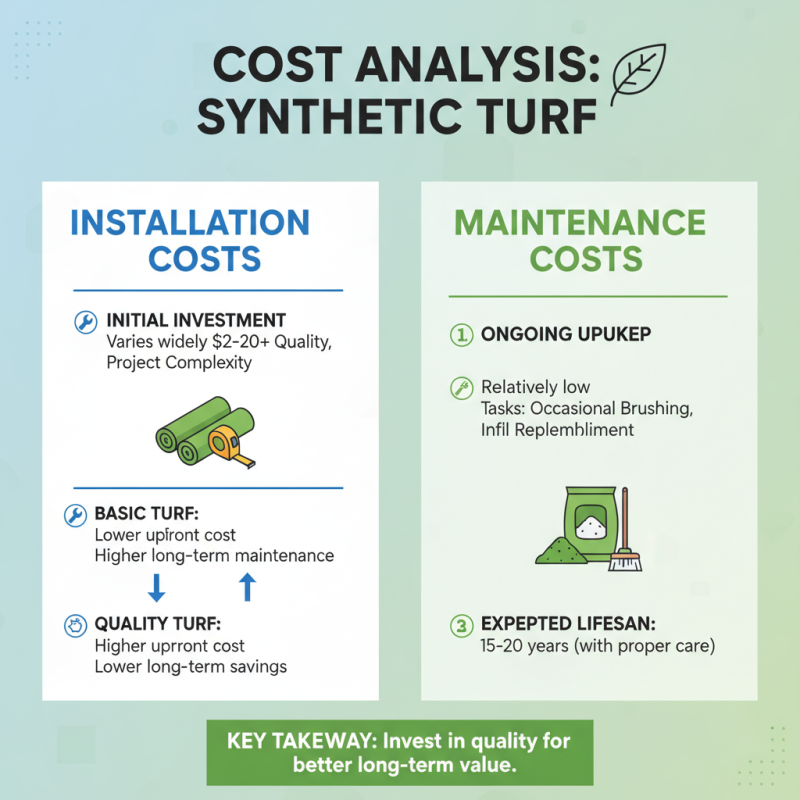
When considering synthetic turf, a key factor is the cost of installation and ongoing maintenance. Initial installation can vary widely based on the quality of the material and the complexity of the project. Basic options may cost less upfront but could lead to higher maintenance fees over time. Investing in quality turf may yield better long-term savings. Once installed, upkeep typically requires occasional brushing and infill replenishment.
Ongoing costs can be a surprise for many. While synthetic grass reduces water bills significantly, other hidden costs exist. Things like repair of seams or addressing fading can add to the budget. Some turf products may require cleaning agents, which adds to maintenance expenses. It's crucial to ask about these factors before making a choice.
Planning for the lifecycle of synthetic turf also matters. The lifespan typically ranges from 8 to 15 years, depending on usage and quality. After several years, replacement might be necessary, which is another financial consideration. Moreover, consider how often the turf will be used. Heavy traffic areas wear out faster, leading to increased costs sooner than anticipated. Understanding these elements will aid in making an informed decision.